Surveillance Parenting

“Its malevolent gravity drags humanity and all human ideas into its orbit, warping them beyond recognition. Beneath it, within its context, everything becomes corrupted into the worst version of itself. It takes joy and turns it into vindictive glee; it takes self-reliance and turns it into solipsistic psychosis; it turns love into smothering assault, pride into humiliation, families into traps, safety into paranoia, peace into discontent. It turns people into people who do not see people as people. And civilisations, ultimately, into abominations.”

-Sam Hughes, There is No Antimemetics Division

This is the moment when Hughes’ novel, I think, reaches beyond high-concept pastiche to truly touch something great. An idea, a meme, so all-encompassing that it doesn’t merely pervade and rot everything it casts its dark light on, but replaces the whole with a new always-was.
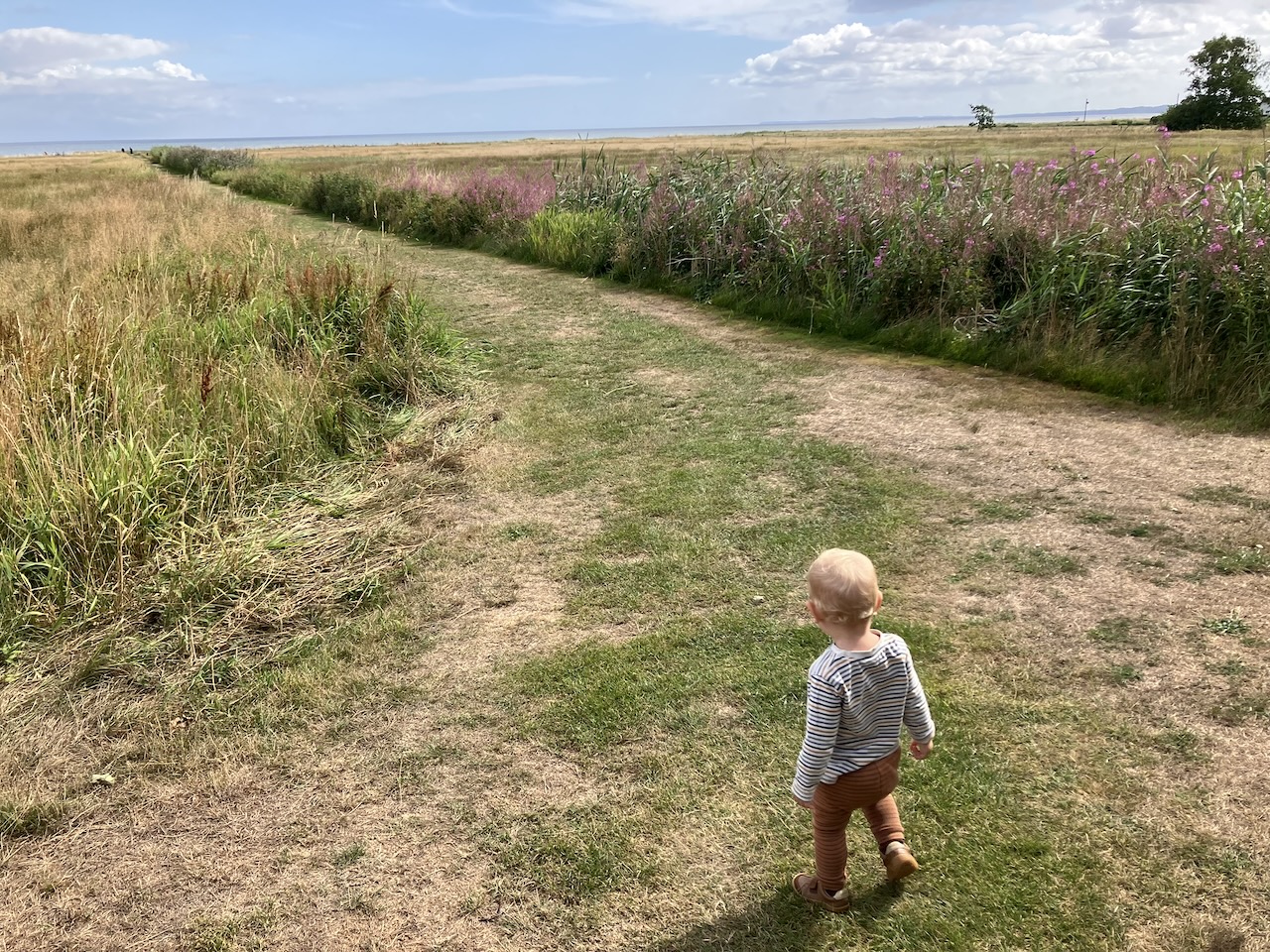
My son is a year and a half old. I’m 45. I’m a different generation than most of my peer-dads. My memetic space is different. My inevitabilities are different.

The technology now exists to “watch” Hugin everywhere he goes. To know everything he reads, watches, plays, experiences. Because WHAT IF THE WORST HAPPENED? Knowing I could have reached for that golden bough, had the knowledge to prevent the worst–and didn’t. What would that make me?

Hugin scraped his knee so it bled, and got a real prize shiner on his forehead, all today. Since daycare. In my care. My philosophy is: cool, good. You should see him climb! He’s an explorer. He’s a mover. He’s a ponderer. He’s a sweet guy. And he’s going to have worse.

We wandered dumbly into surveillance capitalism. A pack of lies from marketing scum sold the world its panopticons: It’s free because your privacy is worth nothing! Simultaneously: With enough data, we can sell people anything! It wasn’t true in either direction. But if we’ve learned anything from Trumpism, it’s that true is a far more fragile and optional meme than a refugee from the 20th Century would have assumed. Easy is a meme. Everyone else does is a meme. I’m busy is a meme. Stressed. I can do this. I can get out of this hole. I just need a little space. There are so many memes louder than true. Surveillance is a legitimate business. That’s a meme.

Like every child, Hugin stands where a torrent of historical winds cross.

I will protect him. I must protect him. To both statements, sometimes yes, but primarily I must raise him.

Previous generations weren’t as free as we assume. Yes, as a child in the 1950s-60s, my mother could go several streets in any direction with her friends, but everywhere was a loose network of housewives and old ladies who knew one another, had their phone numbers handwritten in the back of one-another’s white pages, and kept a keen eye on everyone’s children throughout the day. (My dad, in a much smaller town: Fewer checkpoints, larger geography, same vague system.) My parents always needed to know whose house I was at, in the 1980s-90s (though it helped that they needed to drive me there until 1996).

The difference in the 2020s is twofold.

First, the granularity has increased extraordinarily. My parents couldn’t even see what I checked out from the school library. Parental controls will literally show me everything Hugin examines. The power is heady. The power is corrupting. The power tries to keep a straight face as it smirks, “What if?” That infrastructure wasn’t built for the benefit of my son; it was built for the massive collection and collation of his thoughts. Initially, to sell him things. Now, to shape those thoughts. Have I mentioned that surveillance capitalism is now politics?

The second difference is, in fact, worse. The second difference is internalization. The meme is no longer a meme, it is the whole memetic space. Have you noticed you can now tell the age of someone online by the circumlocutions they use to allude, even vaguely, to anything serious? Suicide, rape, death, sex. Everything is autocorrected away before it even gets from Millennial/Gen Alpha fingers into the device. They are so used to being watched in every space in which they can communicate, at least by a lazy bot, that they self-censor as a reflex, like Soviet peons. (I fear it’s even deeper. I see suggestions that the surveillance-native feels that their inner thoughts are public. The sleepless imperfections of the new parent are pathologized. The schoolgirl crush on a teacher is pathologized. The teenage boy wanting to see nudity is pathologized. Every inner rebellion must be quelled. God I hope I’m wrong.)

This is where ChatGPT would start talking solutions. ChatGPT can fuck off. Free Range Kids has failed as badly as the Sceptics Movement. I don’t know (unintentional Howard Beale voice) what to do. I don’t know what I must do. I only know that we need to name this abomination, give it metaphysical form, before we can manage it. We need to see the meme for what it is: Another flimsy spinning thing of money, monomania and anxiety, demanding to be treated as inevitable, re-internalized, and forgotten.

We need to accept the memetic version of those skinned knees and bonked heads. We need to do better in our own framing of the problems our children face. Giving in to anxiety is just… so… easy now. Dress it up as righteousness, and you never have to think about it again. Perfect.

Or we can parent these amazing kids the hard way. Whatever the fuck that is.
On the Election Loss

It’s been a long day. With respect to the feelings of many people I care about, Trump is not a win for America. You may not think so, but I’ve been listening to you all along. I’ve been listening, but you haven’t fulfilled your end of the bargain—you’ve neither listened, nor had anything much to say.

There’s been no “smear campaign:” We’ve only taken Trump at his true, in-context, and utterly un-American word. You “feel” that the economy was better under him, while the numbers call it a wash. You believe that crime is rising where it’s falling. The border is such a major issue for you, but when Republicans killed the bill that was everything you wanted because Trump wanted to, quote, “run on immigration,” you didn’t bat an eyelash. You fail to hold Trump to any standards, and while you’ll privately oppose many of his and his cronies’ policies (tax cuts for the rich, money in politics, unfettered corporate power, healthcare, contraception, Ukraine, etc.) you don’t speak out. You won’t speak out. And it’s only going to get harder.

If the last decade has taught us all nothing else, it’s that all expectations are off. The guardrails do not hold. Polling doesn’t work anymore. Reporting doesn’t work anymore. Only bold repetition seems to break through, and that is an idea whose master we do not wish to acknowledge. 

We treat America’s democracy as a thing carved in stone, rather than a gentle flower we must guard. Democracy is a burden, which is why it’s been allowed to fail in so many places, already, in this young century. It’s our burden. But when we allow the information space to, as Steve Bannon recommended, “fill with shit,” we shirk our duties as citizens. And no amount of projection and finger-pointing can overcome the tarnish on your intellectual honor from believing only what you want to believe.

Trump can’t stop lying. He’s in too deep. But whatever of his policies you support, you must not play along. That way lies nothing of honor, value, bravery, or love.

***

These were my thoughts Wednesday, the day after Donald Trump was elected to a second term as U.S. President. They’re messy, but they’re honest.

There is something important I left out, though. I won’t waste your time with paragraph after paragraph. It’s this: Social progress is not zero-sum. Putting in “the leaf” doesn’t make your place at the table any smaller. (And the good man must then ask: What if it even did? What would that change?) Populists have been leading flocks astray with this dead meme for well over a century, that being concerned for someone who isn’t you means not being concerned for you. I have to wonder how small their hearts are. Whatever can be used to “other” one’s fellow man and pretend that they, uniquely, don’t matter, is fair game.

When shamed out, as they always are, they invert the play. They steal the language of those they’d marginalize. It’s the same premise. It’s childish. That someone else has suffered doesn’t imply that you haven’t. That your and your neighbor’s positions are precarious doesn’t mean that you need to find a way to fuck him out of whatever he’s got left.

We’re supposed to be One Nation, and we’ve elected a divider–a man whose chief talents are projection and insults. This is not baseball. Enjoy your truimph, but look forward to the hangover. Whoever won this election, America lost.

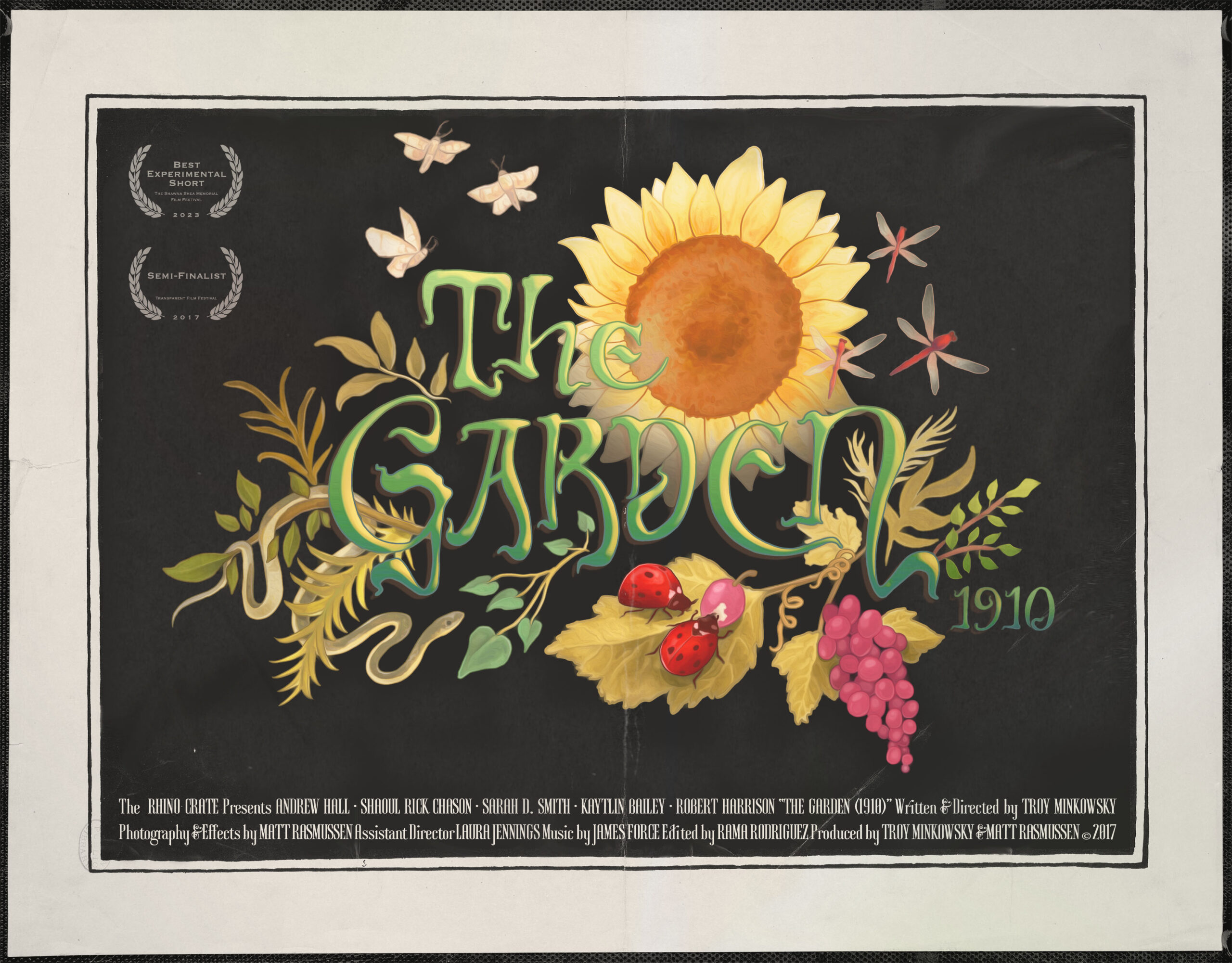
“The Garden (1910)” Wins at the Shawna Shea Memorial Film Festival

We found our audience. Troy Minkowsky’s “The Garden (1910)” was requested for this year’s Shawna Shea, and took home Best Experimental Short! Audience feedback was across the board praise for Troy’s touching, funny and challenging retelling of the Adam and Eve myth.

I was DP and Co-Producer on this 30 minute film, shooting on a pair of iPhones and producing the digital+practical special effects. It was an enormous but fun challenge, working out first how a magician from the early 20th Century would have accomplished the shot, then how I’d fake it–with a mix of puppets, green screen, miniatures, CGI and composites. We simulated manually cranked film with hand coloring in Blackmagic Fusion. It was film nerd heaven.

Big congratulations also go out to Miriam Olken, who took home a Spirit Award for her screenplay “Jaw” the same night. Olken served as my Assistant Director on “The Leaves.” It’s fantastic to see someone so talented getting real recognition.

If you haven’t seen the film yet, it’s available on Vimeo. (Free login required, due to non-sexual nudity.) And yeah, that was me at far right–God’s only angel with a goatee.

Mermaid Painting

In case my Coastal-Maine-native cred is fading, I’d like to point out that the seaweed is the most competent part of this.
“Per Aspera Ad Astra” In One Image

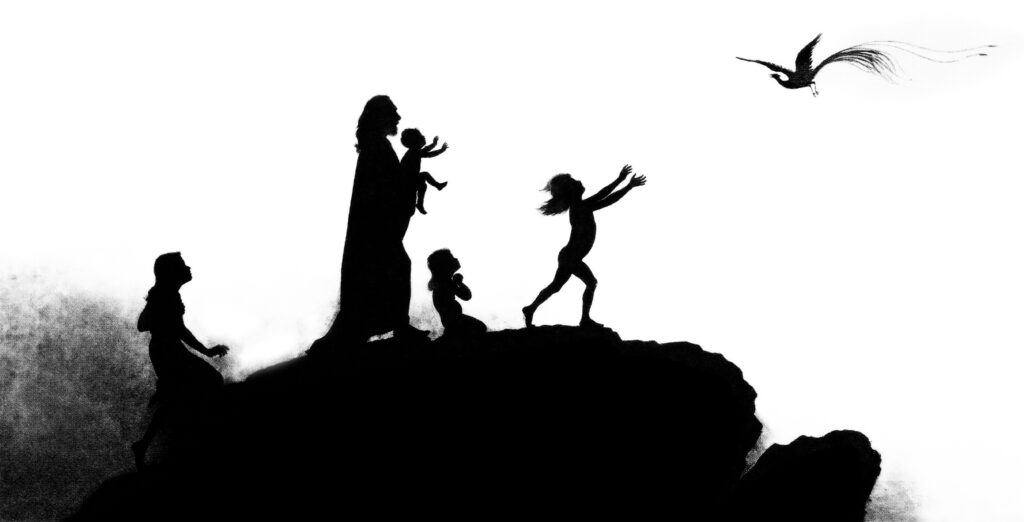
The complete silhouette illustration by the German Symbolist master Karl Wilhelm Diefenbach, assembled as one ultra-wide image. “Per Aspera Ad Astra” (“Through Hardship to the Stars”) is a complex, striking and joyful work defying easy explanation. Diefenbach himself was an untethered, original thinker–Theosophist, Symbolist, Naturist, Himself-ist–perhaps best summed up in the paradox that virtue pushed past reason becomes vice. The silhouette procession of children, animals and much more was originally a 68 meter long frieze, designed in 1875 and executed by Diefenbach’s protegé Hugo Höppener (“Fidus”) while Diefenbach was in a sanitarium. It was adapted into a book of 34 illustrations by 1893, scans of which can be found on the Commons along with more of Diefenbach’s work.

The images for download here are from these scans, matched and straightened nondestructively with hand cleanup, into a 2.9GB greyscale 172,058 x 2,473 px Large Document Format file.

The scrolling YouTube video (above) is probably the easiest viewing method right now. Be sure to set the quality to full 1080p60 and go fullscreen.

The TIFF is 110MB, full sized (172058 x 2473 px) and may be compatible with more software. I’d recommend downloading the zip file, as trying to render the TIFF might crash your browser.

The PNG is full sized and only 67MB, but may be harder to decompress. Same browser warnings.
The JPEG is 6MB, scaled down to 64,000 x 920 px (the max for the file format).

First panel

Information in English is hard to find. “Per Aspera Ad Astra” sometimes seems to be confused with “Kindermusik” (“Children’s Music”) a different series sharing themes and at least one figure. Diefenbach spent many of his later years on Capri, where there is a museum dedicated to his surviving works. (Too few, sadly.) His reputation improved by the passing century, the original 68 meter frieze of “Per Aspera Ad Astra” is now on display in the town of his birth at the City Museum Hadamar.
Please note that this assembled version should not be considered a “transformative work” for purposes of copyright, so the image files here are in the public domain. I don’t currently have the storage and bandwidth on SpaceToast.net to host the original file, but if you’d like to work with it please contact me through the About page and we’ll figure out a way to get it to you.

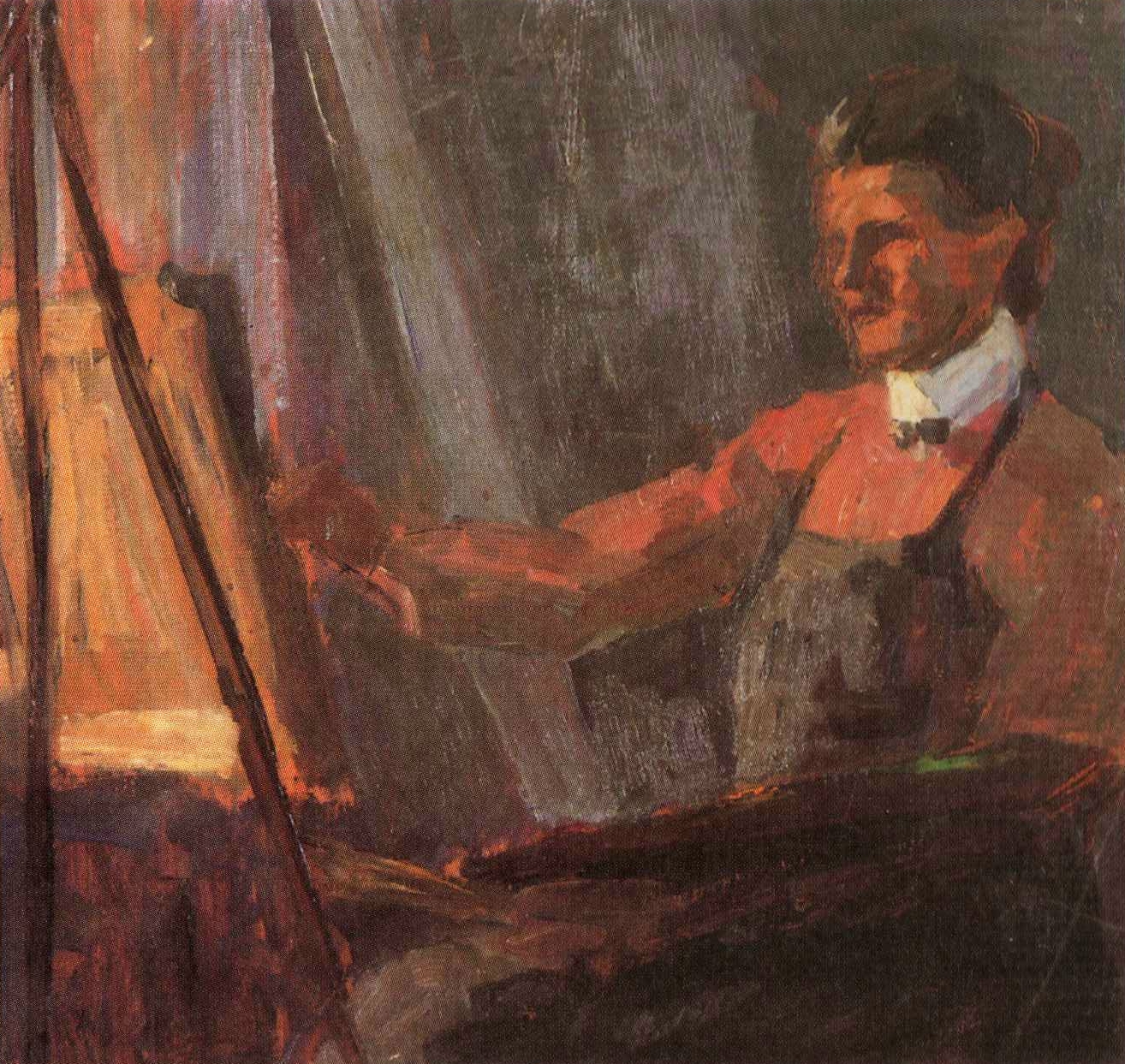
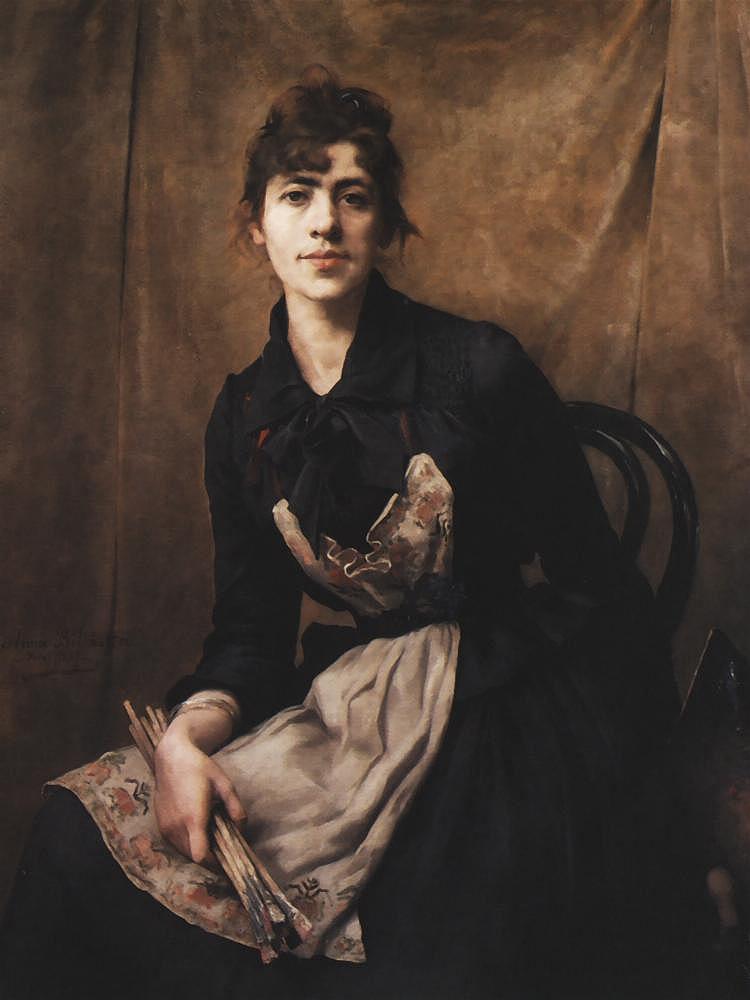
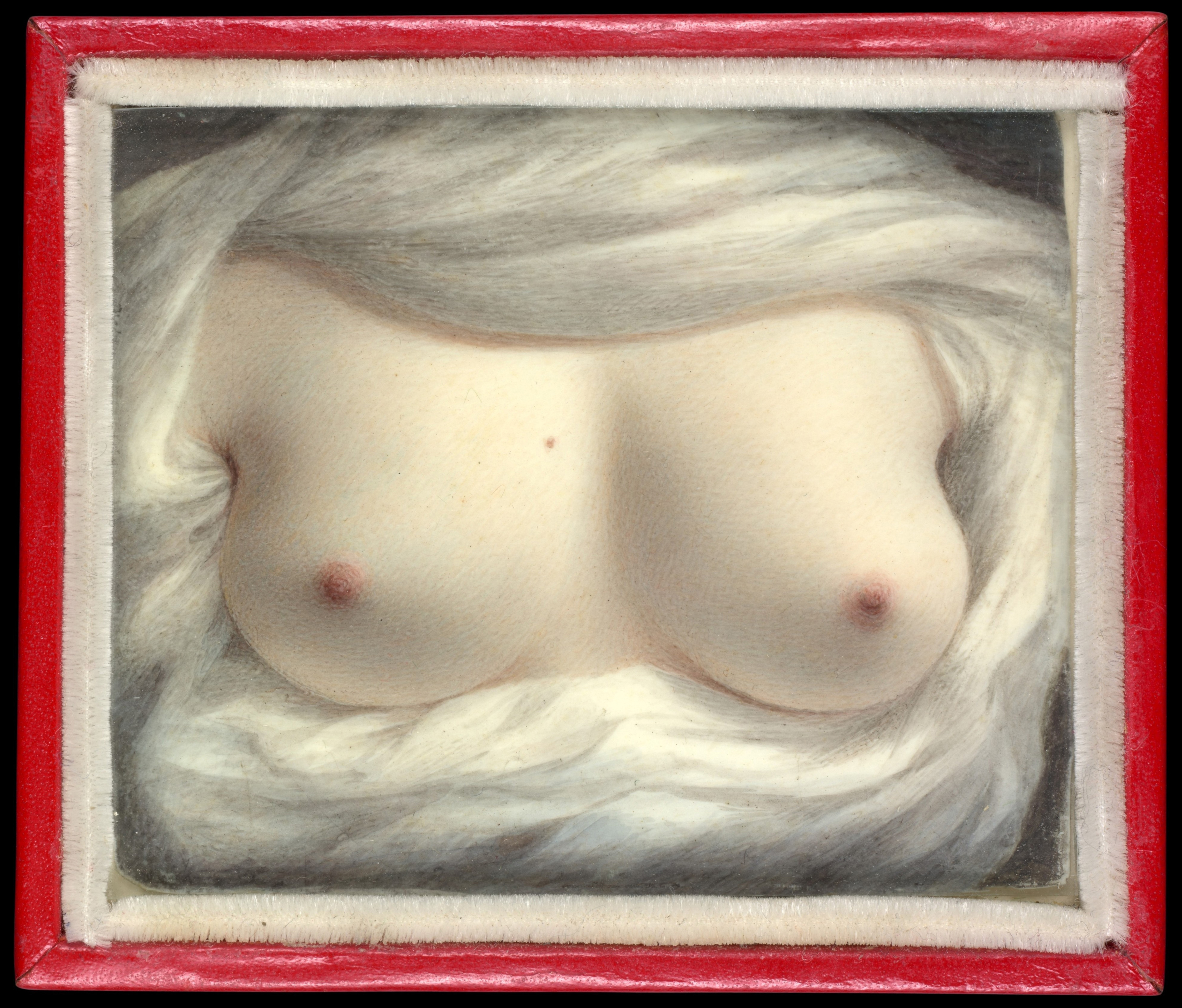
19th Century Female Self-Portraits Are Subtly Badass

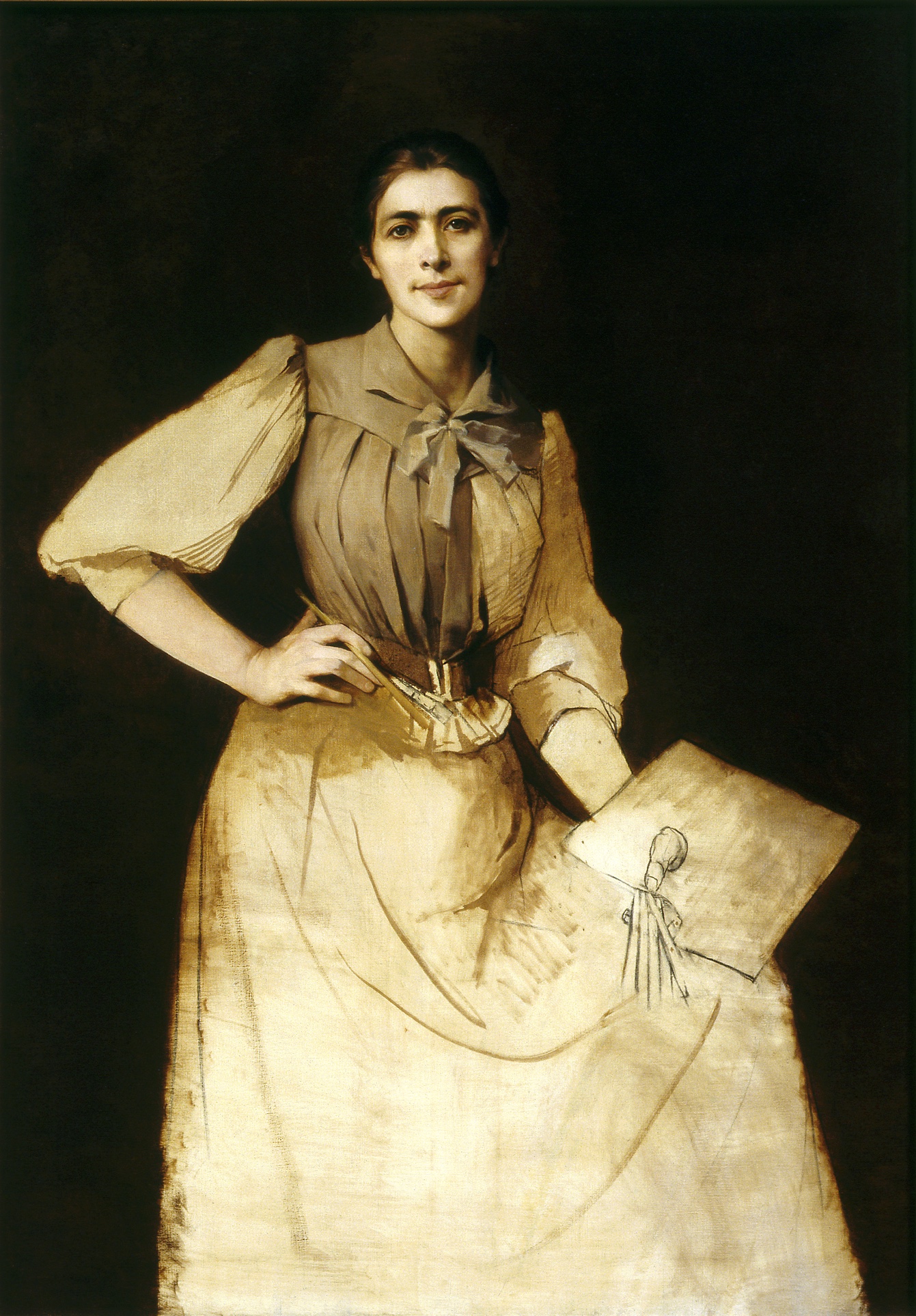
Anna Bilinska-Bohdanowicz, 1892

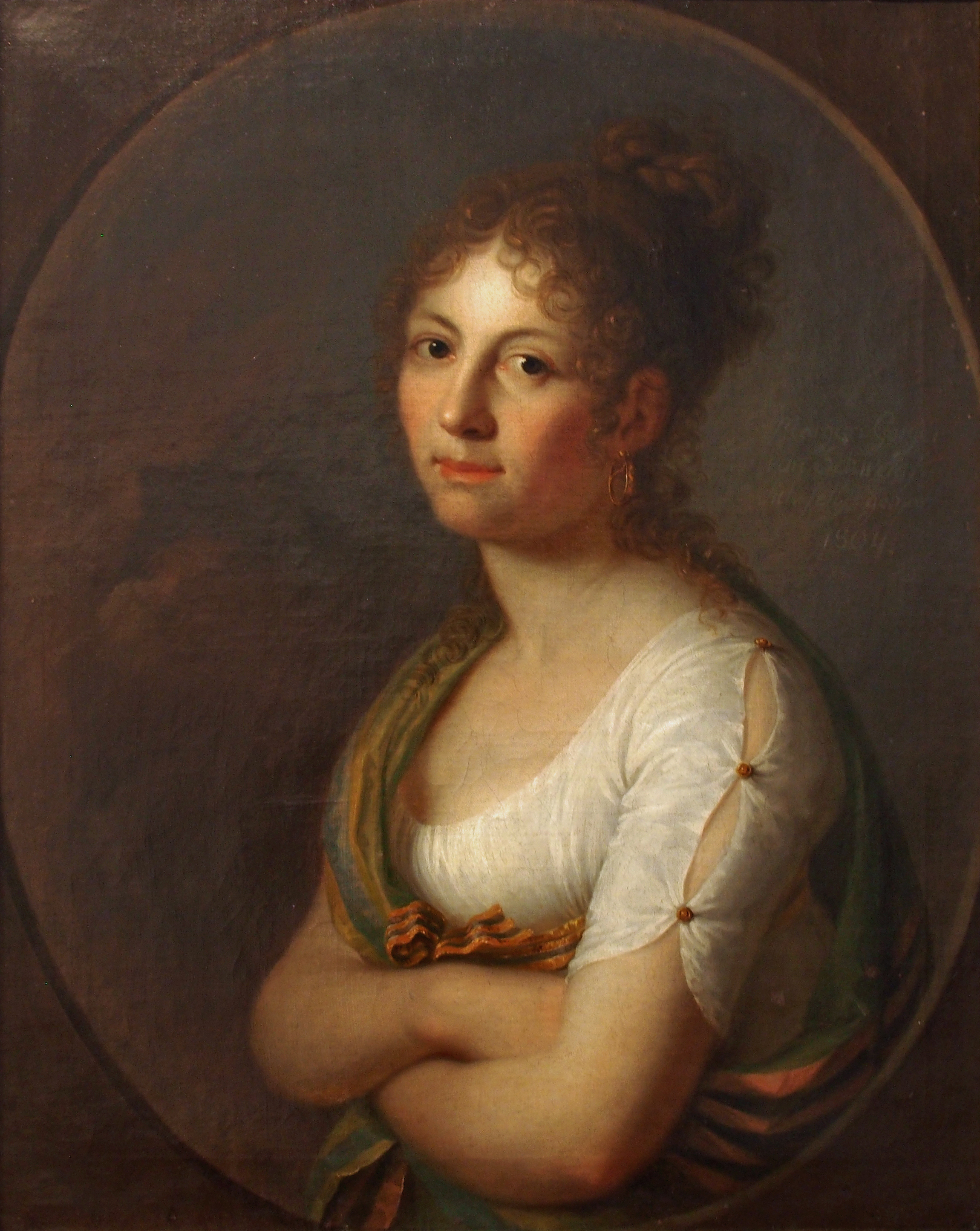
Margarethe Geiger, 1804

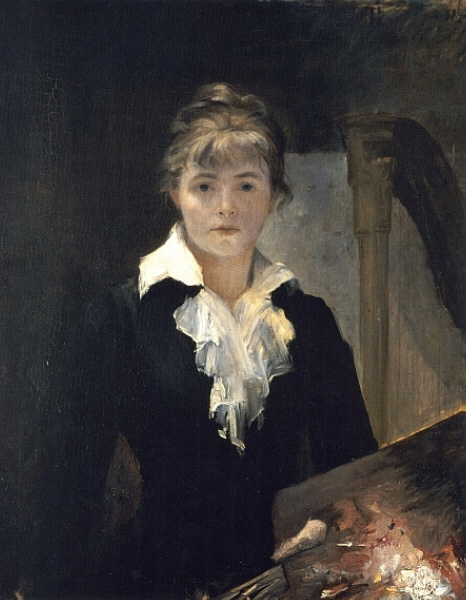
Marie Bashkirtseff, 1880

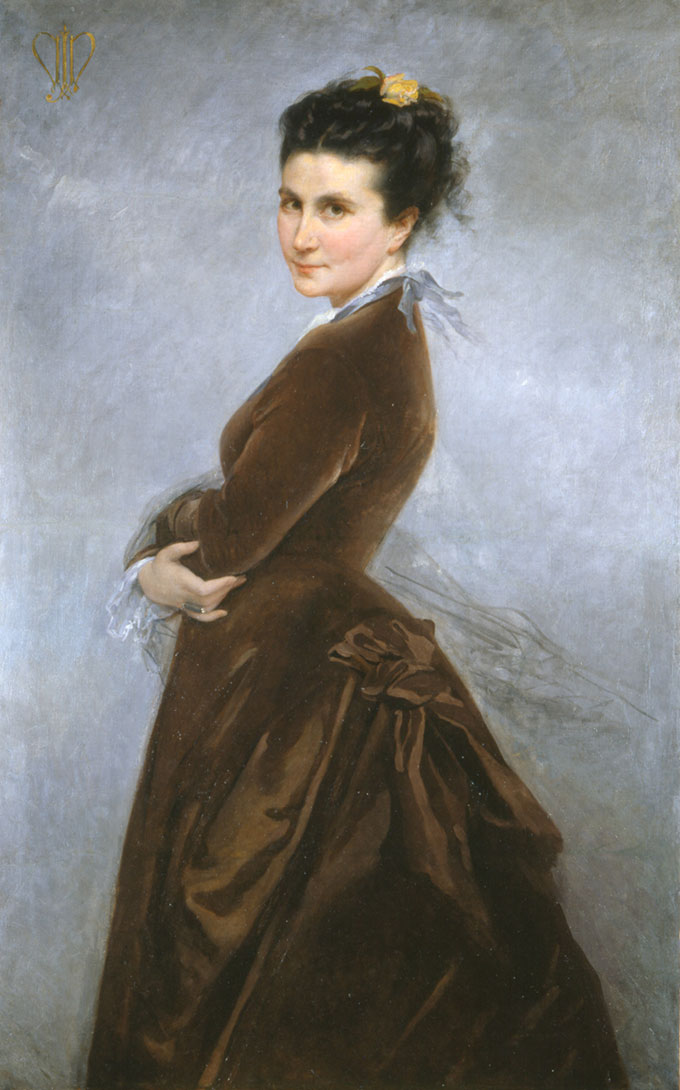
Nélie Jacquemart-André, 1880

Ivana Kobilca, 1894

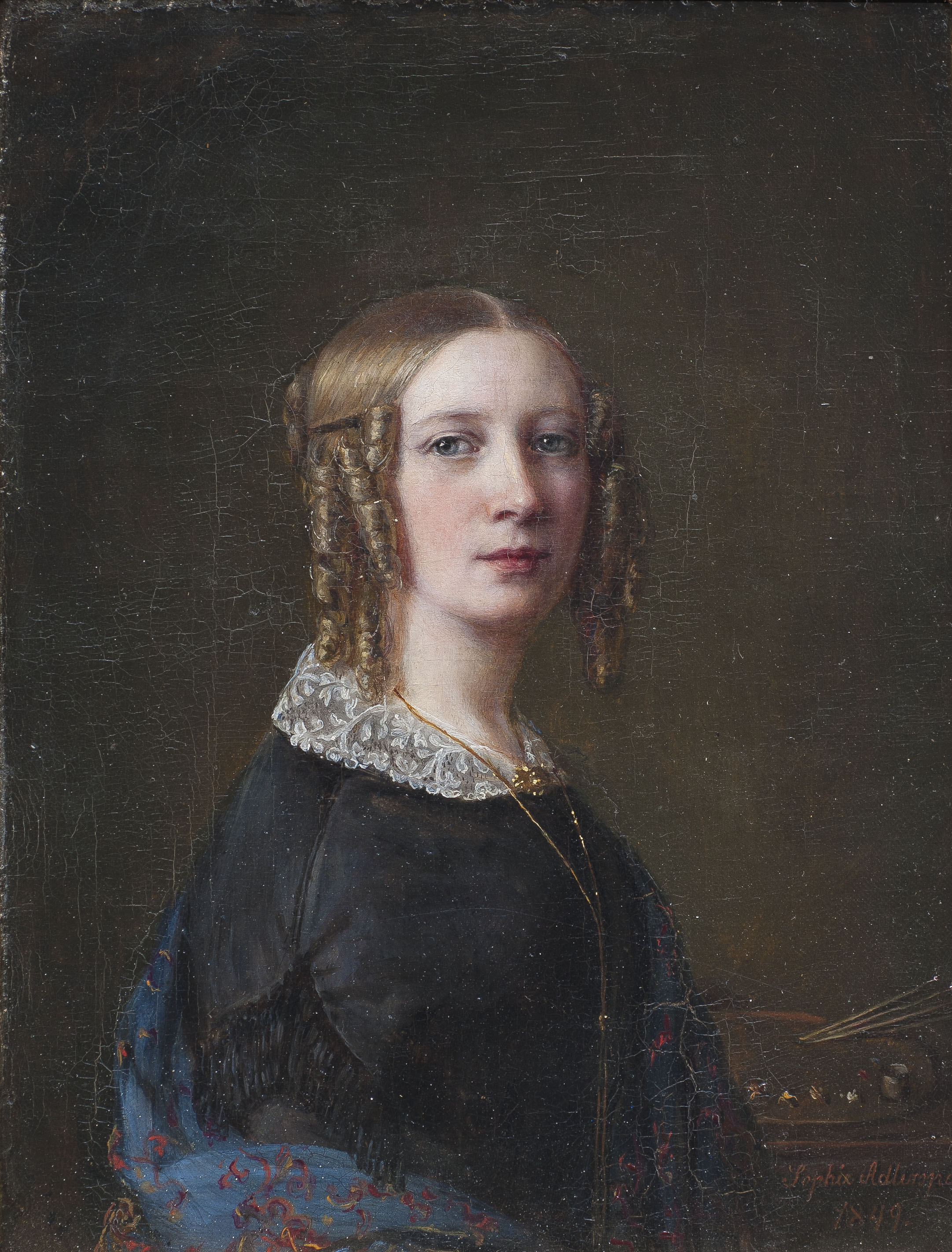
Sofia Adlersparre, 1839

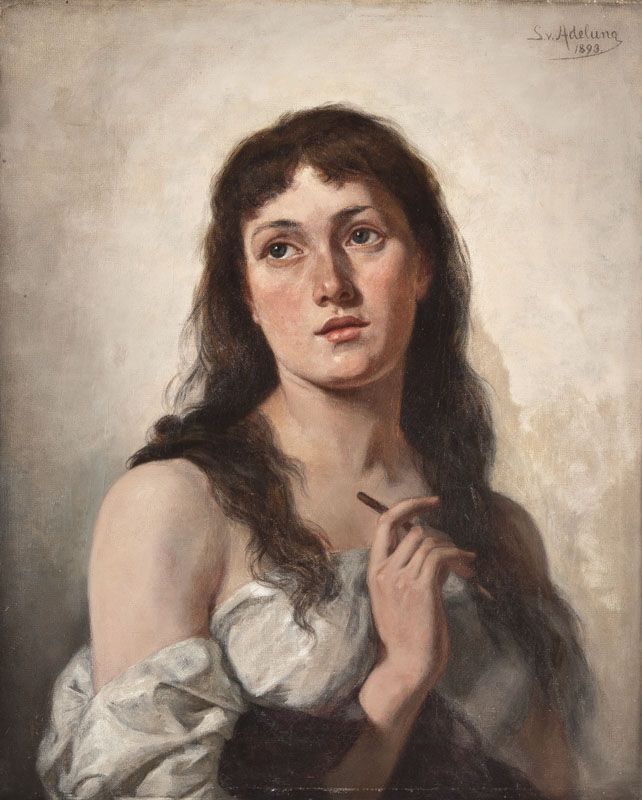
Sophie von Adelung, 1893

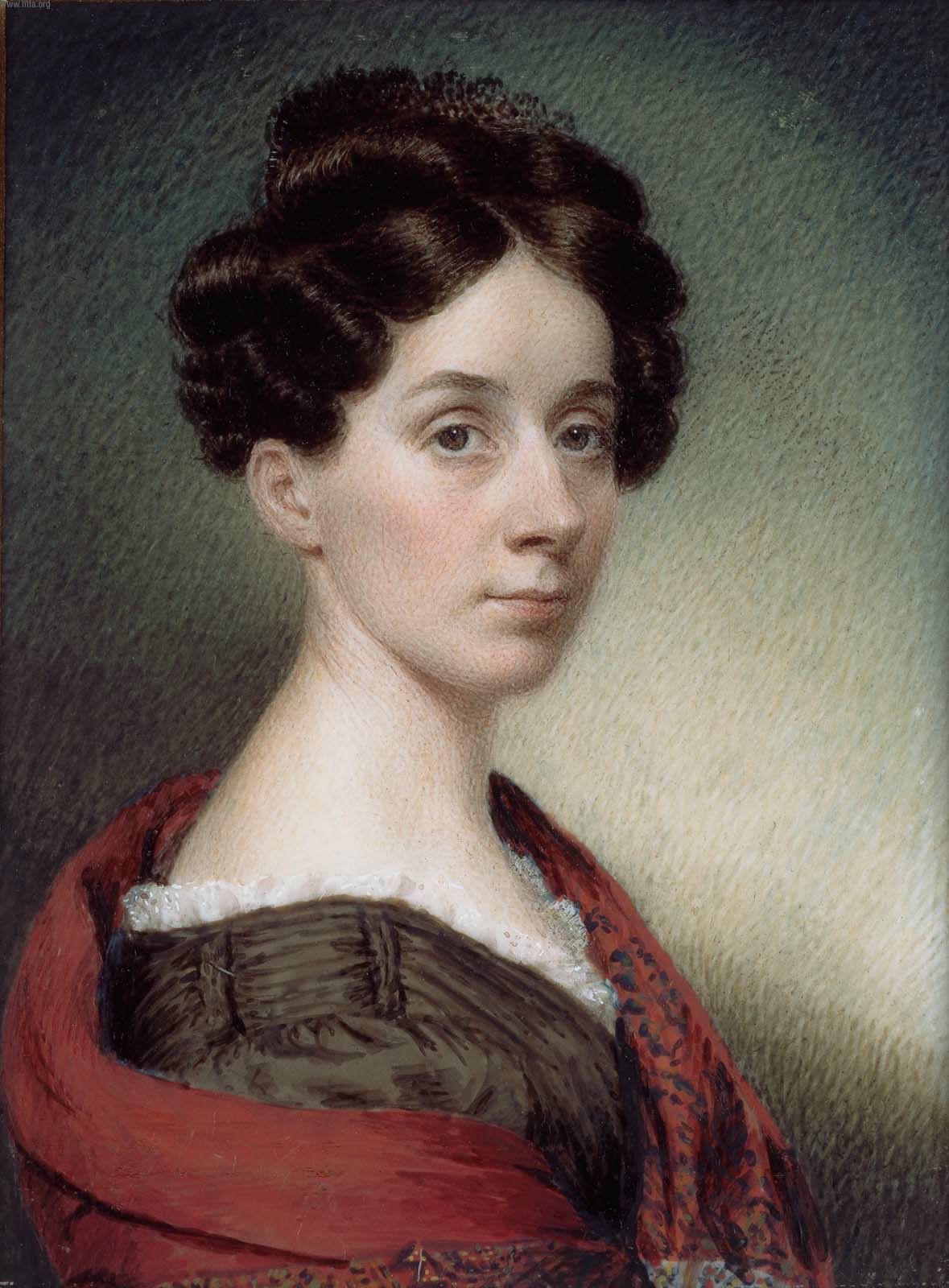
Sarah Goodridge, 1830

Anna Feldhusen, 1899

Anna Bilinska-Bohdanowicz, 1887

Sarah Goodridge, 1828

IMDB Trivia for “Hoof-Town” (2002)

One of Disney’s last traditionally animated (2-D) films, with the exception of all characters’ photorealistic CGI hands.

Ranked #5 on AFI’s 50 Most Based Movies.

A third act was completed, but cut from the final film.

Besides the nine credited screenwriters, several Disney senior managers were personally involved in rewrites well into the final week of production. This allegedly explains the otherwise incongruous exchange during the Blowhole Beach chase where Lilly and Mulligan say: “Fuck you, Brent.” “Fuck you, Christine.”

Nominated for the 2003 Best Animation or Musical Oscar, but lost to Dreamworks SKG’s “Captain Hookworm” (2002).

The first and, to date, only film produced in Disney’s proprietary 17:1 “Hyper Widescope” format. Following negative reaction in theaters, the film was heavily cropped for home video release, explaining why most action and dialogue take place offscreen.

Work on the film was fully rebooted and all prior work scrapped after one of the original directors failed to properly kowtow to chairman Jeffrey Katzenberg.

Princess Boneable was created specifically to add a new Disney Princess to the roster. She has no lines, but to date is the only Disney Princess to kick another character in the face without apparent provocation.

The running joke about Dr. Grooventein being back to “Teabag Iz’ey’s balls” was not scripted, but the result of clever audio editing around David Ogden Stiers’ constant improvisational muttering in the recording booth, often over other actors’ lines. No one named “Iz’ey” appears in the script, nor is Ogden Steirs known to have been officially hired for the film.

Body count: 56, and one undead boat.

According to co-co-Director Sam Marshall, Lilly Pikachu is not a fox but an Antarctic explorer from the human world in an elaborate, anatomically-correct costume.

Held the record for most co-directors on any Disney film at 18. (Soon bested by “Salmon” (2004) with 93.)

Most of the artists with traditional hand drawing skills were fired as production neared completion, often forcefully while still at work. See Goofs: Sudden vertical lines/characters disappearing.

The song “Suck My Kiss” was later recorded by the Red Hot Chili Peppers.

Produced under the title “Tuesday I’m Eating” as a lower cost “B” project alongside the  expected box office smash then titled “Hoof Town.” When the original “Hoof Town” performed poorly, the titles were switched to the confusion of most moviegoers, in order to chalk it up as a win on quarterly financial statements. (The original “Hoof Town” was later released on home video as “Monkey Spanks: Private Eye”.) This explains why neither a single hoofed animal nor a town appear in the film.

Drew the ire of many Conservative Christian parents’ groups for being a movie.

Feature film debut of singer Sasha Turpworth. Turpworth was discovered at a dick sucking contest in Miami Beach, FL.

As a result of contractual obligations and poor timing, the requisite Broadway adaptation opened the same day as the theatrical release, resulting in an infinite recursion of royalty payments between the two Disney divisions. Still ongoing to this day, these payments make it both the highest grossing and greatest financial loss of any Disney film.

First bulimic character in a Disney animated movie. (“Herbie: Fully Loaded” was a live-action film.)

Foreign titles: “Animal Feet Amok” (France), “The Wacky Animal Village” (Germany), “Hoofs: Being an Exploration of Numerous Amusing Things That Happen to Several Anthropomorphized Animals Near a Somewhat Tasteful Bus Depot” (Brazil), “Tits” (Finland).

Howard Pauls, key animator on Spunky Sally, has not been seen by any current member of the Walt Disney animation staff. The last of Walt’s famed Nine Old Men, Pauls exchanges work through a gap under his locked office door. Some suspect he is long dead and it is the room itself producing the drawings.

“Truundelhorn” is a real brand of Hungarian truck, although they have not been sold with anti-Semitic slogans on the hood since 1993.

Similarities have been noted between the plot and that of Virginia Woolf’s “To the Lighthouse,” in that neither has one.

Roger Ebert admitted that he was high on mushrooms while reviewing the film, but did not feel it altered his opinion meaningfully.

Julia Louis-Dreyfus delivers the second-longest racist tirade by a former “Seinfeld” cast member in a Disney movie, and the third longest in any animated movie. (See Trivia for “The Hunchback of Notre Dame” (1996) and “Bee Movie” (2007).)

Musician Morrissey was brought in to give the film “some indy cred,” but was replaced by Alan Menkin when it was realized Morrissey had died in Paris in 1998. He was not rehired when it was discovered that he had not died in Paris in 1998.

Reunites actresses Annie Potts and Elizabeth Perkins for the first time since “Lesbian Sorority Blood Inferno Part 5” (1982).

Hidden Mickey: Beneath the word “SEX” in the underwater rave scene.

David Schramm recorded all of the lines for Based Barry in March of 2001, before being ordered whacked by Disney management in November of that year. Reginald VelJohnson was brought in as a last-minute replacement.

George Clooney, David Thewlis, George C. Scott, William H. Macy and Linda Carter were all considered for the role of the ottoman.

Daveigh Chase, Colm Meaney, Nicolas Refn and Jaden Smith were all considered for the role of Peter Pubgoer, which eventually went to all of them.

The 8 Worst Web Design Trends of 2016

Here’s your listicle.

1. Hey! Sign Up For Our Fucking Mailing List!

It’s a popup ad. In 2016. It’s a fucking popup ad, in fucking 2016. I mean, it’s… fuck. Just fuck.

What is the matter with you people? I don’t fucking want that. If I did I’d fucking find it–probably in the fucking sidebar, where I still don’t fucking want it. I’ve been on your site for three seconds and now you think I want fucking email updates? Aren’t we getting along nicely. I don’t even know what your fucking site is about yet.

Oh, did she say that–that it’d increase engagement, or some equally vague drivel?  You need to turn the firehose on your SEO person. She needs to feel that pain that we have felt.

I mean… In 2016… Just fuck!

(And yes, I realize your SEO person hadn’t even been born when we won the first holy war against popups, but… just…)

2. Fuck Your Back Button

We live in a Dark Age of the back button. Shitty things happen when AJAX is given to children.

To wit: Ooh, that looks interesting. Click. Oh, no, it isn’t. Click back.

Wait, why am I at the top of the page again? I just scrolled through half a mile of posts! How am I supposed to find where I was again? Why am I supposed to find where I was again? If only I had a computer to automate this sort of manual labor for me.

It’s one thing when a Tumblr skin does it, because we don’t expect much from MySpace 2.0 (and we probably shouldn’t be looking at porn at work anyway) but the official WordPress themes gallery? Get it together.

And on a related note…

3. IJSF — It Just Scrolls Forever

Hyperlinks are so Gopher. OMG. So is saying OMG. (I’m just doing it ironically. I’m also being ironic totally ironically. So grunge!)

And the best part is, since everyone will expect the different pages to be on, like, different pages, I’ll put a little animated “down” arrow in, so that they know they have to scroll down. And I’ll slow down the scrolling with acceleration/deceleration animation for no good reason. It’ll be so klinkenborg!

What, you don’t know what klinkenborg means?

Gawd, Dad! This is why Mom left you.

4. Parallax Scrolling

This was cute for about 5 minutes. Along with the whole neat little razor nicks in the nylons thing. For about the same length of time. In about the same year.

5. The Hamburger Menu

Yes, we have devised an entirely self-referential skeuomorph. It’s a menu that references… a menu. Clap for we. One more thing for your mom not to understand to click on. One more thing for you to click on, because some waxed beard didn’t want his precious 10th free stock photo cluttered with anything even remotely useful. Web design for people with their heads entirely up their asses.

6. Video Ads/Background Video/Autoplaying Video

I’m wasting your bandwidth, la lala la lala! Woo! Oh, you’re on your phone? I’m grandfathered into Verizon! I’m in Europe! I’m an overpaid marketing prick–I don’t care how much I spend on mobile data! Peons gonna peon!

It was bad enough when sites started loading 5MB of useless JavaScript. (Oh, did you minify it? Thanks kid.) Now they’re expecting us to pull down ten times as much crap per pageload. Advertising wankers (sorry, “marketing wankers”) bitch and moan about us all installing ad blockers, without taking responsibility for their own shitty decisions that make it de rigueur. We didn’t start this war, but if we have to win on casualties, we will.

7. Image Rotators

Face it: The web is a pull technology, like a book, not a push technology, like television. Pithier? The web is not tv. A website is a place that invites a visitor to explore it, not an active entity that pushes the experience at her. (Hence “site.”) I know you want to highlight more content in the same space but–and this is very hard to accept–the image rotator simply makes the site busier and more distracting, discouraging the user from exploring it. Counter-intuitive? Welcome to reality.

Try it yourself, as an end-user. You’ll understand. I’m not even swearing at you.

8. It Must Be Flatter!

By 2020 will come victory. Every website will be a single bold, subtle, surprising, retro, professional, unusual or dick pic-sampled color. You will read sites by copying at random and pasting into a text editor.

Bonus

Find a half-decent WordPress theme that doesn’t commit any, or indeed most of these sins. Feel free to make a rudimentary Bingo card. The relaunched STP runs on Lavish, which is the closest I could get.

Academic Art is a Guilty Pleasure

Academic Art: The Adult Contemporary of fine art.

Strip the striving out of Romanticism, the fear out of Symbolism, and this is what you get. Endless Joans of Arc, Opheliae, Venuses. Putti, cupids and angels. Nudes. Sentimentalism.

Note the awkward, static poses of Academic art. Any pretext for nudity. There’s a reason this movement fell out of favor. (But are Schiele‘s sneering portraits of his own corrupted harem any more pure as art for having their beauty removed?)

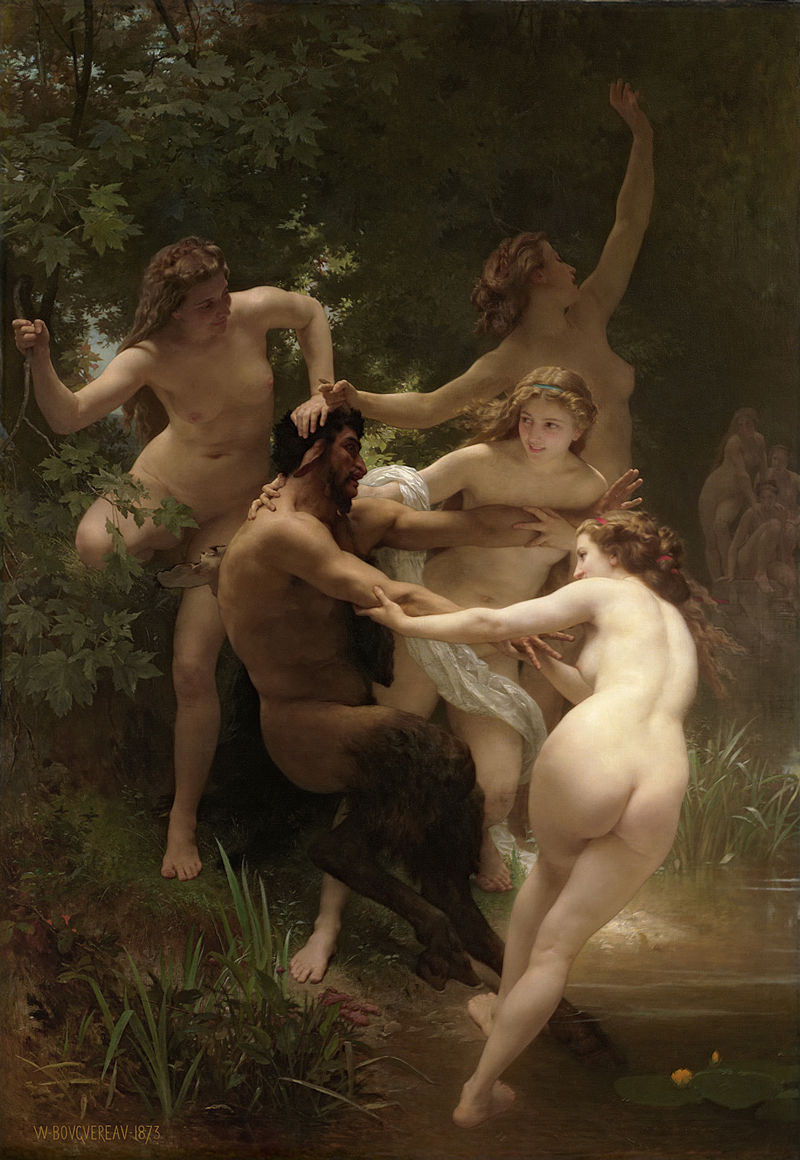
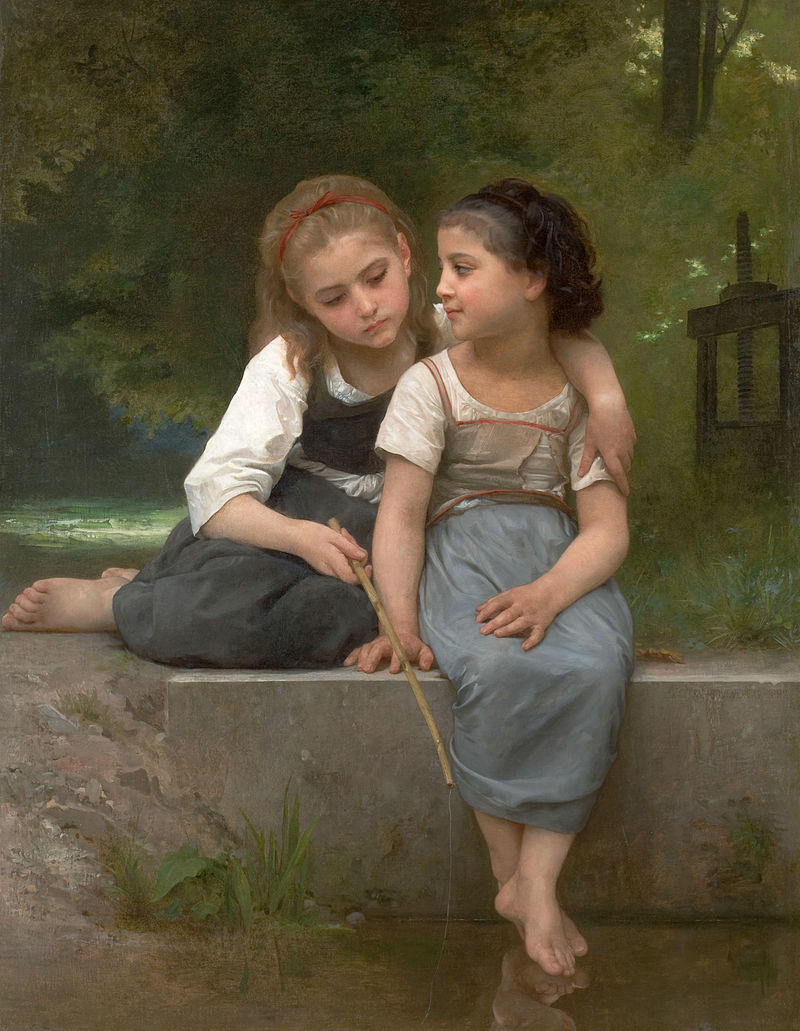
Note Bouguereau’s almost paternal use of the same models sometimes for decades: the same faces appearing on children, youths, mothers, lending his work a hint of something deeper than critic-pleasing cheesecake.

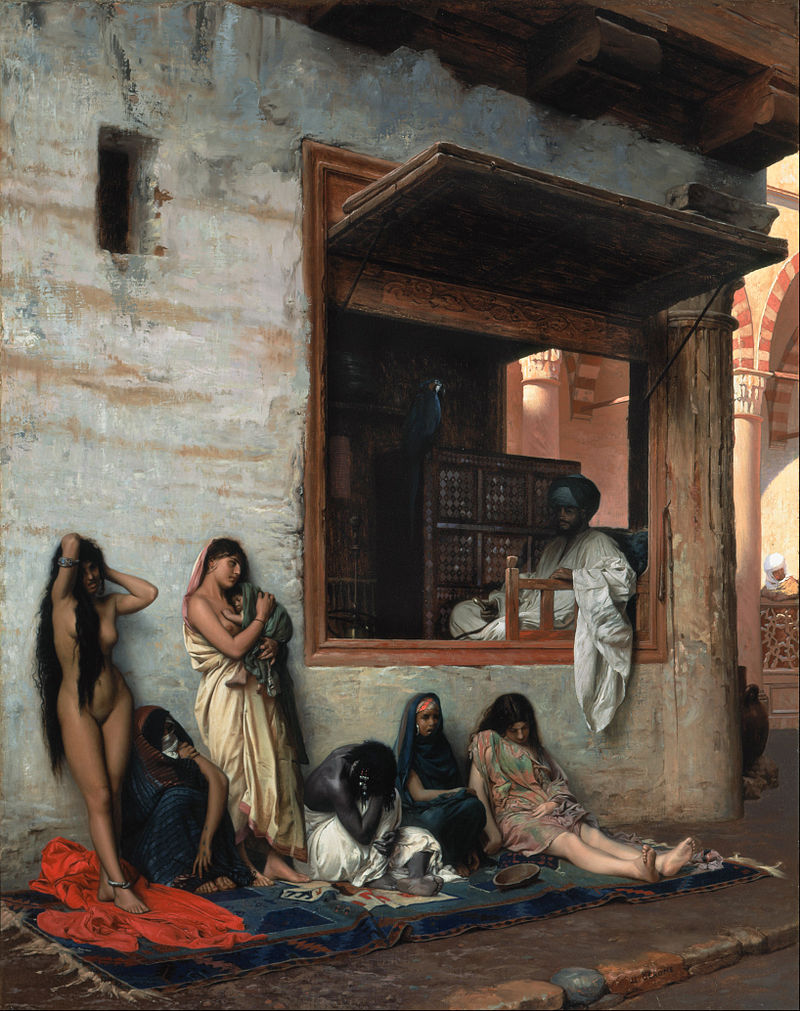
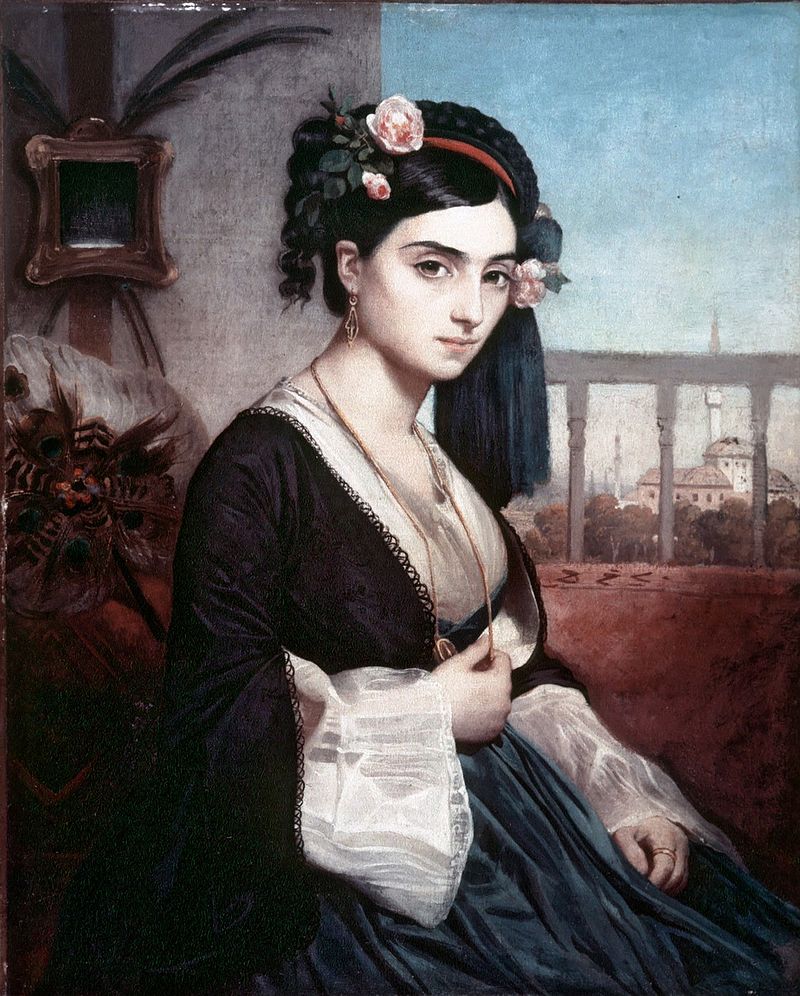
How hard do you come down on Orientalism? No matter how bubbled the glass, it remains a looking outward, a fascination with Otherness. Darkly will be glimpsed our dreams–sweet, cruel, lascivious, and all three–but we look only to be looked back upon. Gleyre’s Persian girl still fixes us in the gaze of an undeniable humanity.

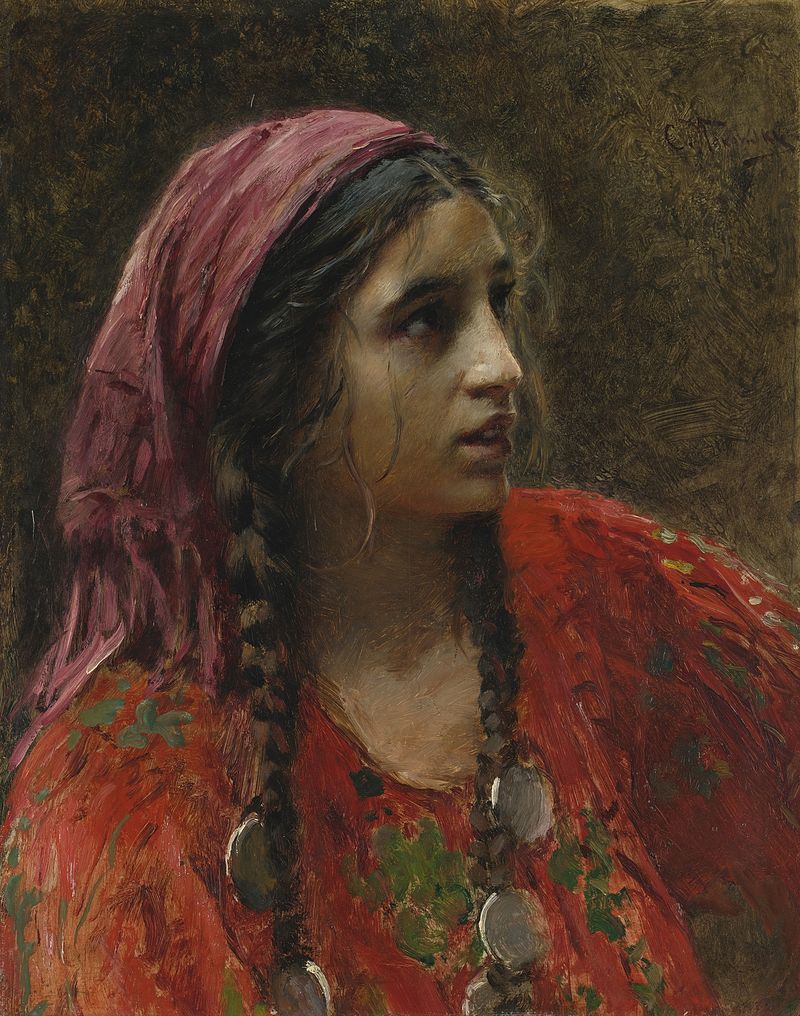
Is there an opposite to Orientalism? Peasant fascination in Academic Art tends to represent only the dream of Arcadia, not any deeper social conscience. (But then there’s Makovsky’s gypsy.)

You know Arcadia. It’s there behind the bluetooth headphones Starbucks paperboard the stab of parking car headlights 69 megapascals of compressive force darkened glass bad music discount raincoat soap as an offensive perfume and cologne as an offensive weapon some girl life moving around you where are you going why have you been that person you should text her you should text her blue asshole lights in the rain darkness glistening like surgical instruments and the dream of Arcadia.

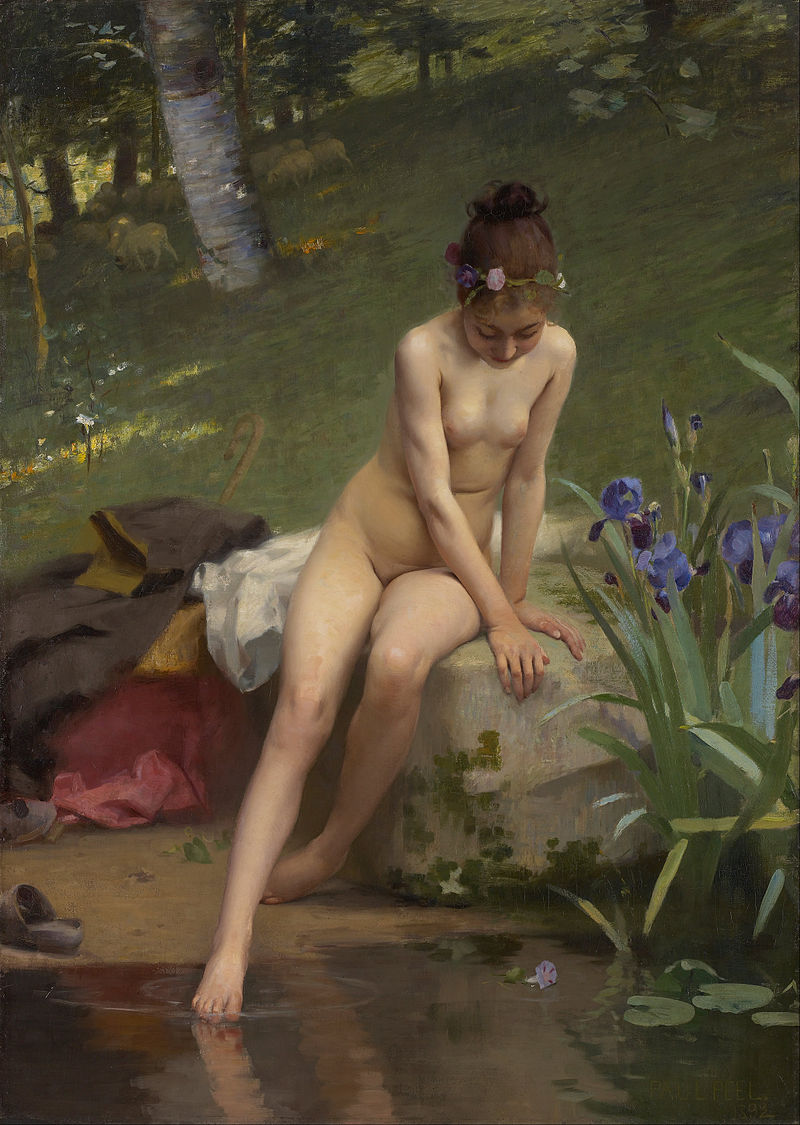
Imagine Peel’s juvenile shepherdess as a photograph leaked onto the internet. Is it any wonder that the soft simplicity of the dream still speaks to us?

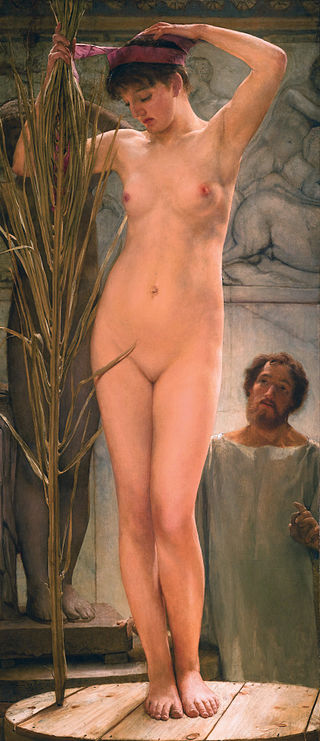
Lawrence Alma-Tadema "A Sculptor's Model"
Lawrence Alma-Tadema “A Sculptor’s Model”

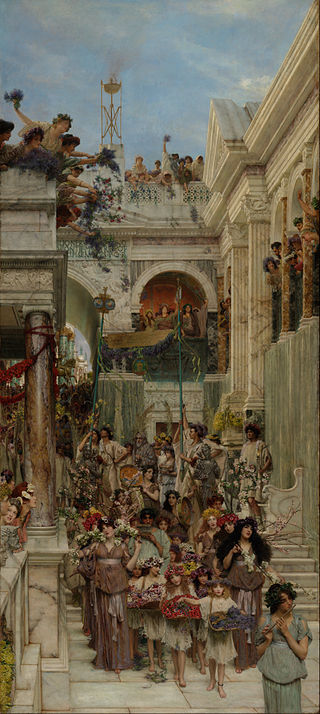
Lawrence Alma-Tadema "Spring"
Lawrence Alma-Tadema “Spring”

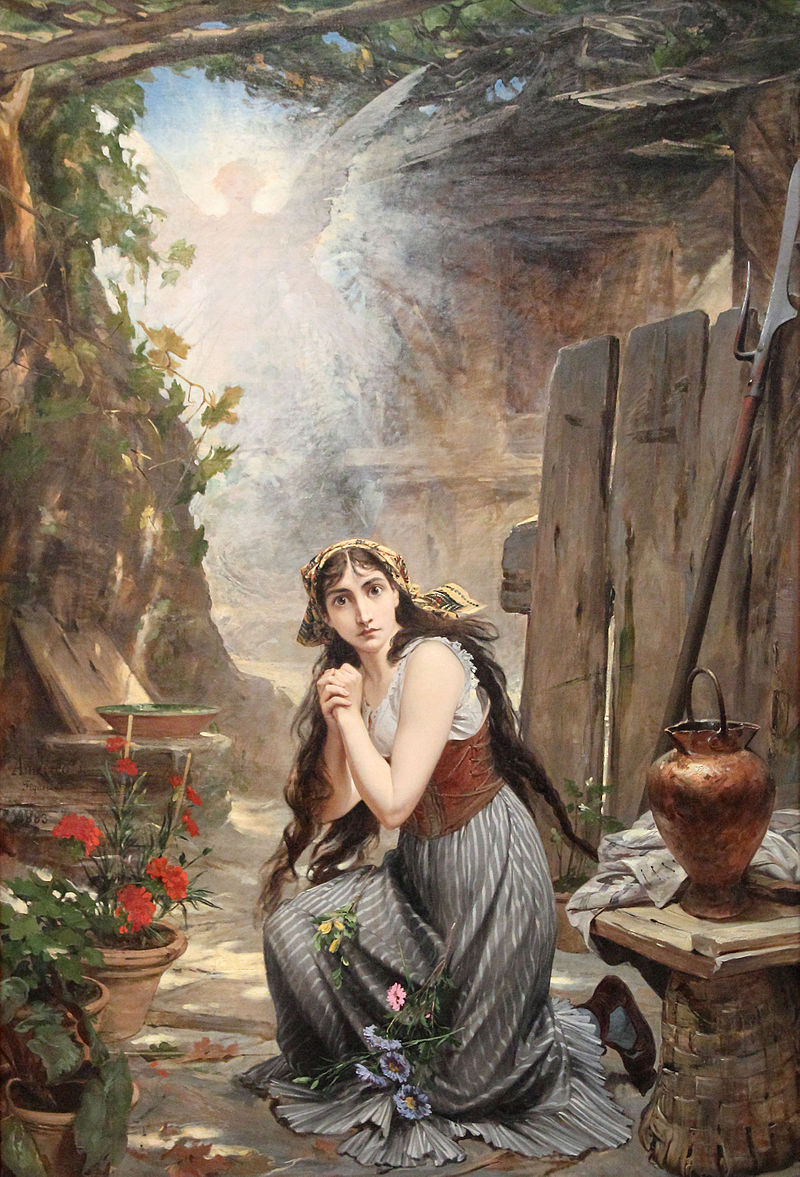
Pedro Américo "Joan of Arc"
Pedro Américo “Joan of Arc”

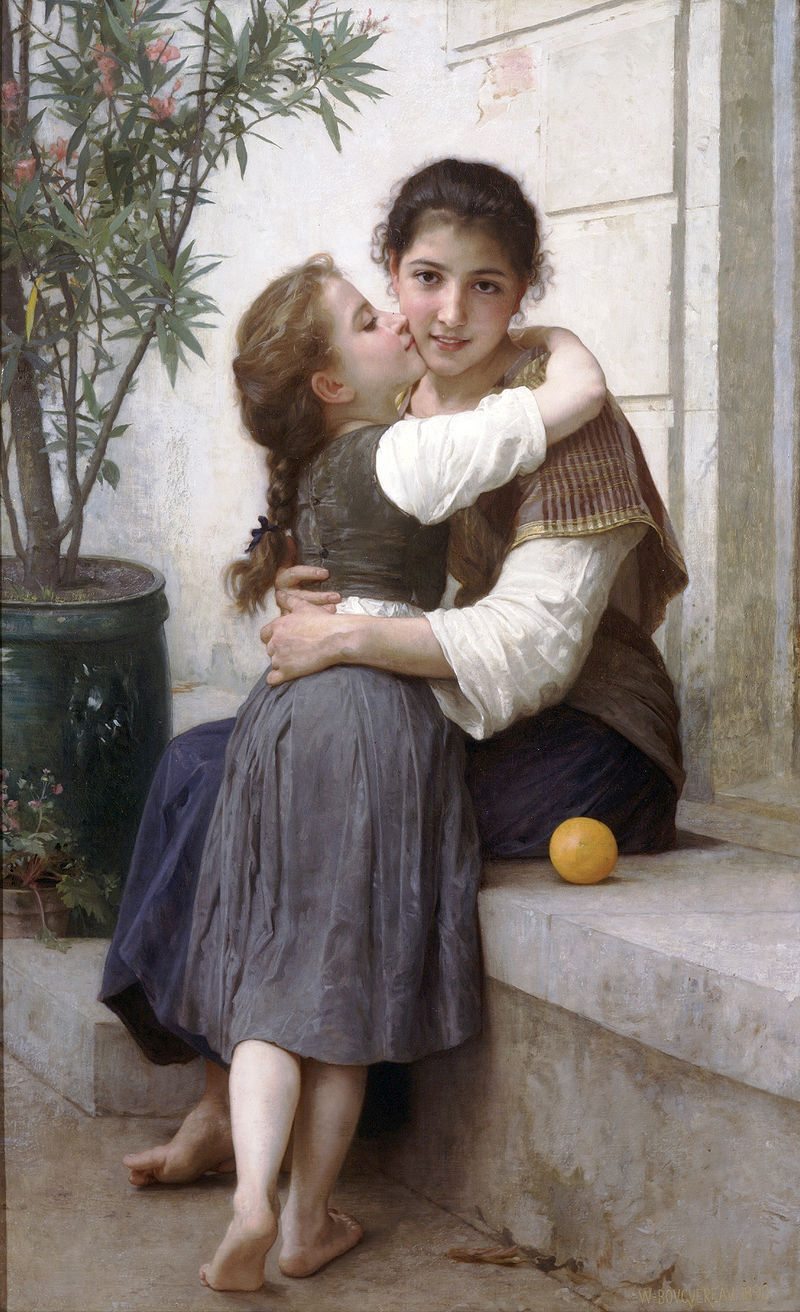
William-Adolphe Bouguereau "A Little Coaxing" (1890)
William-Adolphe Bouguereau “A Little Coaxing” (1890)

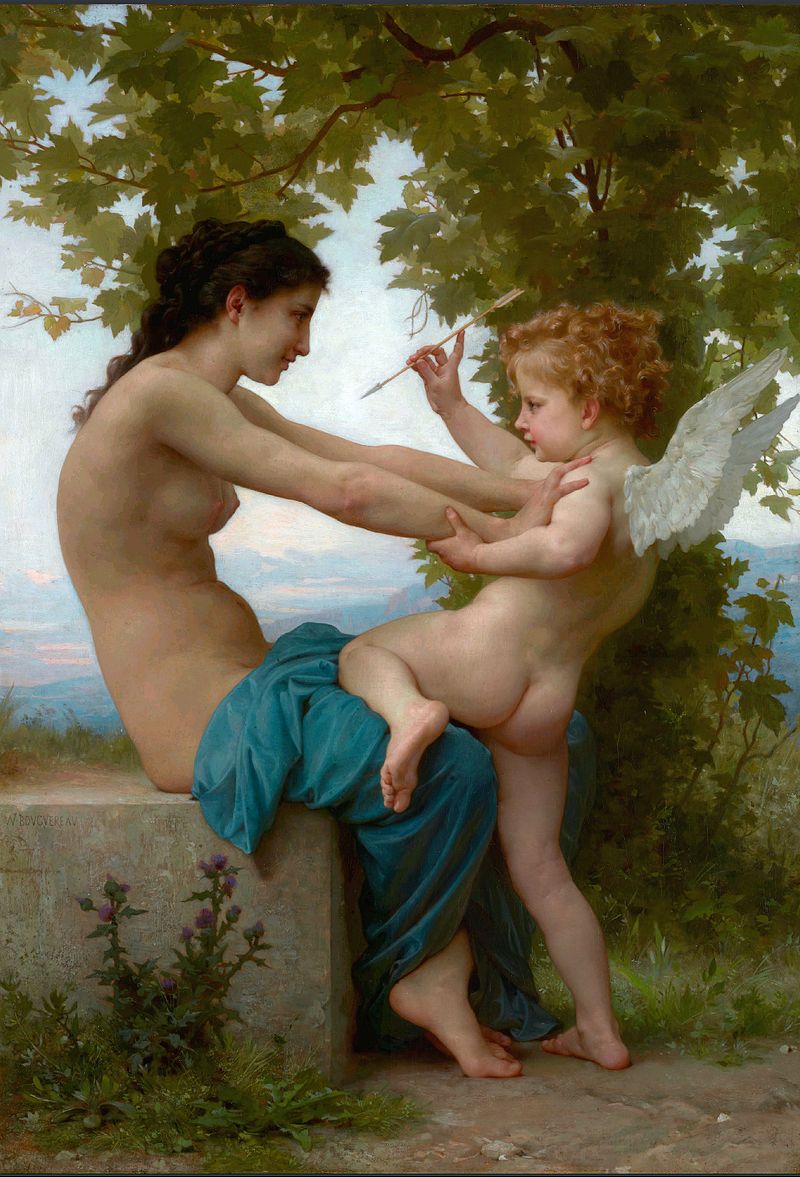
William-Adolphe Bouguereau "A Young Girl Defending Herself Against Eros" (1880)
William-Adolphe Bouguereau “A Young Girl Defending Herself Against Eros” (1880)

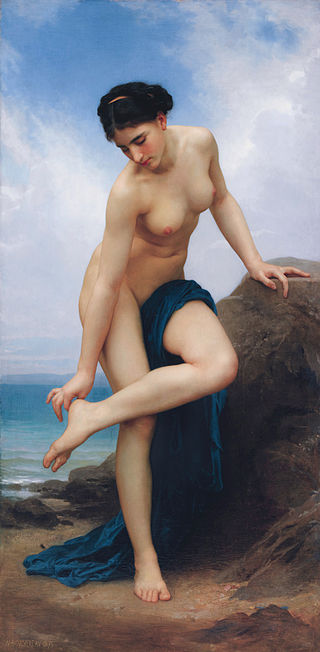
William-Adolphe Bouguereau "After the Bath" (1875)
William-Adolphe Bouguereau “After the Bath” (1875)

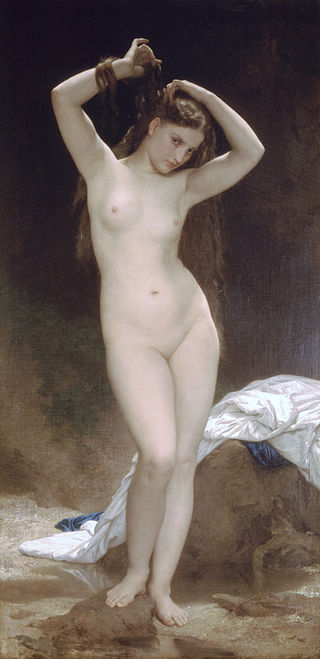
William-Adolphe Bouguereau "Bather" (1870)
William-Adolphe Bouguereau “Bather” (1870)

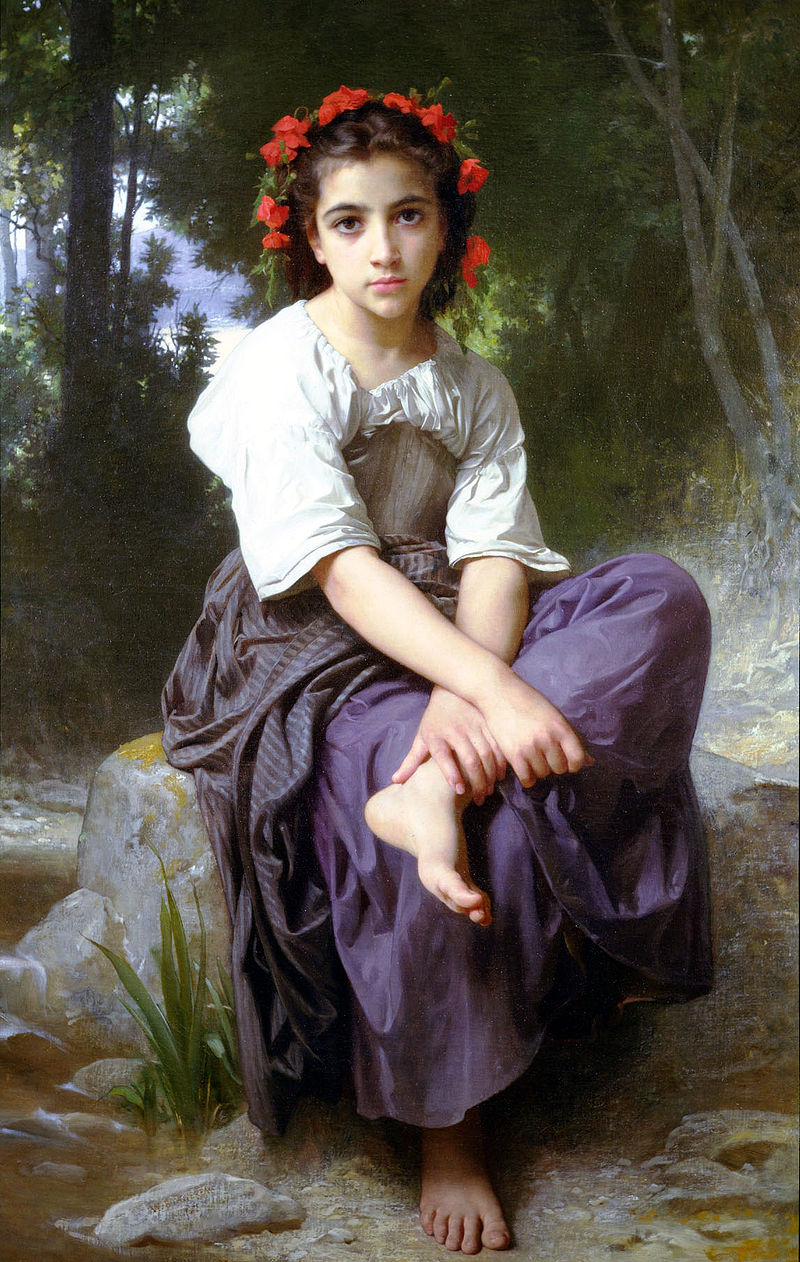
William-Adolphe Bouguereau "At the Edge of the Brook" (1875)
William-Adolphe Bouguereau “At the Edge of the Brook” (1875)

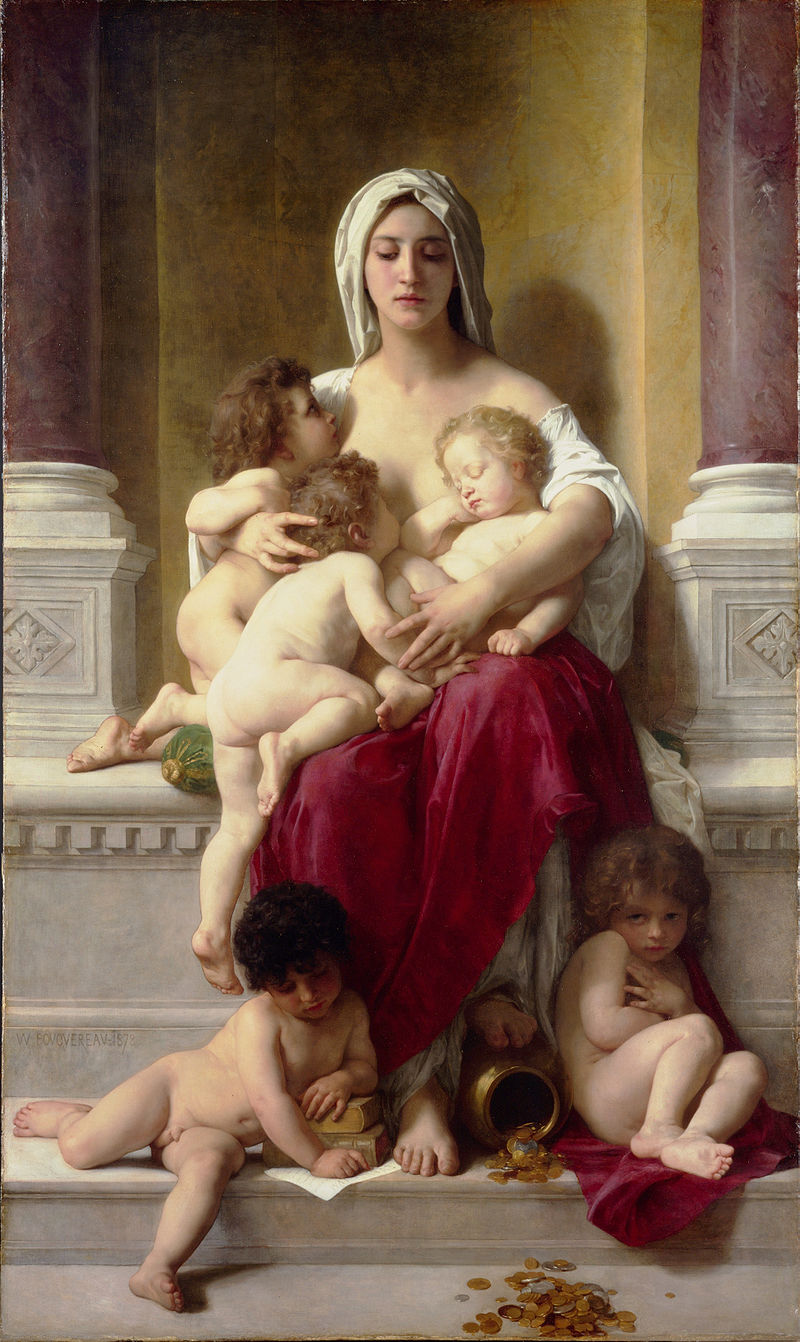
William-Adolphe Bouguereau "Charity" (1878)
William-Adolphe Bouguereau “Charity” (1878)

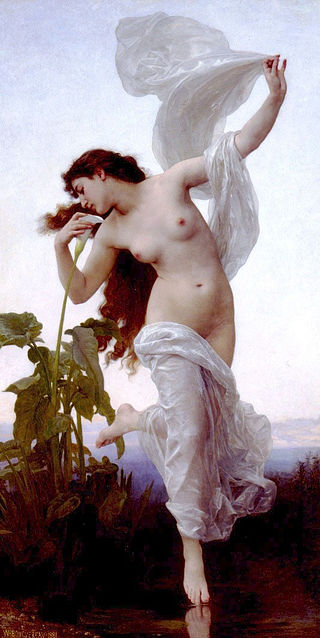
William-Adolphe Bouguereau "Dawn" (1881)
William-Adolphe Bouguereau “Dawn” (1881)

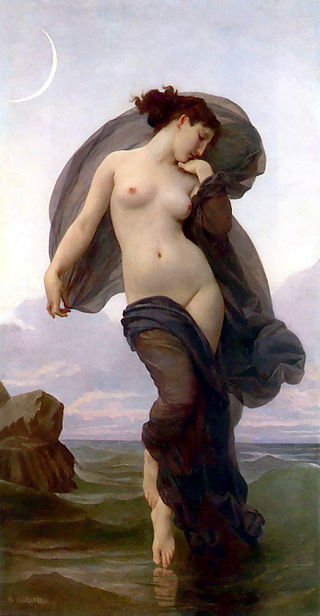
William-Adolphe Bouguereau "Evening Mood" (1882)
William-Adolphe Bouguereau “Evening Mood” (1882)

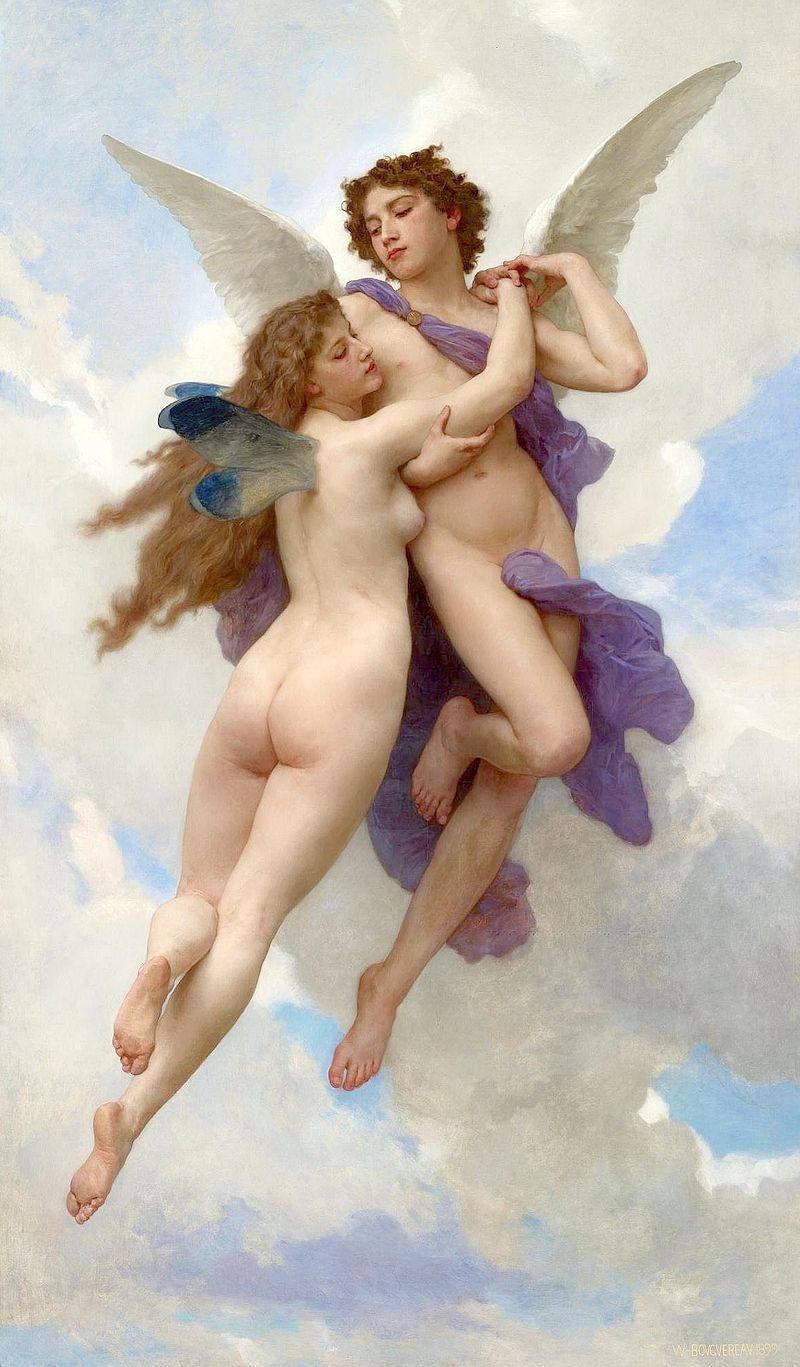
William-Adolphe Bouguereau "L'Amour et Psych" (1899)
William-Adolphe Bouguereau “L’Amour et Psych” (1899)

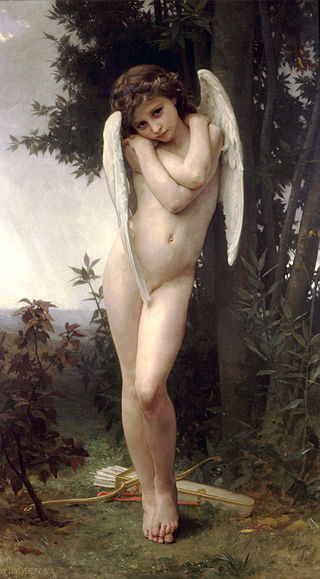
William-Adolphe Bouguereau "L'Amour Mouille"
William-Adolphe Bouguereau “L’Amour Mouille”

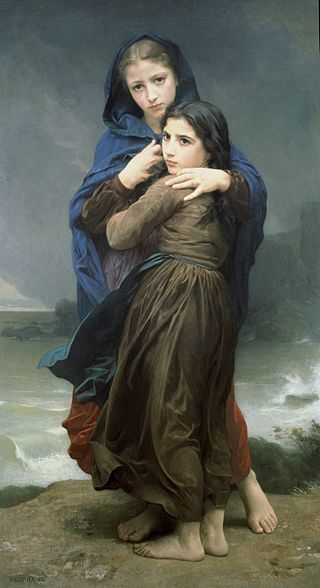
William-Adolphe Bouguereau "L'Orage" (1874)
William-Adolphe Bouguereau “L’Orage” (1874)

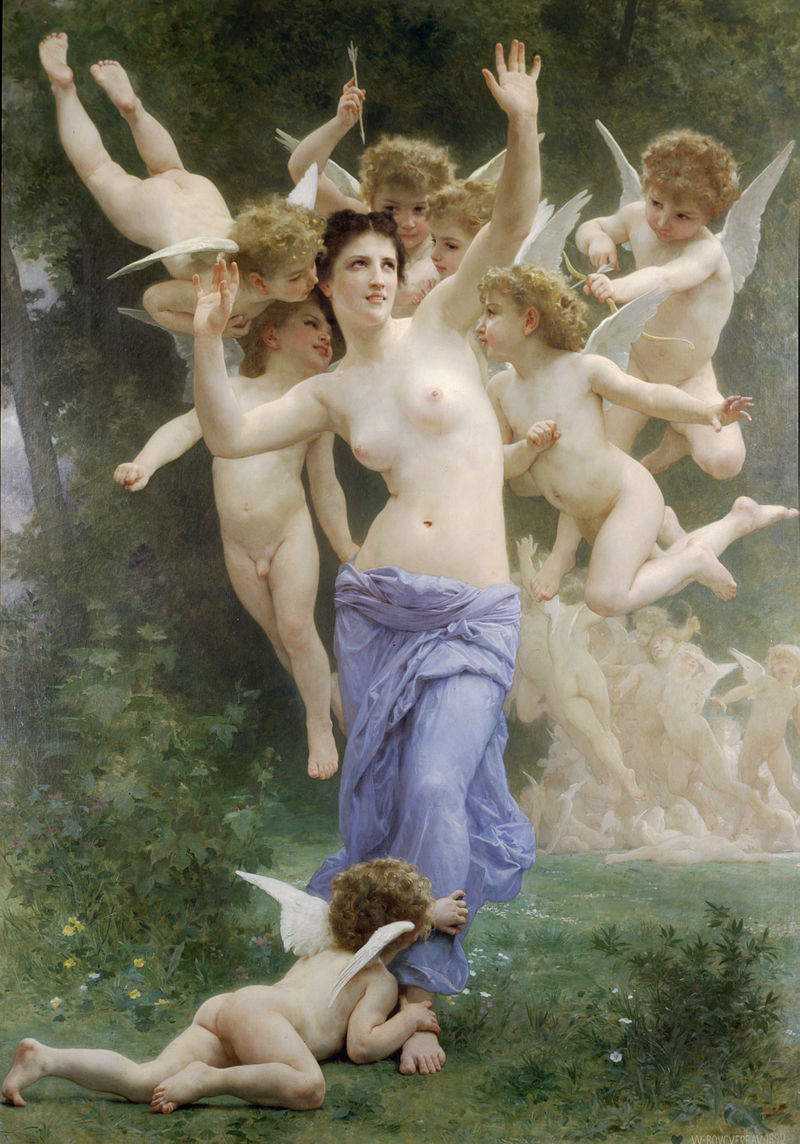
William-Adolphe Bouguereau "Le Guêpier" (1892)
William-Adolphe Bouguereau “Le Guêpier” (1892)

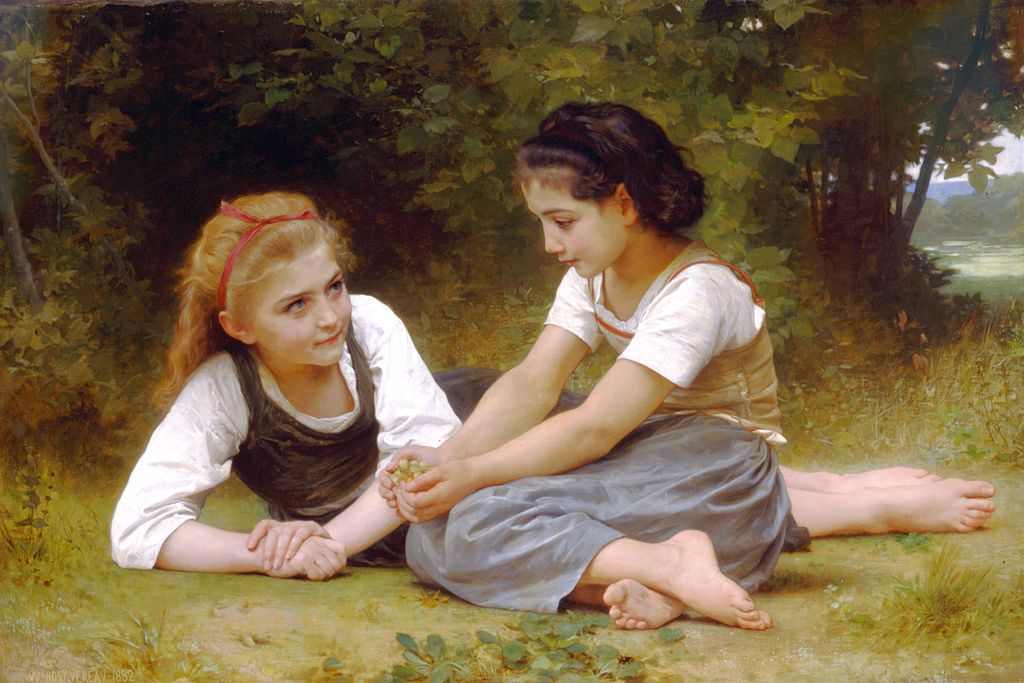
William-Adolphe Bouguereau "Les noisettes"
William-Adolphe Bouguereau “Les noisettes”

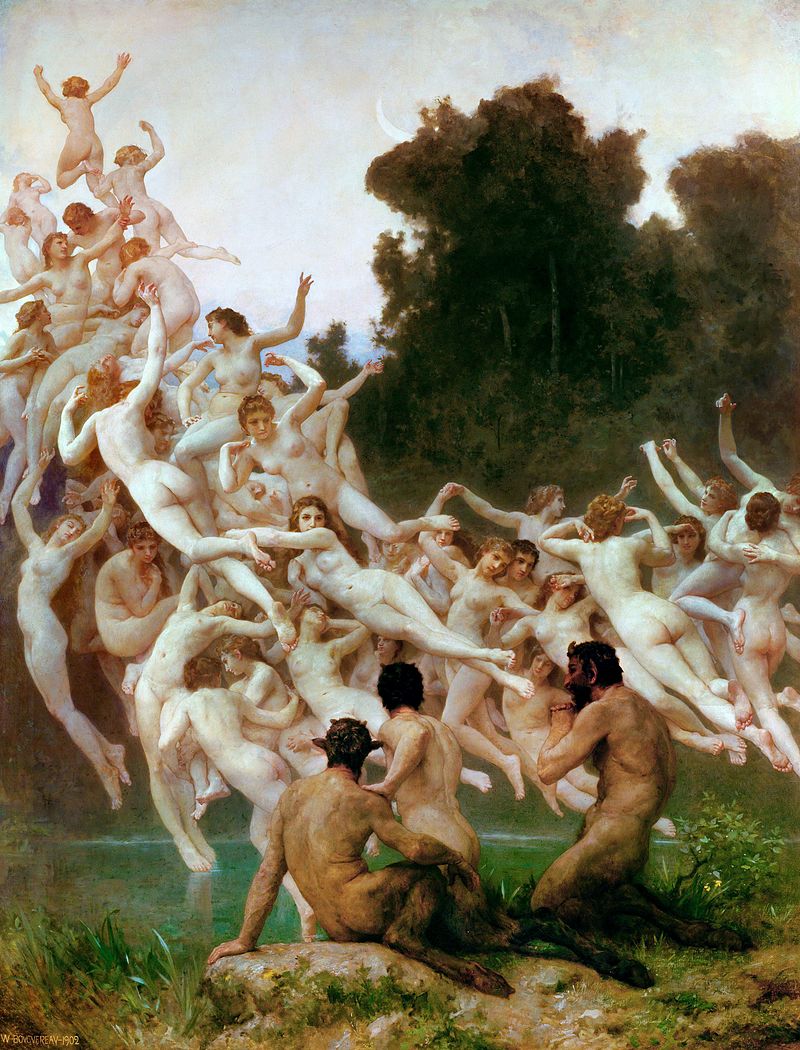
William-Adolphe Bouguereau "Les Oreades" (1902)
William-Adolphe Bouguereau “Les Oreades” (1902)

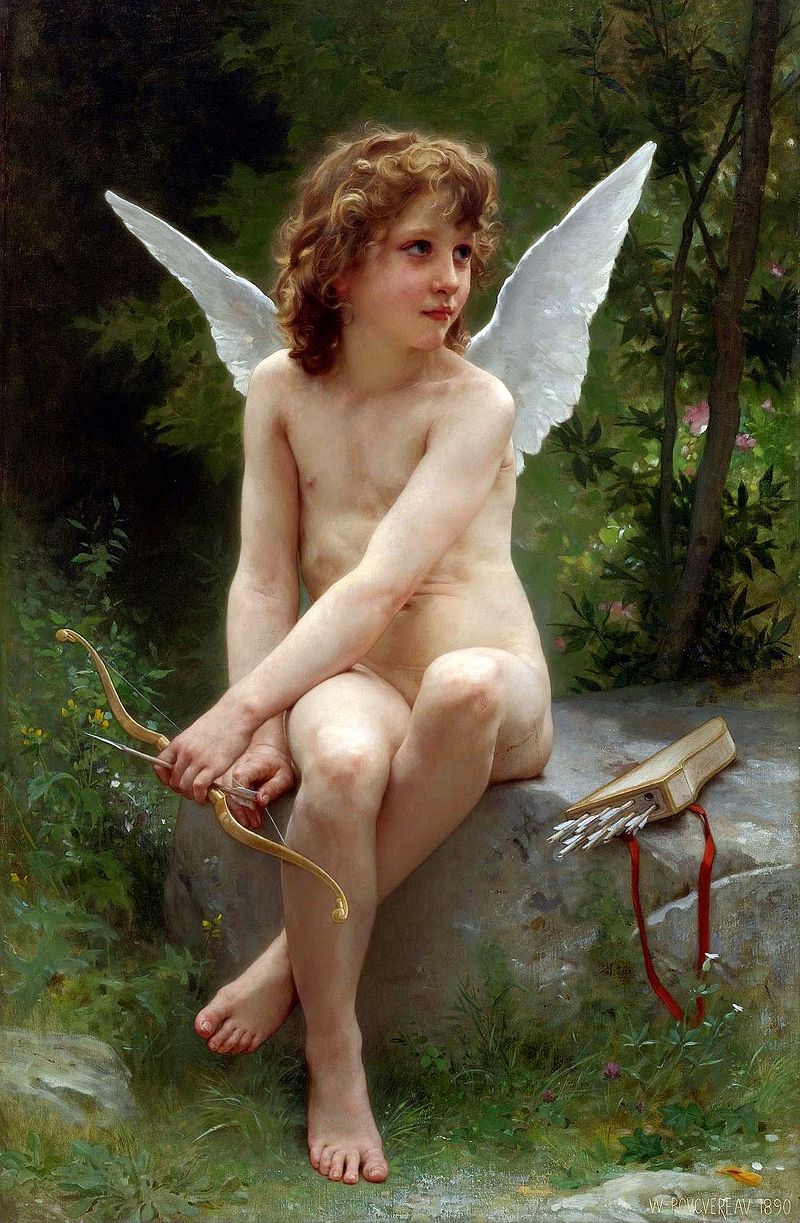
William-Adolphe Bouguereau "Love on the Lookout" (1890)
William-Adolphe Bouguereau “Love on the Lookout” (1890)

William-Adolphe Bouguereau "Meditation" (1901)
William-Adolphe Bouguereau “Meditation” (1901)

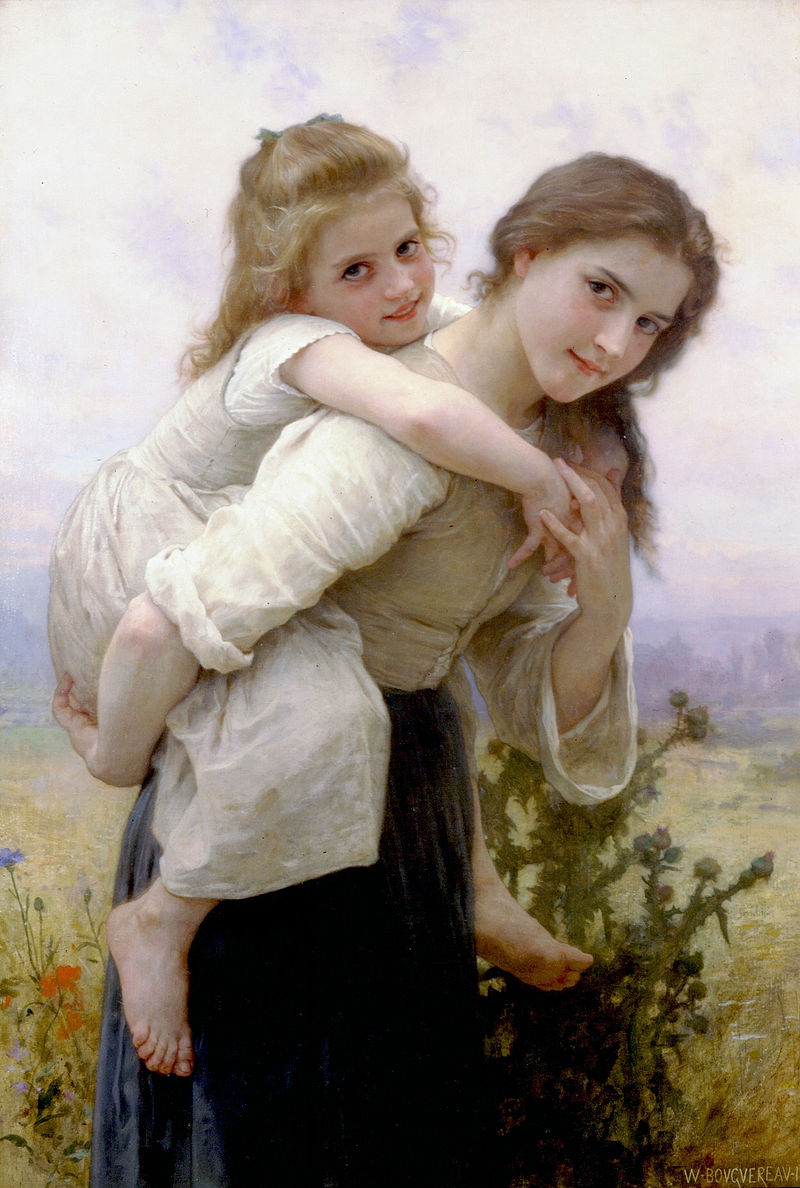
William-Adolphe Bouguereau "Not Too Much To Carry" (1895)
William-Adolphe Bouguereau “Not Too Much To Carry” (1895)

William-Adolphe Bouguereau "Nymphs and Satyr" (1873)
William-Adolphe Bouguereau “Nymphs and Satyr” (1873)

William-Adolphe Bouguereau "Pêche pour les grenouilles"
William-Adolphe Bouguereau “Pêche pour les grenouilles”

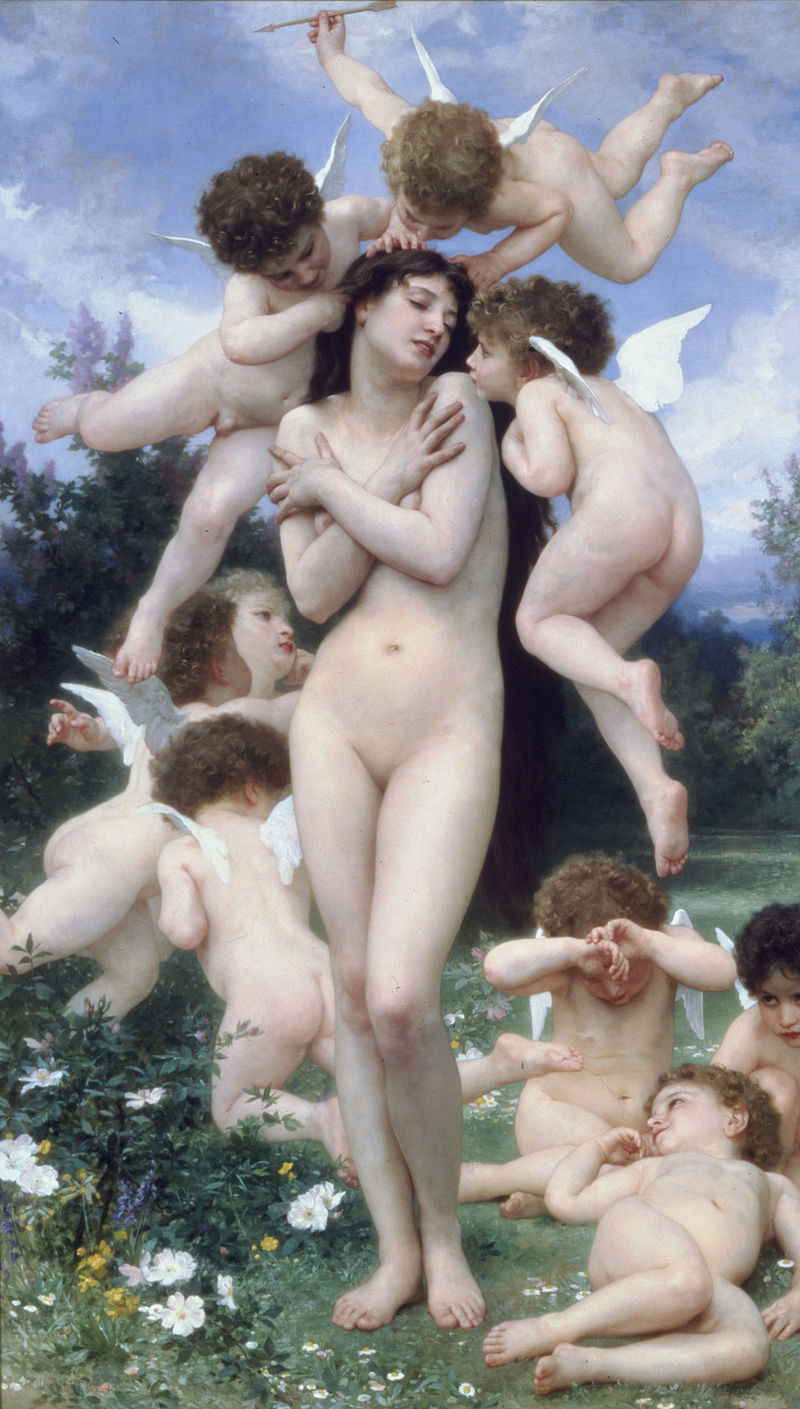
William-Adolphe Bouguereau "Return of Spring" (1886)
William-Adolphe Bouguereau “Return of Spring” (1886)

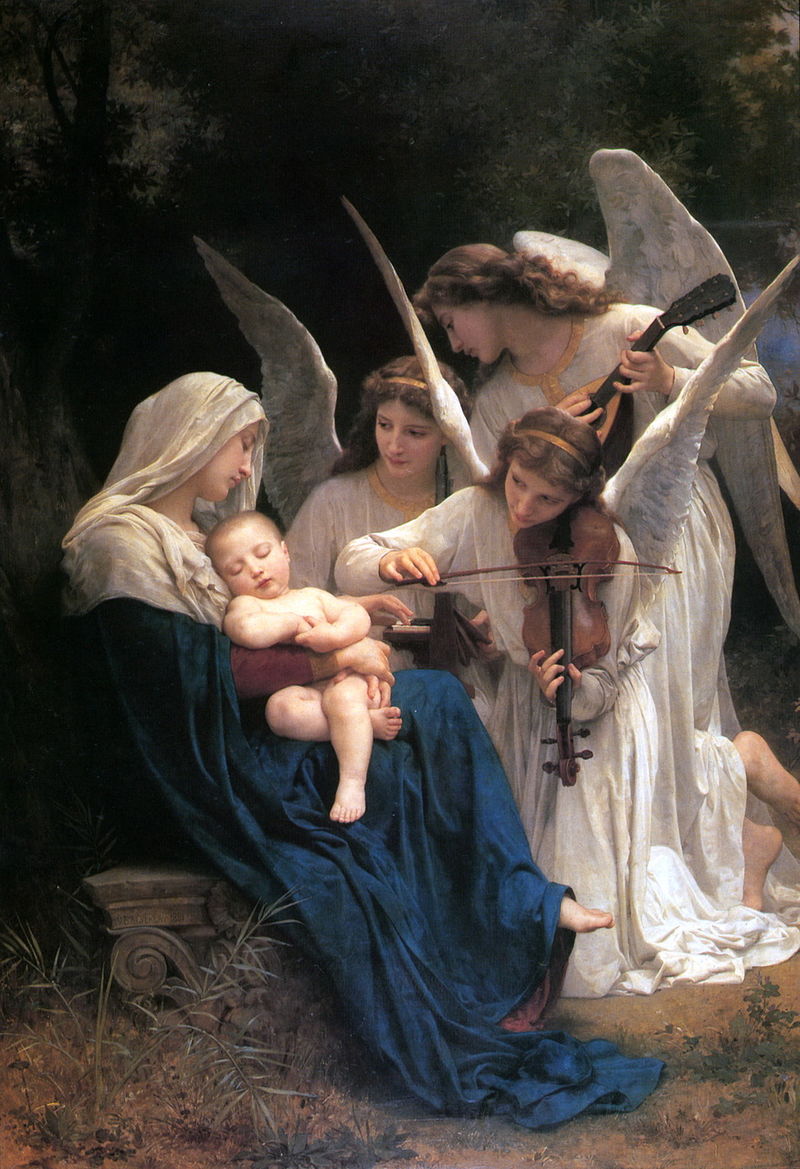
William-Adolphe Bouguereau "Song of the Angels" (1881)
William-Adolphe Bouguereau “Song of the Angels” (1881)

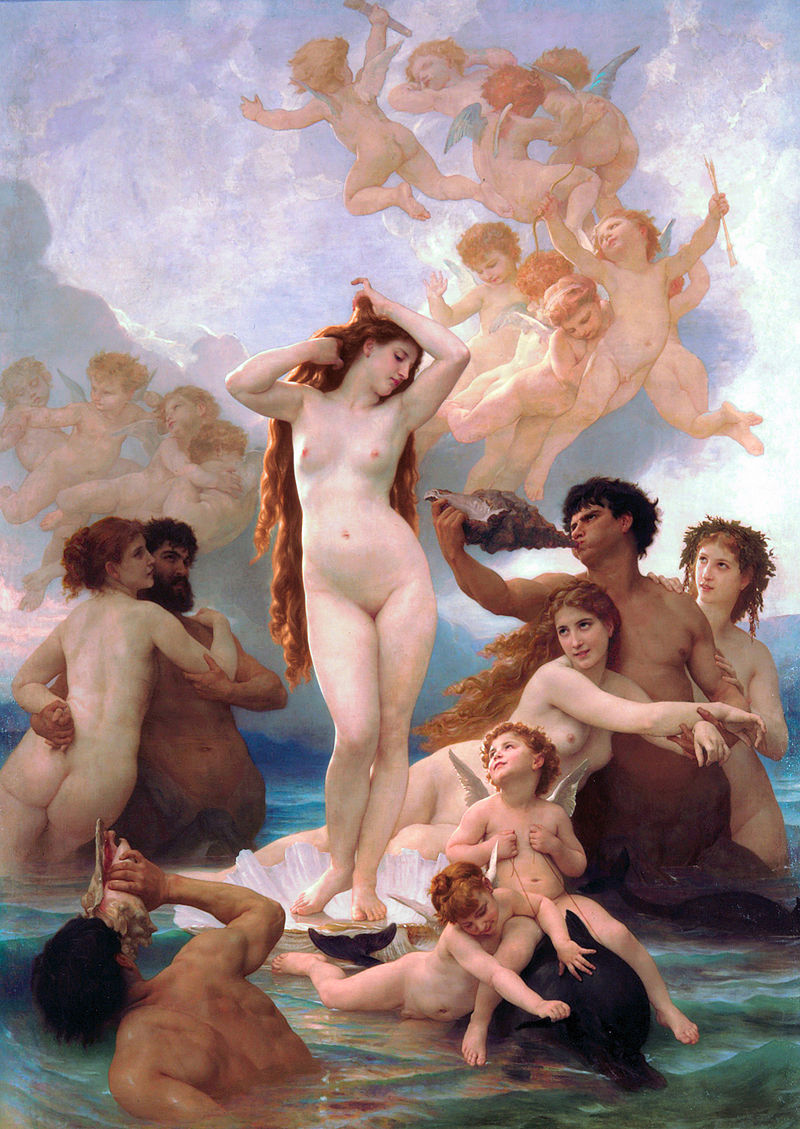
William-Adolphe Bouguereau "The Birth of Venus" (1879)
William-Adolphe Bouguereau “The Birth of Venus” (1879)

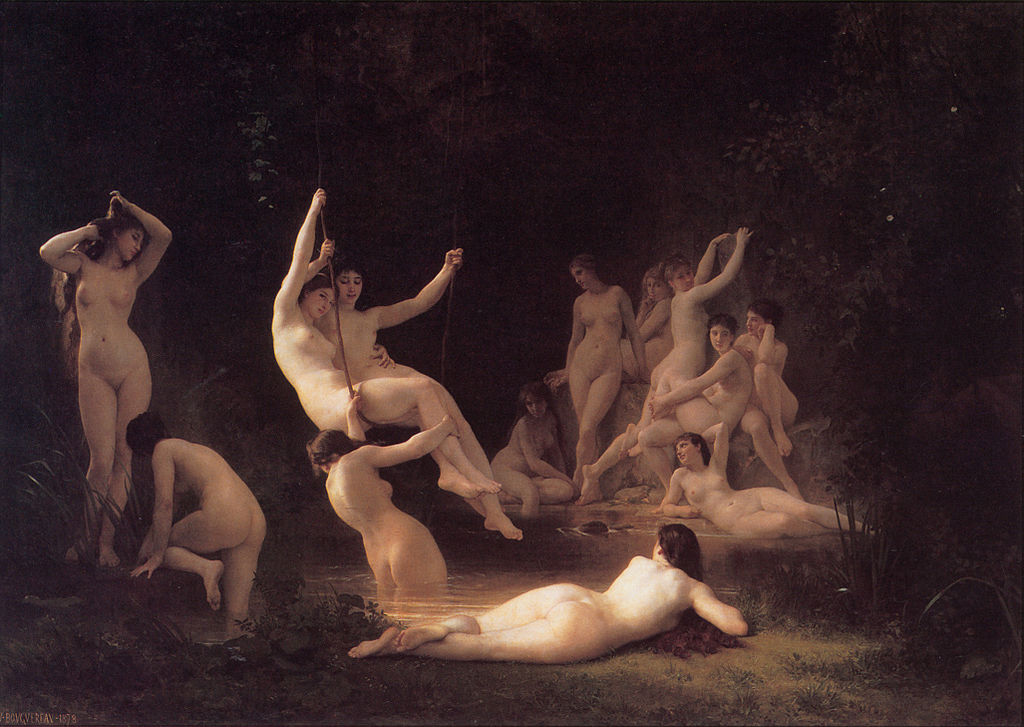
William-Adolphe Bouguereau "The Nymphaeum" (1878)
William-Adolphe Bouguereau “The Nymphaeum” (1878)

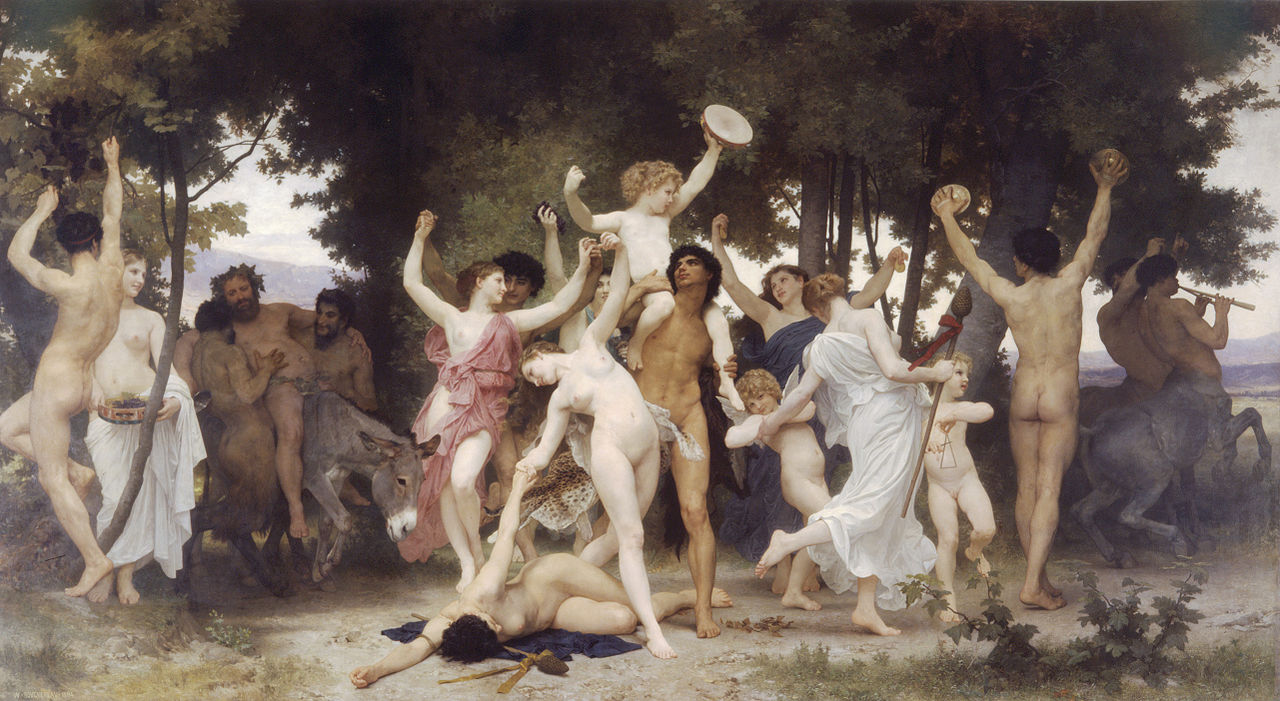
William-Adolphe Bouguereau "The Youth of Bacchus" (1884)
William-Adolphe Bouguereau “The Youth of Bacchus” (1884)

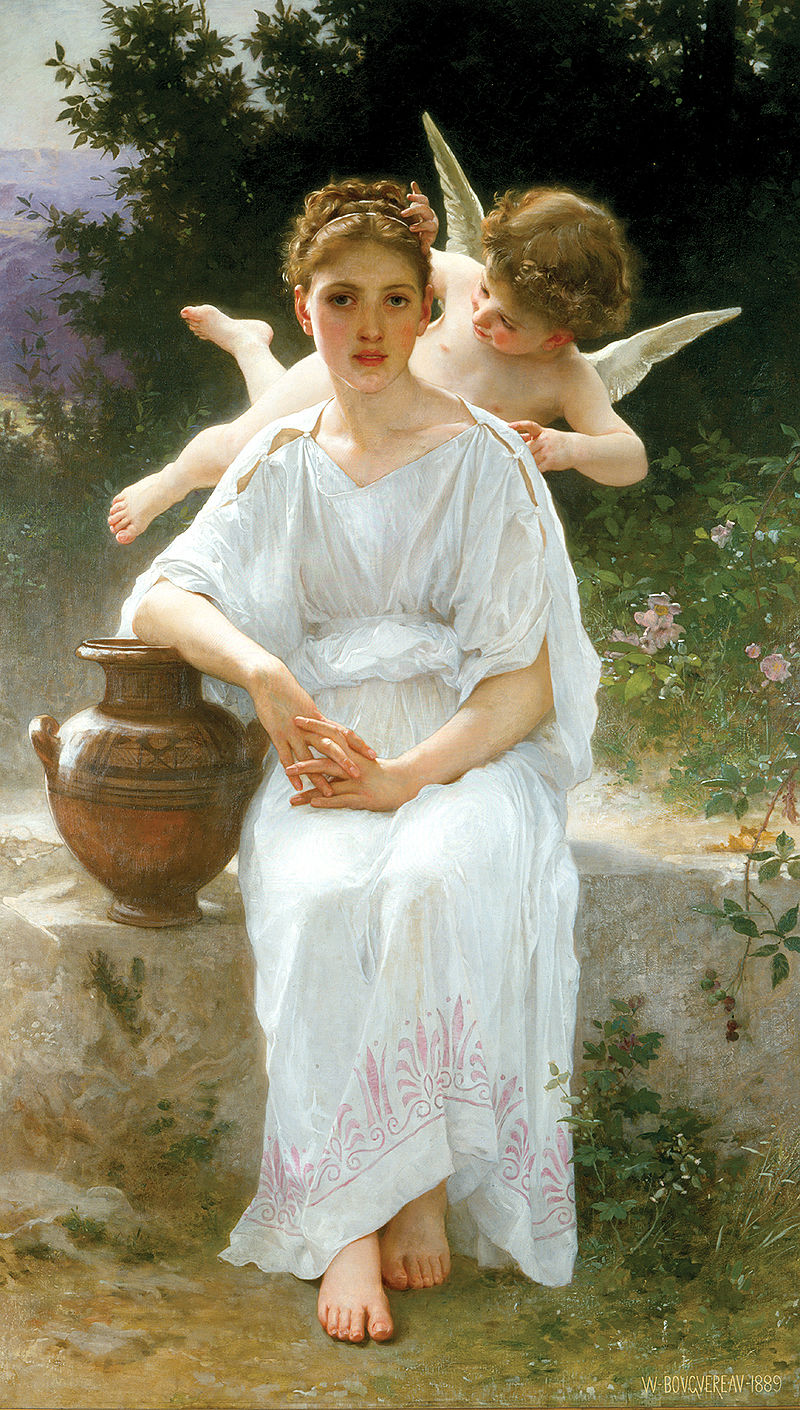
William-Adolphe Bouguereau "Whisperings of Love" (1889)
William-Adolphe Bouguereau “Whisperings of Love” (1889)

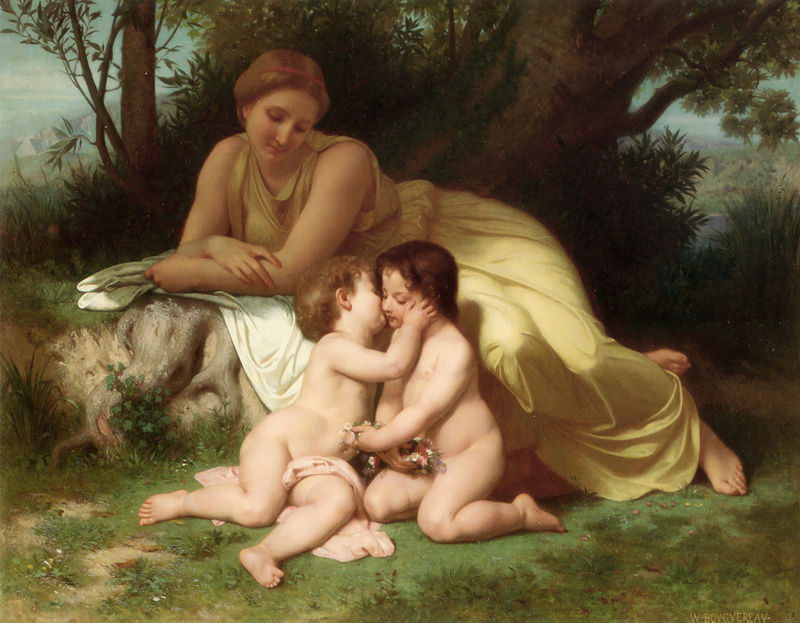
William-Adolphe Bouguereau "Young Woman Contemplating Two Embracing Children" (1861)
William-Adolphe Bouguereau “Young Woman Contemplating Two Embracing Children” (1861)

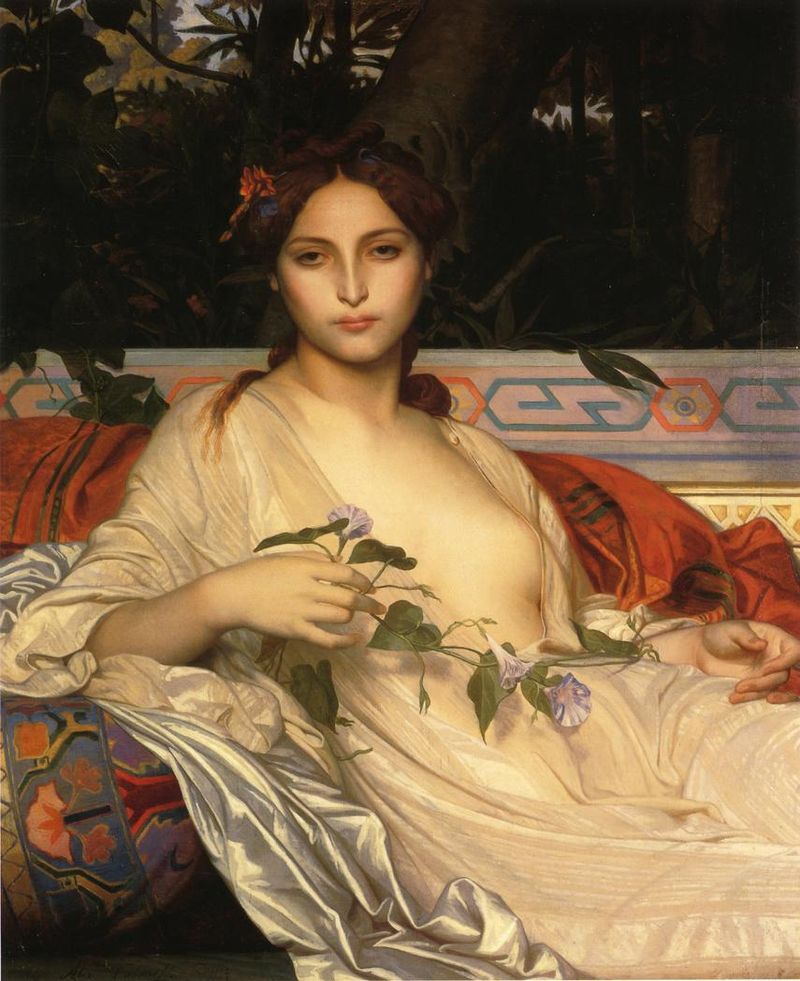
Alexandre Cabanel "Albayde"
Alexandre Cabanel “Albayde”

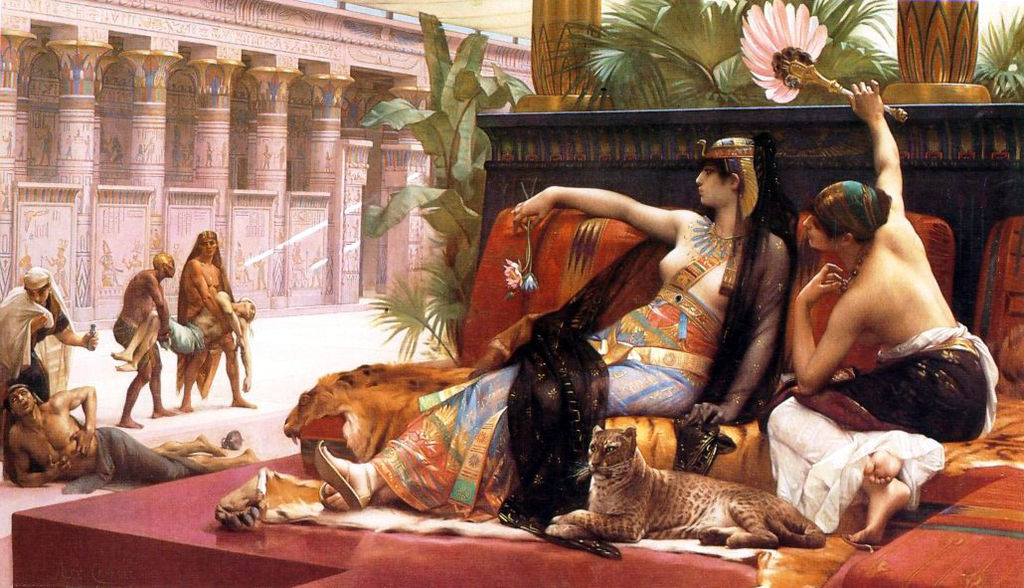
Alexandre Cabanel "Cléopatre essayant des poisons sur des condamnés à mort"
Alexandre Cabanel “Cléopatre essayant des poisons sur des condamnés à mort”

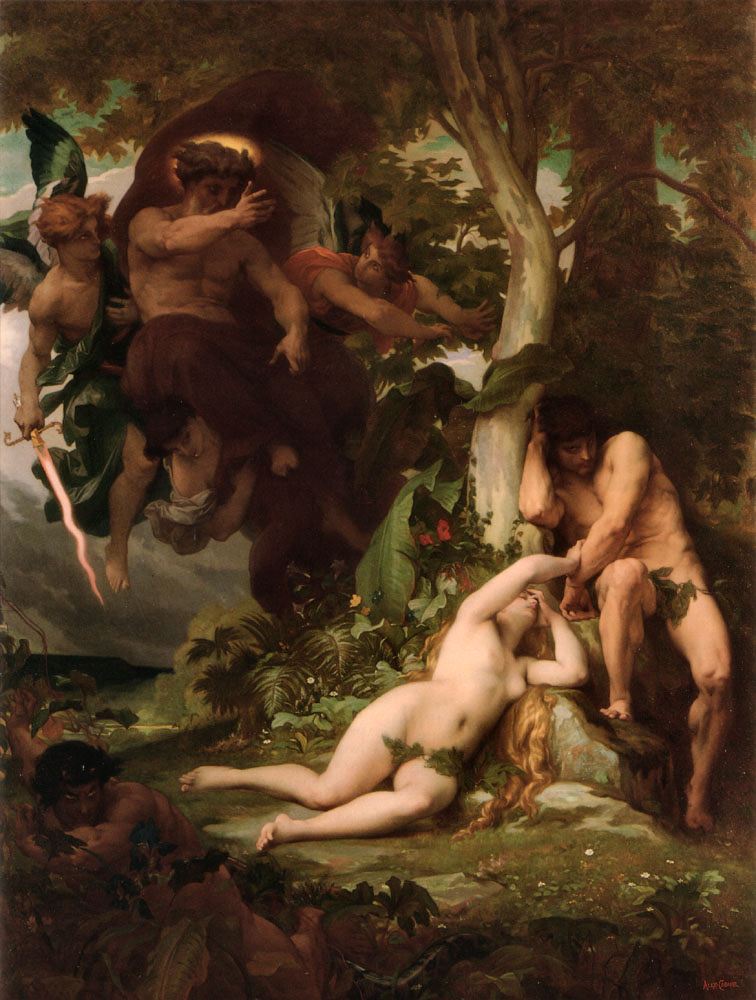
Alexandre Cabanel "Expulsion of Adam and Eve"
Alexandre Cabanel “Expulsion of Adam and Eve”

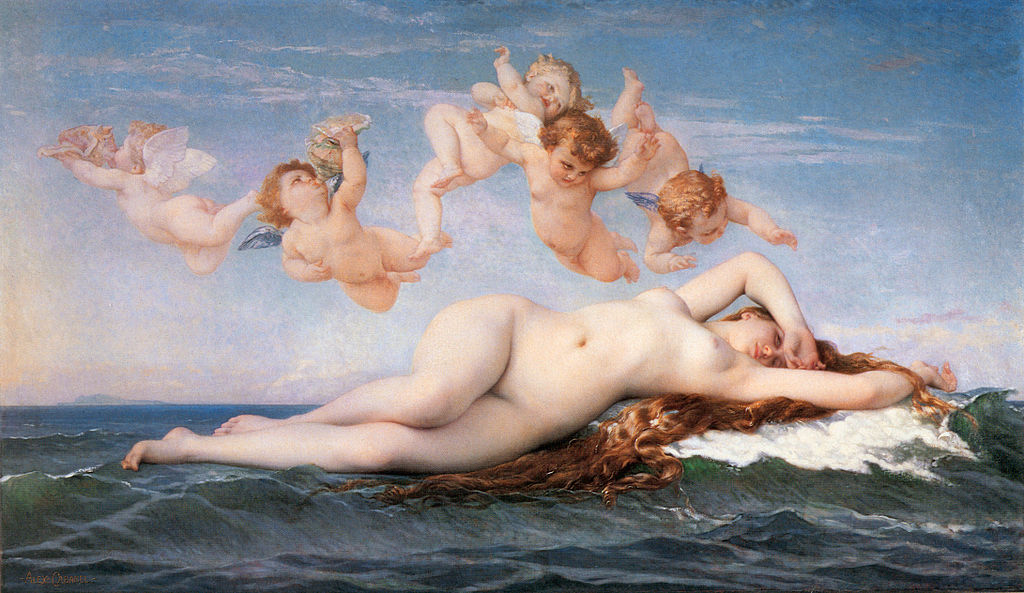
Alexandre Cabanel "The Birth of Venus" (1863)
Alexandre Cabanel “The Birth of Venus” (1863)

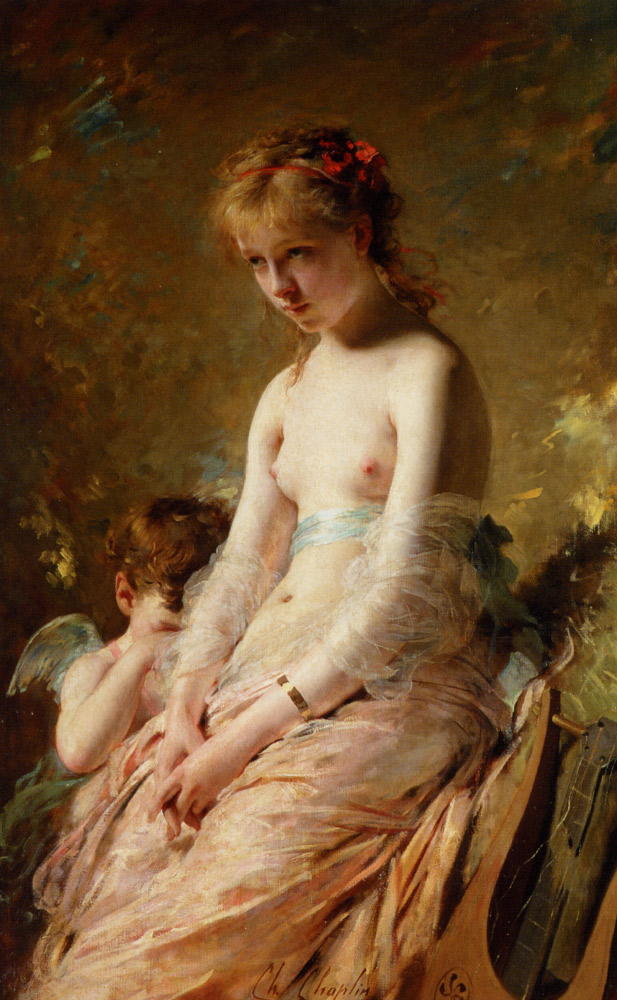
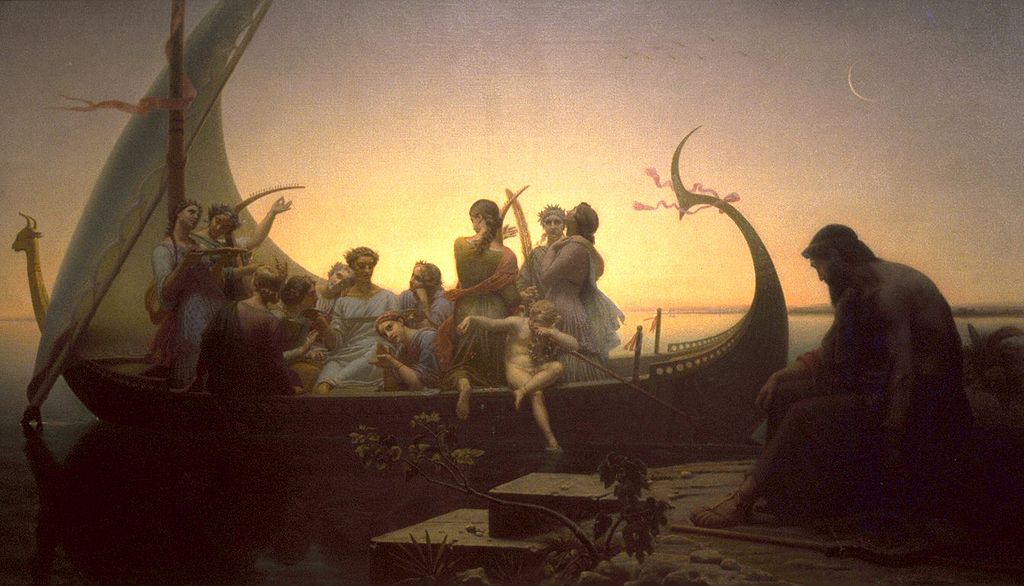
Charles Chaplin "A Song Silenced"
Charles Chaplin “A Song Silenced”

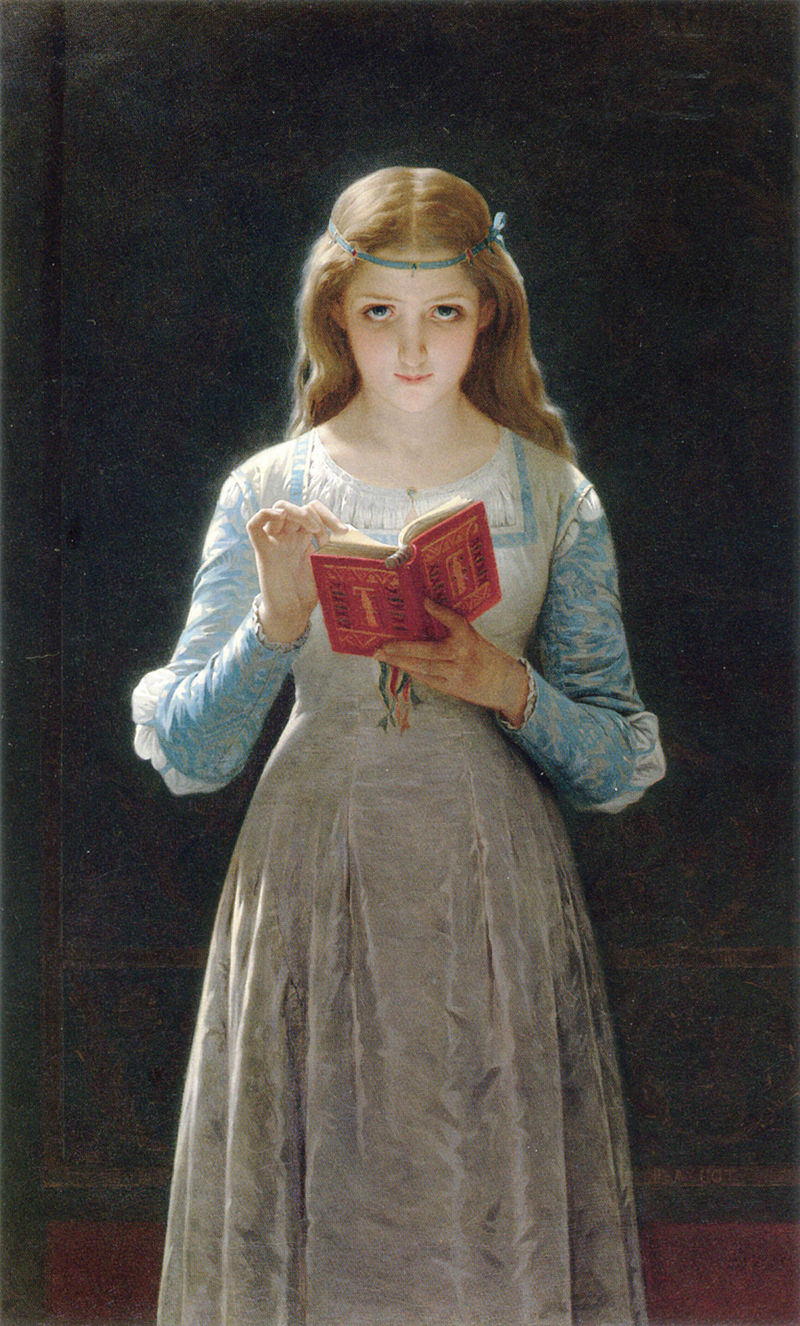
Pierre Auguste Cot "Ophelia"
Pierre Auguste Cot “Ophelia”

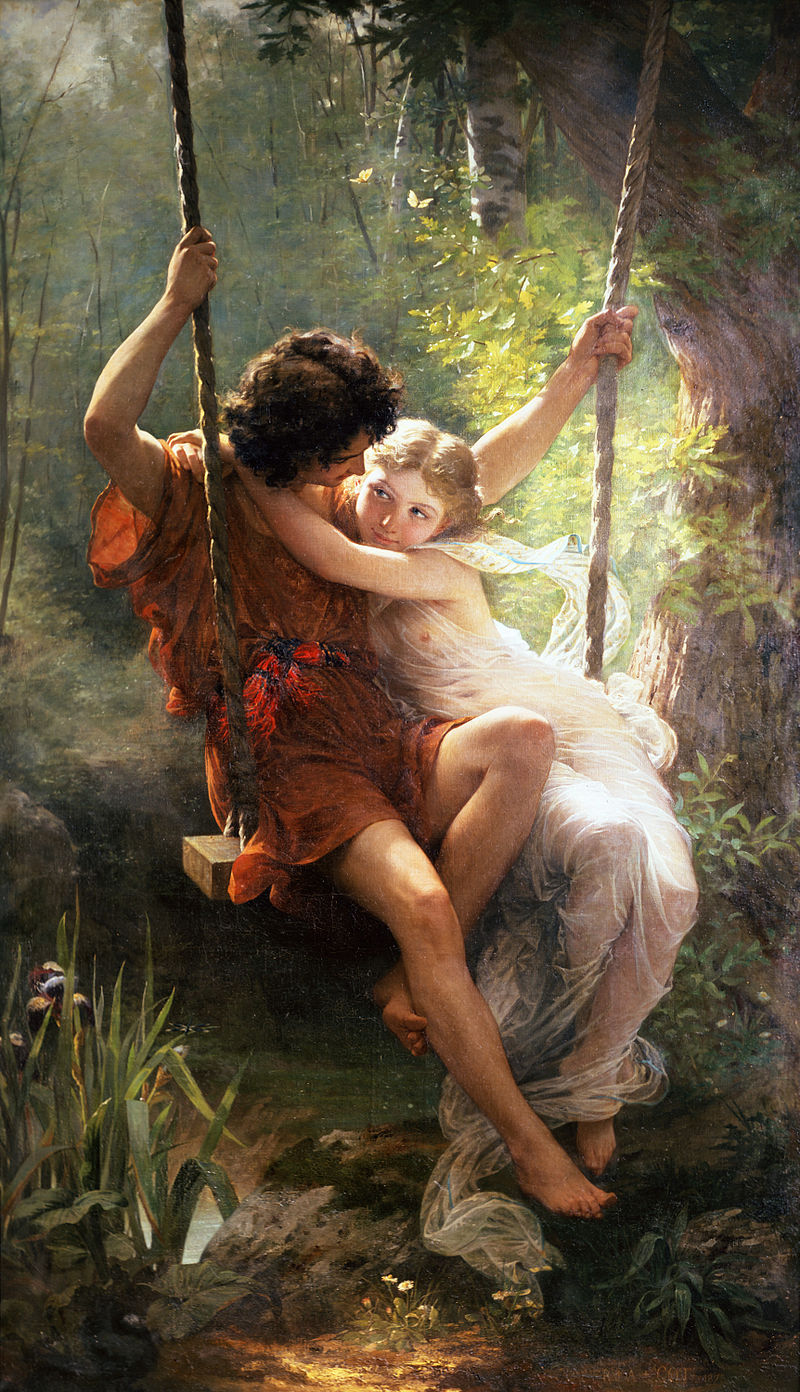
Pierre Auguste Cot "Spring" (1873)
Pierre Auguste Cot “Spring” (1873)

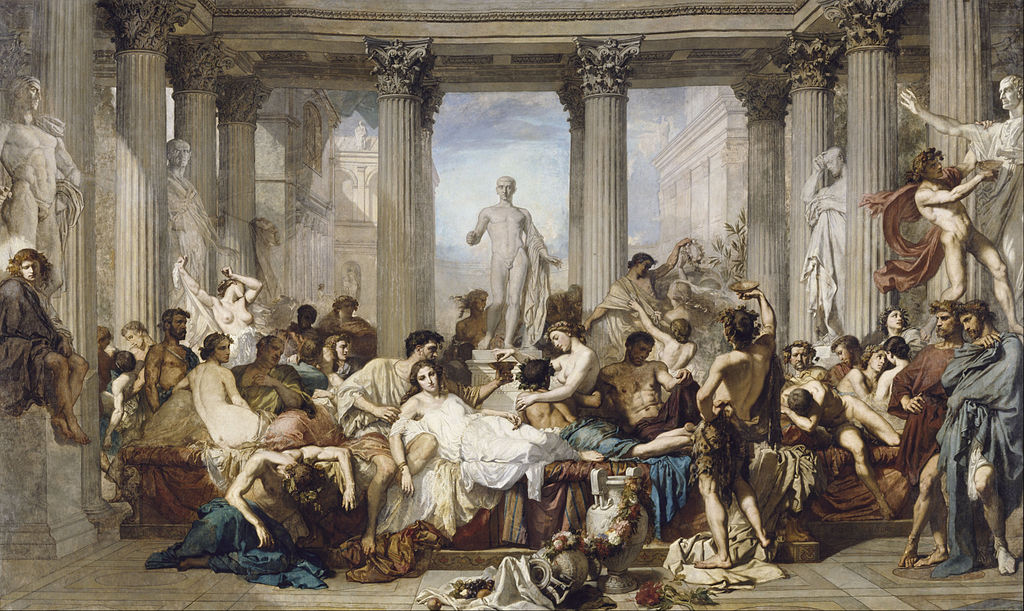
Thomas Couture "Romans During the Decadence"
Thomas Couture “Romans During the Decadence”

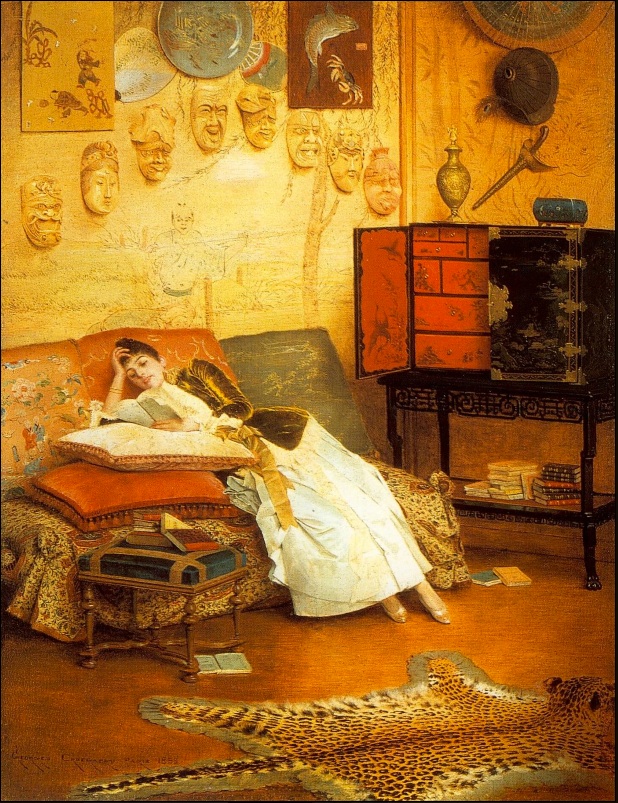
Georges Croegaert "The Reading Woman"
Georges Croegaert “The Reading Woman”

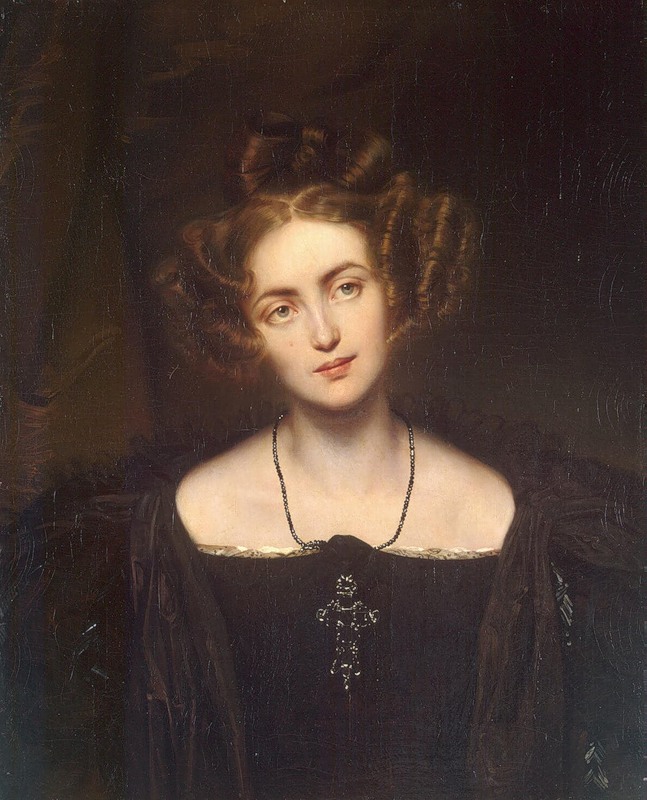
Paul Delaroche "Henriette Sontag in her Donna Anna Costume" (1831)
Paul Delaroche “Henriette Sontag in her Donna Anna Costume” (1831)

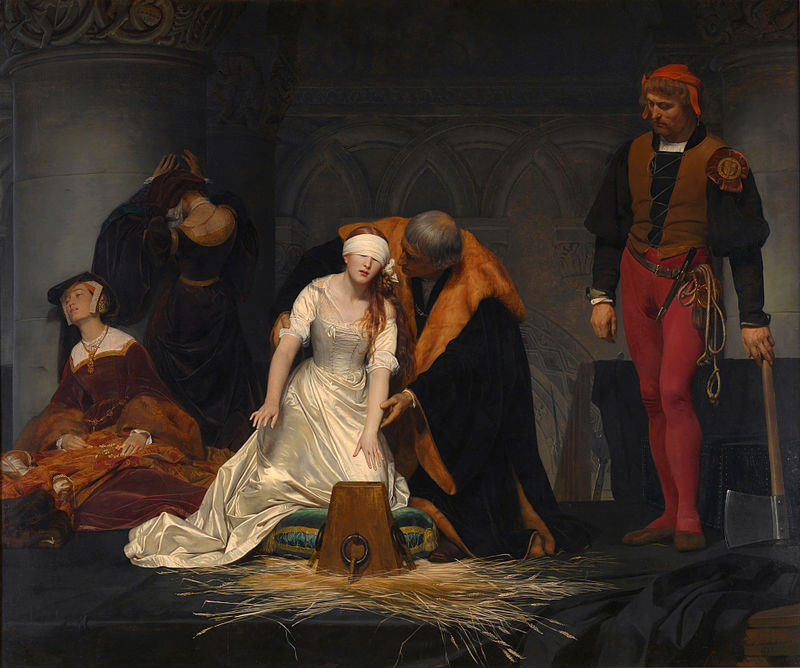
Paul Delaroche "Execution of Lady Jane Grey" (1834)
Paul Delaroche “Execution of Lady Jane Grey” (1834)

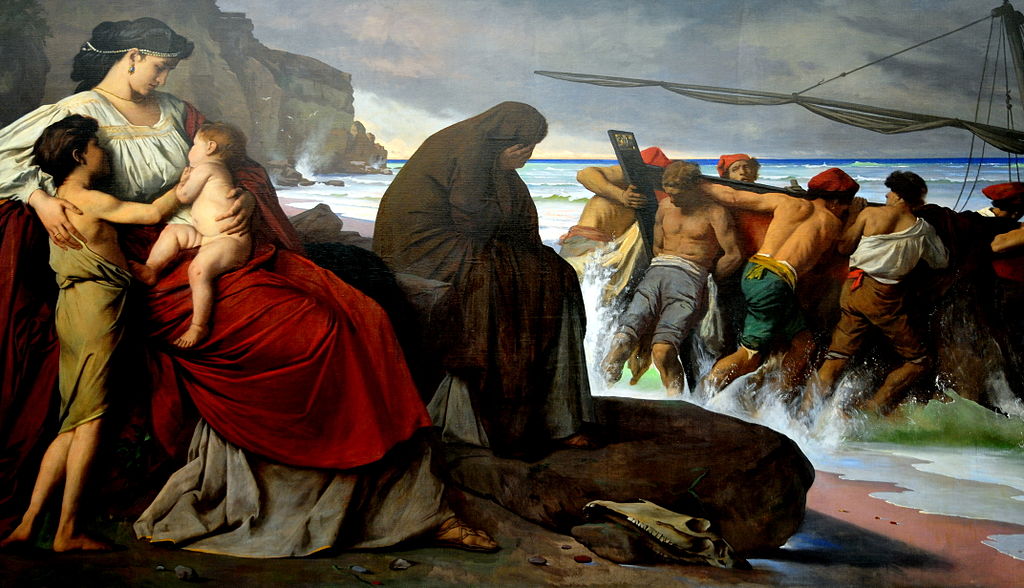
Anselm Feuerbach "Medea"
Anselm Feuerbach “Medea”

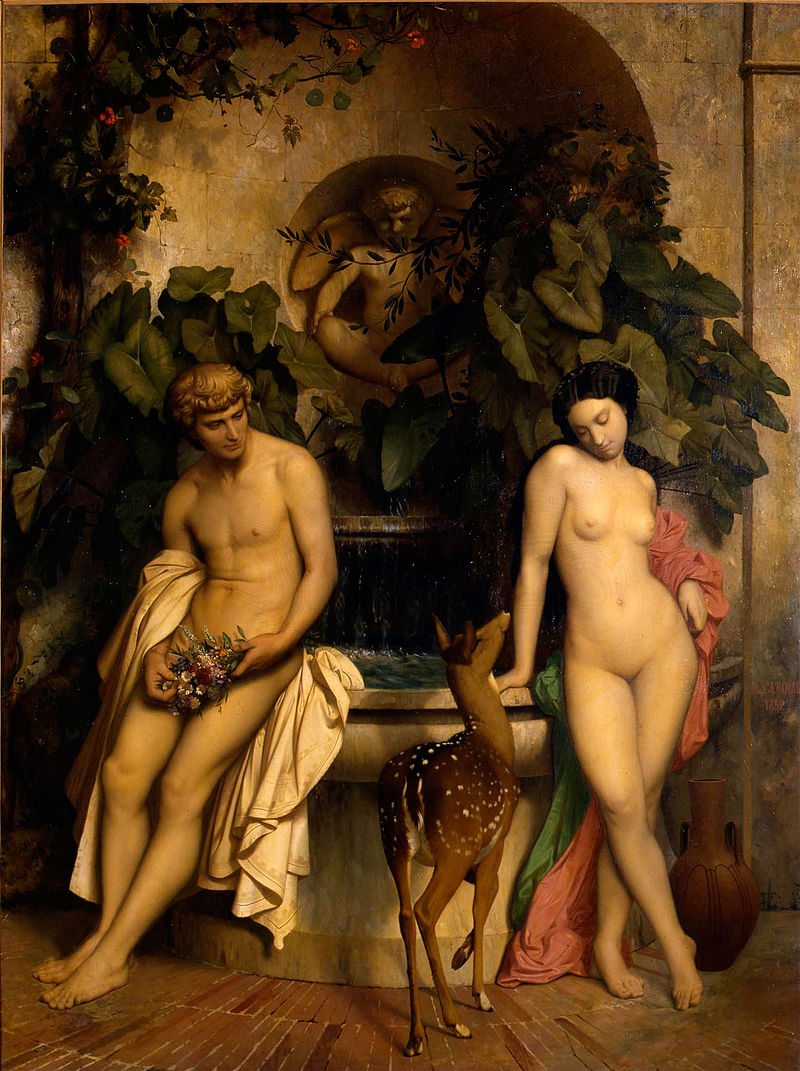
Jean-Léon Gérôme "An Idyll" (1852)
Jean-Léon Gérôme “An Idyll” (1852)

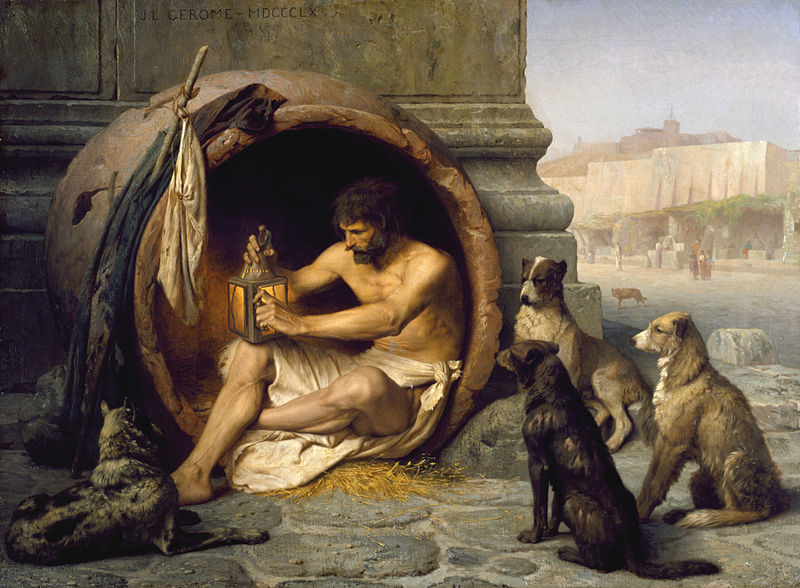
Jean-Léon Gérôme "Diogenes"
Jean-Léon Gérôme “Diogenes”

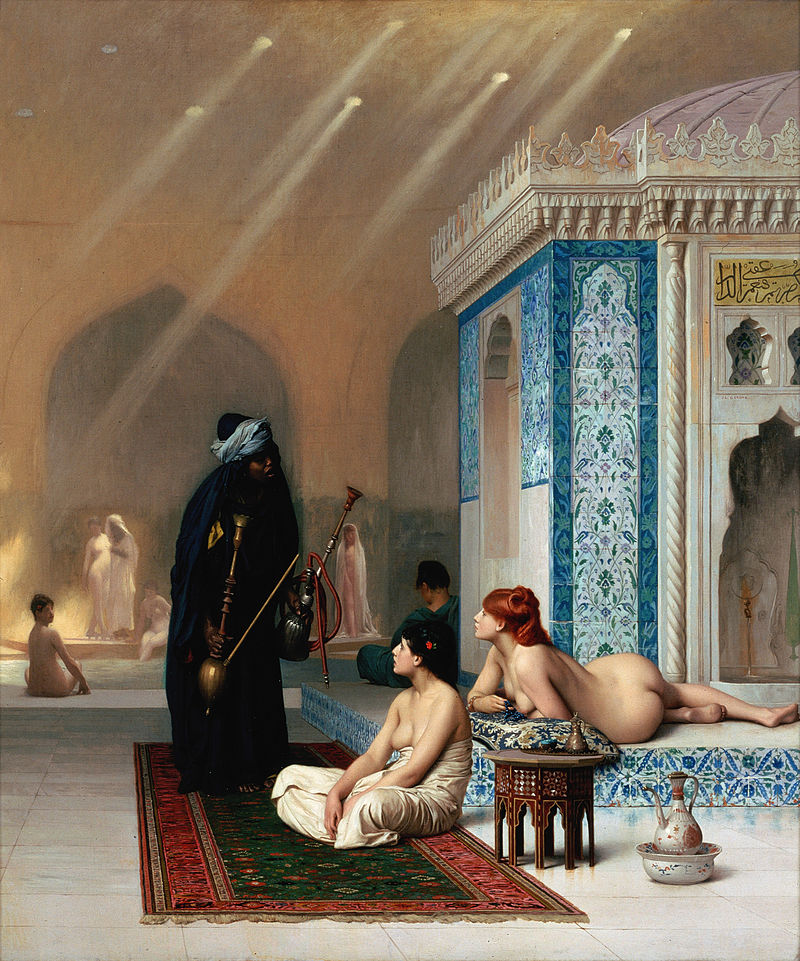
Jean-Léon Gérôme "Harem Pool"
Jean-Léon Gérôme “Harem Pool”

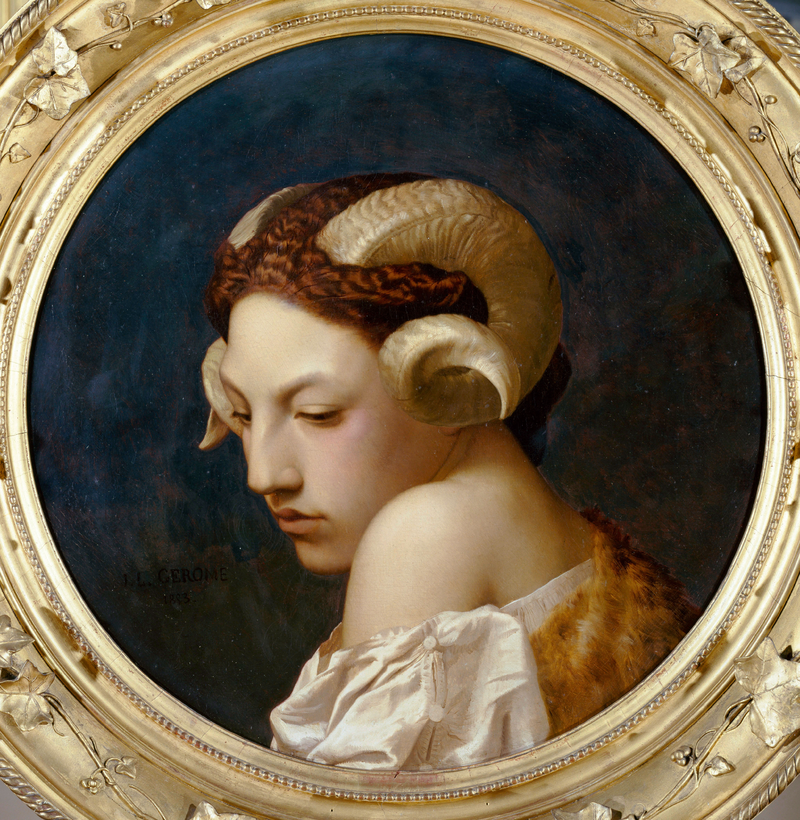
Jean-Léon Gérôme "Head of a Woman"
Jean-Léon Gérôme “Head of a Woman”

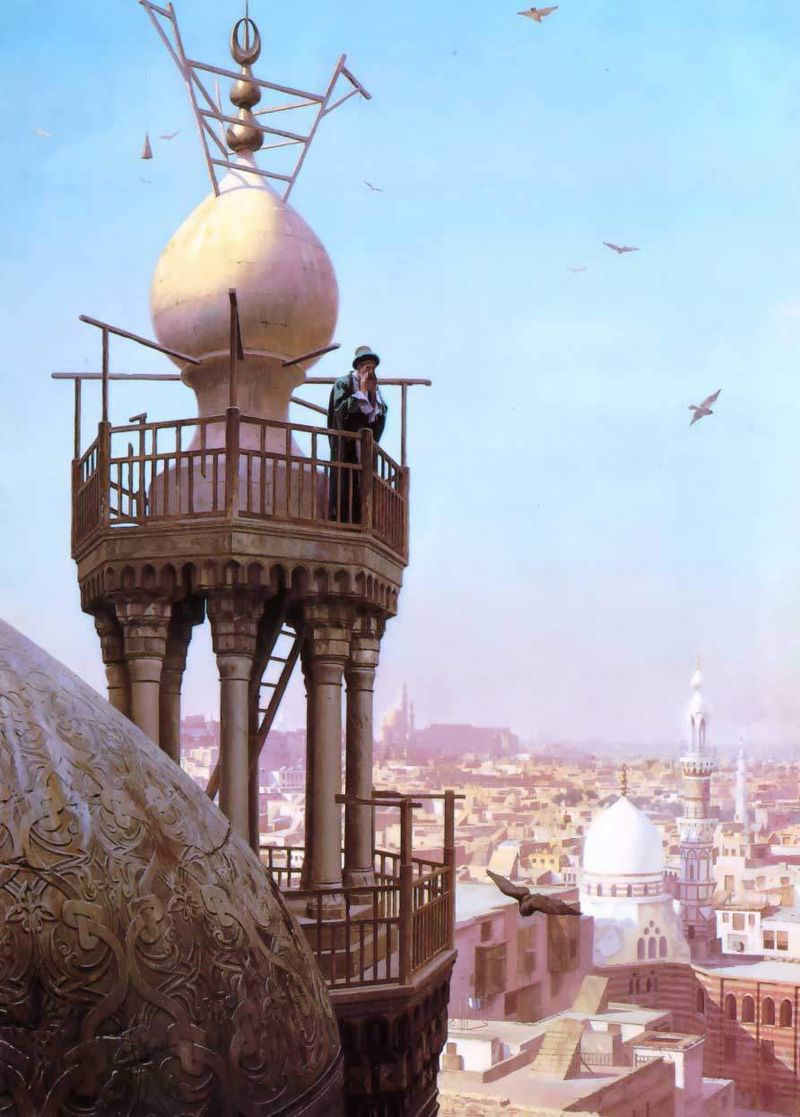
Jean-Léon Gérôme "Muezzin Calling from the Top of a Minaret"
Jean-Léon Gérôme “Muezzin Calling from the Top of a Minaret”

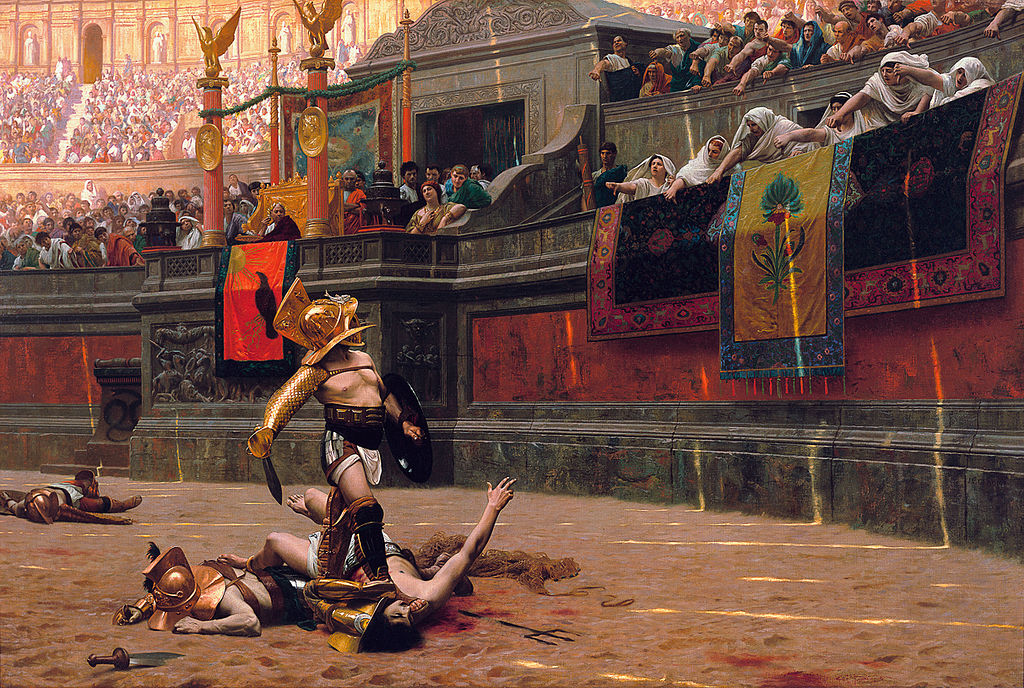
Jean-Léon Gérôme "Pollice Verso"
Jean-Léon Gérôme “Pollice Verso”

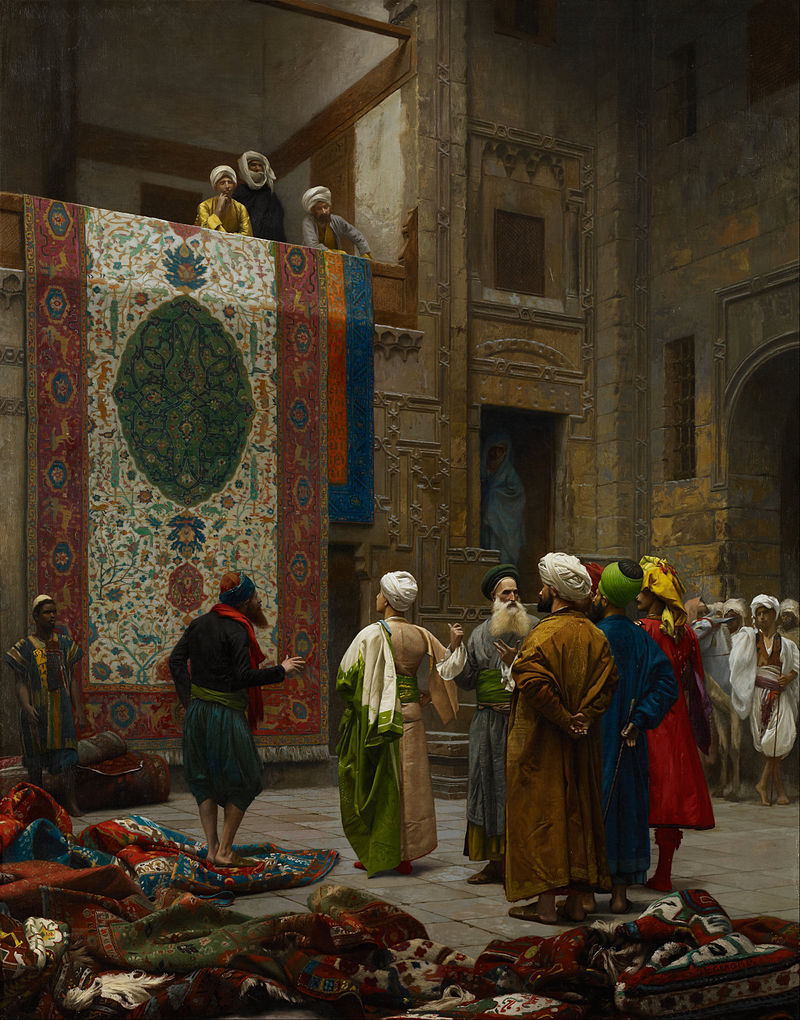
Jean-Léon Gérôme "The Carpet Merchant"
Jean-Léon Gérôme “The Carpet Merchant”

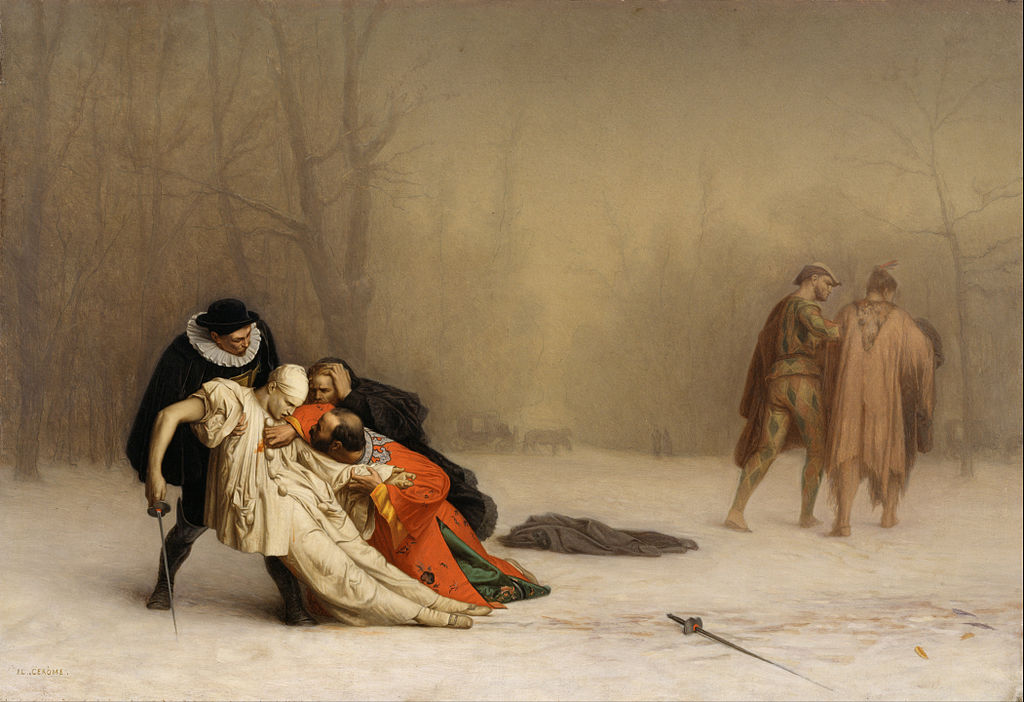
Jean-Léon Gérôme "The Duel After the Masquerade"
Jean-Léon Gérôme “The Duel After the Masquerade”

Jean-Léon Gérôme "The Slave Market"
Jean-Léon Gérôme “The Slave Market”

Charles Gleyre "Lost Illusions"
Charles Gleyre “Lost Illusions”

Charles Gleyre "Oriental Lady" (1865)
Charles Gleyre “Oriental Lady” (1865)

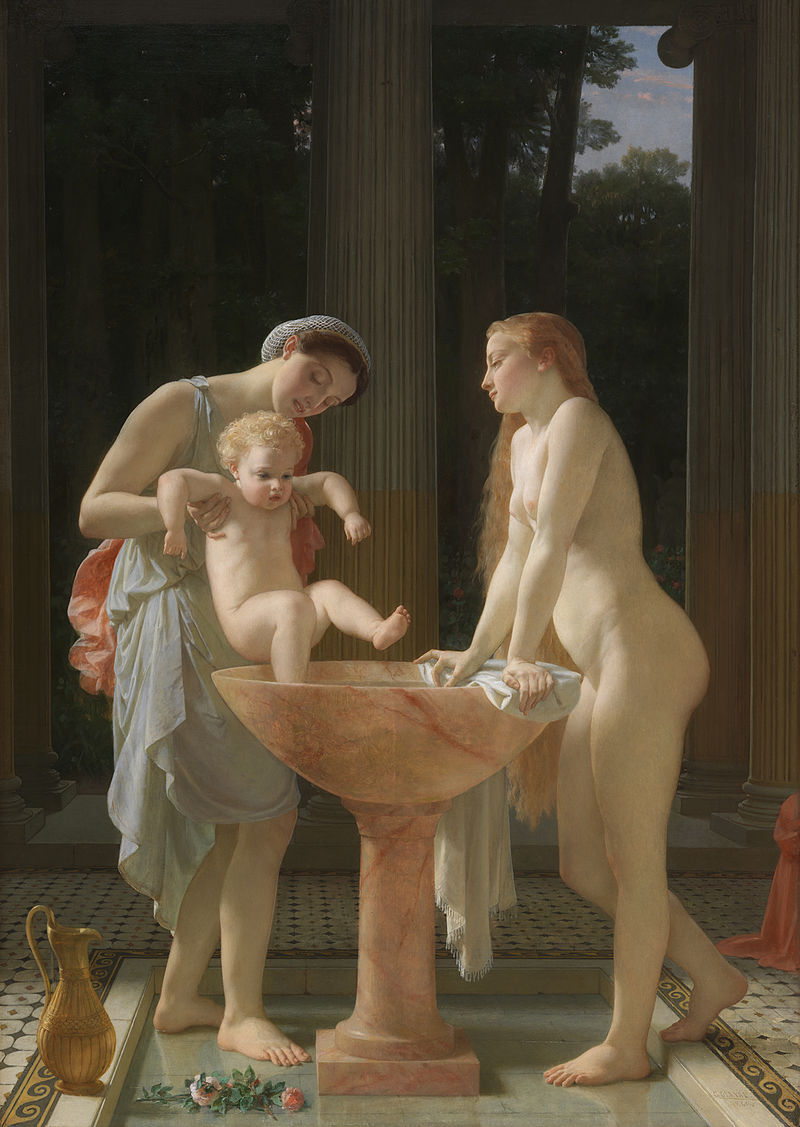
Charles Gleyre "The Bath"
Charles Gleyre “The Bath”

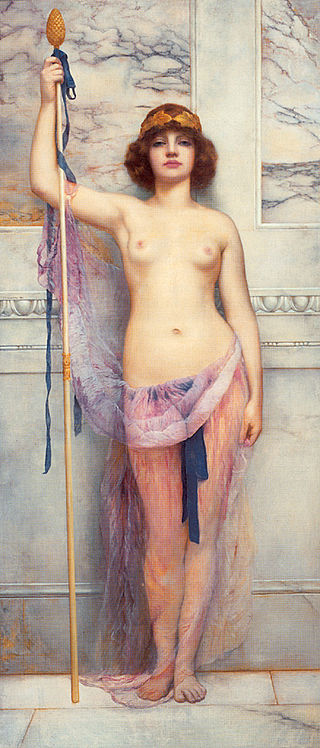
John William Godward "A Priestess" (1893)
John William Godward “A Priestess” (1893)

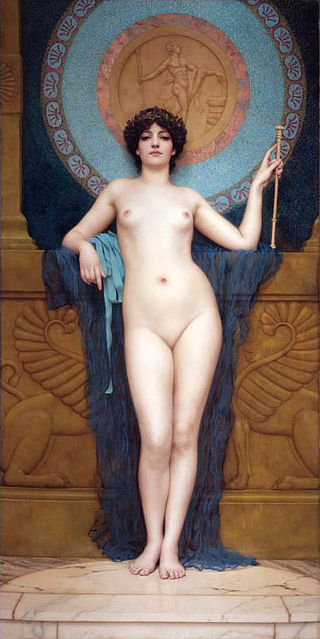
John William Godward "Campaspe"
John William Godward “Campaspe”

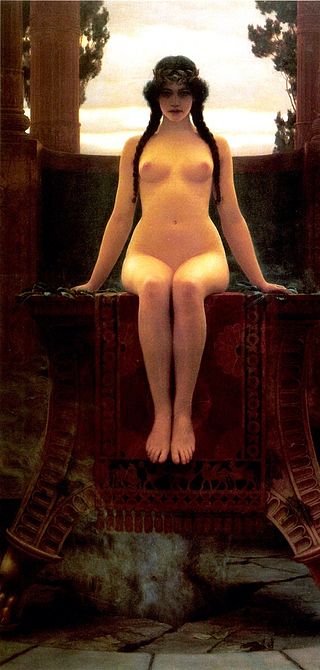
John William Godward "L'Oracle de Delphes" (1899)
John William Godward “L’Oracle de Delphes” (1899)

John William Godward "Study of Miss Ethel Warwick"
John William Godward “Study of Miss Ethel Warwick”

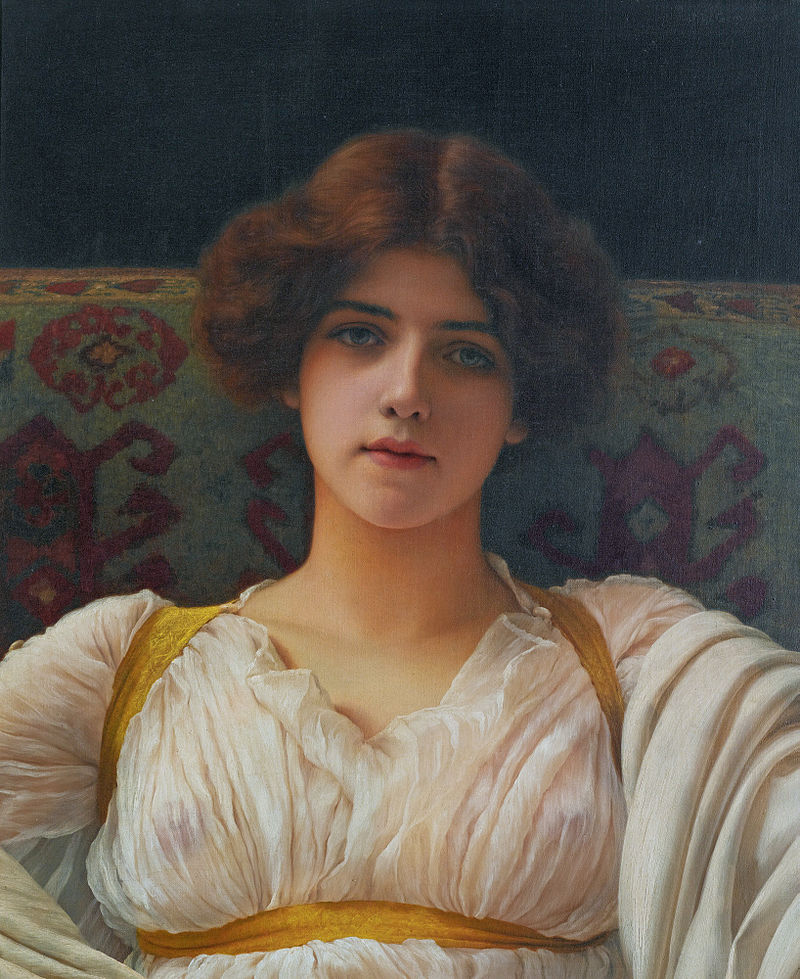
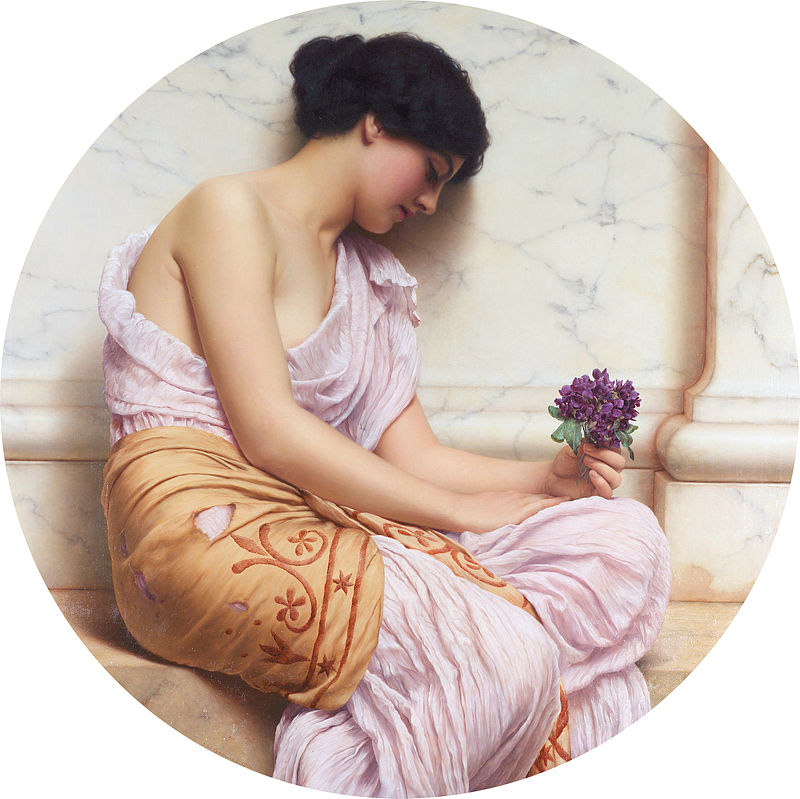
John William Godward "Violets, Sweet Violets"
John William Godward “Violets, Sweet Violets”

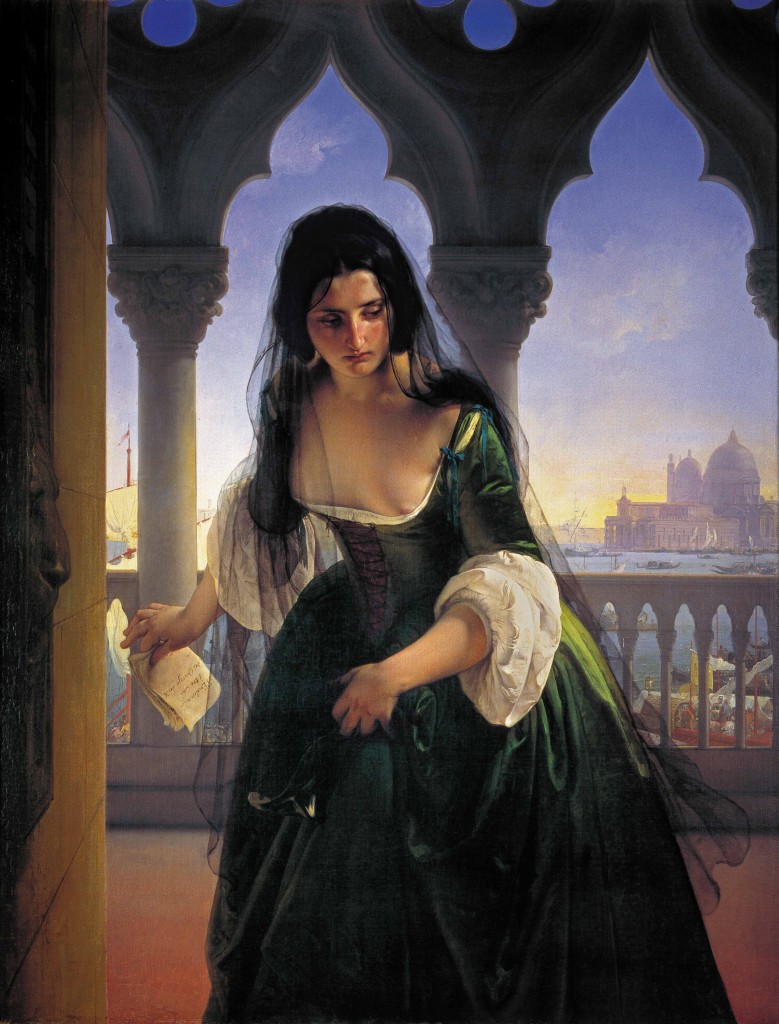
Francesco Hayez "Accusa segreta" (1847)
Francesco Hayez “Accusa segreta” (1847)

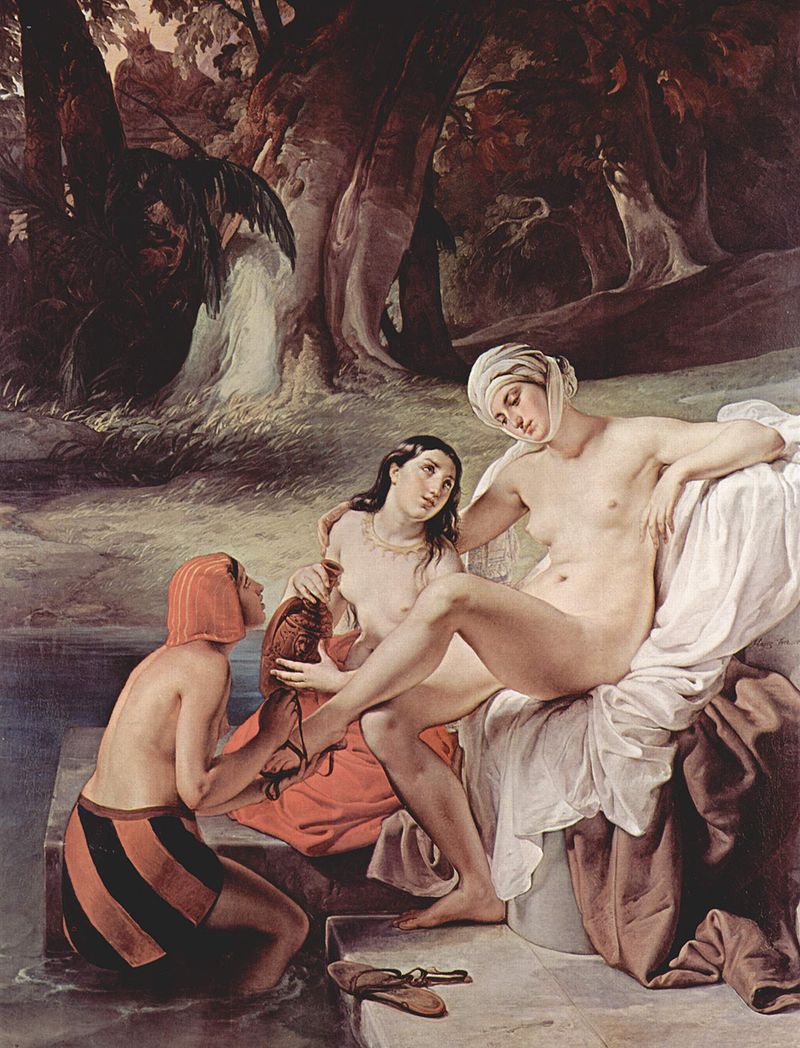
Francesco Hayez "Bathsheba Bathing"
Francesco Hayez “Bathsheba Bathing”

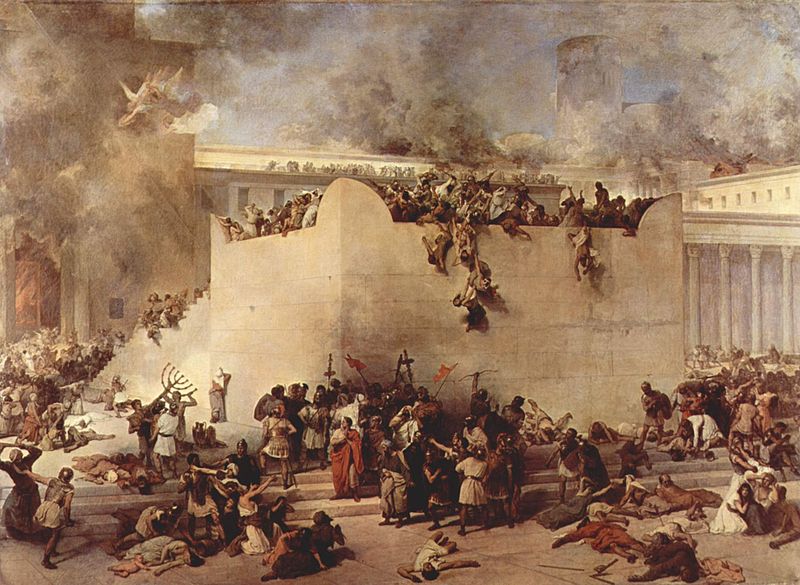
Francesco Hayez "Destruction of the Temple of Jerusalem" (1867)
Francesco Hayez “Destruction of the Temple of Jerusalem” (1867)

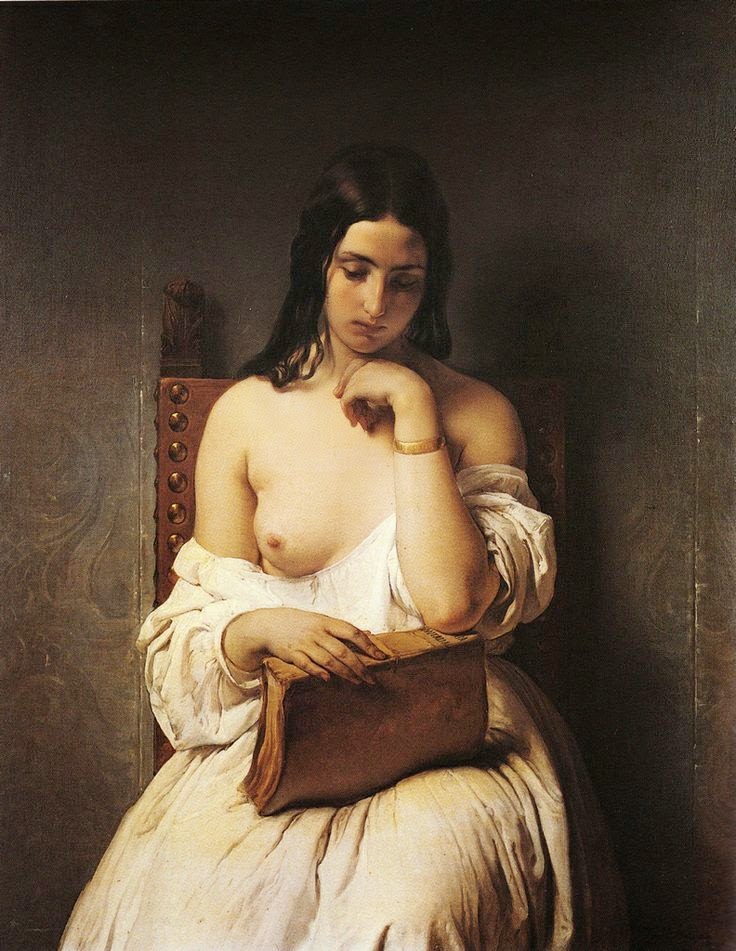
Francesco Hayez "La Meditazione" (1850)
Francesco Hayez “La Meditazione” (1850)

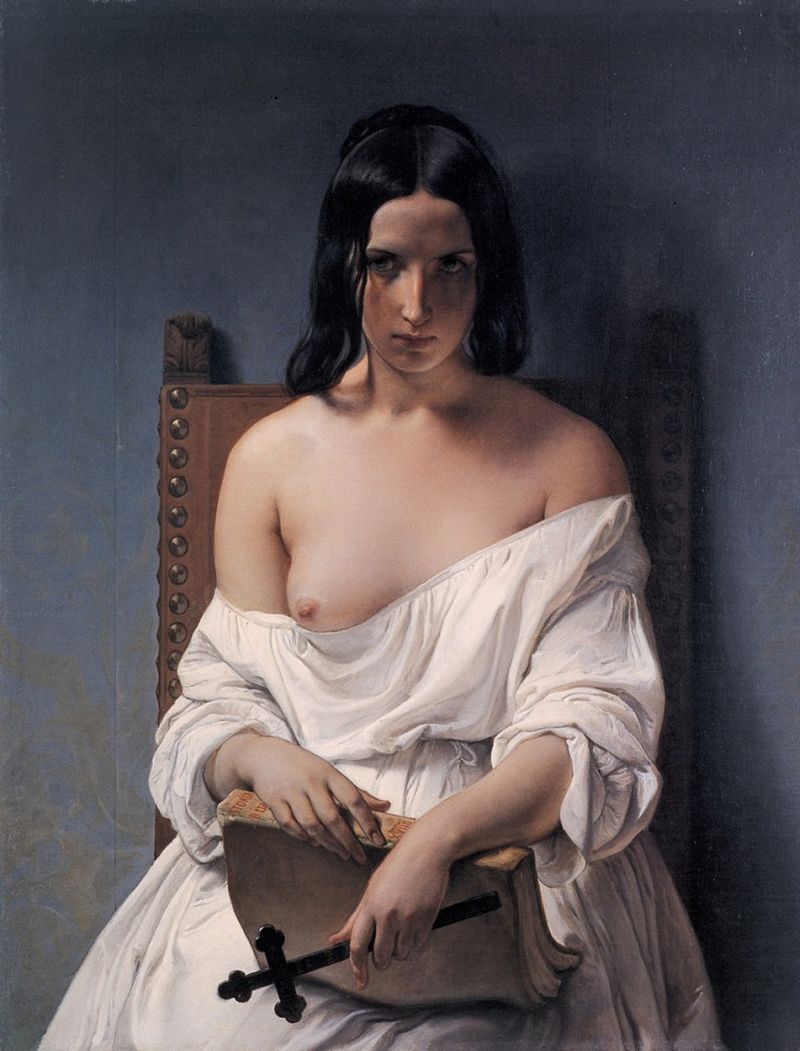
Francesco Hayez "Meditation on the History of Italy"
Francesco Hayez “Meditation on the History of Italy”

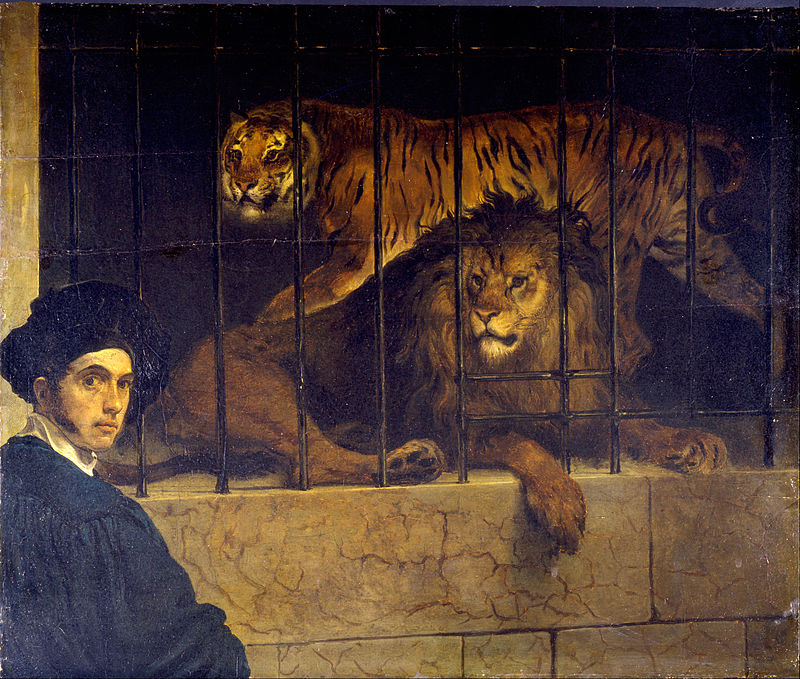
Francesco Hayez "Self-portrait with Tiger and Lion"
Francesco Hayez “Self-portrait with Tiger and Lion”

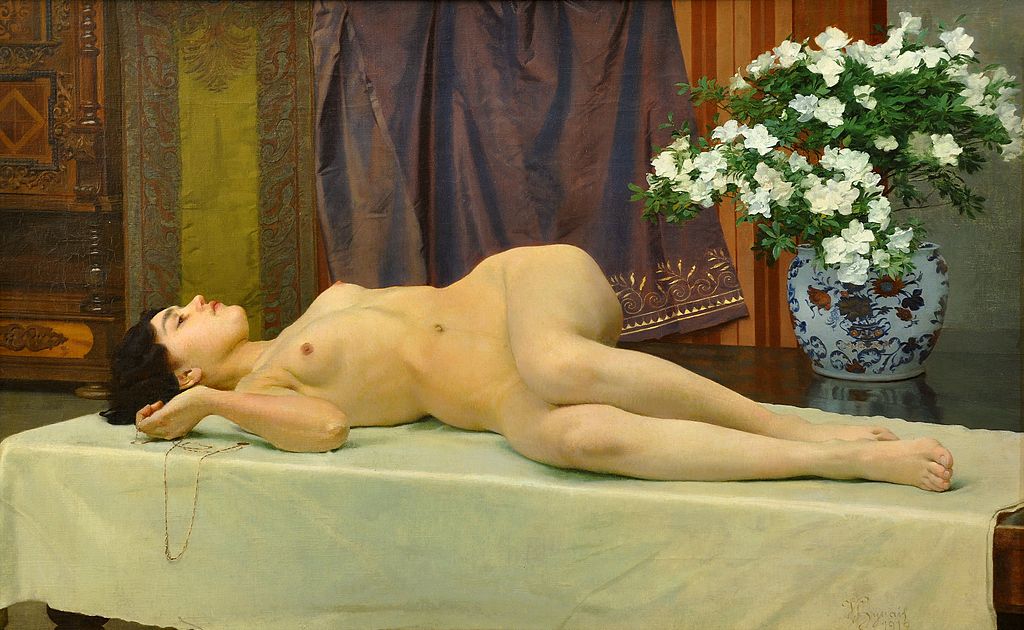
Vojtech Hynais "Lezici akt"
Vojtech Hynais “Lezici akt”

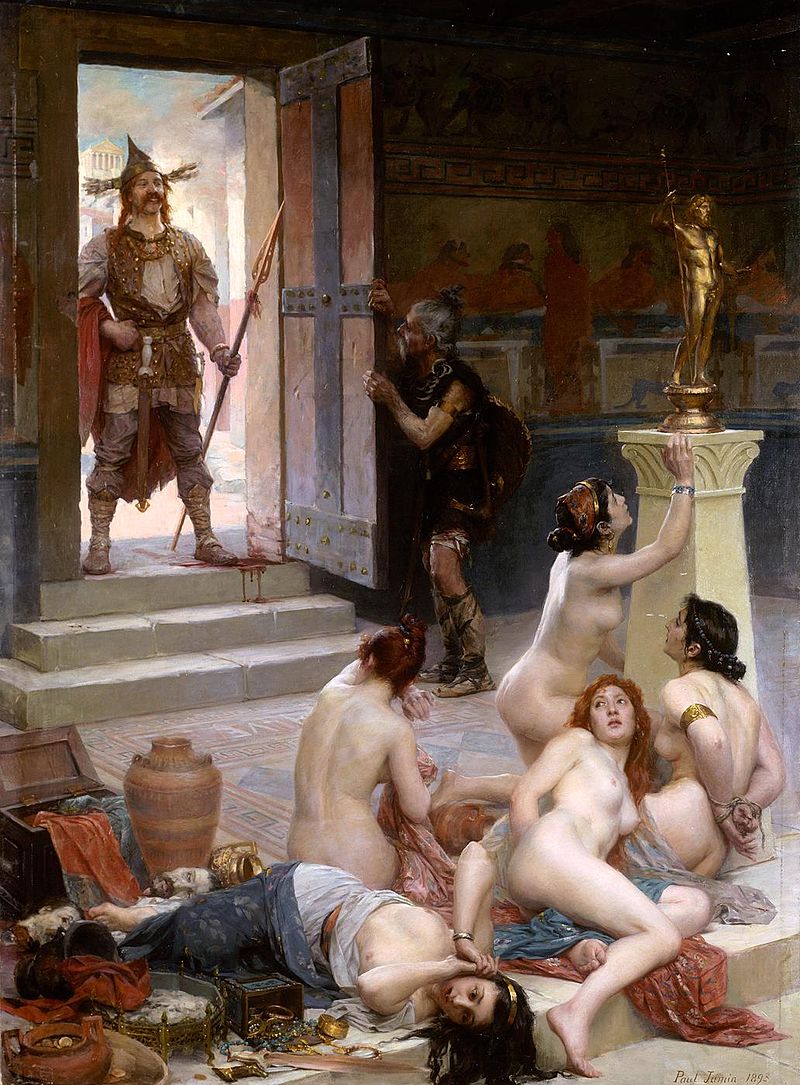
Paul Jamin "Le Brenn et sa part de butin" (1893)
Paul Jamin “Le Brenn et sa part de butin” (1893)

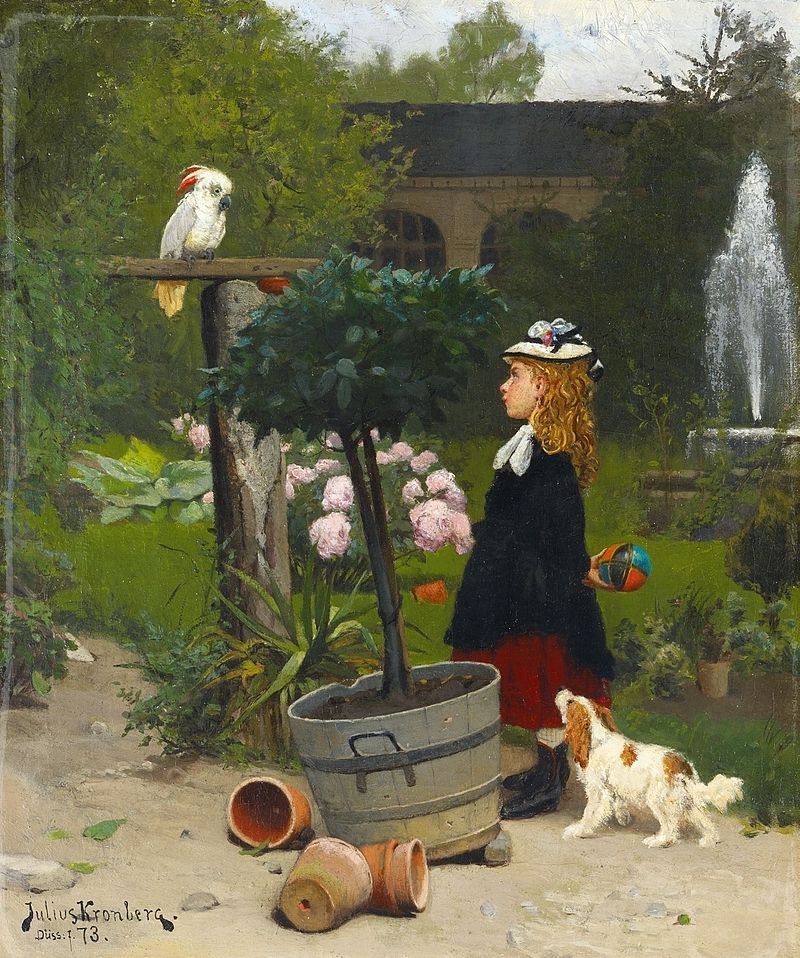
Julius Kronberg "Der neue Spielkamerad"
Julius Kronberg “Der neue Spielkamerad”

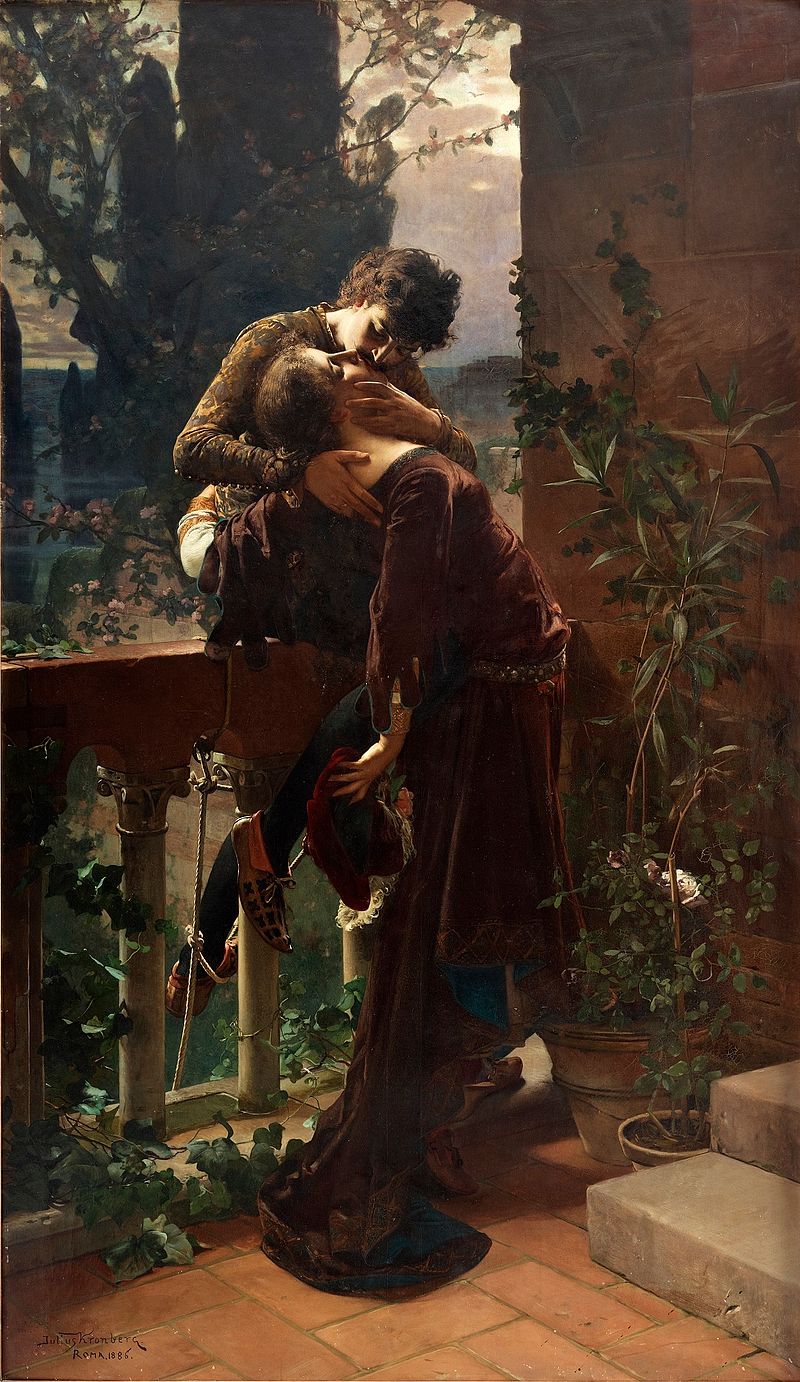
Julius Kronberg "Romeo and Juliet on the Balcony"
Julius Kronberg “Romeo and Juliet on the Balcony”

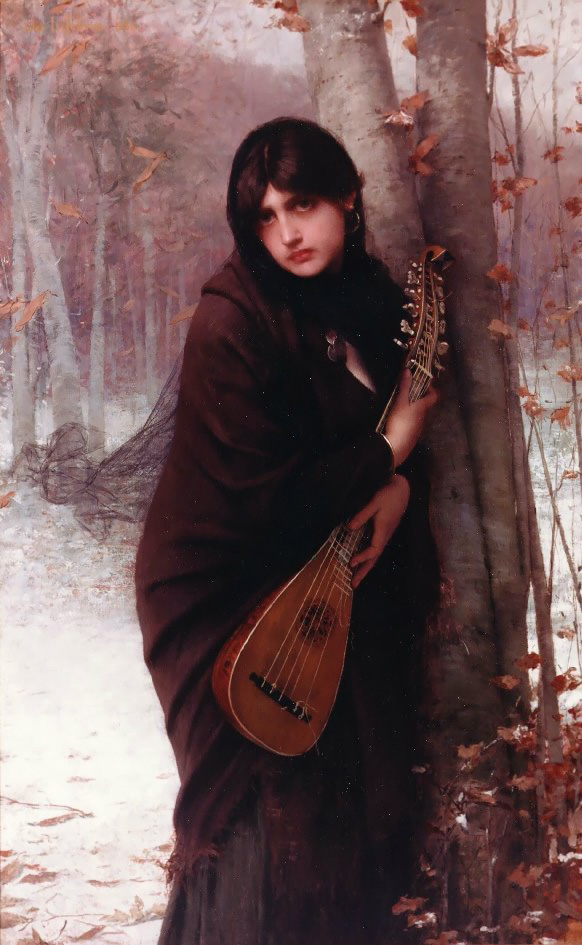
Jules Joseph Lefebvre "Girl with a Mandolin"
Jules Joseph Lefebvre “Girl with a Mandolin”

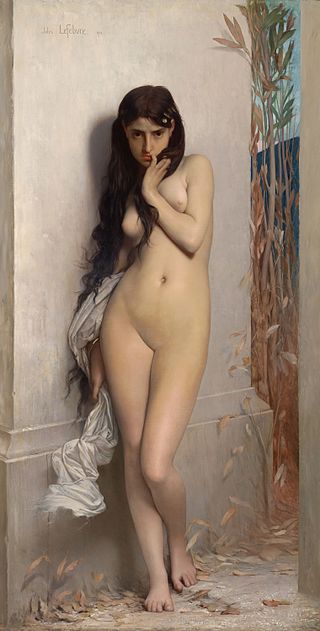
Jules Joseph Lefebvre "La Cigarra" (1872)
Jules Joseph Lefebvre “La Cigarra” (1872)

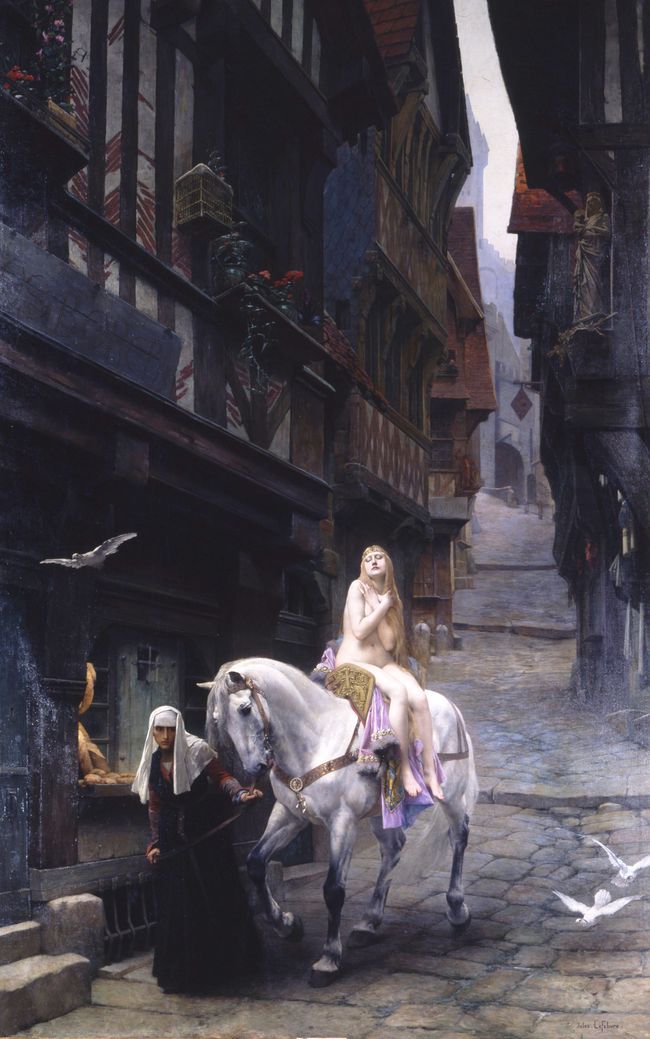
Jules Joseph Lefebvre "Lady Godiva"
Jules Joseph Lefebvre “Lady Godiva”

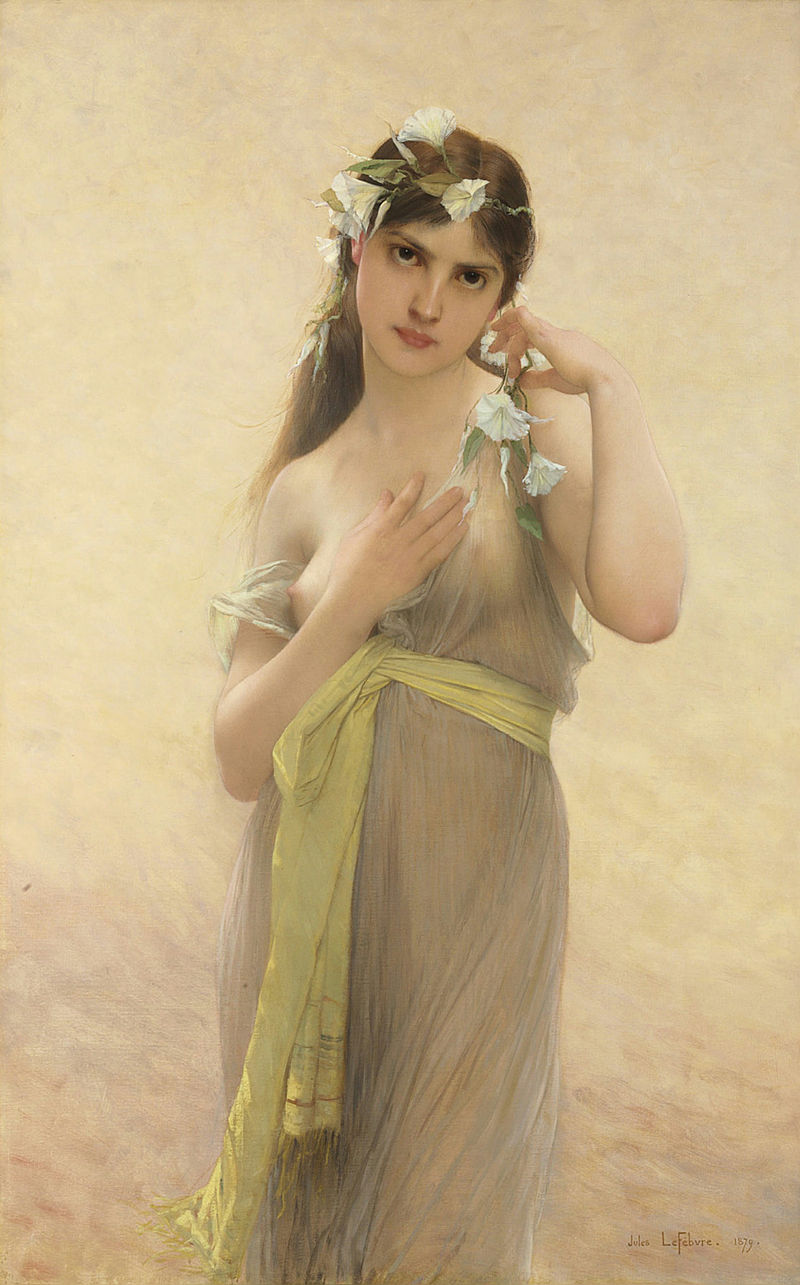
Jules Joseph Lefebvre "Morning Glory" (1879)
Jules Joseph Lefebvre “Morning Glory” (1879)

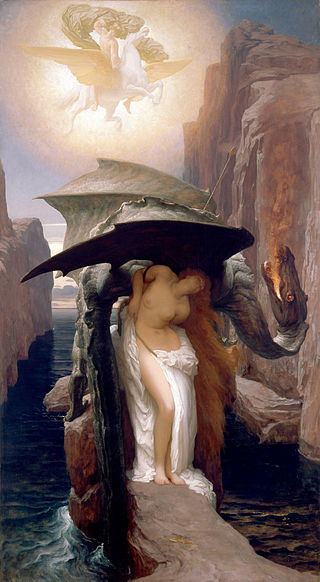
Frederic Leighton "Perseus and Andromeda"
Frederic Leighton “Perseus and Andromeda”

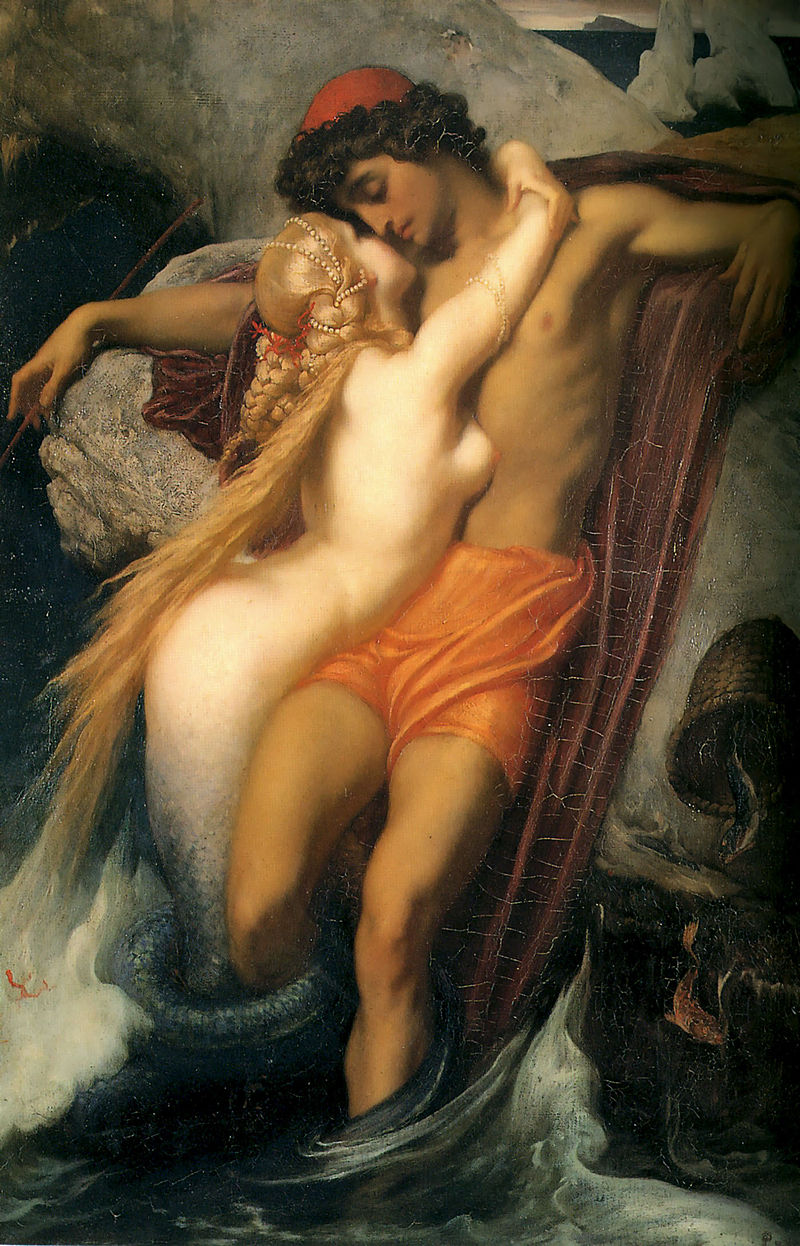
Frederic Leighton "The Fisherman and the Syren" (1856)
Frederic Leighton “The Fisherman and the Syren” (1856)

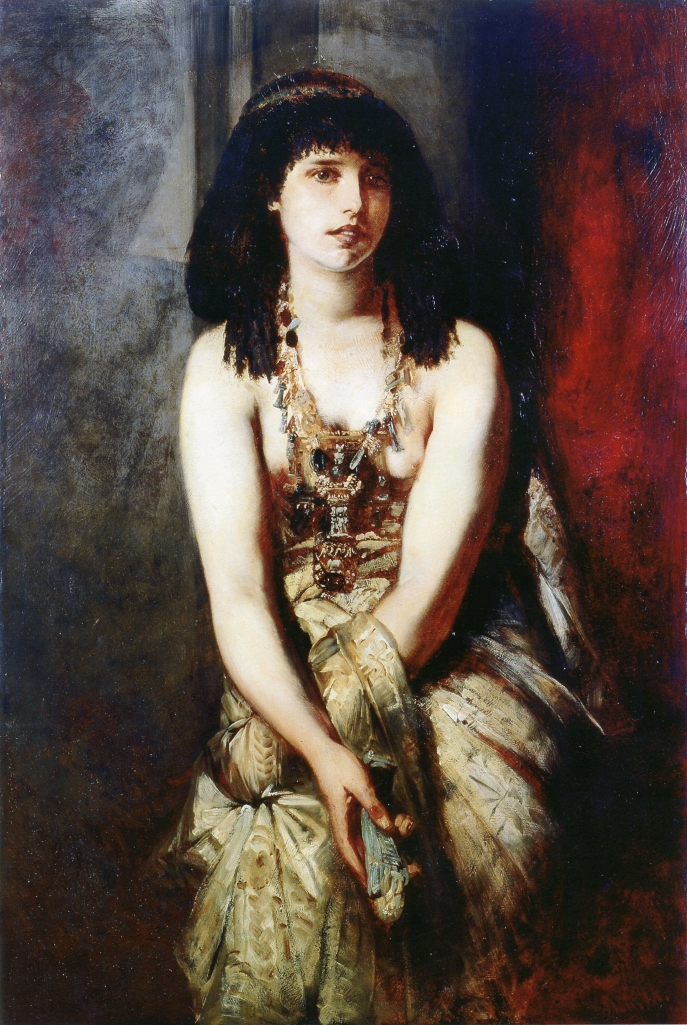
Hans Makart "An Egyptian Princess" (1875)
Hans Makart “An Egyptian Princess” (1875)

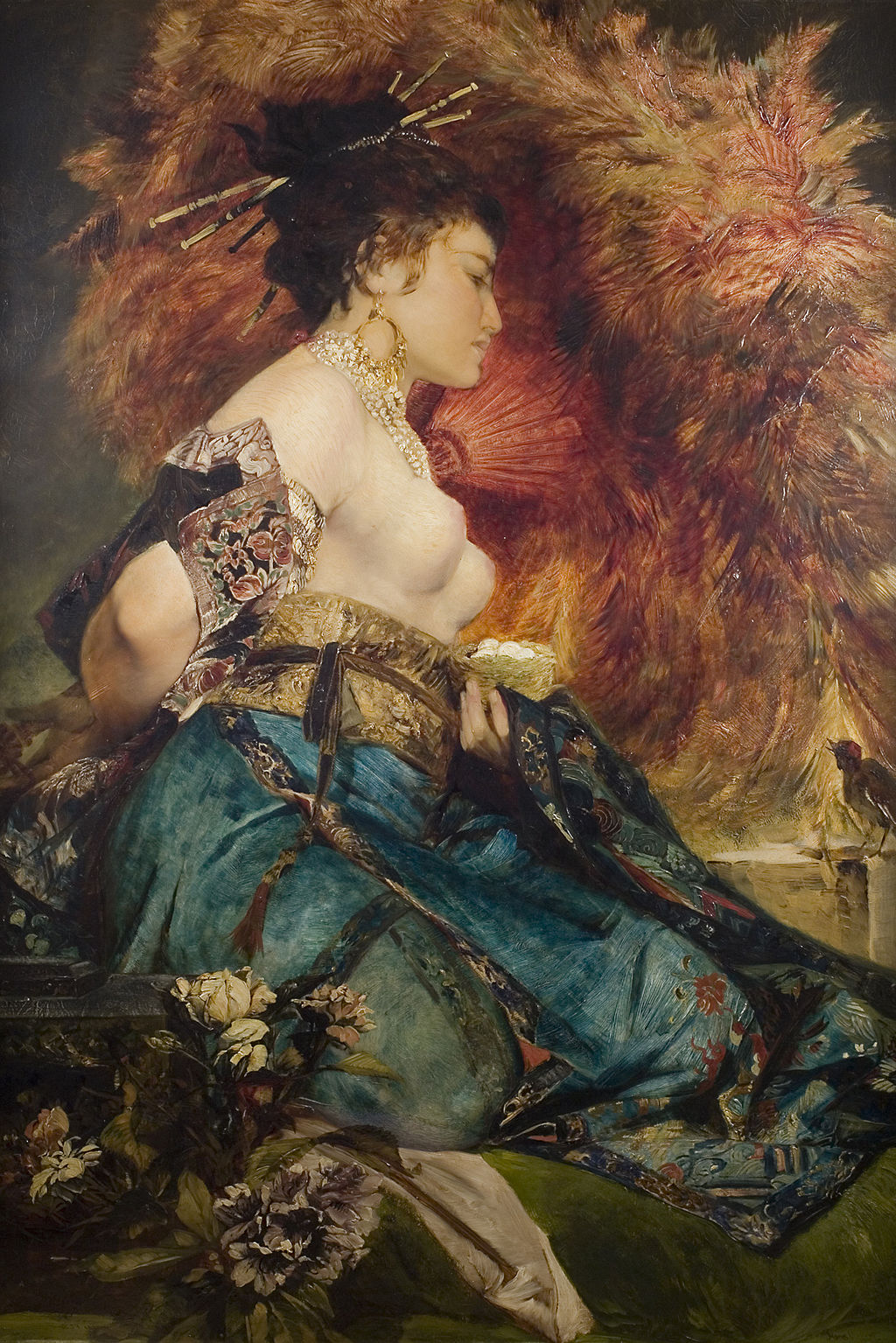
Hans Makart "Japanese Kimono"
Hans Makart “Japanese Kimono”

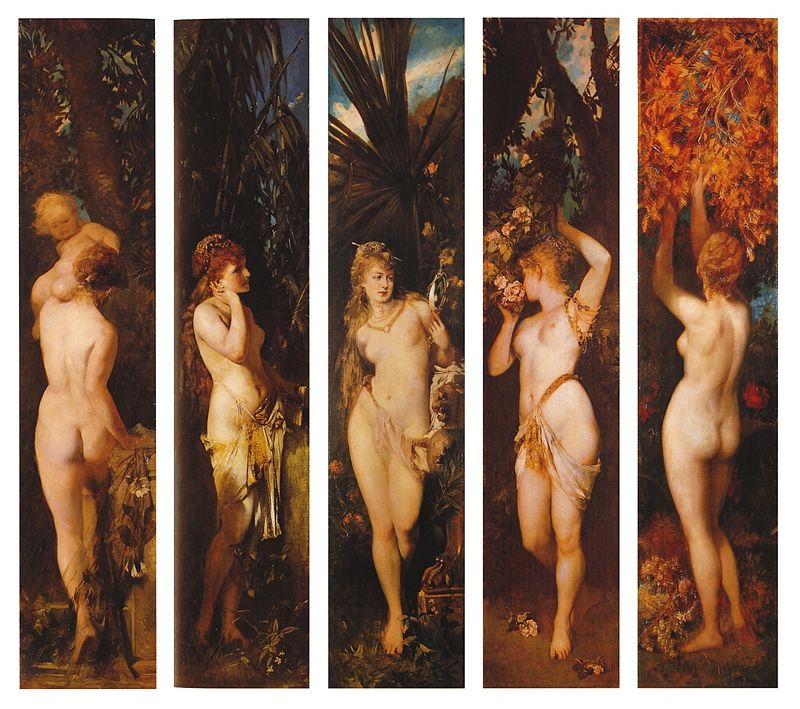
Hans Makart "The Five Senses"
Hans Makart “The Five Senses”

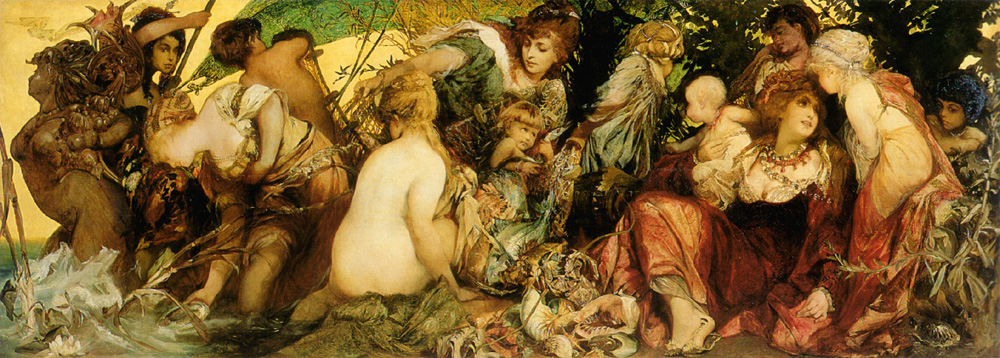
Hans Makart "Abundantia: the Gifts of the Sea" (1870)
Hans Makart “Abundantia: the Gifts of the Sea” (1870)

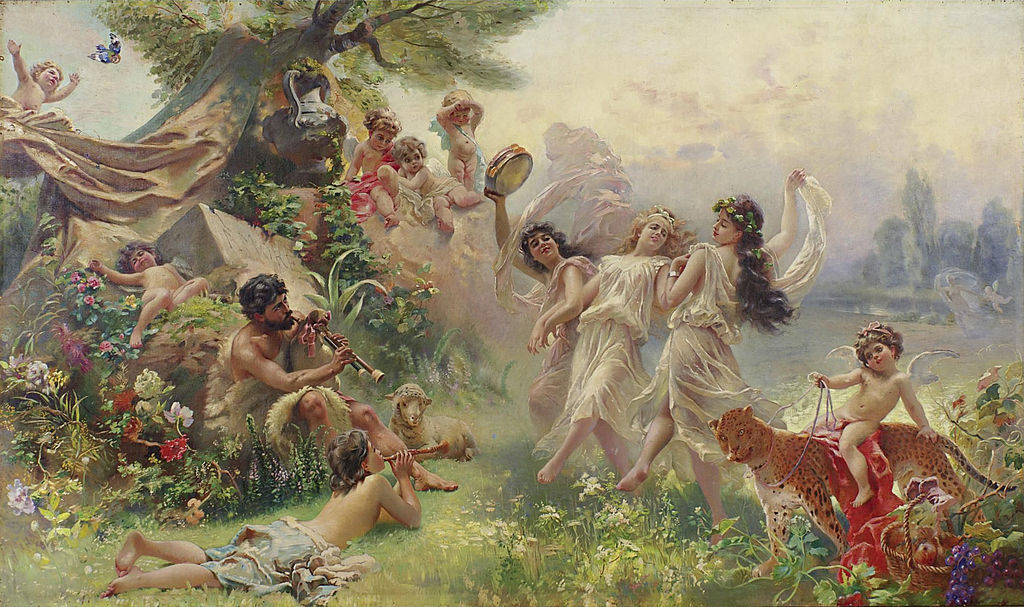
Konstantin Makovsky "Allegorical Scene"
Konstantin Makovsky “Allegorical Scene”

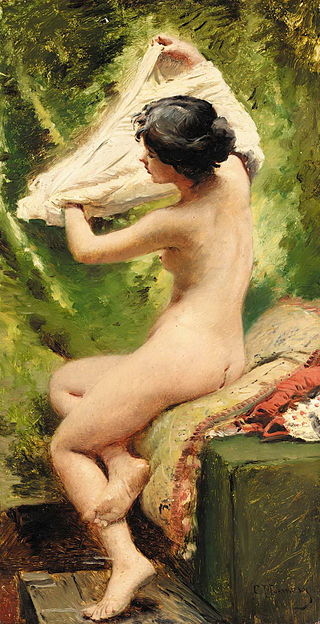
Konstantin Makovsky "Beauty Preparing to Bathe"
Konstantin Makovsky “Beauty Preparing to Bathe”

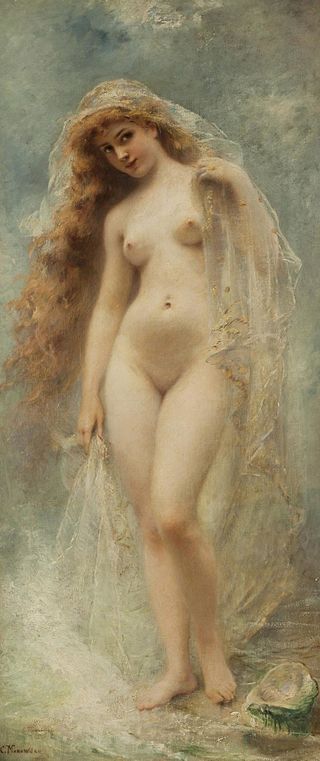
Konstantin Makovsky "Geburt der Aphrodite"
Konstantin Makovsky “Geburt der Aphrodite”

Konstantin Makovsky "Gypsy"
Konstantin Makovsky “Gypsy”

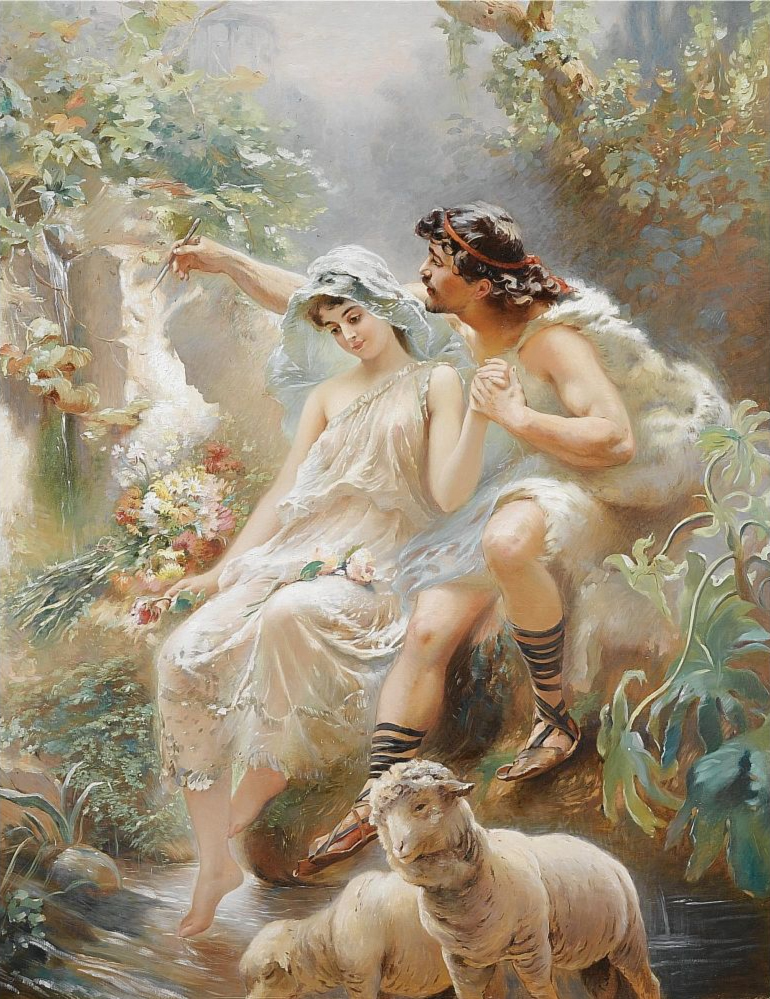
Konstantin Makovsky "Happy Arcadia"
Konstantin Makovsky “Happy Arcadia”

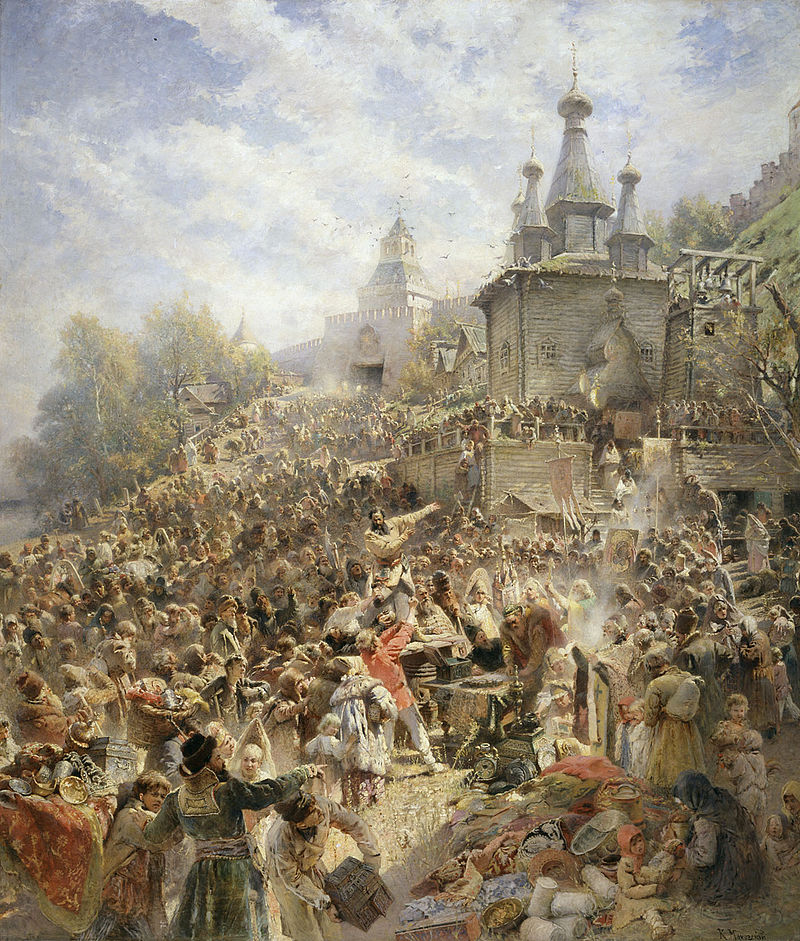
Konstantin Makovsky "The Appeal of Minin"
Konstantin Makovsky “The Appeal of Minin”

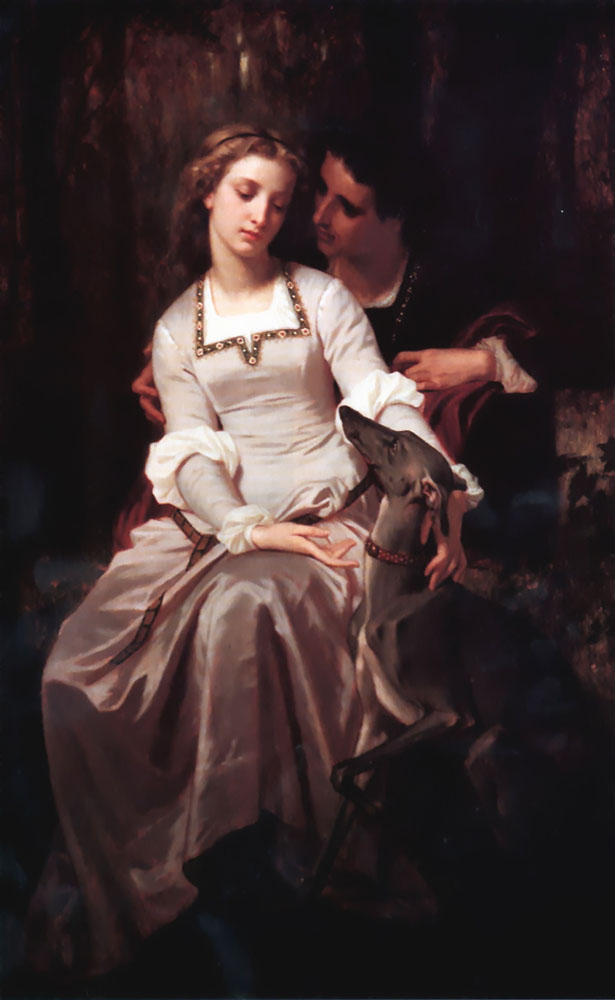
Hughues Merle "Tristan and Isolde"
Hughues Merle “Tristan and Isolde”

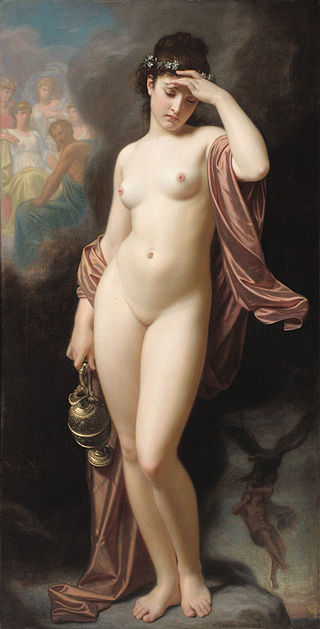
Hughues Merle "Hebe apres sa chute"
Hughues Merle “Hebe apres sa chute”

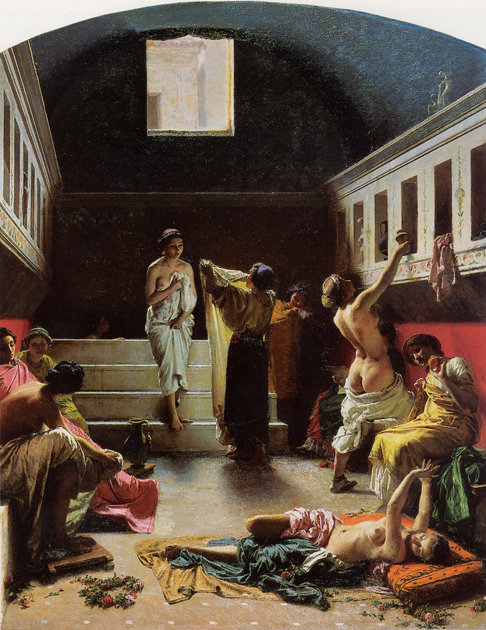
Domenico Morelli "Pompeian Bath" (1861)
Domenico Morelli “Pompeian Bath” (1861)

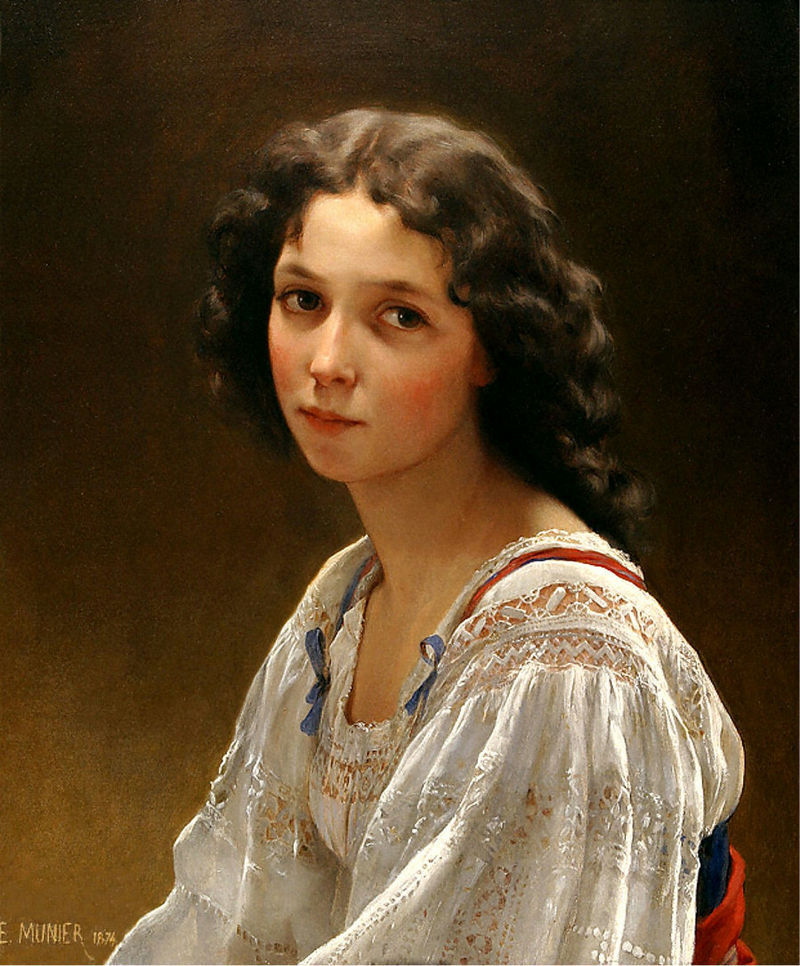
Émile Munier "Head of a Young Girl"
Émile Munier “Head of a Young Girl”

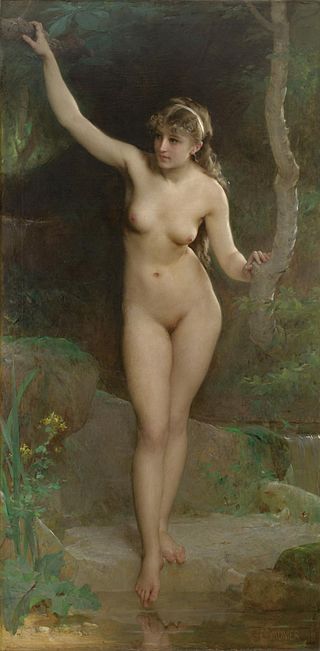
Émile Munier "La baigneuse"
Émile Munier “La baigneuse”

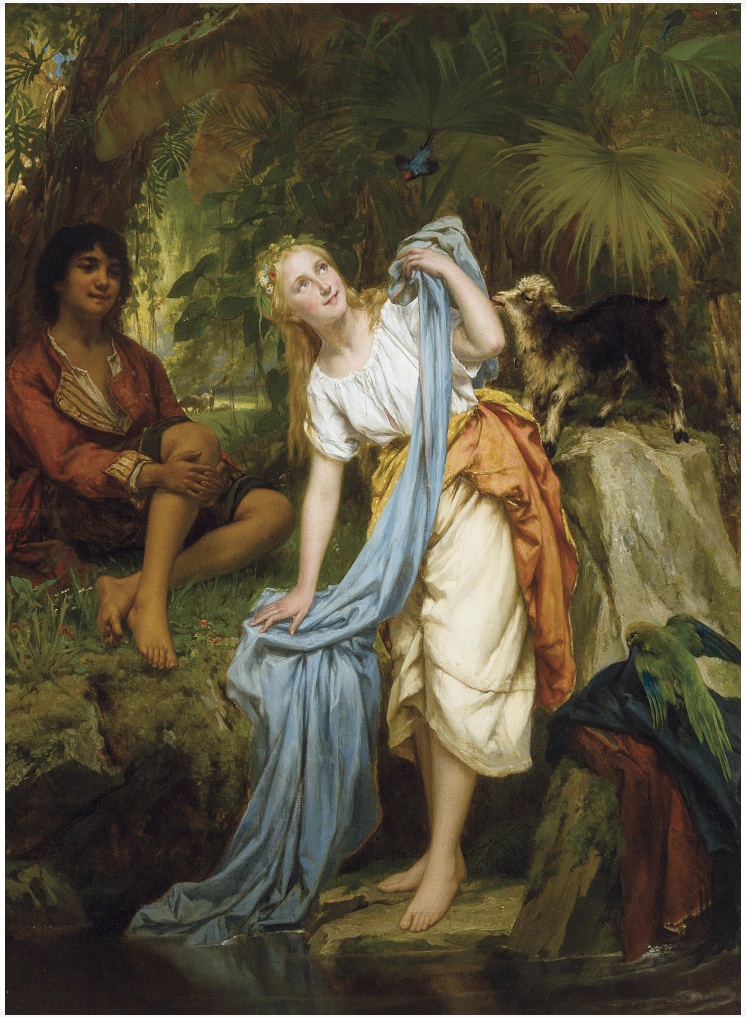
Karel Ooms "Summer Fantasy"
Karel Ooms “Summer Fantasy”

Paul Peel "The Little Shepherdess"
Paul Peel “The Little Shepherdess”

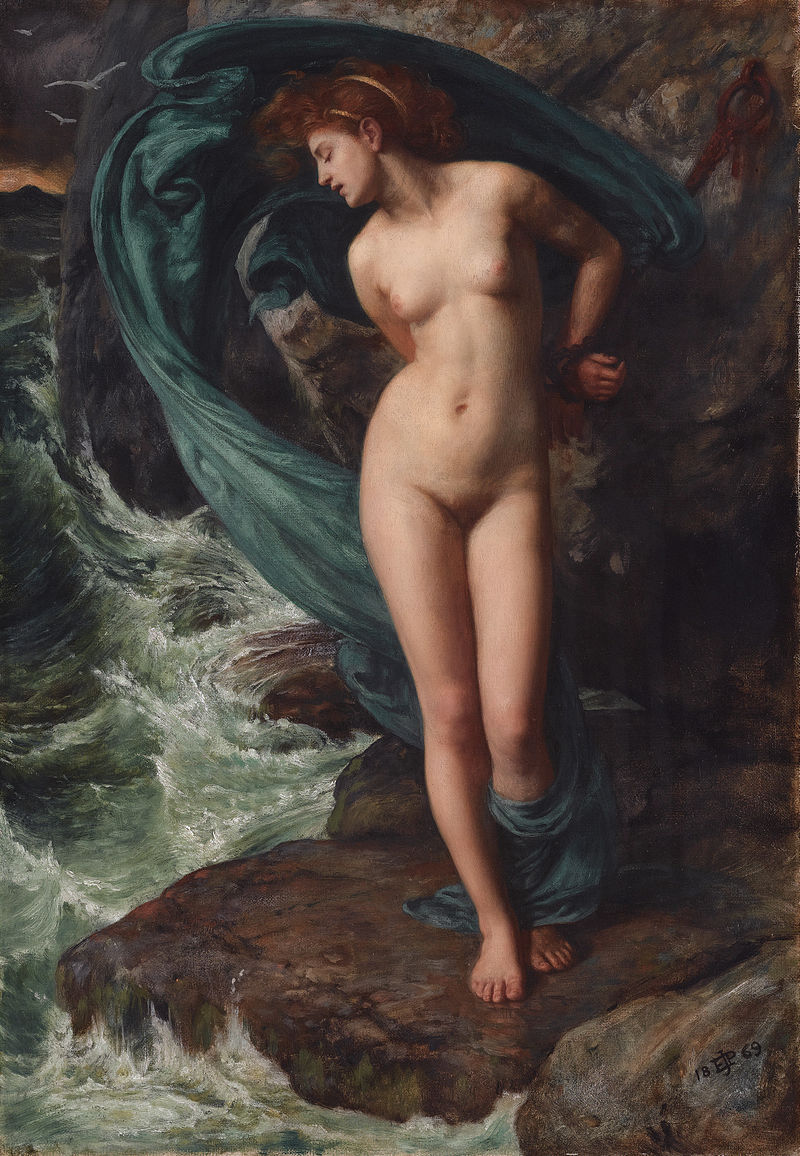
Edward Poynter "Andromeda" (1869)
Edward Poynter “Andromeda” (1869)

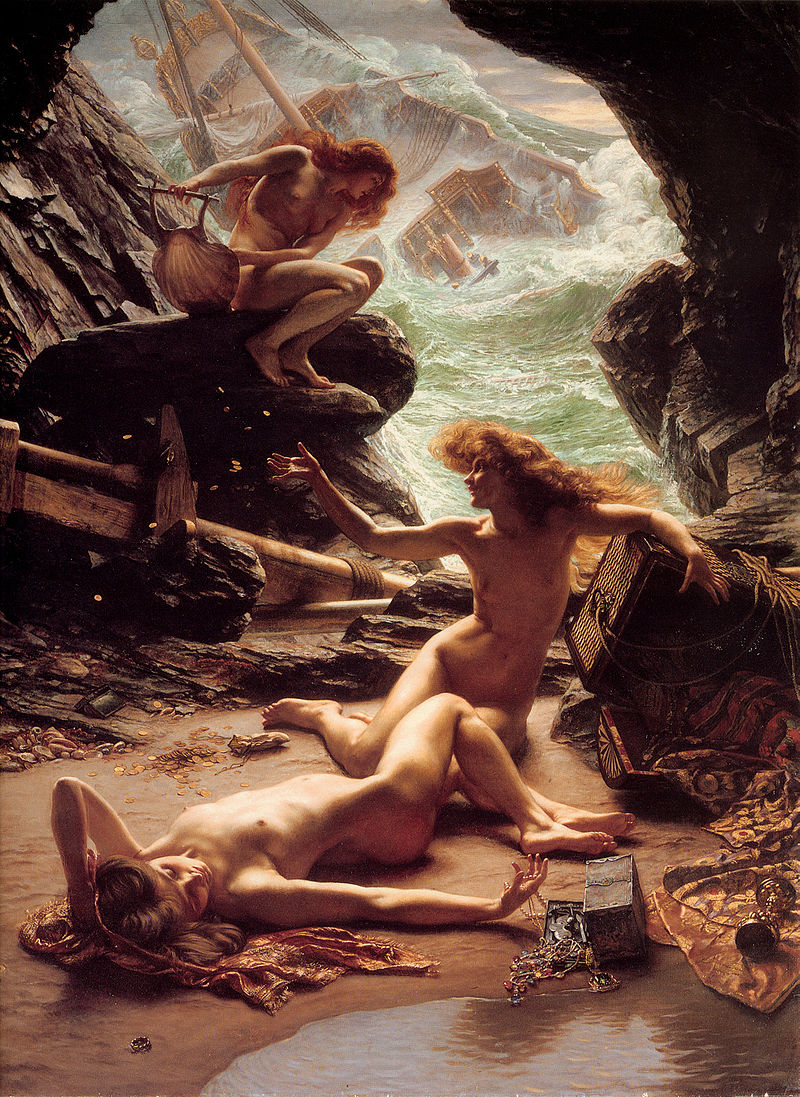
Edward Poynter "Cave of the Storm Nymphs"
Edward Poynter “Cave of the Storm Nymphs”

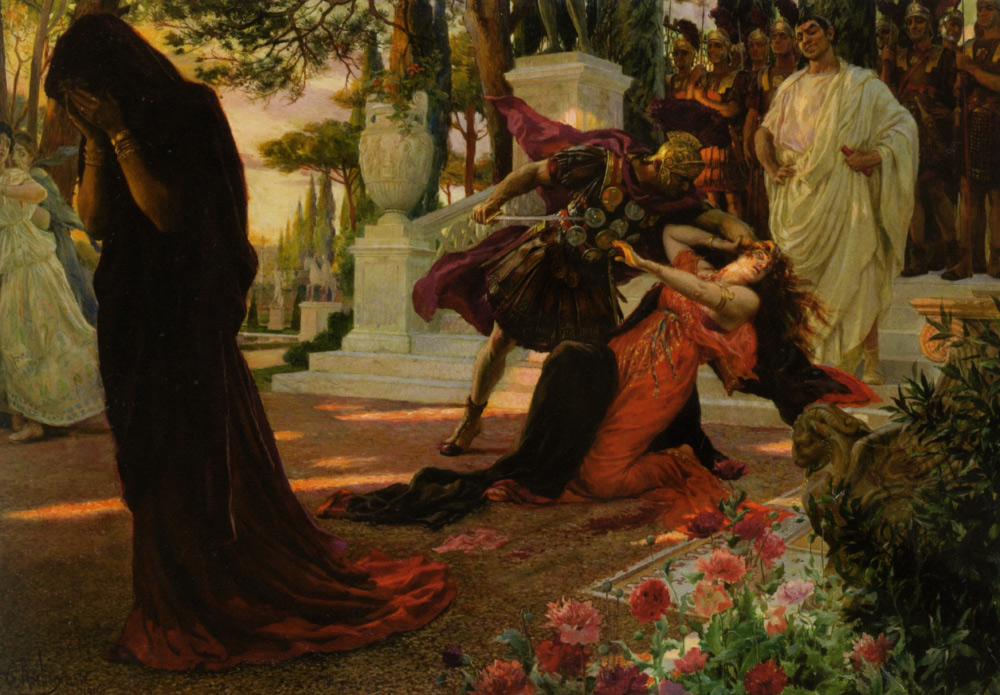
Georges Rochegrosse "The Death of Messalina" (1916)
Georges Rochegrosse “The Death of Messalina” (1916)

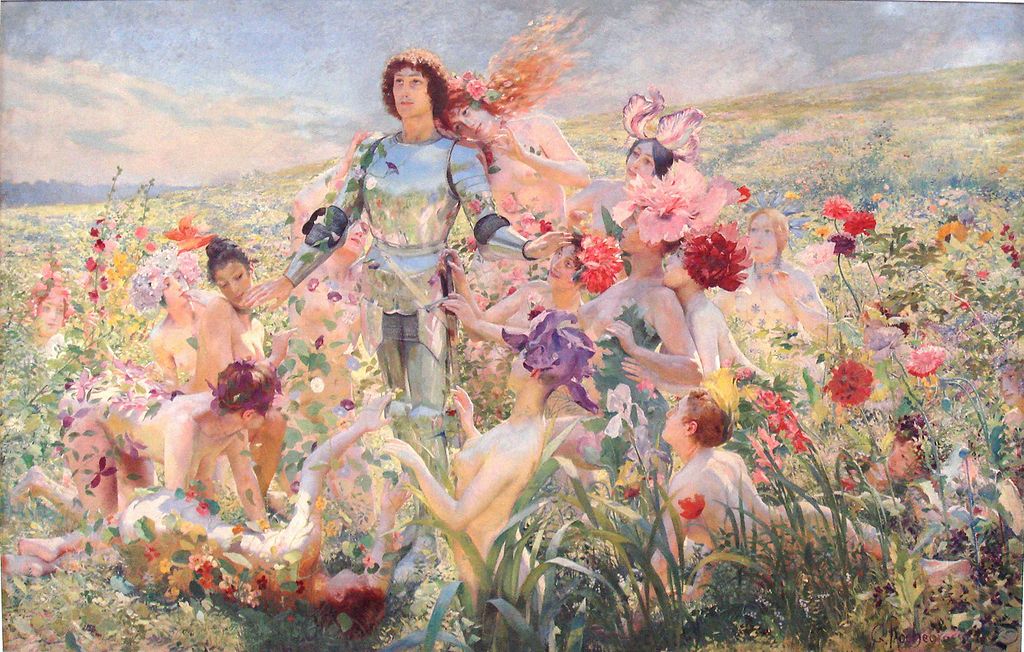
Georges Rochegrosse "Le Chevalier aux Fleurs" (1894)
Georges Rochegrosse “Le Chevalier aux Fleurs” (1894)

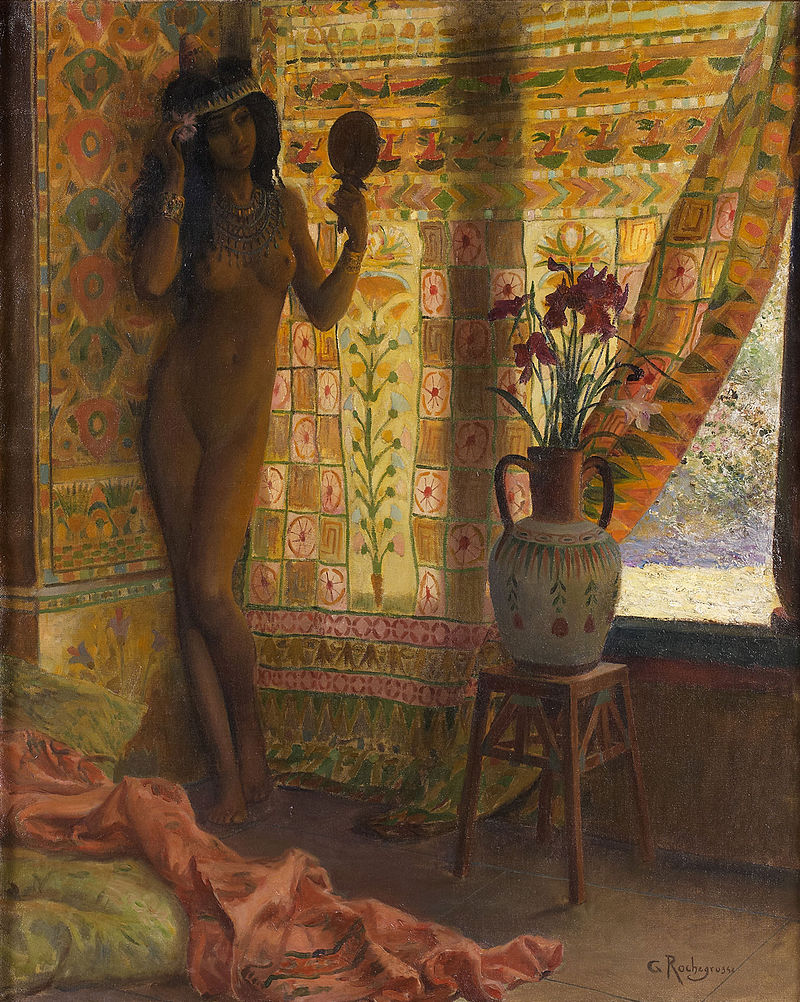
Georges Rochegrosse "The Mirror"
Georges Rochegrosse “The Mirror”

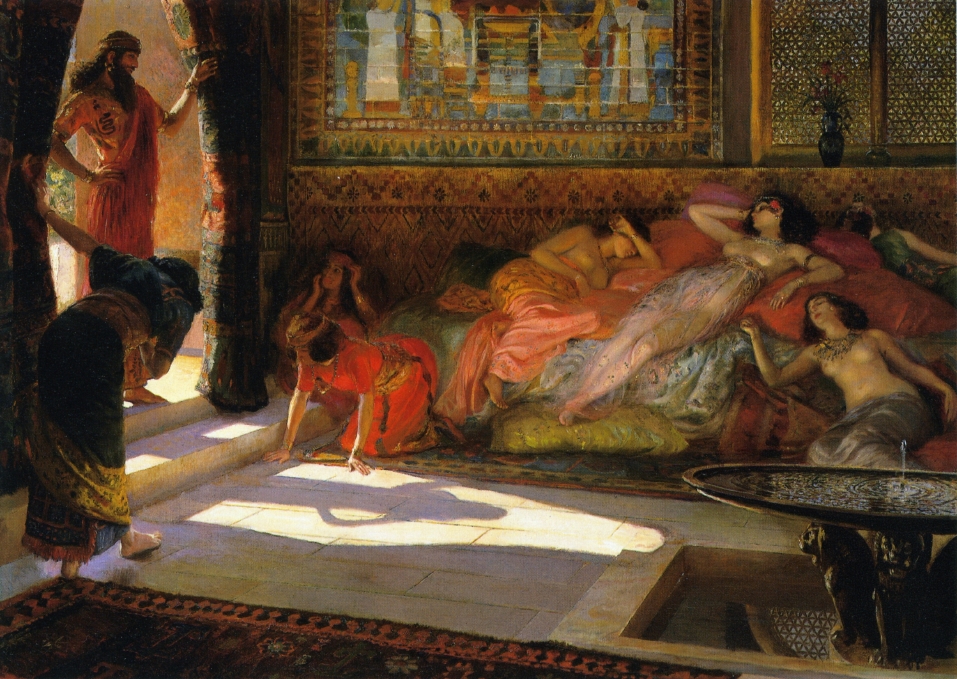
Georges Rochegrosse "The Arab Guard"
Georges Rochegrosse “The Arab Guard”

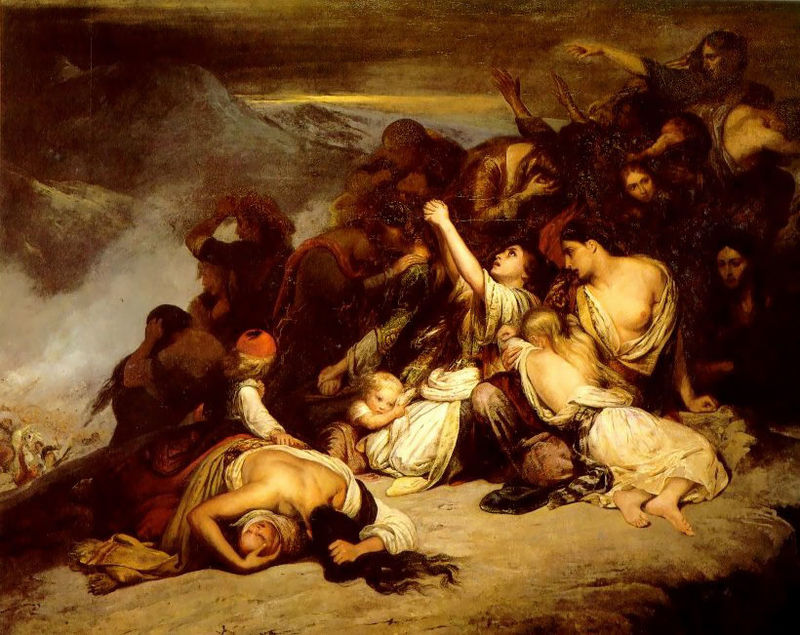
Ary Scheffer "The Souliot Women" (1827)
Ary Scheffer “The Souliot Women” (1827)

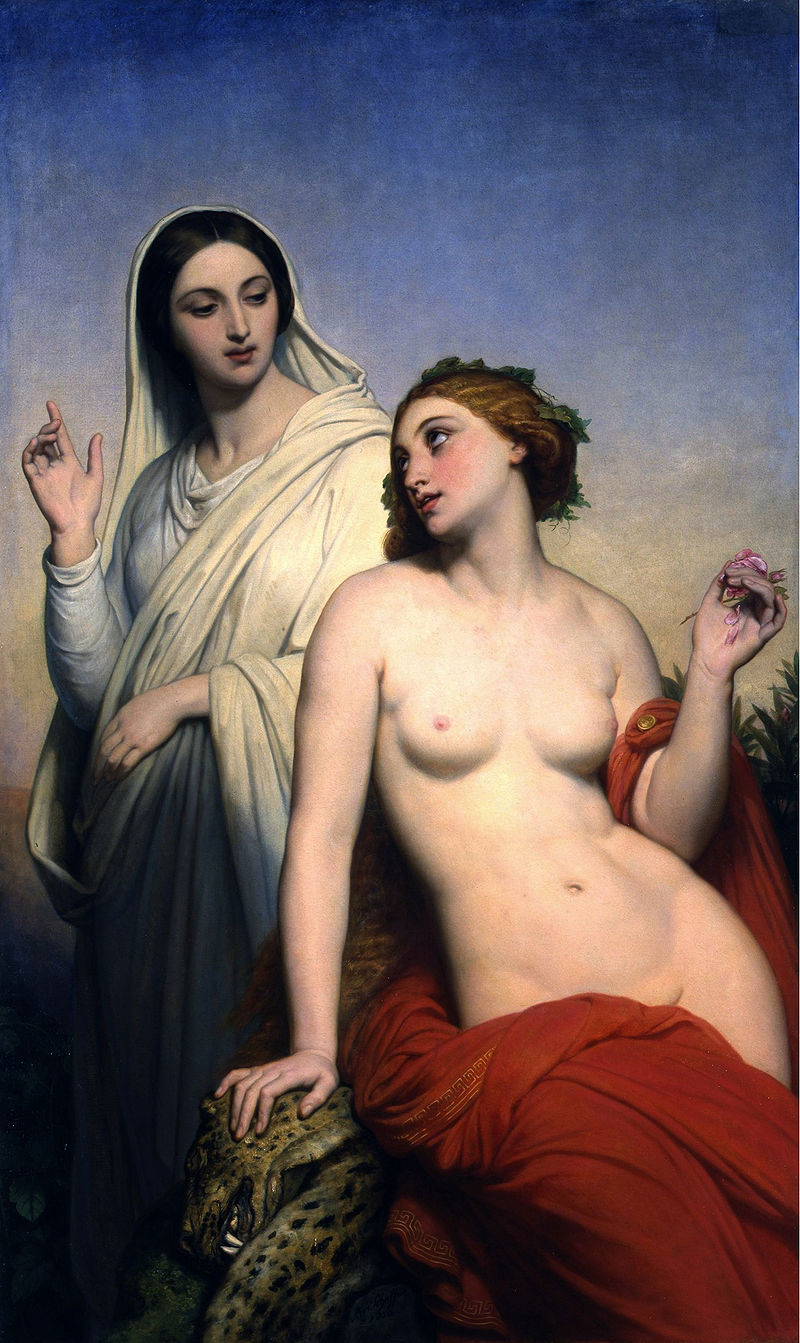
Ary Scheffer "De hemelse en aardse liefde" (1850)
Ary Scheffer “De hemelse en aardse liefde” (1850)

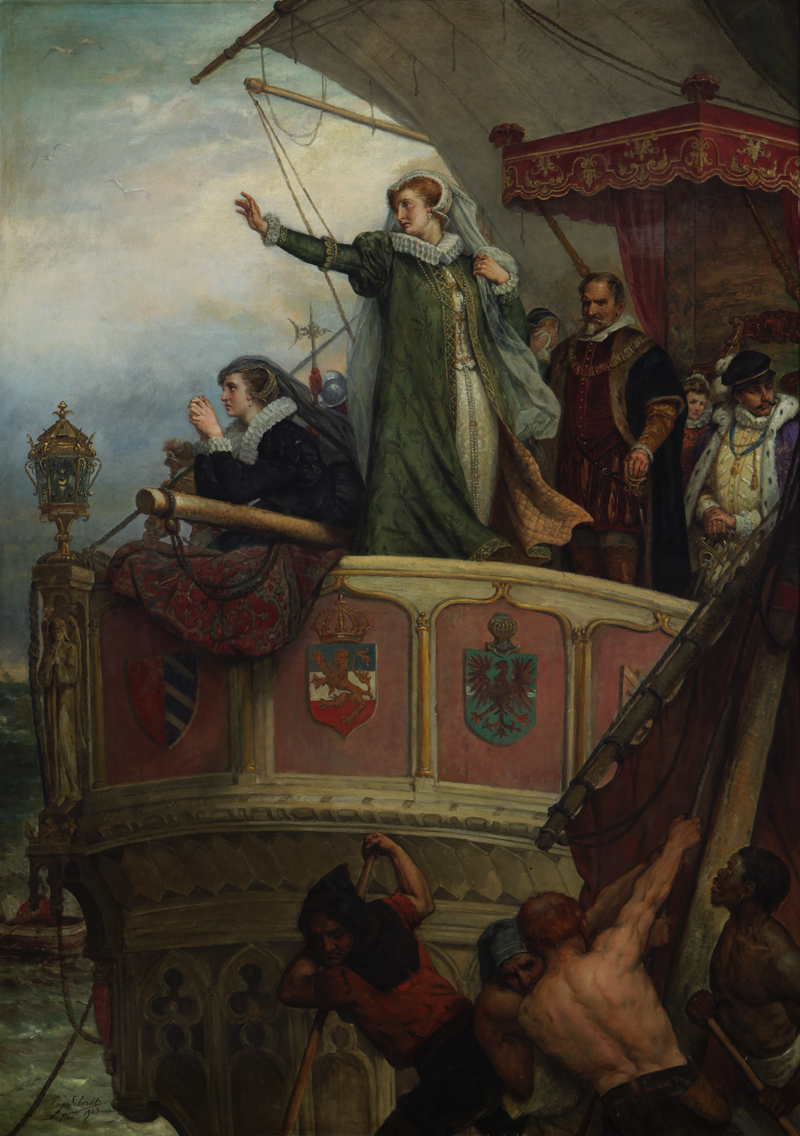
Eugene Siberdt "Farewell Dear France, 15 August 1561"
Eugene Siberdt “Farewell Dear France, 15 August 1561”

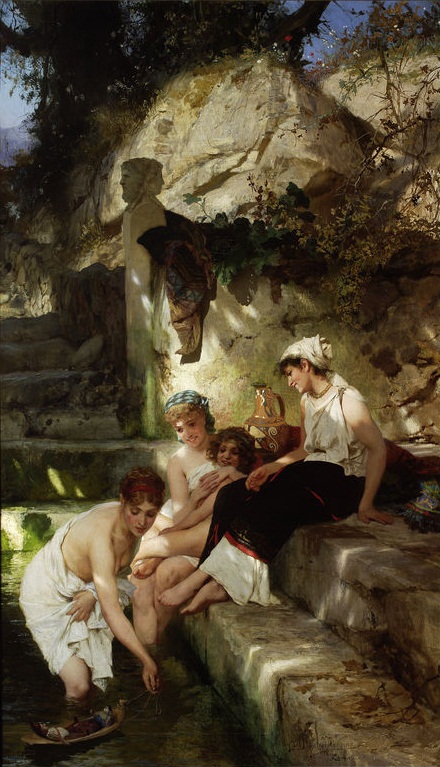
Henryk Siemiradzki "Before the Bath"
Henryk Siemiradzki “Before the Bath”

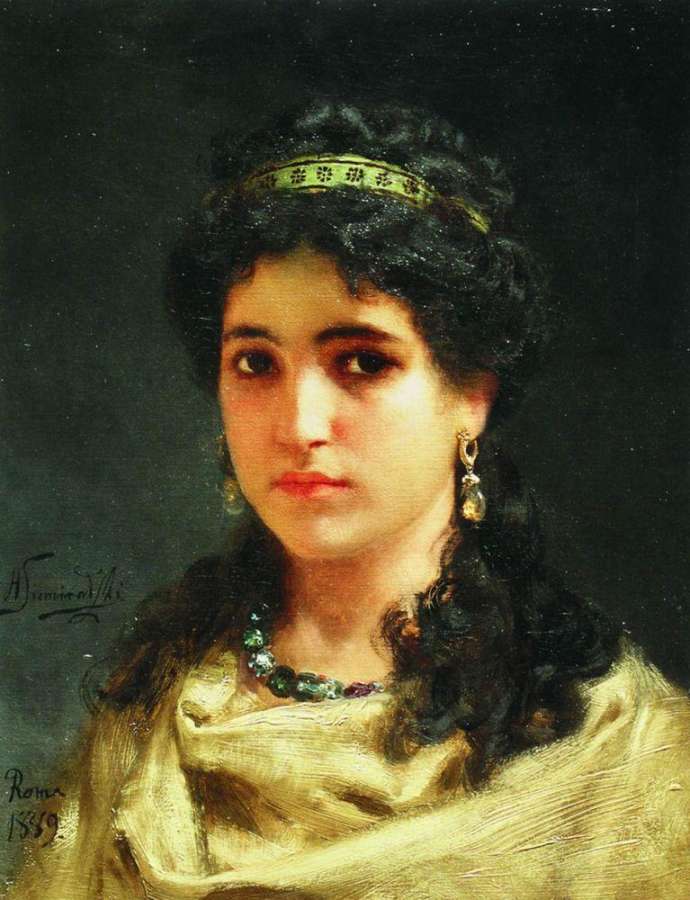
Henryk Siemiradzki "Portrait einer römischen Schönheit" (1889)
Henryk Siemiradzki “Portrait einer römischen Schönheit” (1889)

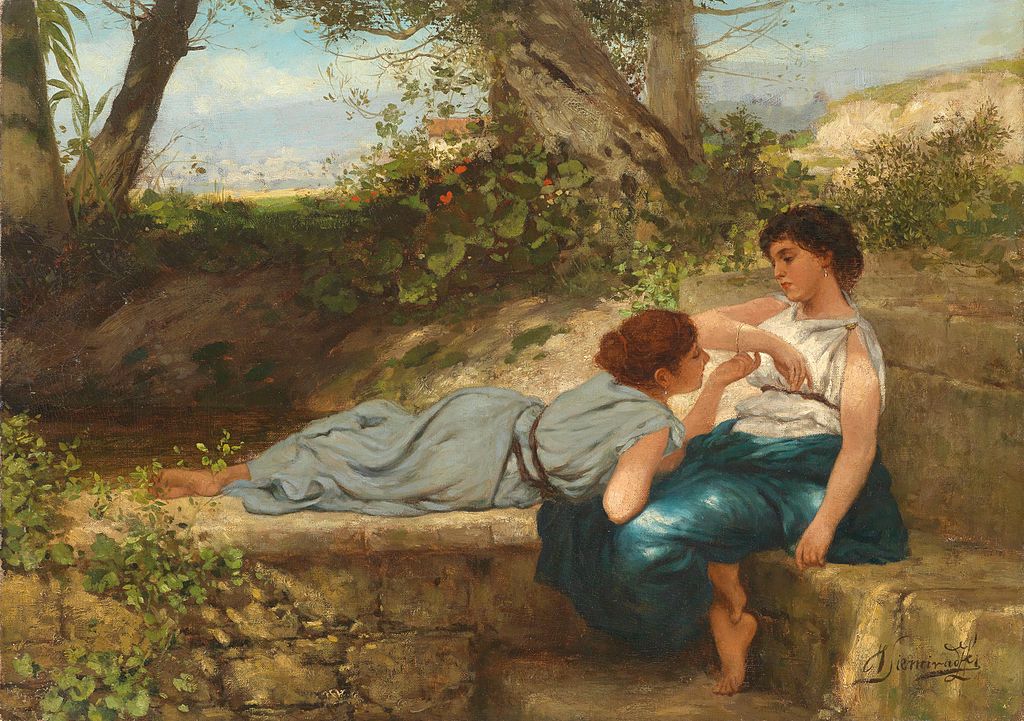
Henryk Siemiradzki "Das Gespräch"
Henryk Siemiradzki “Das Gespräch”

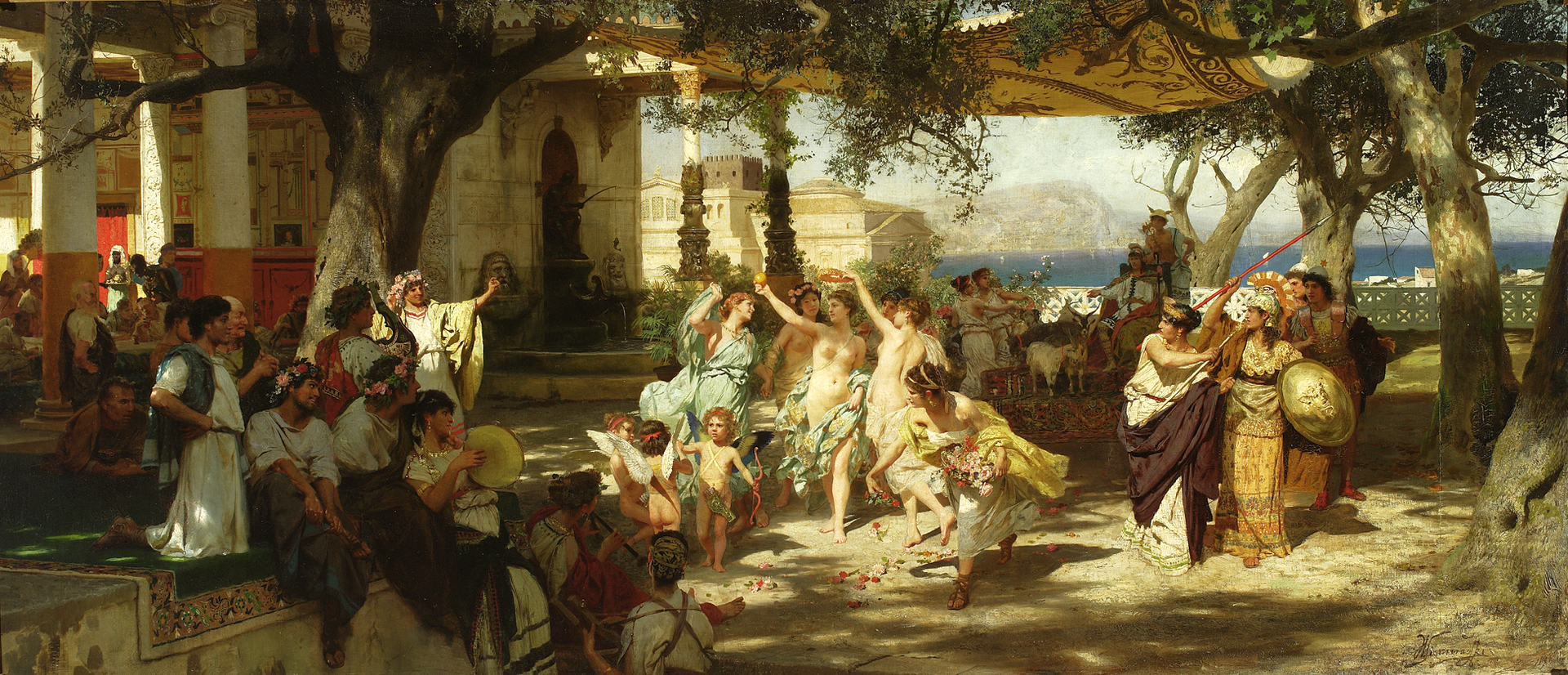
Henryk Siemiradzki "Judgement of Paris"
Henryk Siemiradzki “Judgement of Paris”

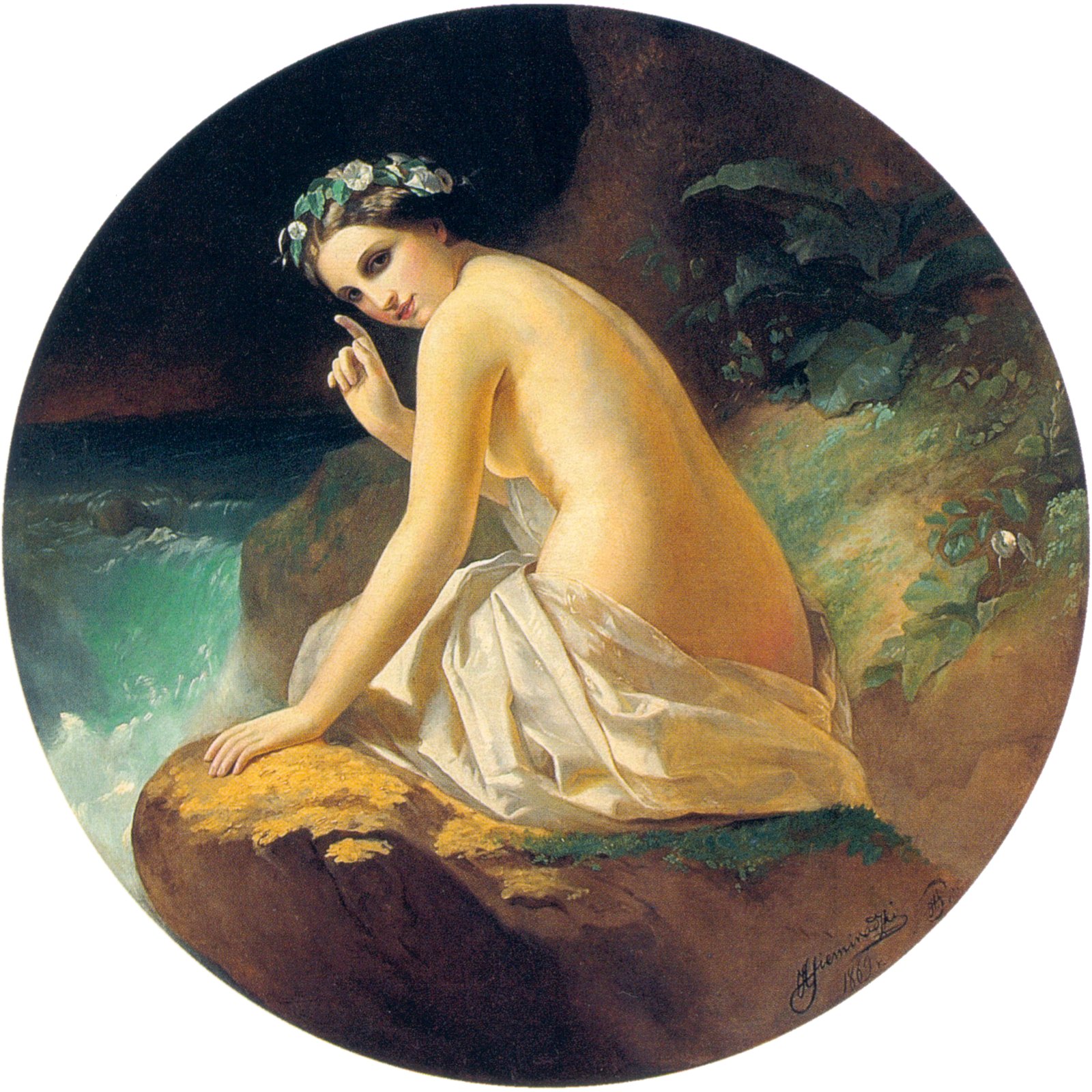
Henryk Siemiradzki "Nimfa"
Henryk Siemiradzki “Nimfa”

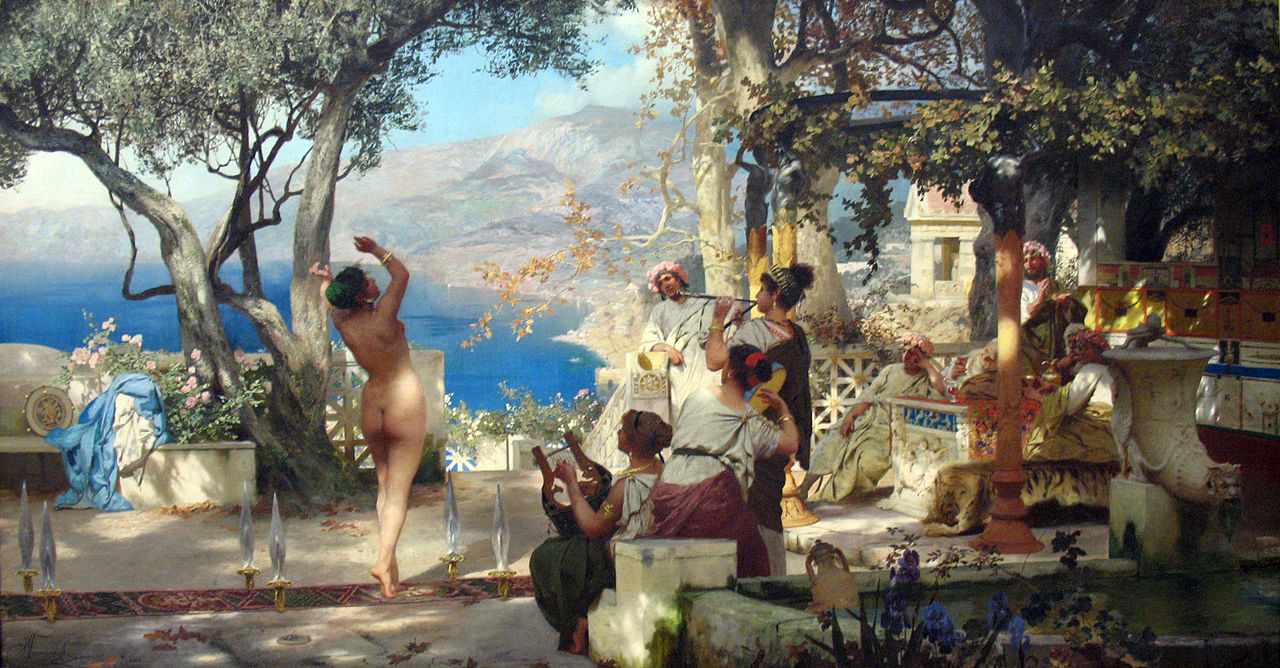
Henryk Siemiradzki "Tanz der Schwerter Anagoria"
Henryk Siemiradzki “Tanz der Schwerter Anagoria”

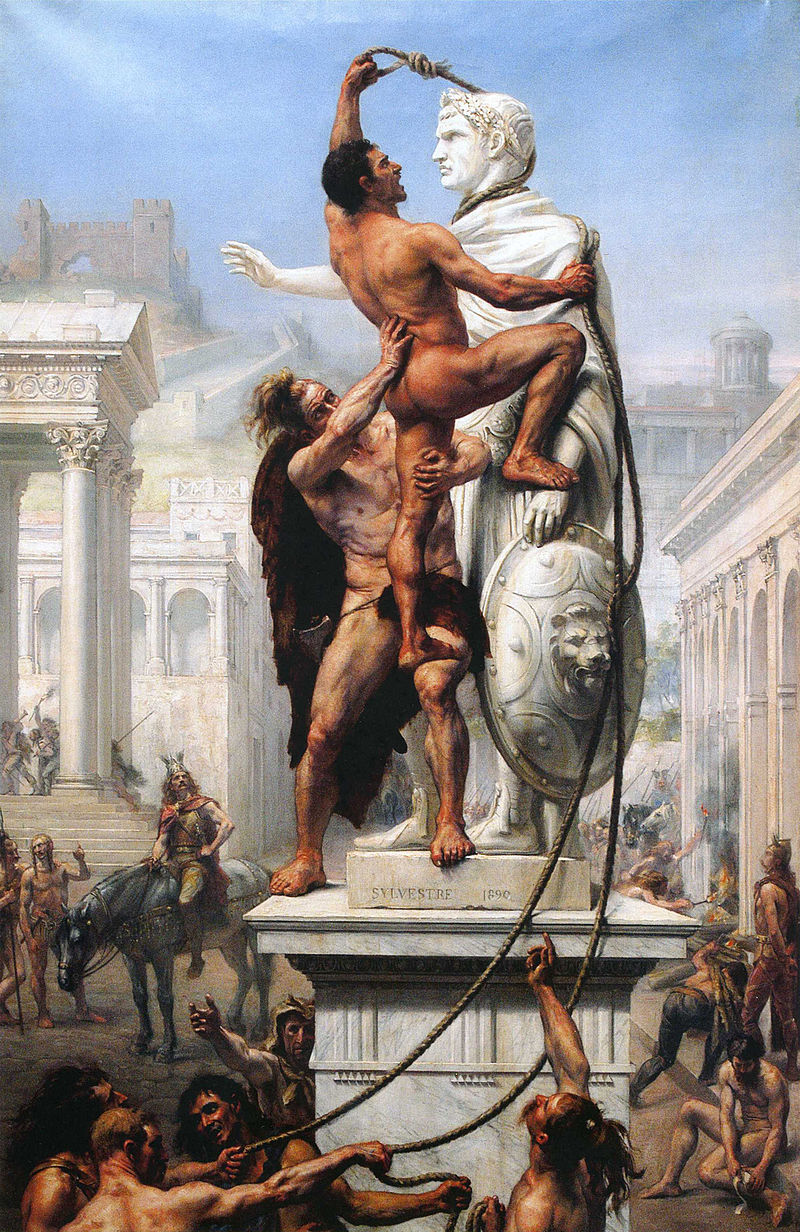
Joseph Noel Sylvestre "Visigoths Sack Rome"
Joseph Noel Sylvestre “Visigoths Sack Rome”

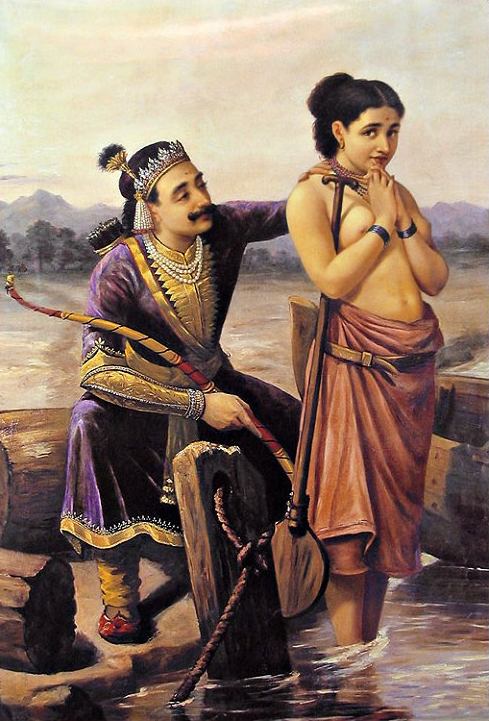
Raja Ravi Varma "Shantanu and Satyavati"
Raja Ravi Varma “Shantanu and Satyavati”

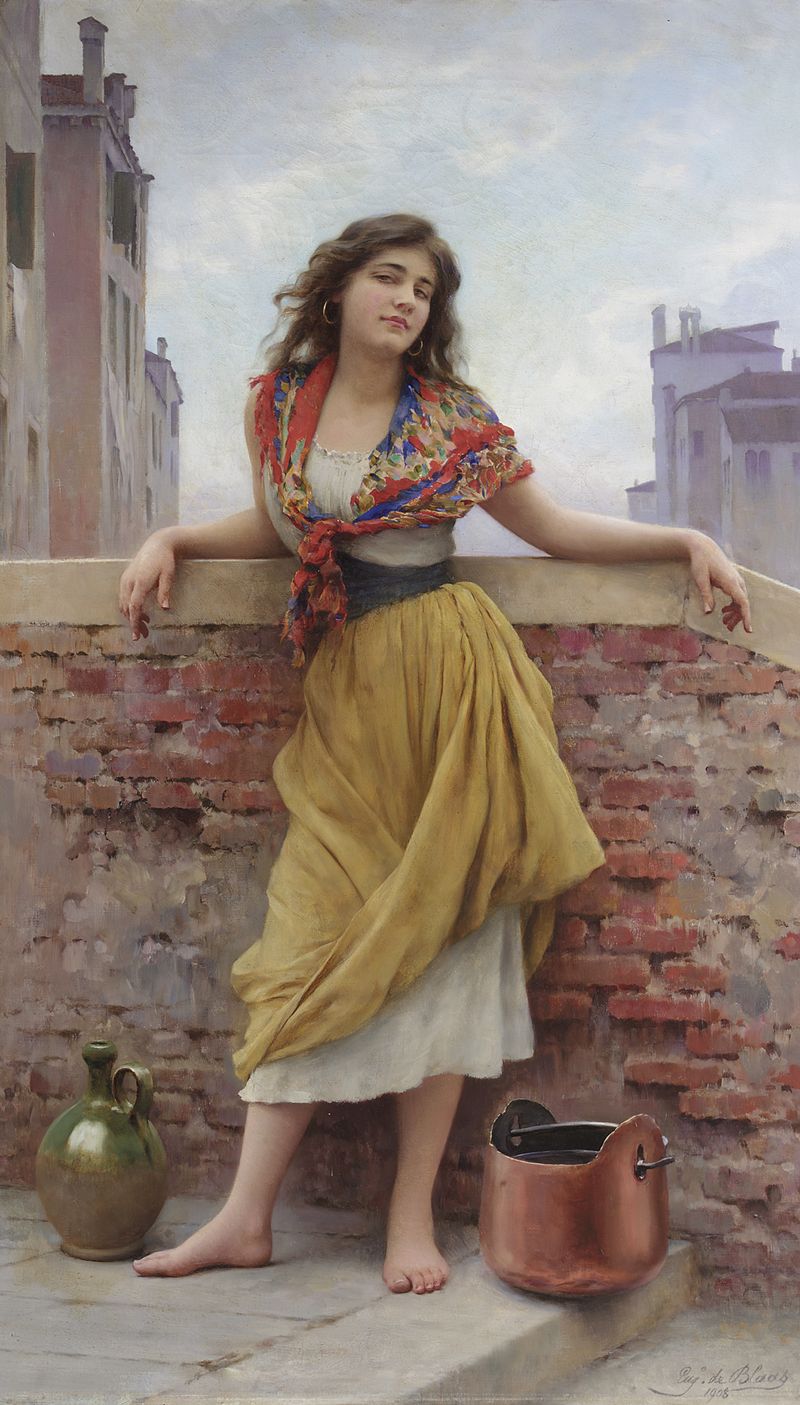
Eugen von Blaas "Die Wassertragerin"
Eugen von Blaas “Die Wassertragerin”

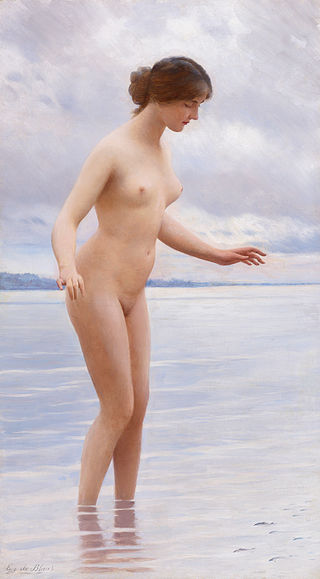
Eugen von Blaas "In the Water"
Eugen von Blaas “In the Water”

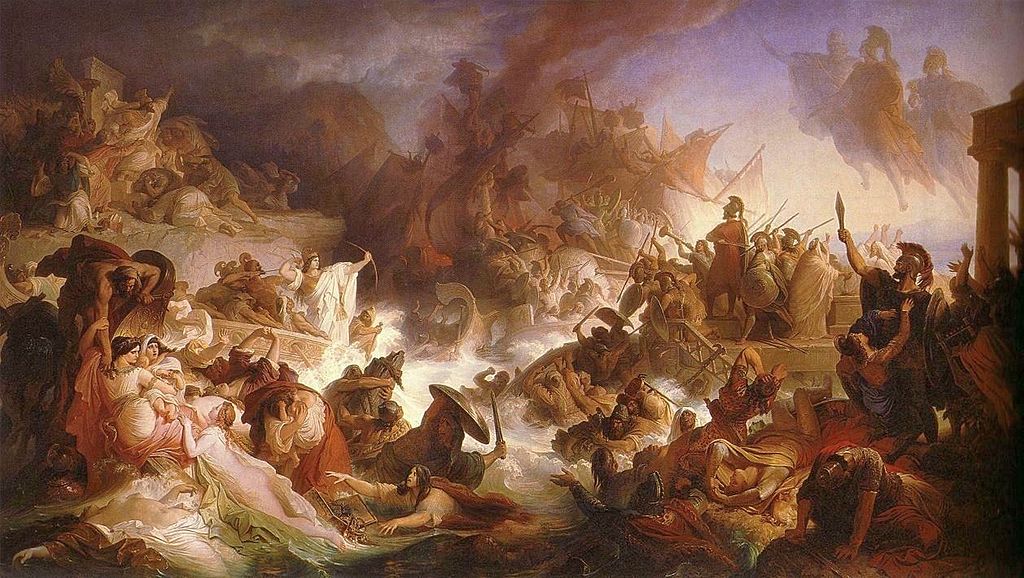
Wilhelm von Kaulbach "Die Seeschlacht bei Salamis" (1868)
Wilhelm von Kaulbach “Die Seeschlacht bei Salamis” (1868)

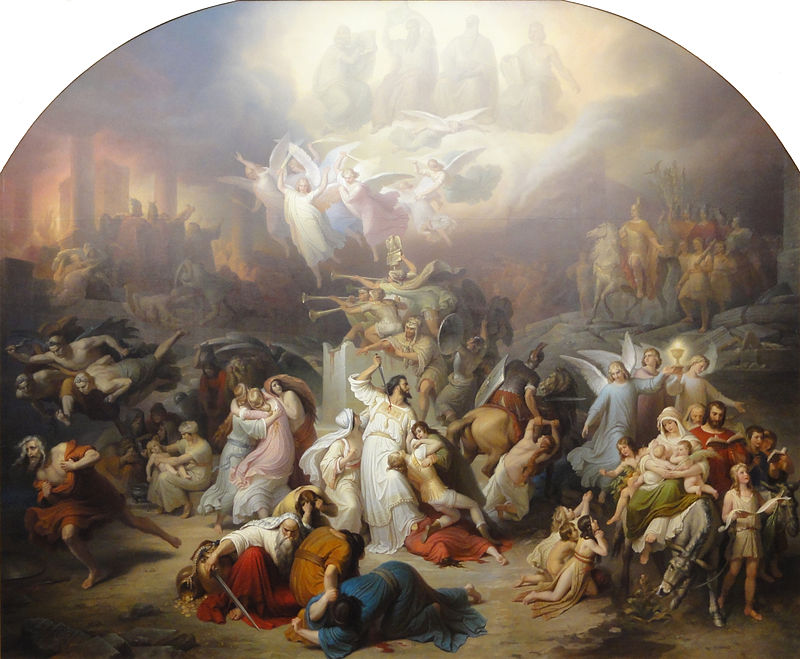
Wilhelm von Kaulbach "The Destruction of Jerusalem by Titus"
Wilhelm von Kaulbach “The Destruction of Jerusalem by Titus”

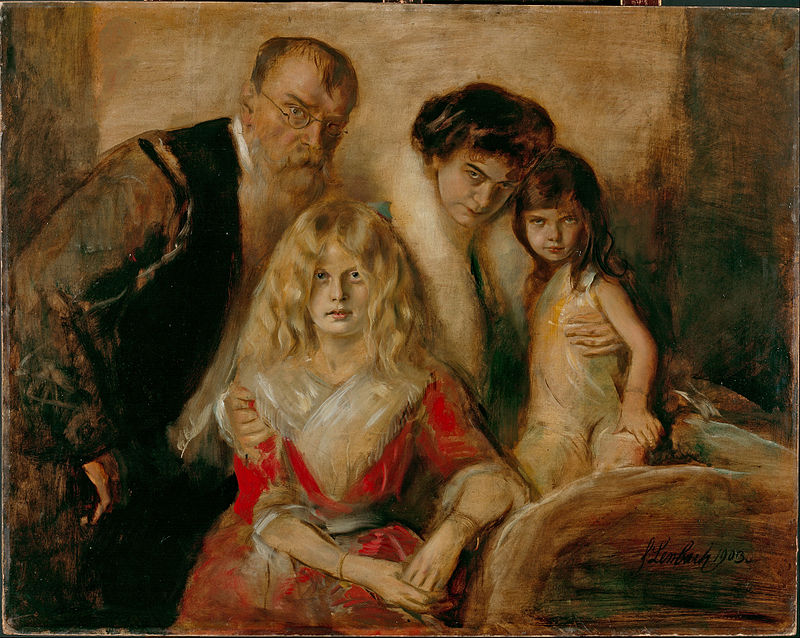
Franz von Lenbach "Family von Lenbach"
Franz von Lenbach “Family von Lenbach”

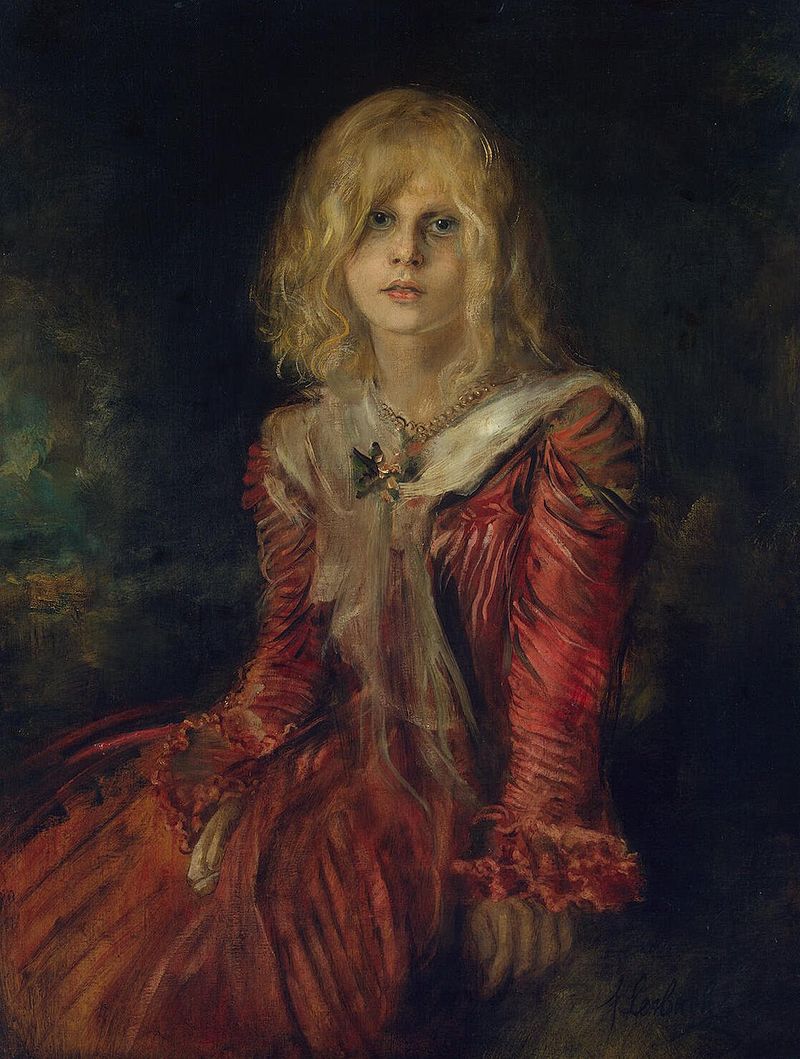
Franz von Lenbach "Porträt Marion Lenbach" (1901)
Franz von Lenbach “Porträt Marion Lenbach” (1901)

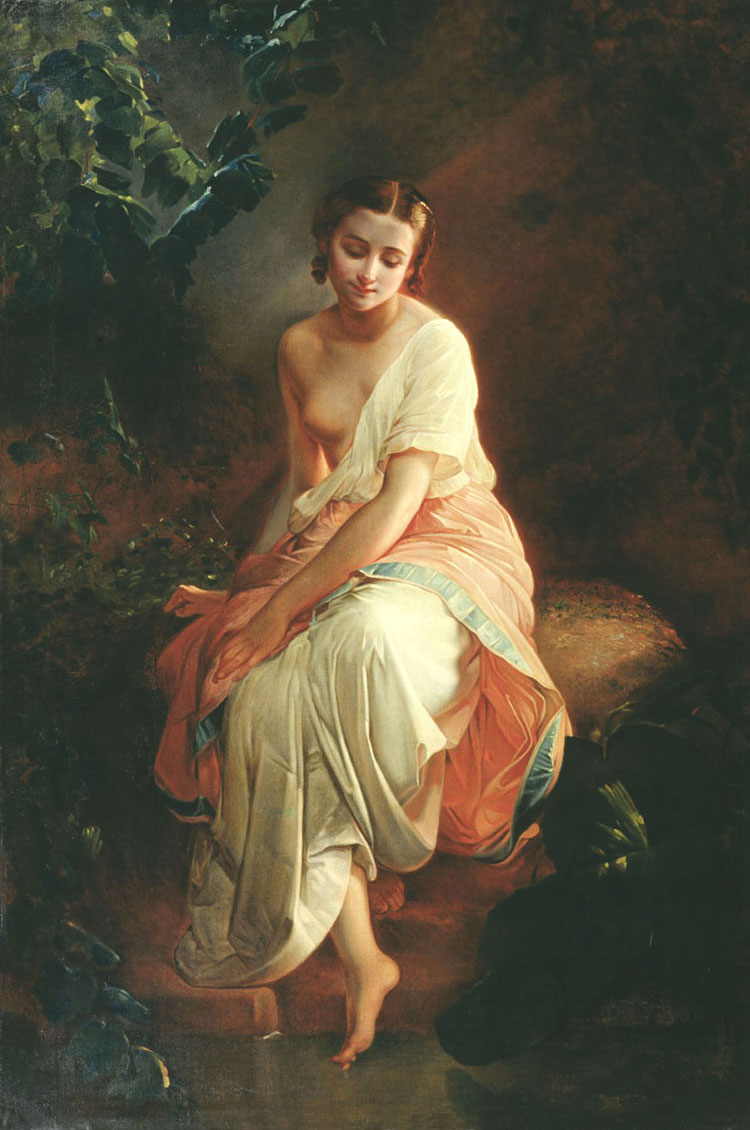
Carl Timoleon von Neff "The Bather"
Carl Timoleon von Neff “The Bather”

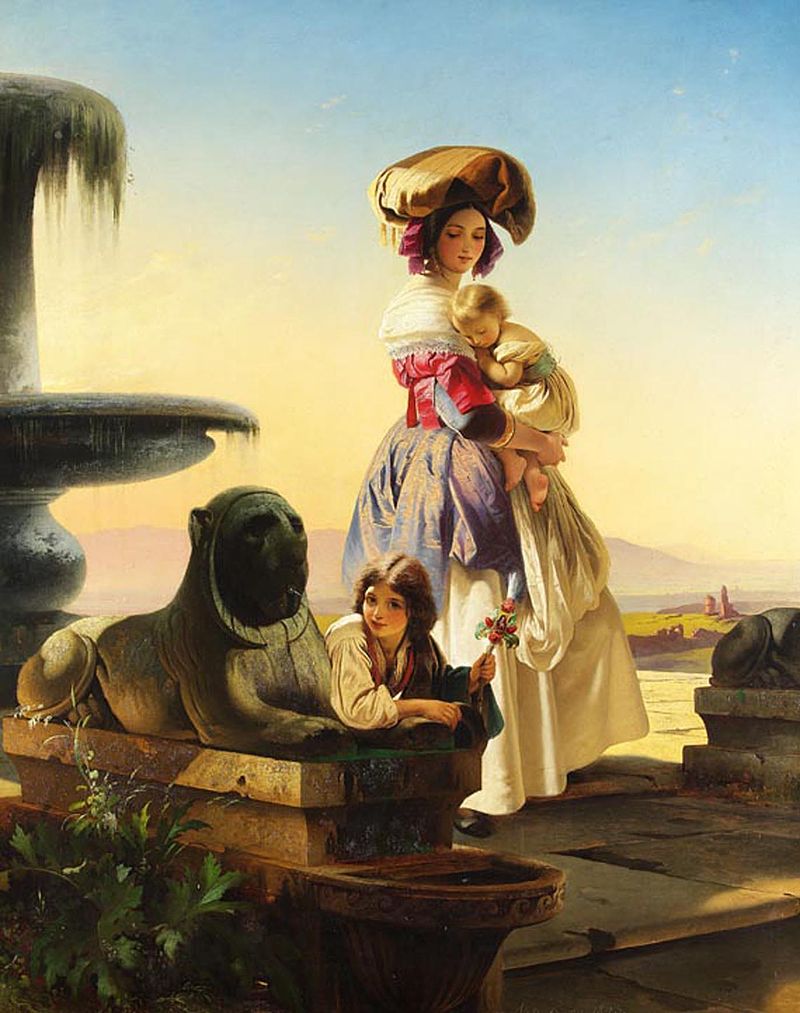
Carl Timoleon von Neff "Italian Woman with Children on the Stairs"
Carl Timoleon von Neff “Italian Woman with Children on the Stairs”

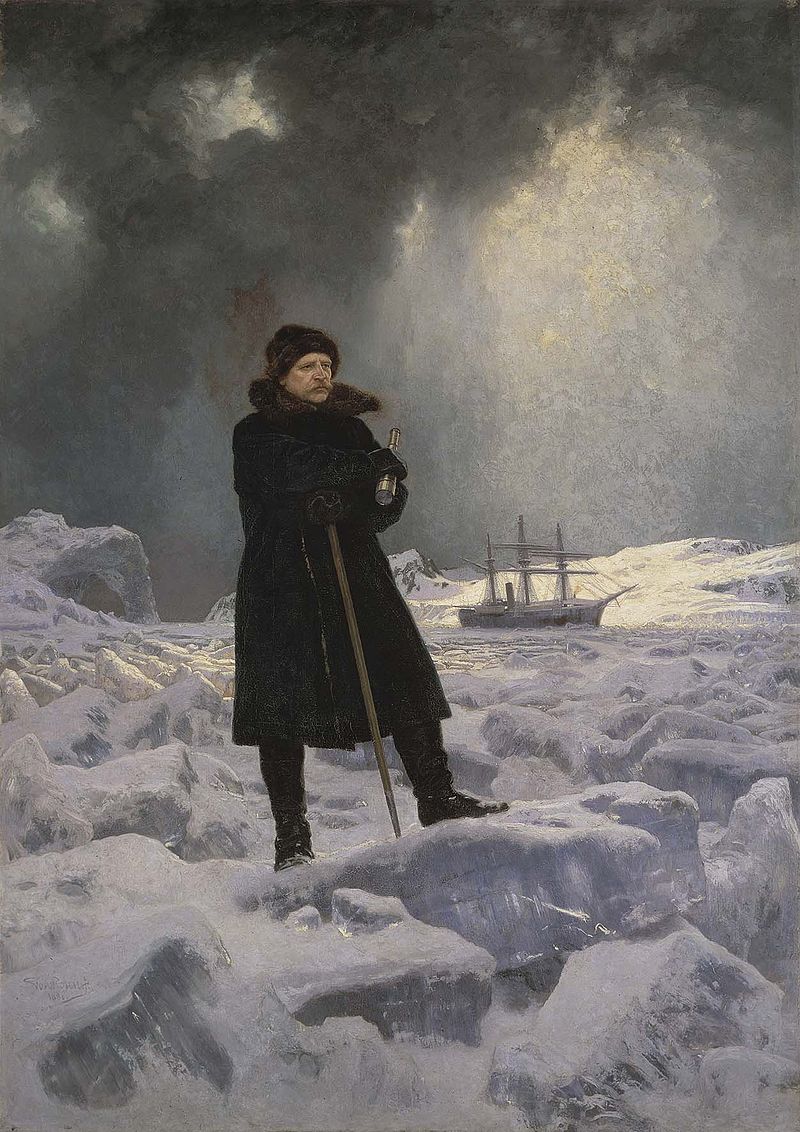
Georg von Rosen "Adolf Erik Nordenskiöld målad" (1886)
Georg von Rosen “Adolf Erik Nordenskiöld målad” (1886)

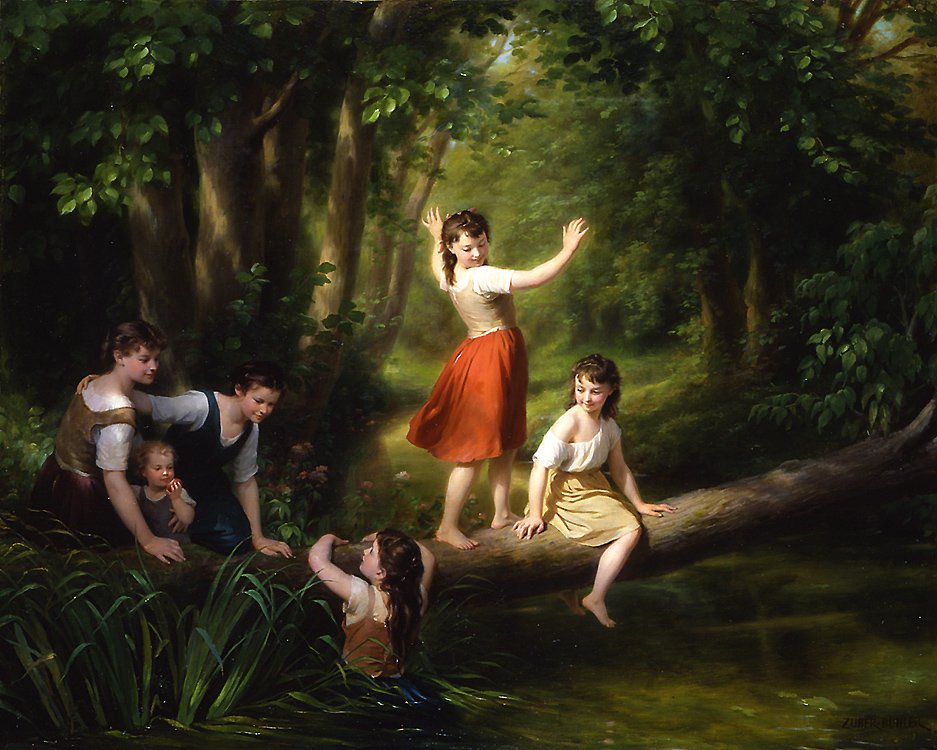
Fritz Zuber-Bühler "Innocence"
Fritz Zuber-Bühler “Innocence”

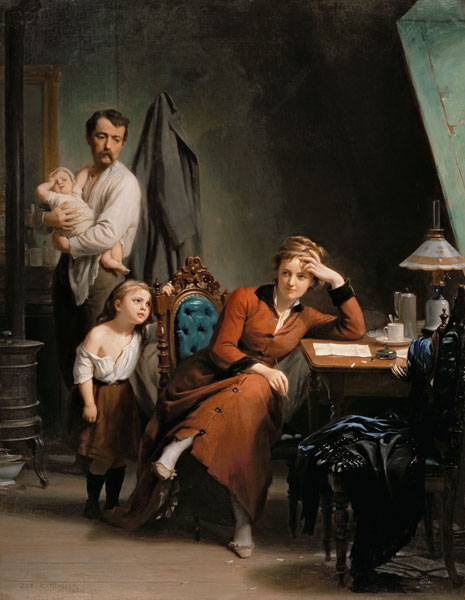
Fritz Zuber-Bühler "The Poetess"
Fritz Zuber-Bühler “The Poetess”

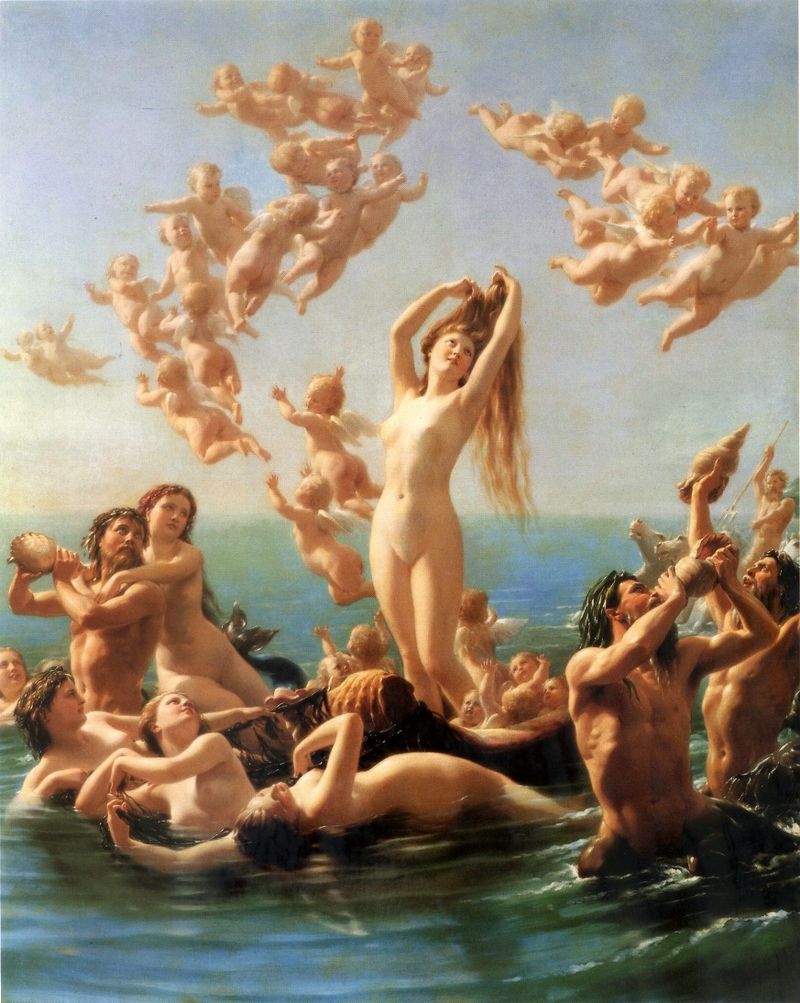
Fritz Zuber-Bühler "Birth of Venus"
Fritz Zuber-Bühler “Birth of Venus”