The 8 Worst Web Design Trends of 2016

Here’s your listicle.

1. Hey! Sign Up For Our Fucking Mailing List!

It’s a popup ad. In 2016. It’s a fucking popup ad, in fucking 2016. I mean, it’s… fuck. Just fuck.

What is the matter with you people? I don’t fucking want that. If I did I’d fucking find it–probably in the fucking sidebar, where I still don’t fucking want it. I’ve been on your site for three seconds and now you think I want fucking email updates? Aren’t we getting along nicely. I don’t even know what your fucking site is about yet.

Oh, did she say that–that it’d increase engagement, or some equally vague drivel?  You need to turn the firehose on your SEO person. She needs to feel that pain that we have felt.

I mean… In 2016… Just fuck!

(And yes, I realize your SEO person hadn’t even been born when we won the first holy war against popups, but… just…)

2. Fuck Your Back Button

We live in a Dark Age of the back button. Shitty things happen when AJAX is given to children.

To wit: Ooh, that looks interesting. Click. Oh, no, it isn’t. Click back.

Wait, why am I at the top of the page again? I just scrolled through half a mile of posts! How am I supposed to find where I was again? Why am I supposed to find where I was again? If only I had a computer to automate this sort of manual labor for me.

It’s one thing when a Tumblr skin does it, because we don’t expect much from MySpace 2.0 (and we probably shouldn’t be looking at porn at work anyway) but the official WordPress themes gallery? Get it together.

And on a related note…

3. IJSF — It Just Scrolls Forever

Hyperlinks are so Gopher. OMG. So is saying OMG. (I’m just doing it ironically. I’m also being ironic totally ironically. So grunge!)

And the best part is, since everyone will expect the different pages to be on, like, different pages, I’ll put a little animated “down” arrow in, so that they know they have to scroll down. And I’ll slow down the scrolling with acceleration/deceleration animation for no good reason. It’ll be so klinkenborg!

What, you don’t know what klinkenborg means?

Gawd, Dad! This is why Mom left you.

4. Parallax Scrolling

This was cute for about 5 minutes. Along with the whole neat little razor nicks in the nylons thing. For about the same length of time. In about the same year.

5. The Hamburger Menu

Yes, we have devised an entirely self-referential skeuomorph. It’s a menu that references… a menu. Clap for we. One more thing for your mom not to understand to click on. One more thing for you to click on, because some waxed beard didn’t want his precious 10th free stock photo cluttered with anything even remotely useful. Web design for people with their heads entirely up their asses.

6. Video Ads/Background Video/Autoplaying Video

I’m wasting your bandwidth, la lala la lala! Woo! Oh, you’re on your phone? I’m grandfathered into Verizon! I’m in Europe! I’m an overpaid marketing prick–I don’t care how much I spend on mobile data! Peons gonna peon!

It was bad enough when sites started loading 5MB of useless JavaScript. (Oh, did you minify it? Thanks kid.) Now they’re expecting us to pull down ten times as much crap per pageload. Advertising wankers (sorry, “marketing wankers”) bitch and moan about us all installing ad blockers, without taking responsibility for their own shitty decisions that make it de rigueur. We didn’t start this war, but if we have to win on casualties, we will.

7. Image Rotators

Face it: The web is a pull technology, like a book, not a push technology, like television. Pithier? The web is not tv. A website is a place that invites a visitor to explore it, not an active entity that pushes the experience at her. (Hence “site.”) I know you want to highlight more content in the same space but–and this is very hard to accept–the image rotator simply makes the site busier and more distracting, discouraging the user from exploring it. Counter-intuitive? Welcome to reality.

Try it yourself, as an end-user. You’ll understand. I’m not even swearing at you.

8. It Must Be Flatter!

By 2020 will come victory. Every website will be a single bold, subtle, surprising, retro, professional, unusual or dick pic-sampled color. You will read sites by copying at random and pasting into a text editor.

Bonus

Find a half-decent WordPress theme that doesn’t commit any, or indeed most of these sins. Feel free to make a rudimentary Bingo card. The relaunched STP runs on Lavish, which is the closest I could get.

The Dream Detective: Case of the Tragedies in the Greek Room

First Episode

CASE OF THE TRAGEDIES IN THE GREEK ROOM

I

When did Moris Klaw first appear in London? It is a question which I am asked sometimes and to which I reply: To the best of my knowledge, shortly before the commencement of the strange happenings at the Menzies Museum.

What I know of him I have gathered from various sources; and in these papers, which represent an attempt to justify the methods of one frequently accused of being an insane theorist, I propose to recount all the facts which have come to my knowledge. In some few of the cases I was personally though slightly concerned; but regard me merely as the historian and on no account as the principal or even minor character in the story. My friendship with Martin Coram led, then, to my first meeting with Moris Klaw—a meeting which resulted in my becoming his biographer, inadequate though my information unfortunately remains.

It was some three months after the appointment of Coram to the curatorship of the Menzies Museum that the first of a series of singular occurrences took place there.

This occurrence befell one night in August, and the matter was brought to my ears by Coram himself on the following morning. I had, in fact, just taken my seat at the breakfast table, when he walked in unexpectedly and sank into an armchair. His dark, cleanshaven face looked more gaunt than usual and I saw, as he lighted the cigarette which I proffered, that his hand shook nervously.

“There’s trouble at the Museum!” he said abruptly. “I want you to run around.”

I looked at him for a moment without replying, and, knowing the responsibility of his position, feared that he referred to a theft from the collection.
“Something gone?” I asked.

“No; worse!” was his reply.

“What do you mean, Coram?”

He threw the cigarette, unsmoked, into the hearth. “You know Conway?” he said; “Conway, the night attendant. Well—he’s dead!”

I stood up from the table, my breakfast forgotten, and stared incredulously. “Do you mean that he died in the night?” I inquired.

“Yes. Done for, poor devil!”

“What! Murdered?”

“Without a doubt, Searles! He’s had his neck broken!”

I waited for no further explanations, but, hastily dressing, accompanied Coram to the Museum. It consists, I should mention, of four long, rectangular rooms, the windows of two overlooking South Grafton Square, those of the third giving upon the court that leads to the curator’s private entrance, and the fourth adjoining an enclosed garden attached to the building. This fourth room is on the ground floor and is entered through the hall from the Square, the other three, containing the principal and more valuable exhibits, are upon the first floor and are reached by a flight of stairs from the hall. The remainder of the building is occupied by an office and the curator’s private apartments, and is completely shut off from that portion open to the public, the only communicating door—an iron one—being kept locked.

The room described in the catalogue as the “Greek Room” proved to be the scene of the tragedy. This room is one of the two overlooking the Square and contains some of the finest items of the collection. The Museum is not open to the public until ten o’clock, and I found, upon arriving there, that the only occupants of the Greek Room were the commissionaire on duty, two constables, a plain-clothes officer and an inspector—that is, if I except the body of poor Conway.

He had not been touched, but lay as he was found by Beale, the commissionaire who took charge of the upper rooms during the day, and, indeed, it was patent that he was beyond medical aid. In fact, the position of his body was so extraordinary as almost to defy description.

There are three windows in the Greek Room, with wall-cases between, and, in the gap corresponding to the east window and just by the door opening into the next room, is a chair for the attendant. Conway lay downward on the polished floor with his limbs partly under this chair and his clenched fists thrust straight out before him. His head, turned partially to one side, was doubled underneath his breast in a most dreadful manner, indisputably pointing to a broken neck, and his commissionaire’s cap lay some distance away, under a table supporting a heavy case of vases.

So much was revealed at a glance, and I immediately turned blankly to Coram.

“What do you make of it?” he said.

I shook my head in silence. I could scarce grasp the reality of the thing; indeed, I was still staring at the huddled figure when the doctor arrived. At his request we laid the dead man flat upon the floor, to facilitate an examination, and we then saw that he was greatly cut and bruised about the head and face, and that his features were distorted in a most extraordinary manner, almost as though he had been suffocated.

Continue reading “The Dream Detective: Case of the Tragedies in the Greek Room”

The Dream Detective: Introduction

The Dream-Detective by Sax Rohmer

Published by Jerrods, London 1920

CONTENTS

1. THE TRAGEDIES IN THE GREEK ROOM
2. THE POTSHERD OF ANUBIS
3. THE CRUSADER’S AXE
4. THE IVORY STATUE
5. THE BLUE RAJAH
6. THE WHISPERING POPLARS
7. THE HEADLESS MUMMIES
8. THE HAUNTING OF GRANGE
9. THE VEIL OF ISIS

Beginning tonight, and for the following nine weeks, Sax Rohmer’s The Dream-Detective will be republished here. To my knowledge, this is the first time these out of copyright stories have been made available on the internet. Written between 1913-1914, revised and collected in book form in 1920, these stories follow the exploits of Moris Klaw, antiquarian and occult detective, as well as his accomplished daughter Isis, and their various hangers-on and haliographers.

Briefly, my own involvement begins in the attic of my “Aunt Ginny’s” house. (Virginia McElwee, then gold cane holder for oldest resident of Union, ME, passed in 1999. The house is now occupied by my cousin, but for some reason houses in small towns are known by the name of their former occupant.) I recovered the volume herein from a box of badly water-damaged books destined for the library book sale–or, more likely, the dump. It’s in (most of) two pieces, in terrible shape. Unable to lay them flat on a scanner, a year or so ago while researching a short film, I undertook the process of photographing the pages with my phone, feeding the photos into Google Docs for OCR, and reassembling the text. A first editing pass with extensive retyping took a few months, on-and-off. For the next several weeks, watch this space as I complete a more detailed edit, story by story. Once the volume is complete, a printable PDF will also be released.

Please find a printable PDF of all volumes right here.

Published Works by Robert Aickman

I’ve compiled a grid of all of Robert Aickman’s works, published both living and posthumously, and in which volumes they may be found.

View the PDF (144k) (Updated November 2017)

Rapidly falling out of memory, Robert Aickman (1914-1981) was a World Fantasy Award-winning writer representing a distinct third branch of horror–neither the Poe-descended grotesque nor Lovecraft’s cosmic horror, but a more psychological, inward version of the weird. Peter Straub wrote: “From the first I understood that he was a deeply original artist. This in no way implies that I understood Aickman immediately, because I didn’t. Sometimes I would look up at the end of a story, feeling that the whole thing had just twisted itself inside out and turned into smoke–I had blinked, and missed it all.”

Based on the above survey, I’ve ordered for myself good-condition used copies of The Unsettled Dust, Cold Hand in Mine and The Wine Dark Sea for about $50 total. These seem to represent a strong sampling of his work, with little overlap, and their print runs are recent enough to be available. Most of Aickman’s older collections have long since fallen out of print, and been culled from libraries. The Boston Public Library’s Copley Square branch offers only a single copy of Night Voices for circulation, available at the delivery desk. His stories have been anthologized in numerous collections, mostly out of print. CBC radio did a respectable half-hour dramatisation of “Ringing the Changes,” which is available on YouTube. Ideal would of course be to obtain the two volume Collected Strange Stories, but with only a 500-copy limited run in 1999, one would need to be somewhat more obsessive and far wealthier than me–to the tune of $500 plus–to secure one.

30+ Cornstarch Fireballs

1080p (vertical) shot of 1 teaspoon of cornstarch blown into the air near a flame source about 30x. Filmed at 120fps, playback at 30fps. As much fun as you’ll have doing this yourself, these pyro elements are released into the public domain for any and all usage, commercial or otherwise.

These elements were created for Troy Minkowsky’s “The Garden 1910” a Rhino Crate production currently in post.

Download Clip in MP4

CC0
To the extent possible under law, Matthew I. Rasmussen has waived all copyright and related or neighboring rights to 30+ Cornstarch Fireballs. This work is published from: United States.

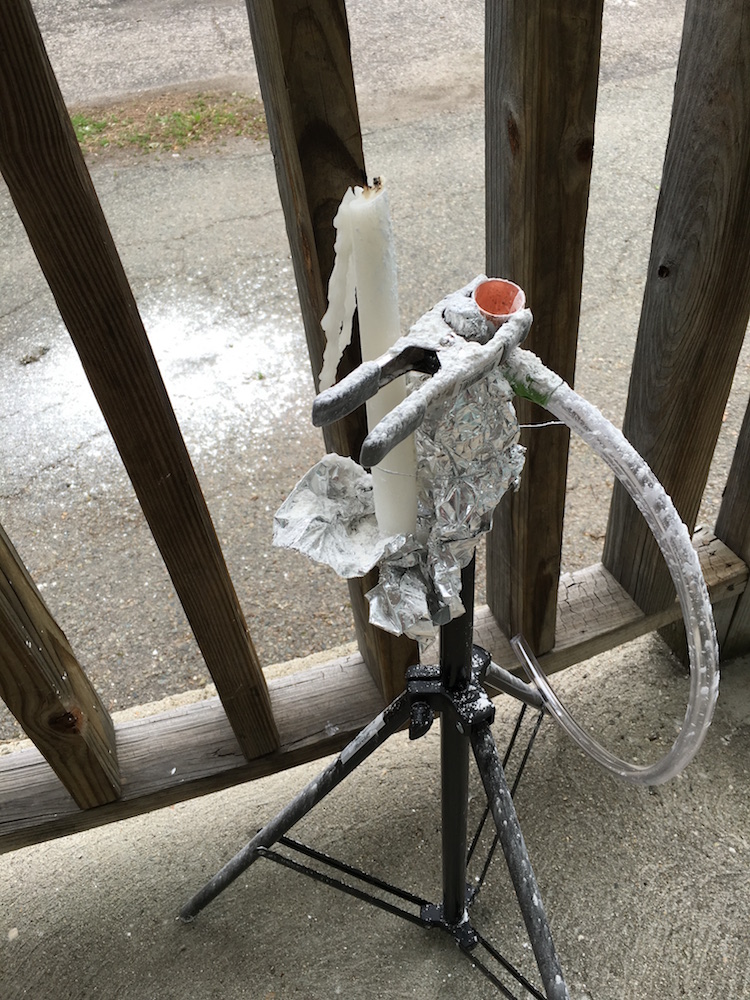
flame_rig

Academic Art is a Guilty Pleasure

Academic Art: The Adult Contemporary of fine art.

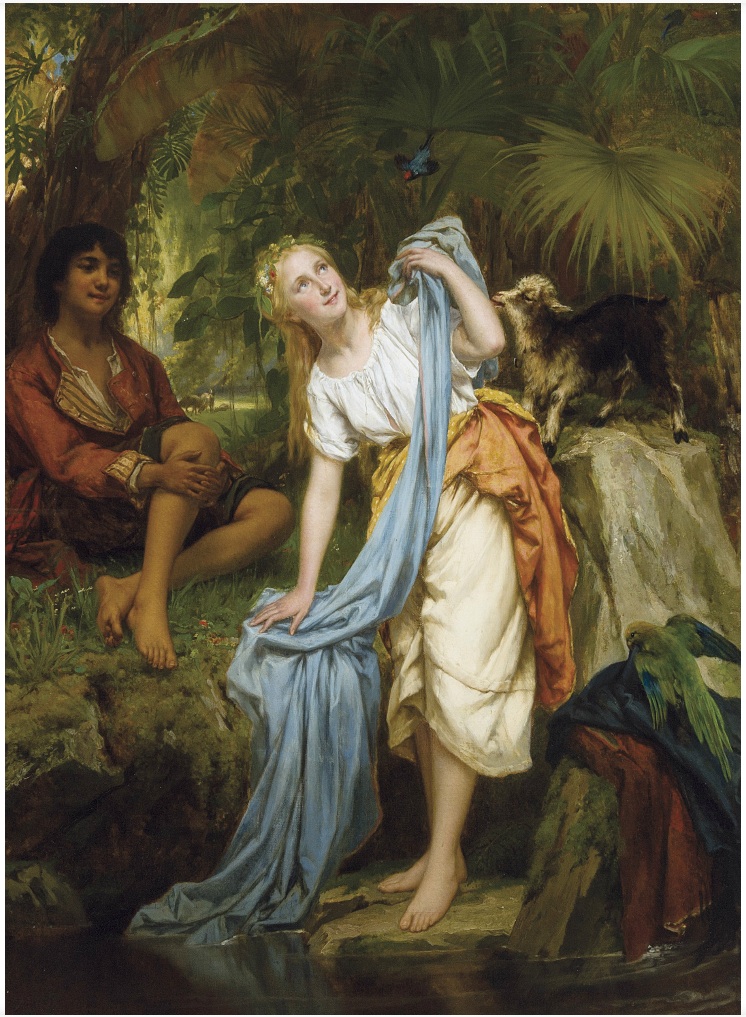
Strip the striving out of Romanticism, the fear out of Symbolism, and this is what you get. Endless Joans of Arc, Opheliae, Venuses. Putti, cupids and angels. Nudes. Sentimentalism.
Note the awkward, static poses of Academic art. Any pretext for nudity. There’s a reason this movement fell out of favor. (But are Schiele‘s sneering portraits of his own corrupted harem any more pure as art for having their beauty removed?)

Note Bouguereau’s almost paternal use of the same models sometimes for decades: the same faces appearing on children, youths, mothers, lending his work a hint of something deeper than critic-pleasing cheesecake.

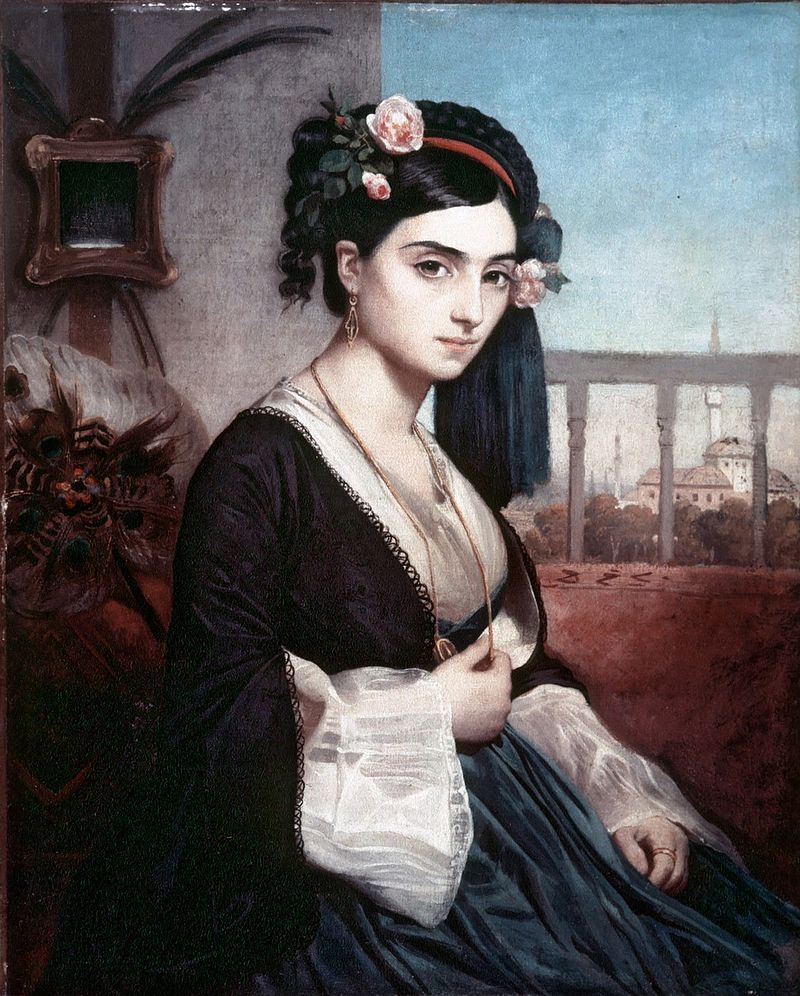
How hard do you come down on Orientalism? No matter how bubbled the glass, it remains a looking outward, a fascination with Otherness. Darkly will be glimpsed our dreams–sweet, cruel, lascivious, and all three–but we look only to be looked back upon. Gleyre’s Persian girl still fixes us in the gaze of an undeniable humanity.

Is there an opposite to Orientalism? Peasant fascination in Academic Art tends to represent only the dream of Arcadia, not any deeper social conscience. (But then there’s Makovsky’s gypsy.)

You know Arcadia. It’s there behind the bluetooth headphones Starbucks paperboard the stab of parking car headlights 69 megapascals of compressive force darkened glass bad music discount raincoat soap as an offensive perfume and cologne as an offensive weapon some girl life moving around you where are you going why have you been that person you should text her you should text her blue asshole lights in the rain darkness glistening like surgical instruments and the dream of Arcadia.

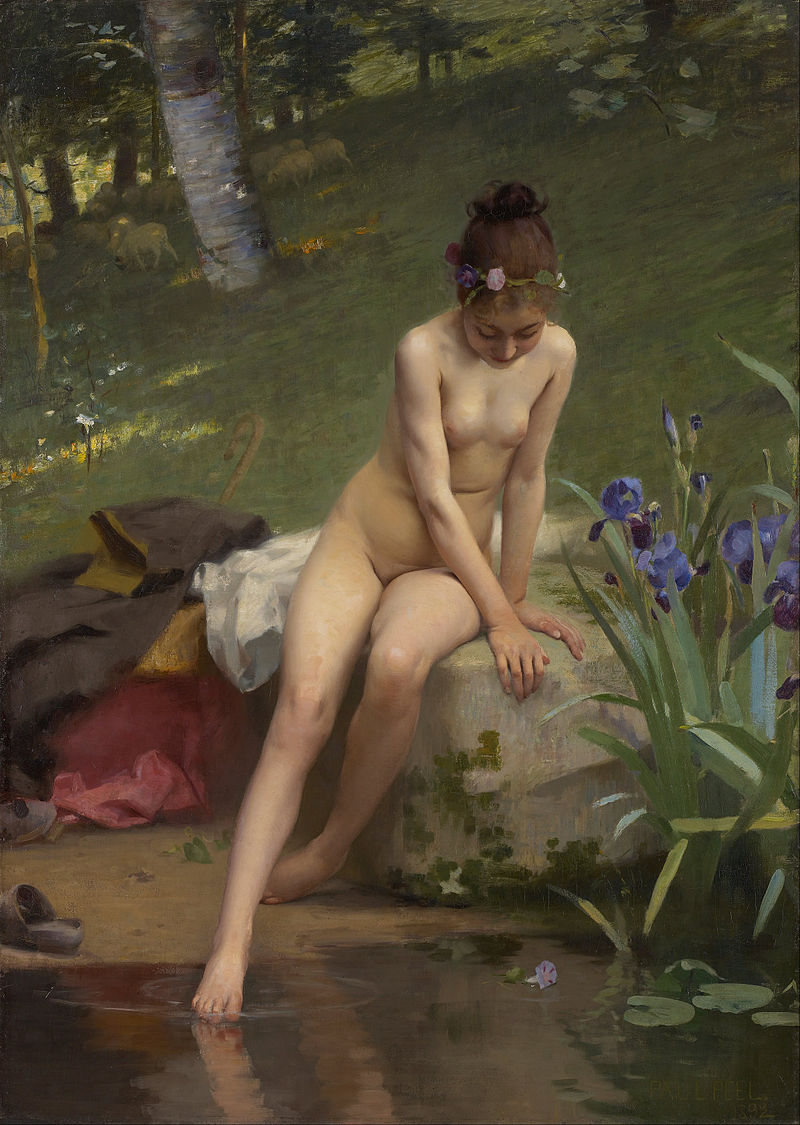
Imagine Peel’s juvenile shepherdess as a photograph leaked onto the internet. Is it any wonder that the soft simplicity of the dream still speaks to us?
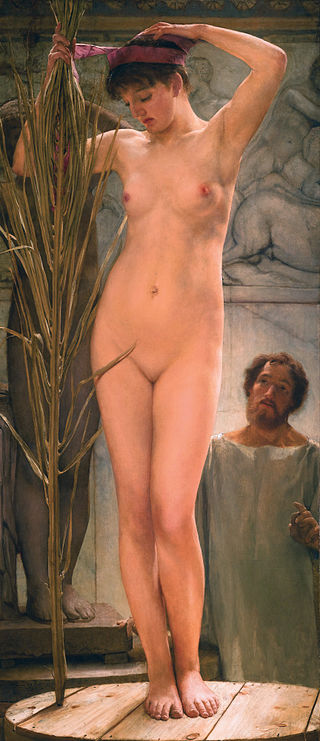
Lawrence Alma-Tadema "A Sculptor's Model"
Lawrence Alma-Tadema “A Sculptor’s Model”

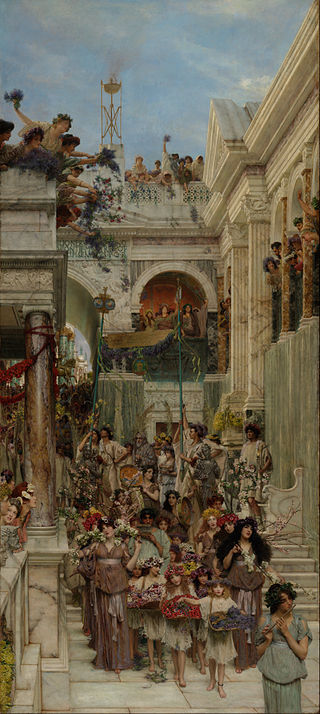
Lawrence Alma-Tadema "Spring"
Lawrence Alma-Tadema “Spring”

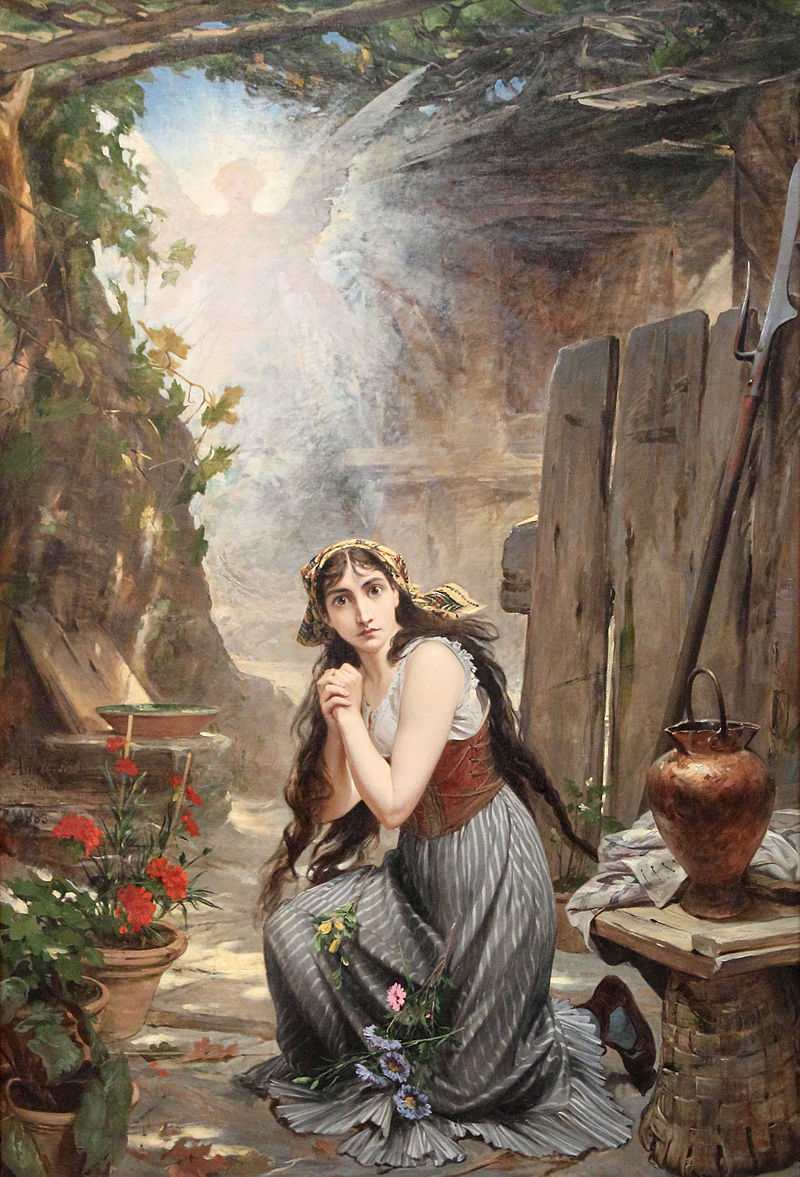
Pedro Américo "Joan of Arc"
Pedro Américo “Joan of Arc”

William-Adolphe Bouguereau "A Little Coaxing" (1890)
William-Adolphe Bouguereau “A Little Coaxing” (1890)

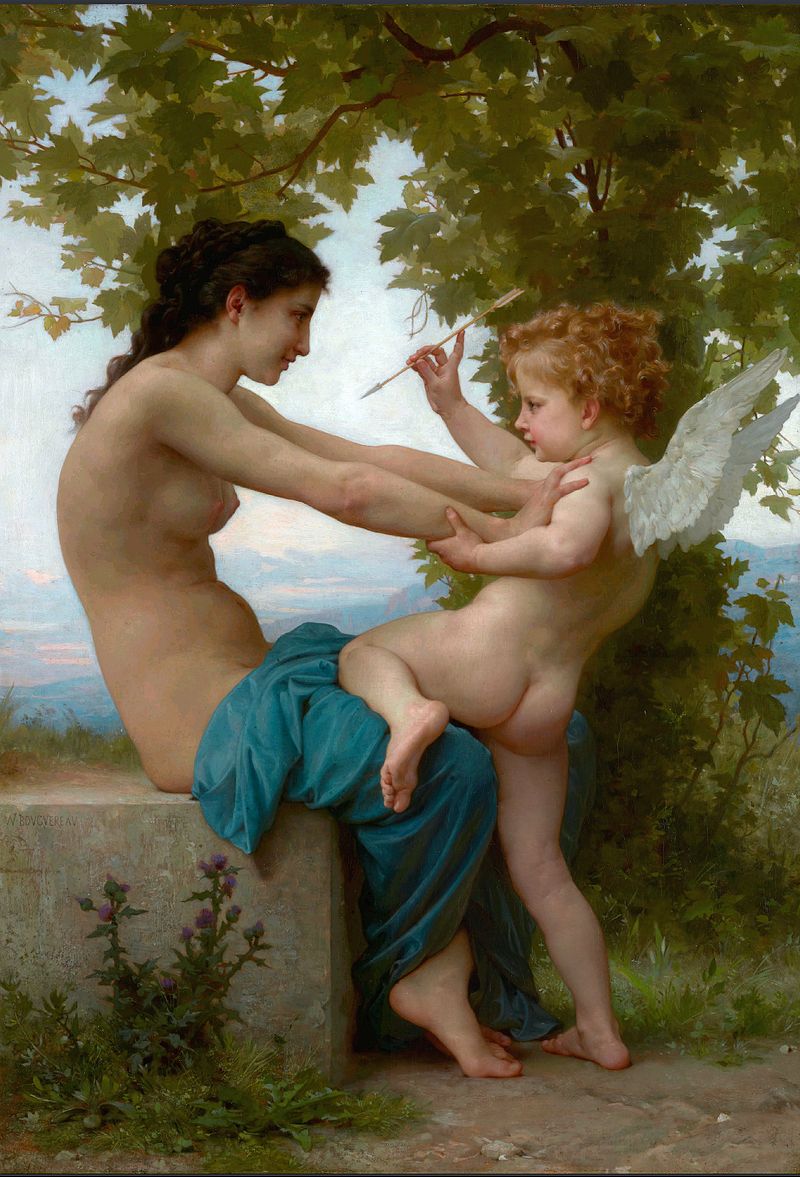
William-Adolphe Bouguereau "A Young Girl Defending Herself Against Eros" (1880)
William-Adolphe Bouguereau “A Young Girl Defending Herself Against Eros” (1880)

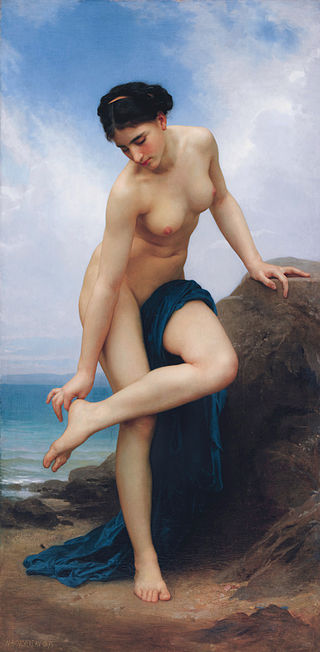
William-Adolphe Bouguereau "After the Bath" (1875)
William-Adolphe Bouguereau “After the Bath” (1875)

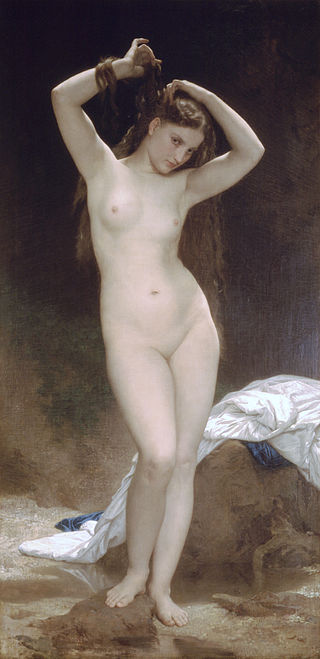
William-Adolphe Bouguereau "Bather" (1870)
William-Adolphe Bouguereau “Bather” (1870)

William-Adolphe Bouguereau "At the Edge of the Brook" (1875)
William-Adolphe Bouguereau “At the Edge of the Brook” (1875)

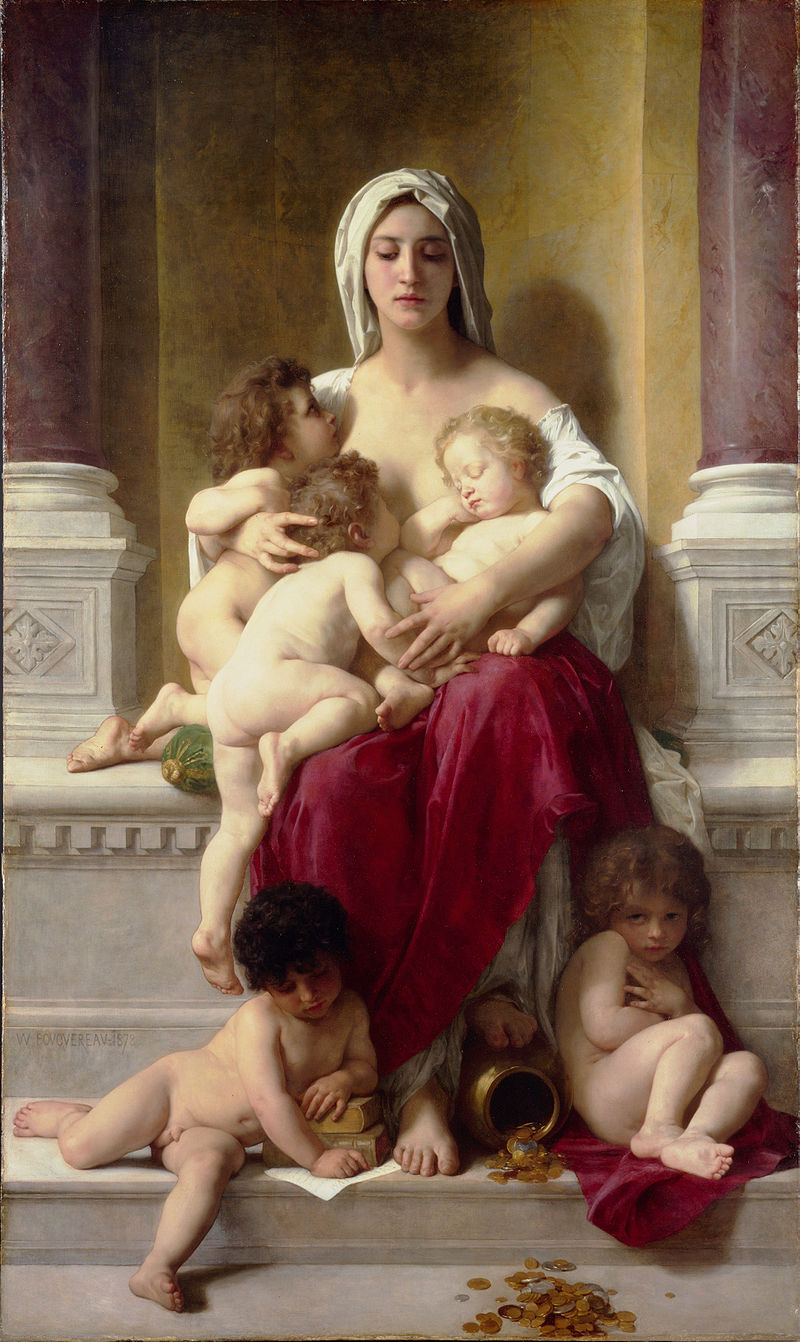
William-Adolphe Bouguereau "Charity" (1878)
William-Adolphe Bouguereau “Charity” (1878)

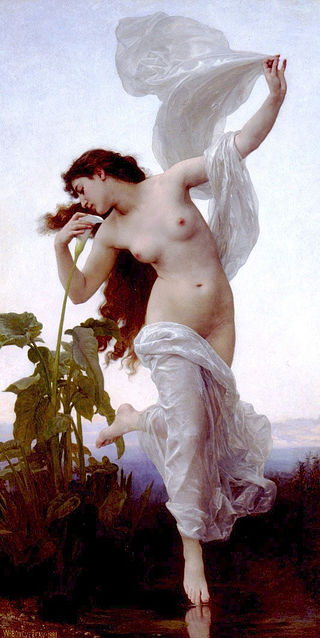
William-Adolphe Bouguereau "Dawn" (1881)
William-Adolphe Bouguereau “Dawn” (1881)

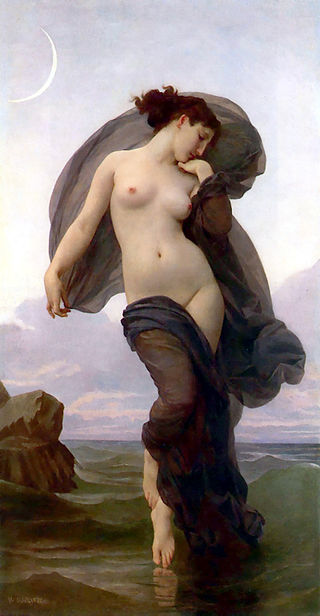
William-Adolphe Bouguereau "Evening Mood" (1882)
William-Adolphe Bouguereau “Evening Mood” (1882)

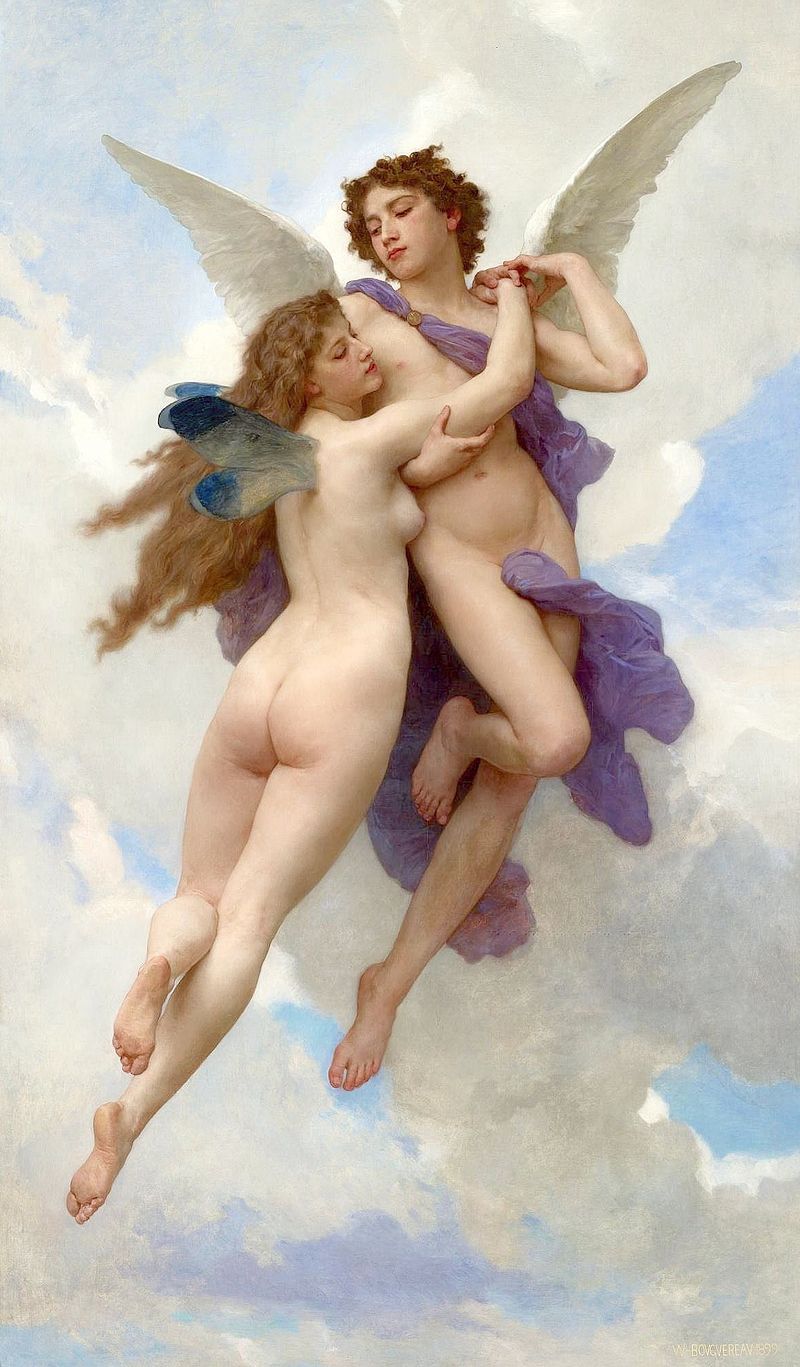
William-Adolphe Bouguereau "L'Amour et Psych" (1899)
William-Adolphe Bouguereau “L’Amour et Psych” (1899)

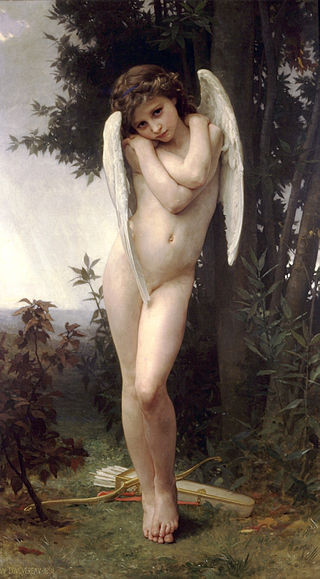
William-Adolphe Bouguereau "L'Amour Mouille"
William-Adolphe Bouguereau “L’Amour Mouille”

William-Adolphe Bouguereau "L'Orage" (1874)
William-Adolphe Bouguereau “L’Orage” (1874)

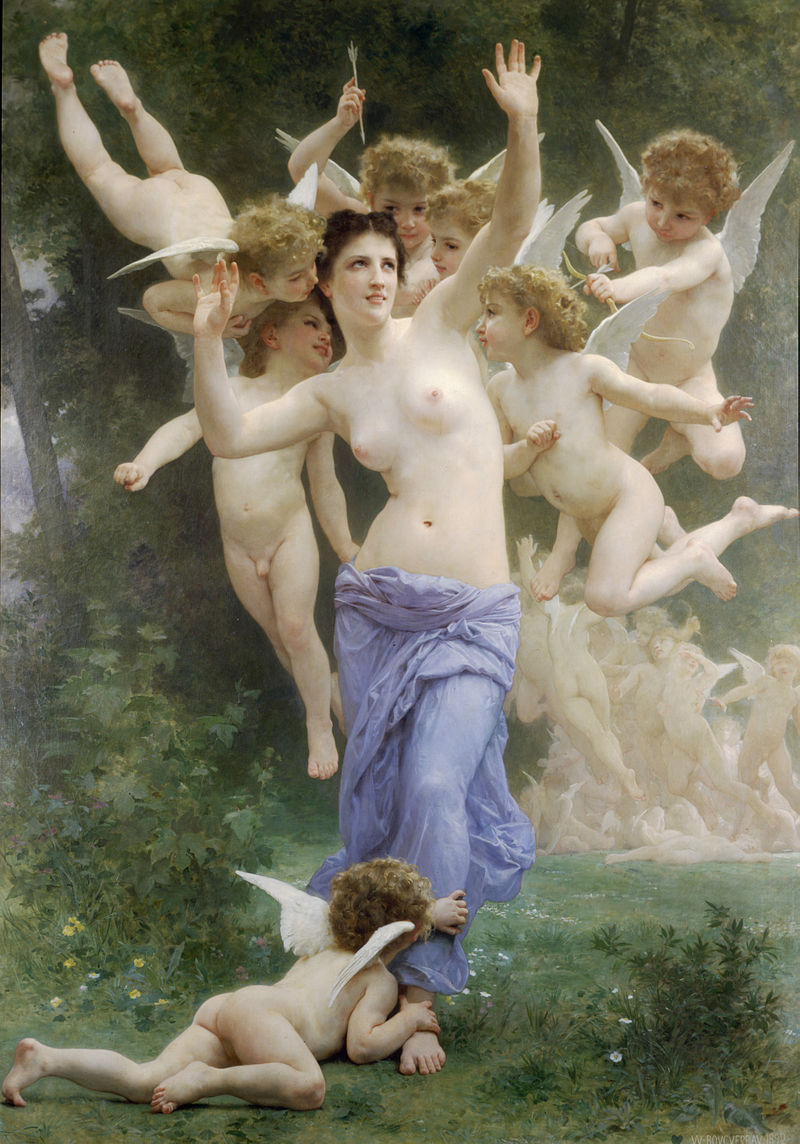
William-Adolphe Bouguereau "Le Guêpier" (1892)
William-Adolphe Bouguereau “Le Guêpier” (1892)

William-Adolphe Bouguereau "Les noisettes"
William-Adolphe Bouguereau “Les noisettes”

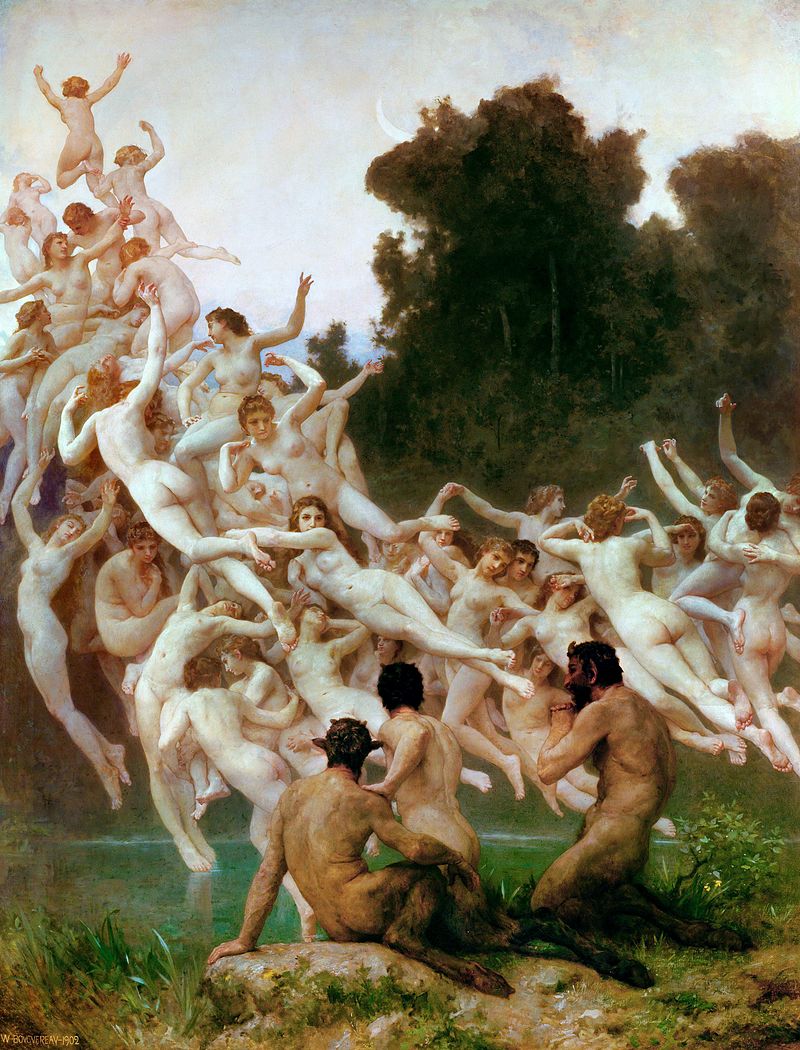
William-Adolphe Bouguereau "Les Oreades" (1902)
William-Adolphe Bouguereau “Les Oreades” (1902)

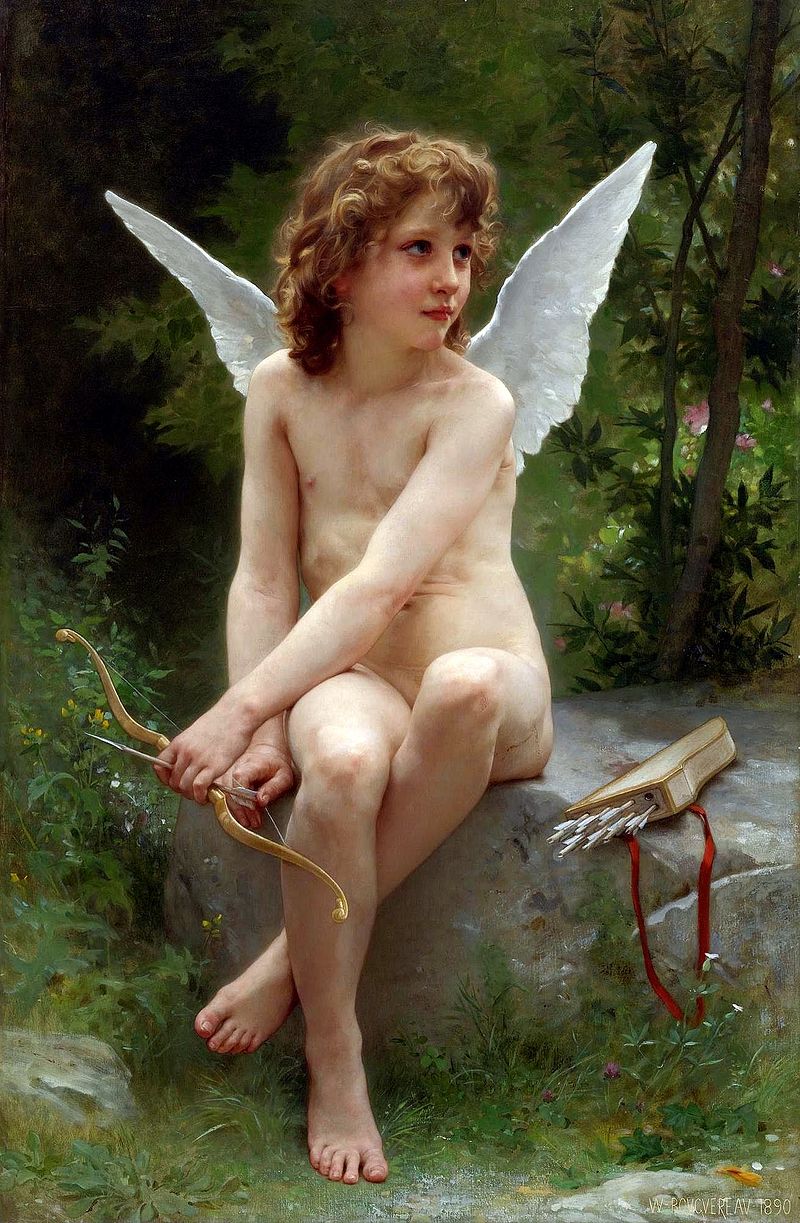
William-Adolphe Bouguereau "Love on the Lookout" (1890)
William-Adolphe Bouguereau “Love on the Lookout” (1890)

William-Adolphe Bouguereau "Meditation" (1901)
William-Adolphe Bouguereau “Meditation” (1901)

William-Adolphe Bouguereau "Not Too Much To Carry" (1895)
William-Adolphe Bouguereau “Not Too Much To Carry” (1895)

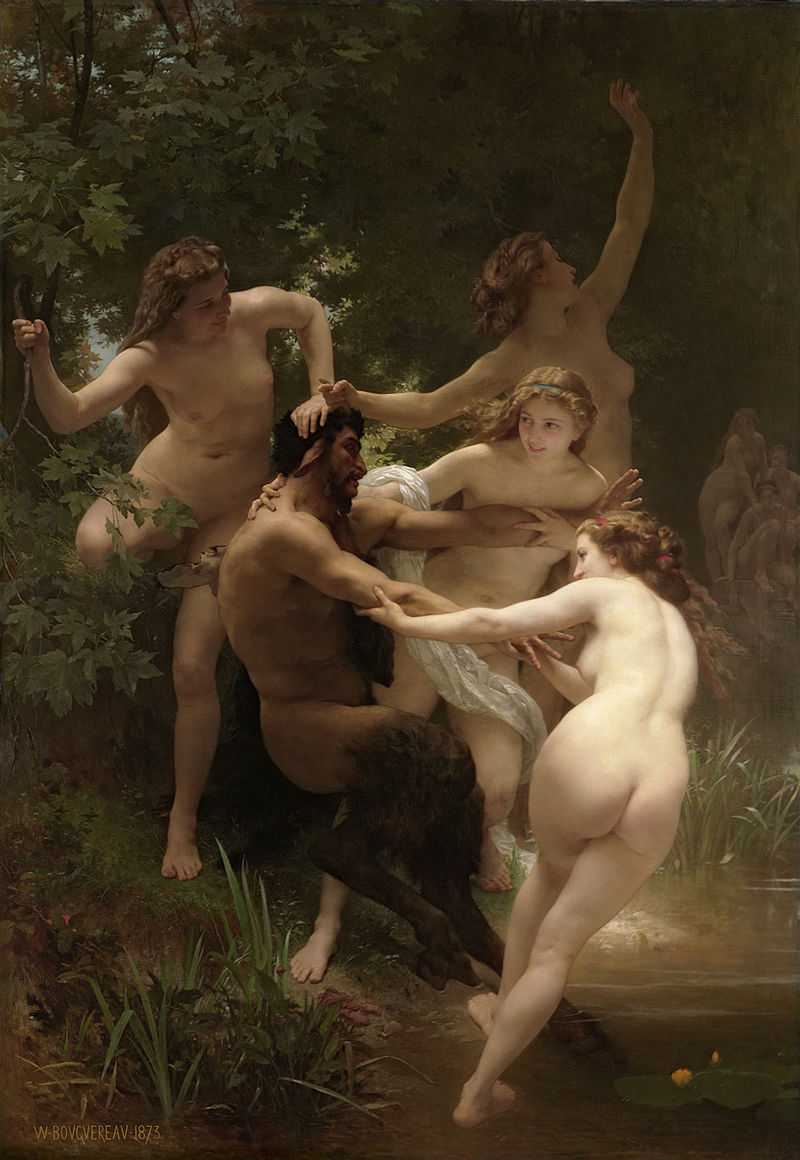
William-Adolphe Bouguereau "Nymphs and Satyr" (1873)
William-Adolphe Bouguereau “Nymphs and Satyr” (1873)

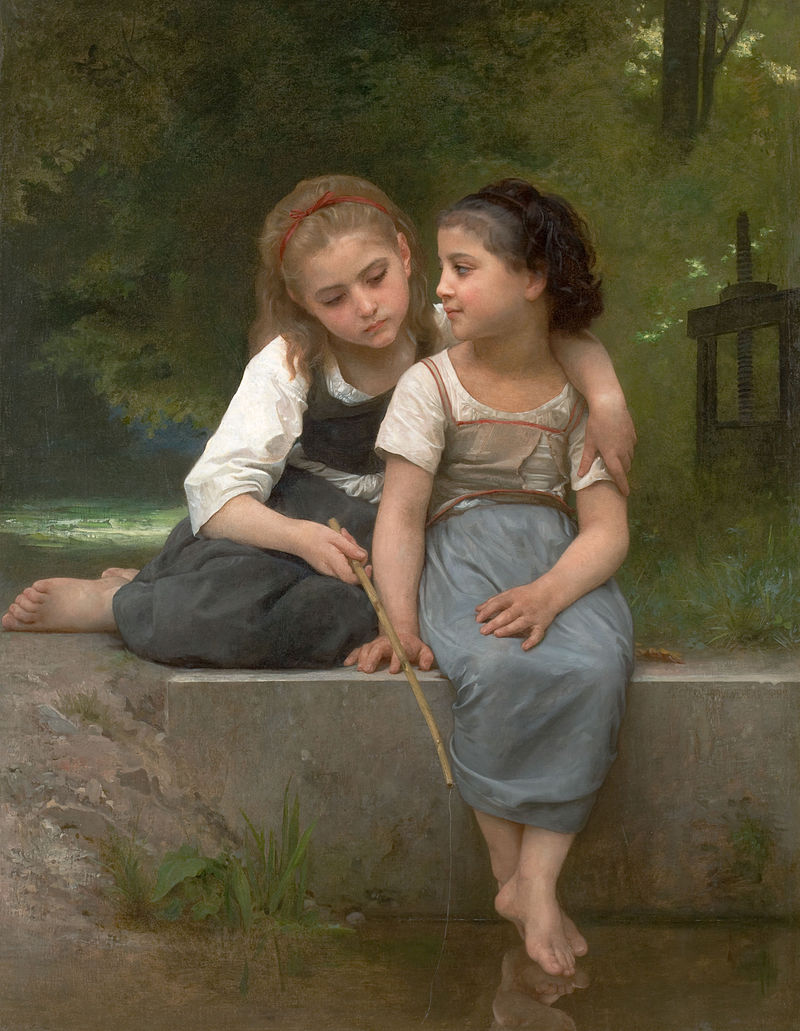
William-Adolphe Bouguereau "Pêche pour les grenouilles"
William-Adolphe Bouguereau “Pêche pour les grenouilles”

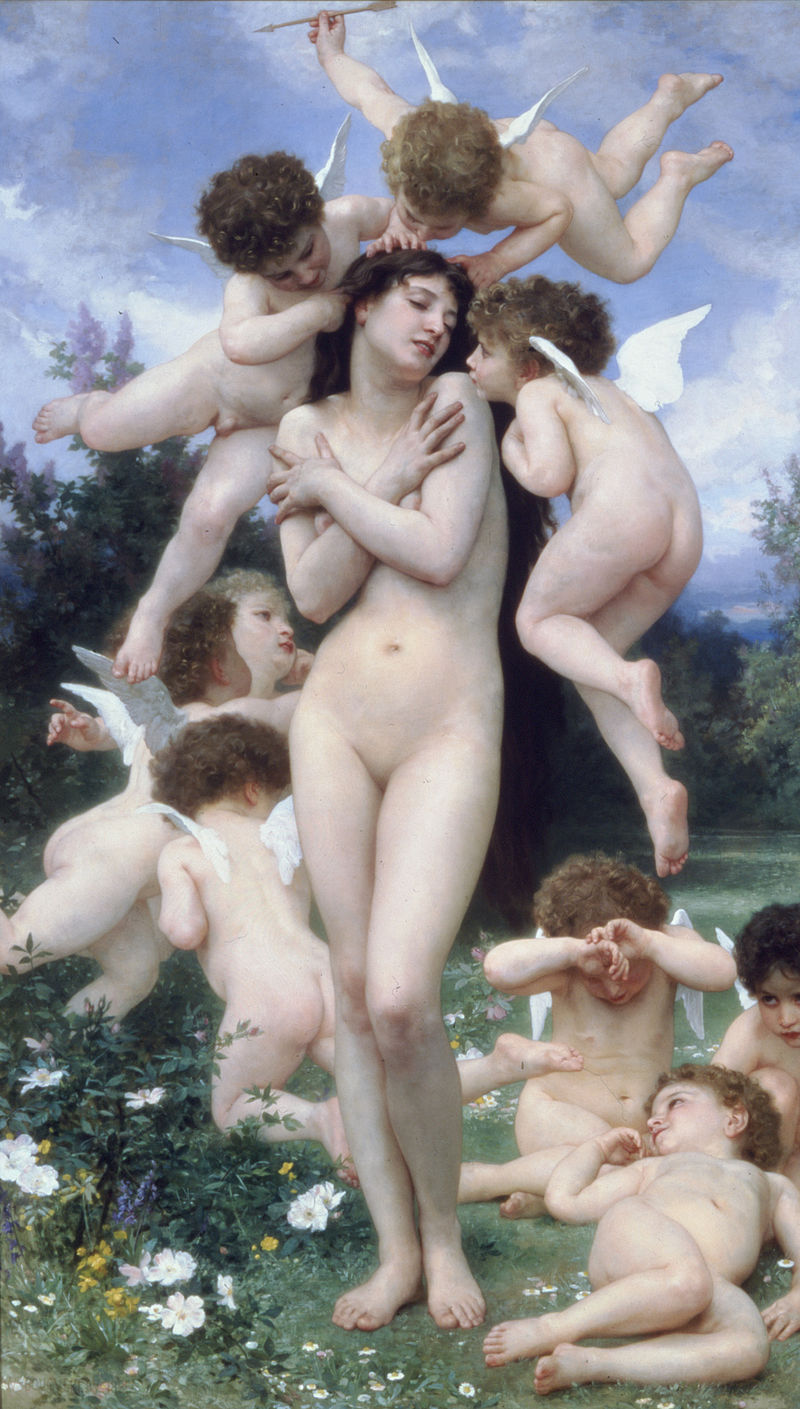
William-Adolphe Bouguereau "Return of Spring" (1886)
William-Adolphe Bouguereau “Return of Spring” (1886)

William-Adolphe Bouguereau "Song of the Angels" (1881)
William-Adolphe Bouguereau “Song of the Angels” (1881)

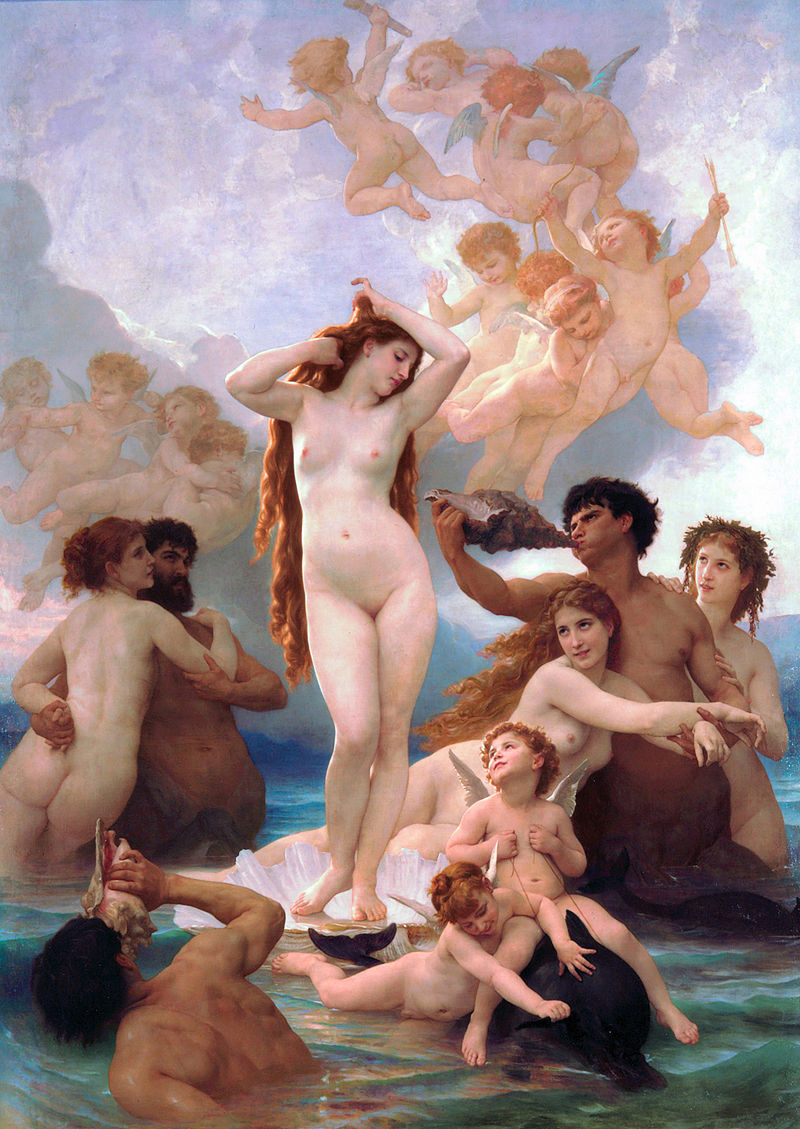
William-Adolphe Bouguereau "The Birth of Venus" (1879)
William-Adolphe Bouguereau “The Birth of Venus” (1879)

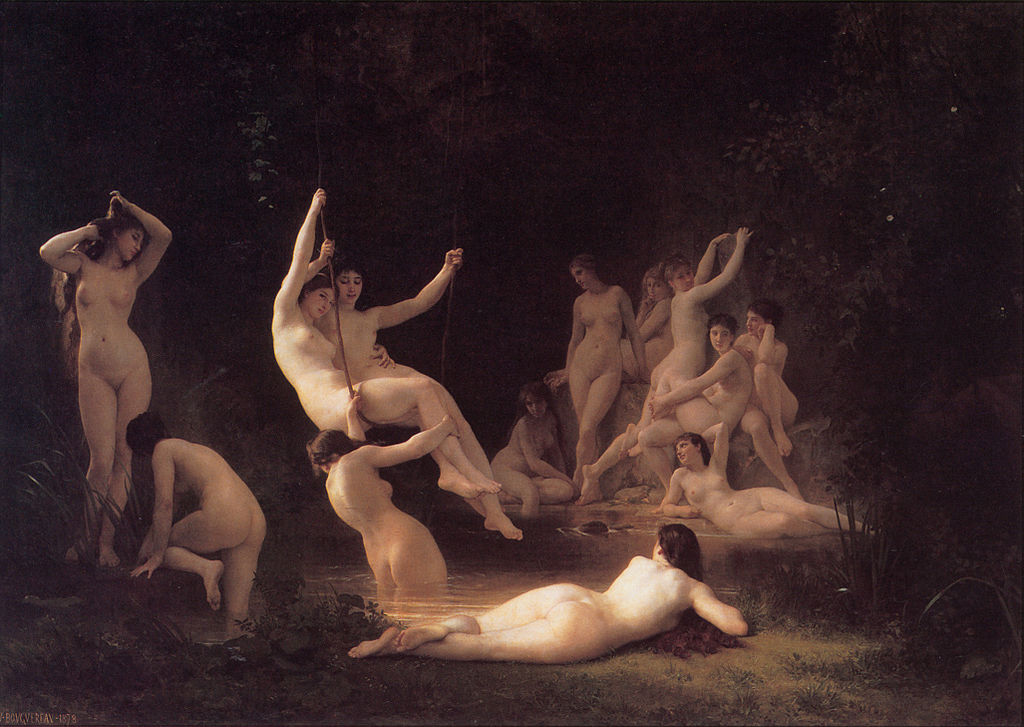
William-Adolphe Bouguereau "The Nymphaeum" (1878)
William-Adolphe Bouguereau “The Nymphaeum” (1878)

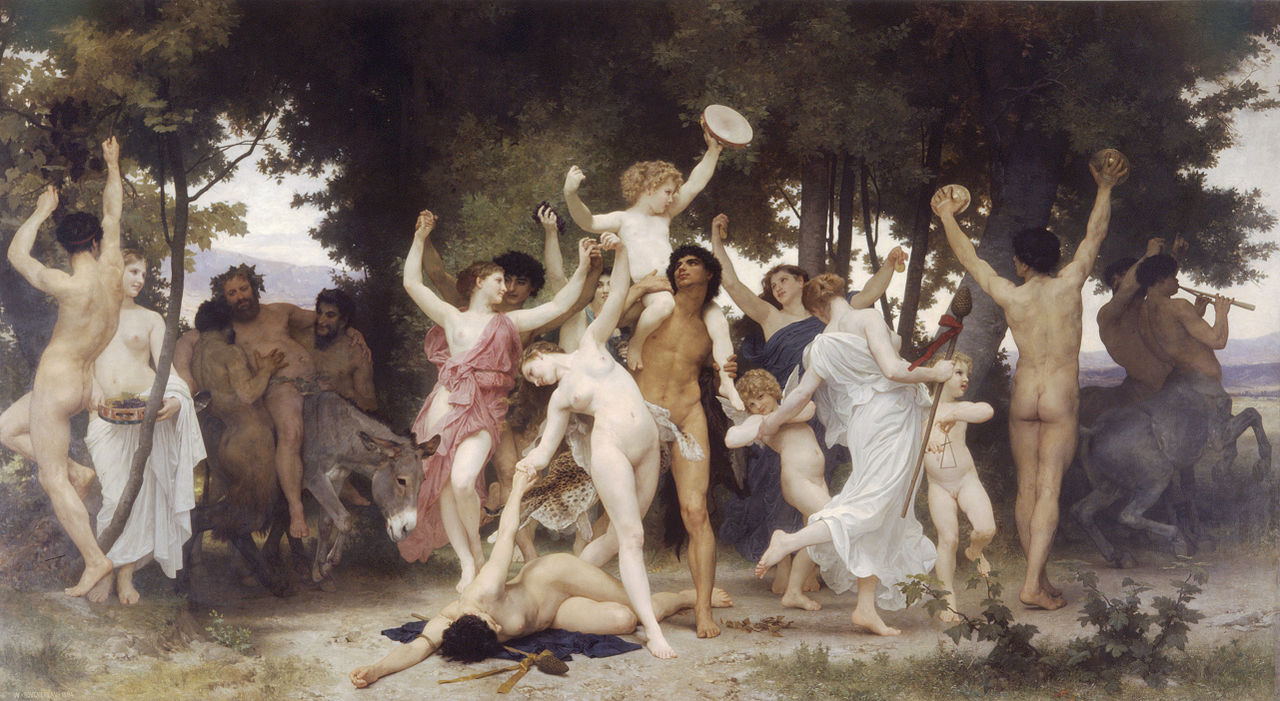
William-Adolphe Bouguereau "The Youth of Bacchus" (1884)
William-Adolphe Bouguereau “The Youth of Bacchus” (1884)

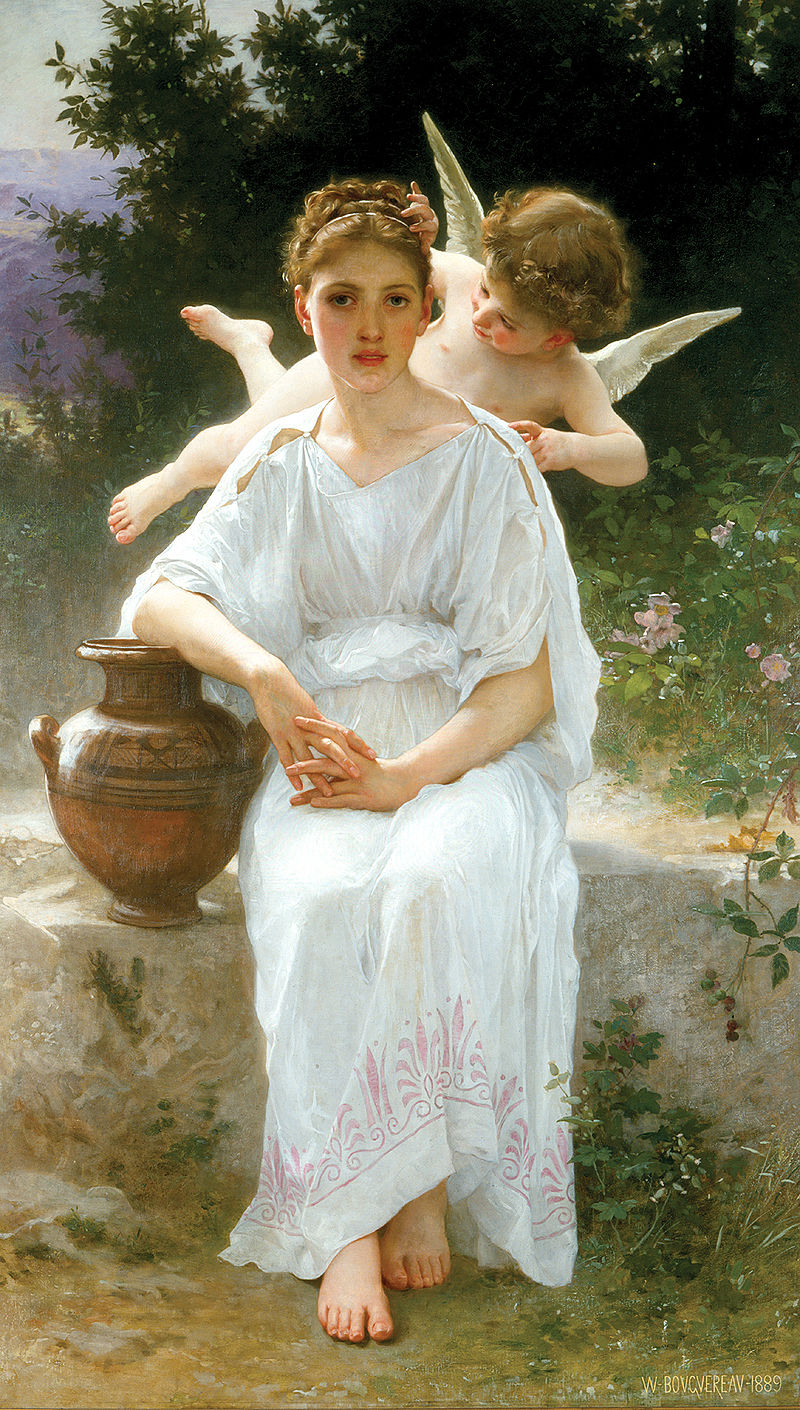
William-Adolphe Bouguereau "Whisperings of Love" (1889)
William-Adolphe Bouguereau “Whisperings of Love” (1889)

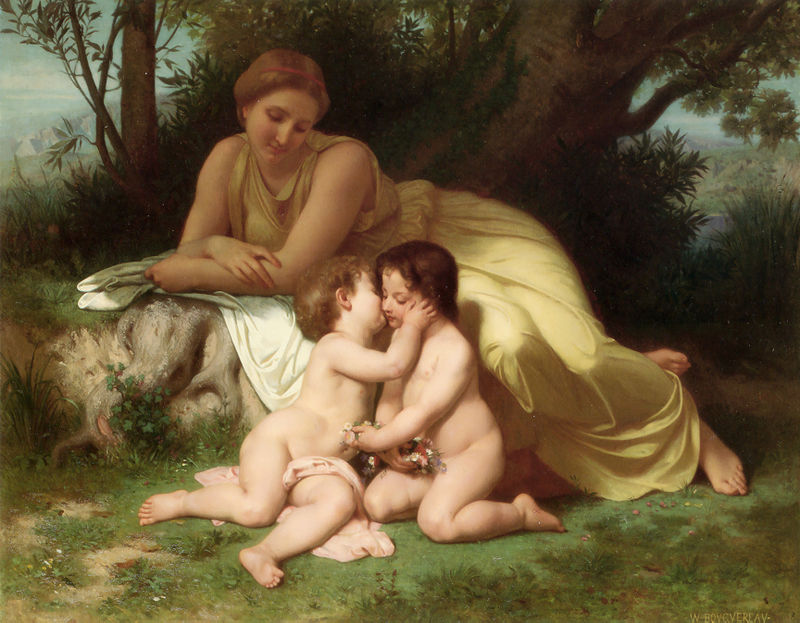
William-Adolphe Bouguereau "Young Woman Contemplating Two Embracing Children" (1861)
William-Adolphe Bouguereau “Young Woman Contemplating Two Embracing Children” (1861)

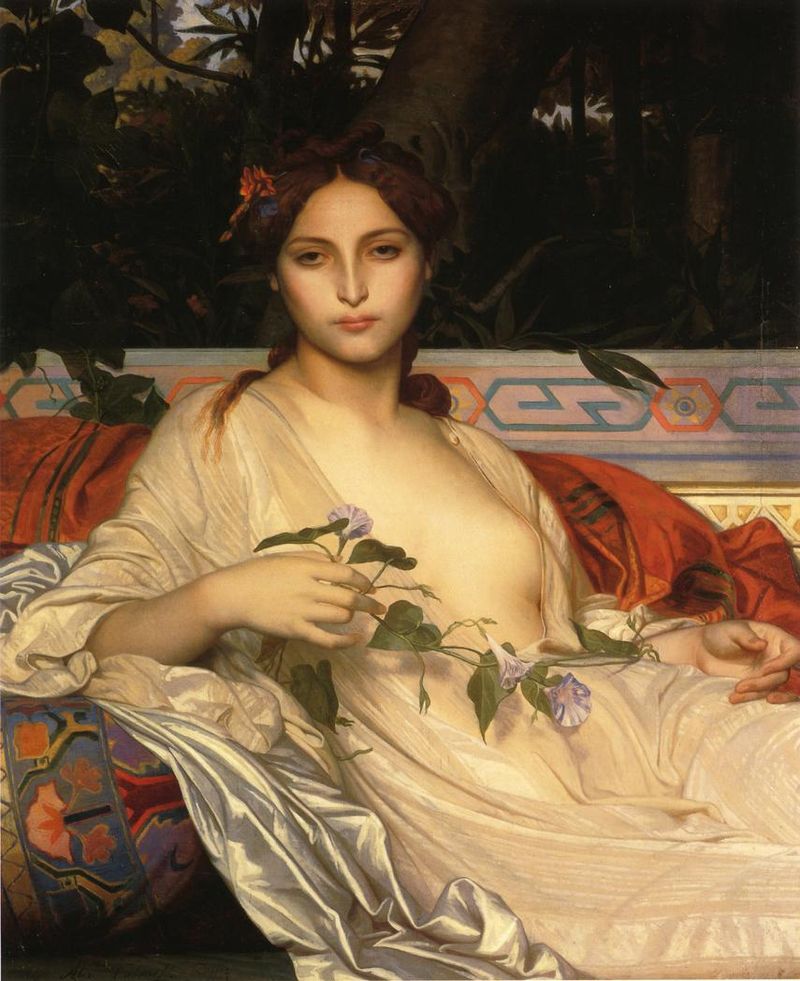
Alexandre Cabanel "Albayde"
Alexandre Cabanel “Albayde”

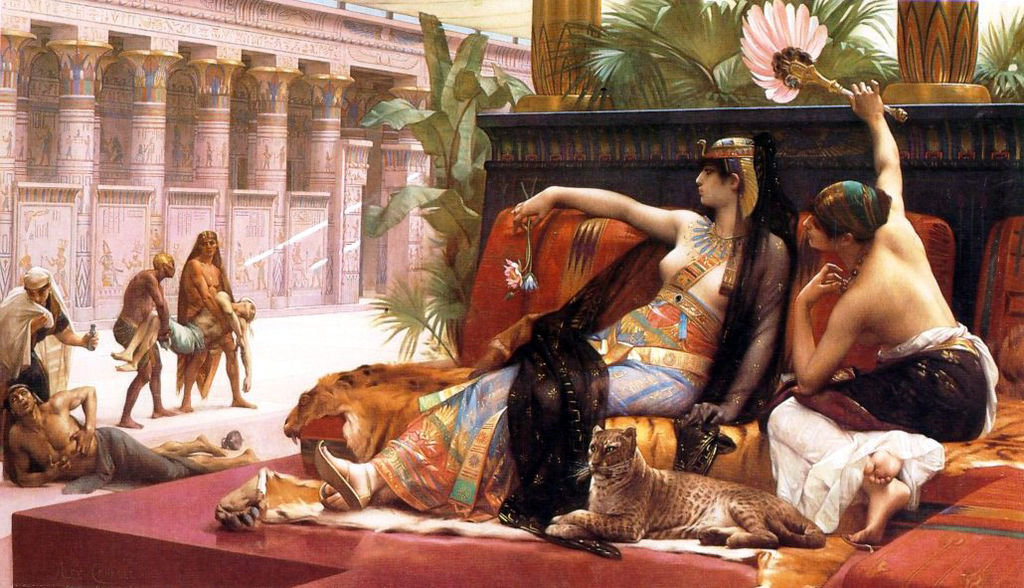
Alexandre Cabanel "Cléopatre essayant des poisons sur des condamnés à mort"
Alexandre Cabanel “Cléopatre essayant des poisons sur des condamnés à mort”

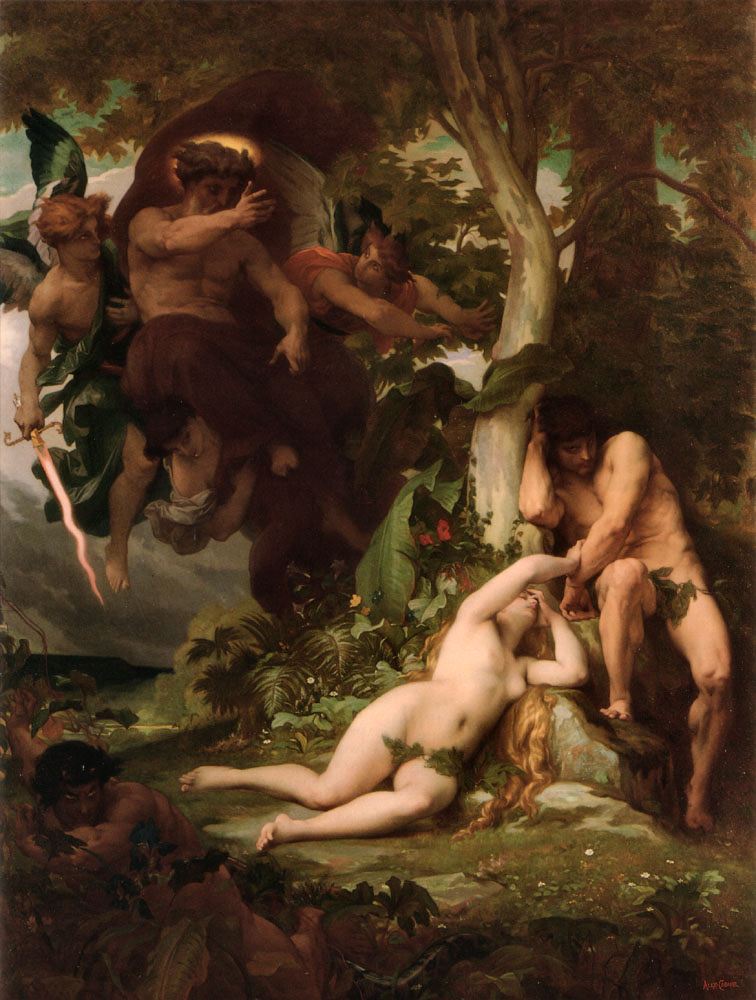
Alexandre Cabanel "Expulsion of Adam and Eve"
Alexandre Cabanel “Expulsion of Adam and Eve”

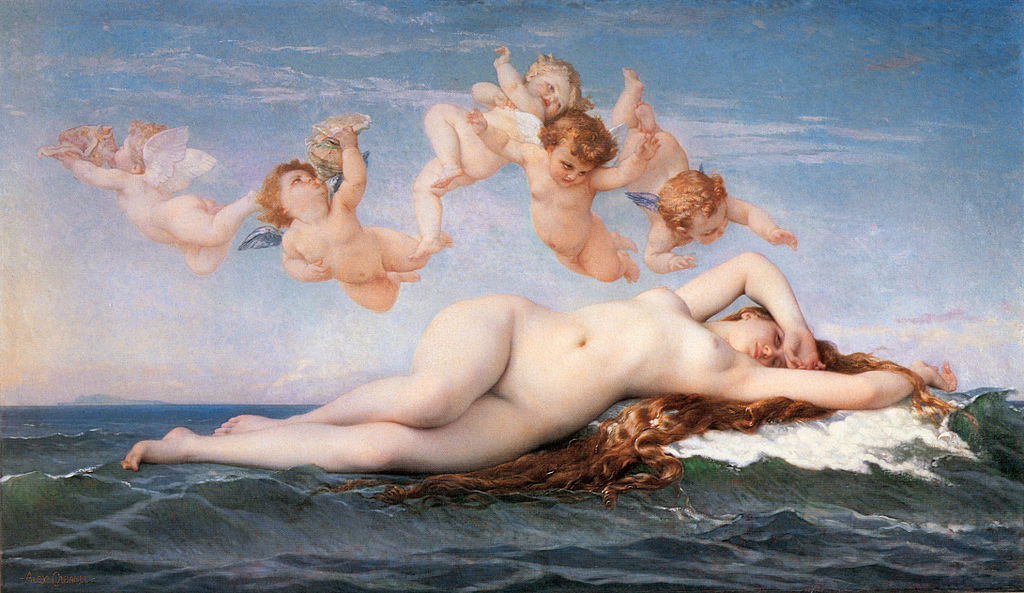
Alexandre Cabanel "The Birth of Venus" (1863)
Alexandre Cabanel “The Birth of Venus” (1863)

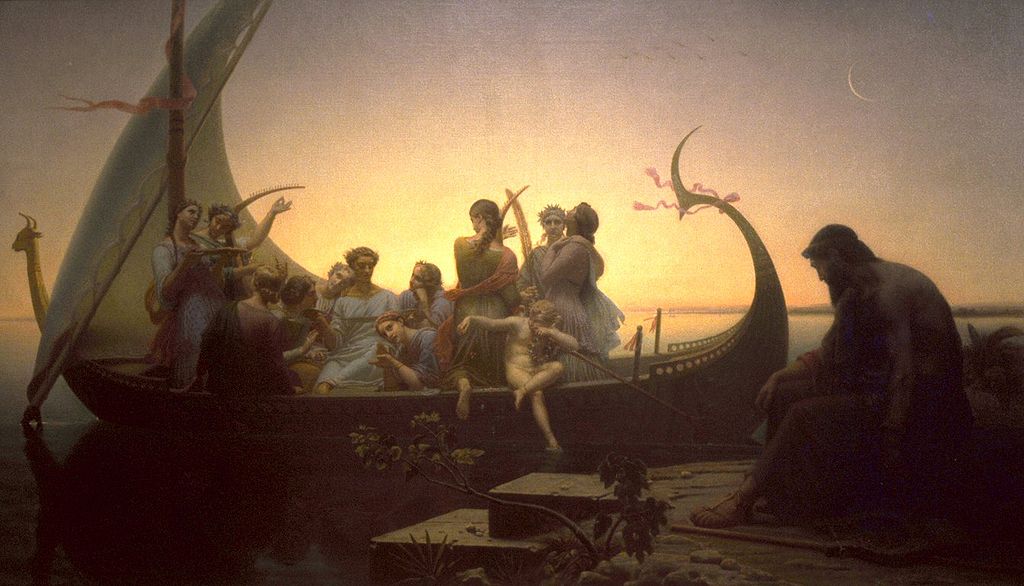
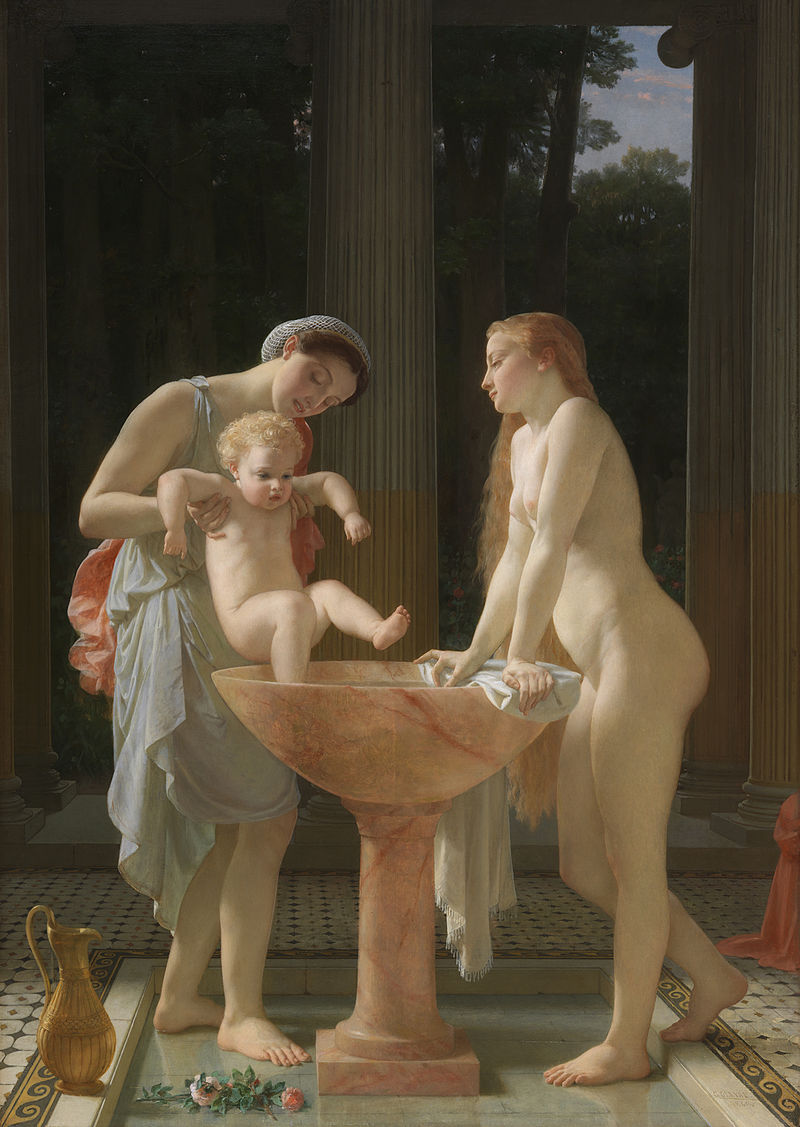
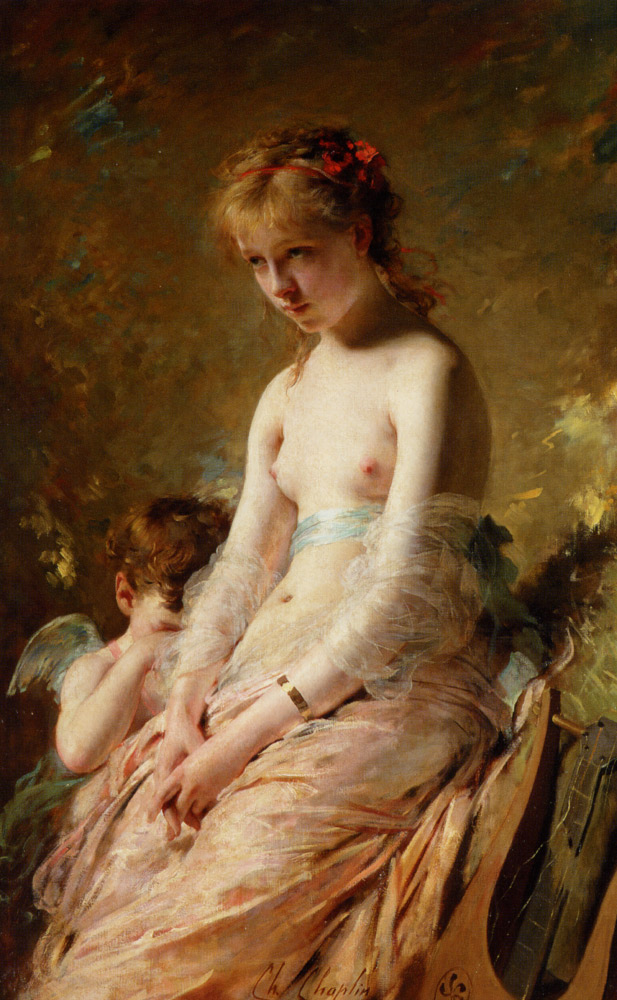
Charles Chaplin "A Song Silenced"
Charles Chaplin “A Song Silenced”

Pierre Auguste Cot "Ophelia"
Pierre Auguste Cot “Ophelia”

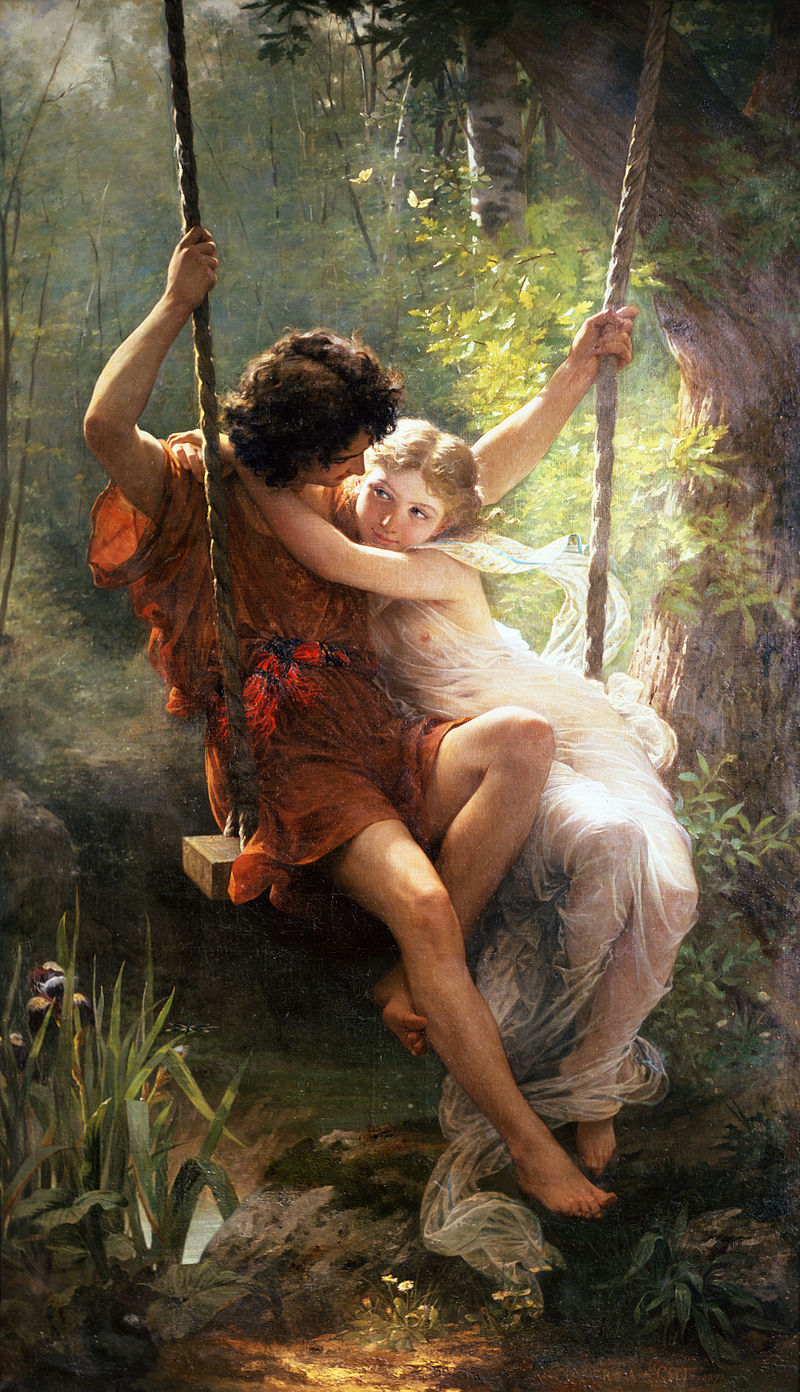
Pierre Auguste Cot "Spring" (1873)
Pierre Auguste Cot “Spring” (1873)

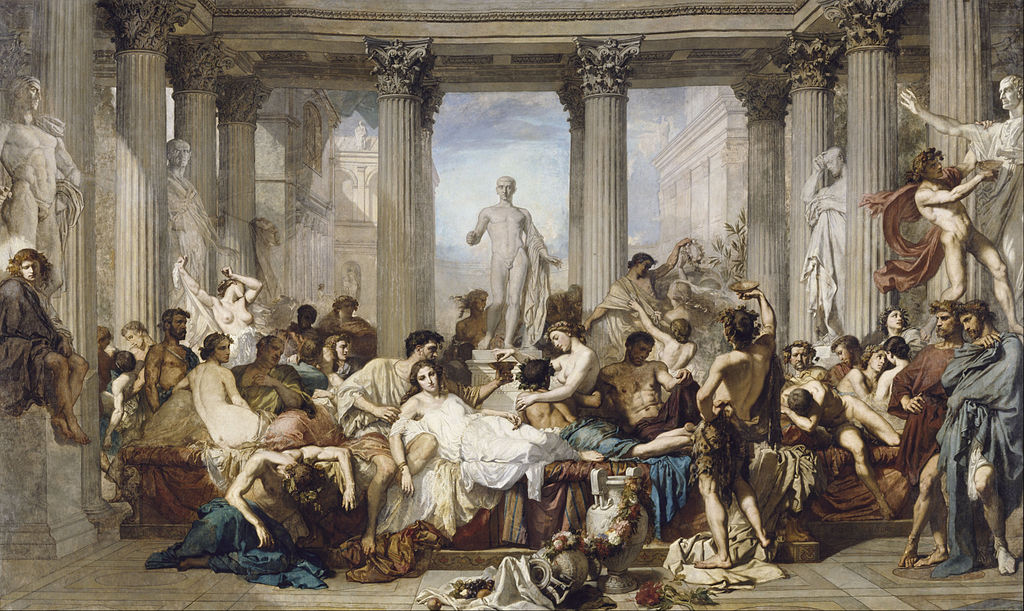
Thomas Couture "Romans During the Decadence"
Thomas Couture “Romans During the Decadence”

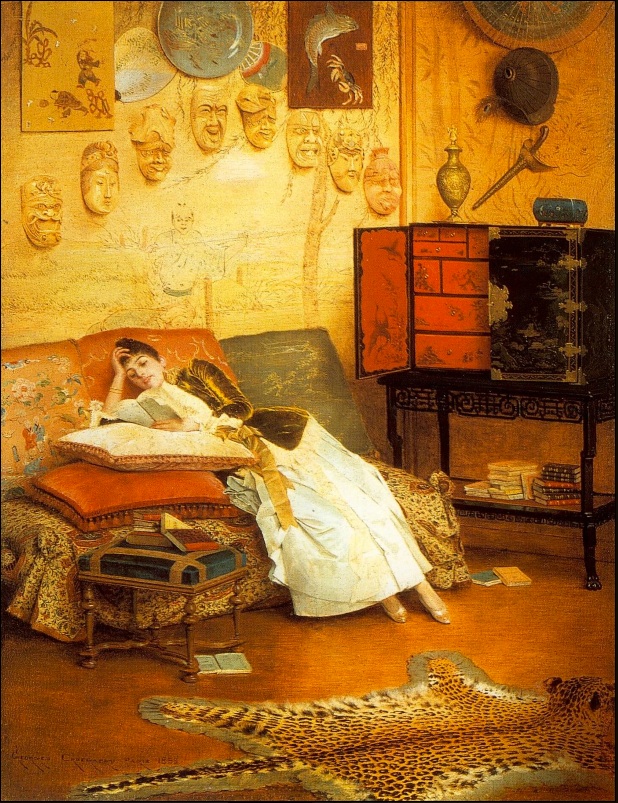
Georges Croegaert "The Reading Woman"
Georges Croegaert “The Reading Woman”

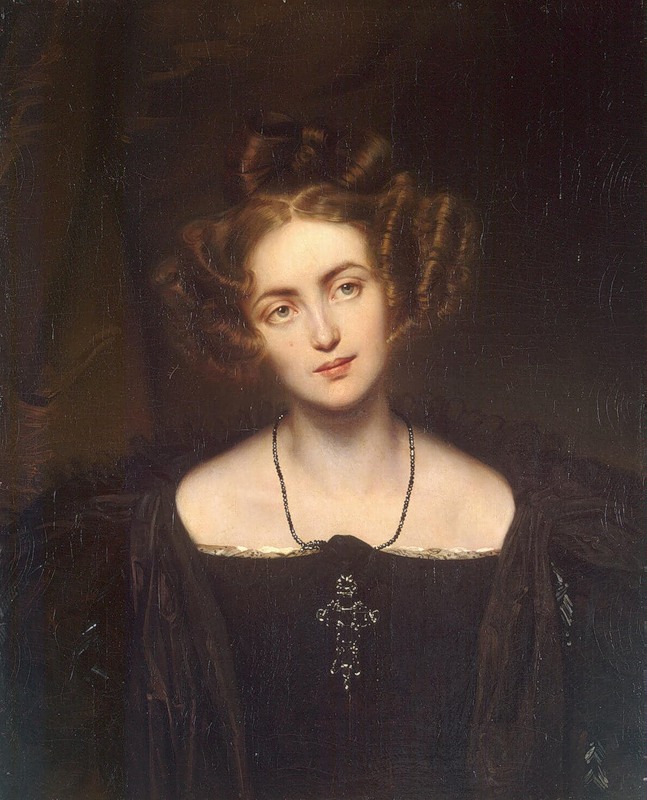
Paul Delaroche "Henriette Sontag in her Donna Anna Costume" (1831)
Paul Delaroche “Henriette Sontag in her Donna Anna Costume” (1831)

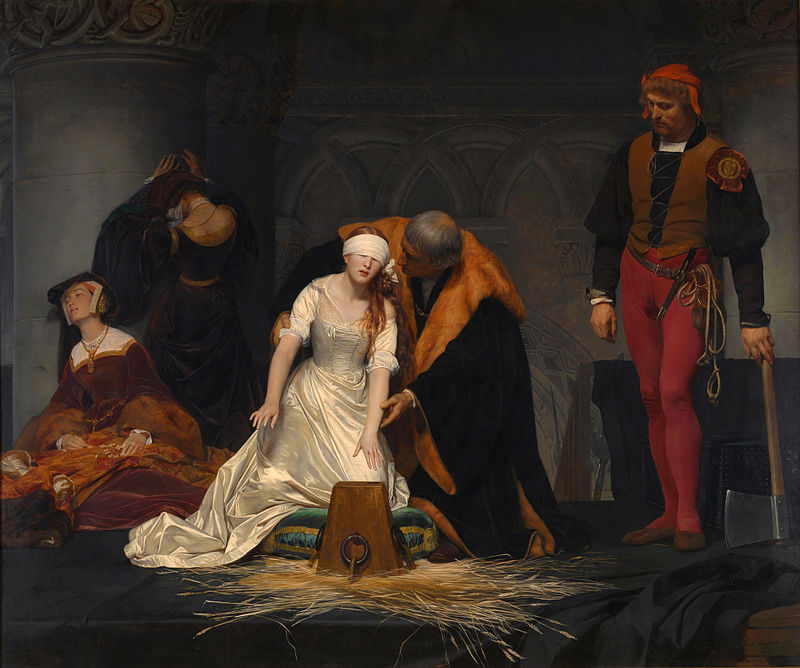
Paul Delaroche "Execution of Lady Jane Grey" (1834)
Paul Delaroche “Execution of Lady Jane Grey” (1834)

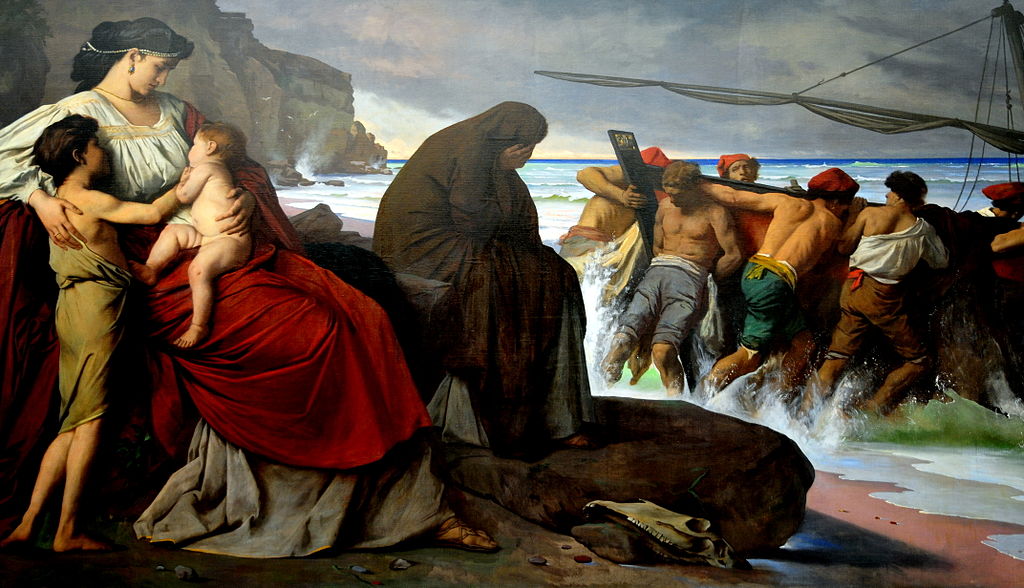
Anselm Feuerbach "Medea"
Anselm Feuerbach “Medea”

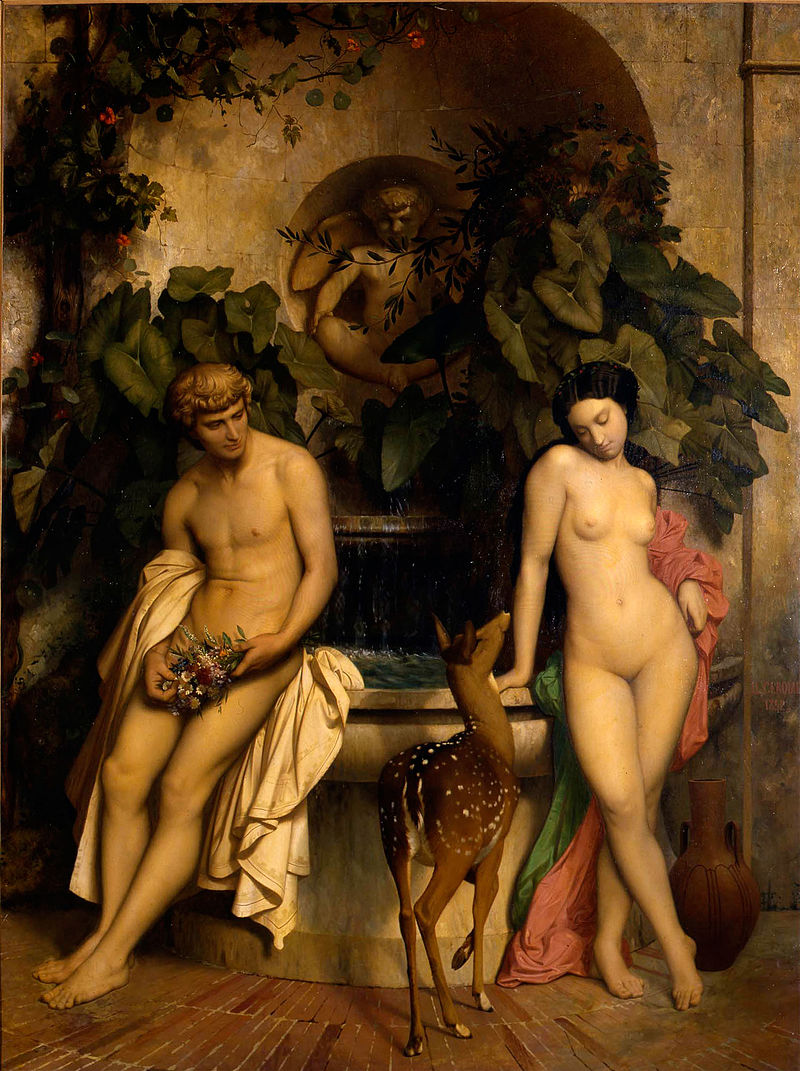
Jean-Léon Gérôme "An Idyll" (1852)
Jean-Léon Gérôme “An Idyll” (1852)

Jean-Léon Gérôme "Diogenes"
Jean-Léon Gérôme “Diogenes”

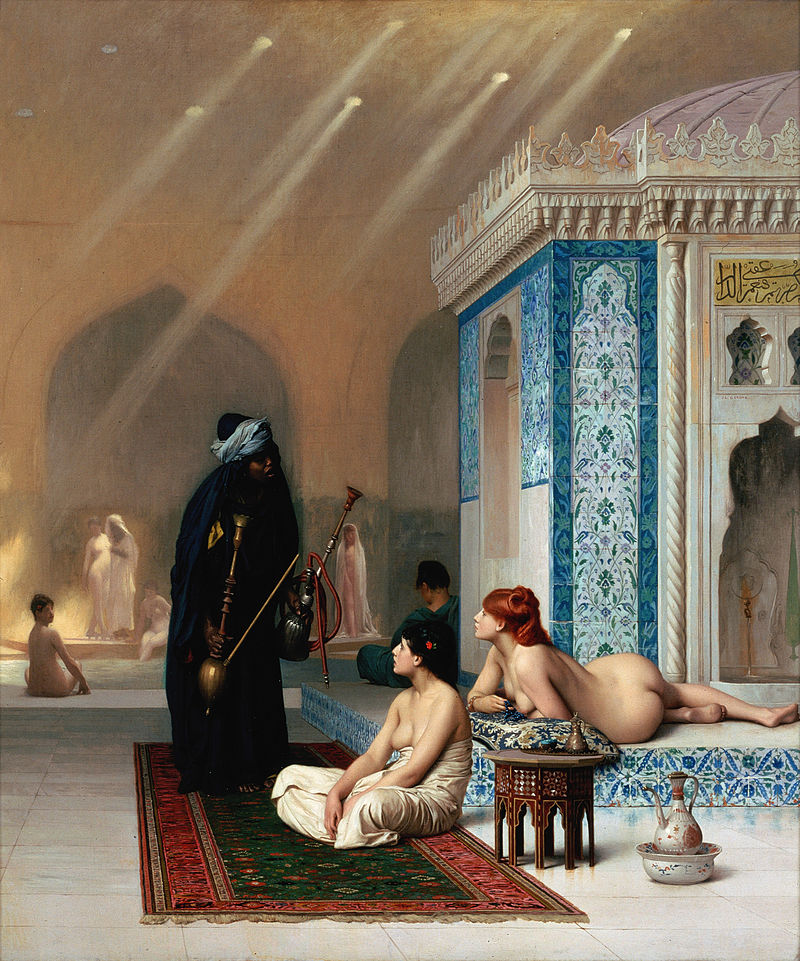
Jean-Léon Gérôme "Harem Pool"
Jean-Léon Gérôme “Harem Pool”

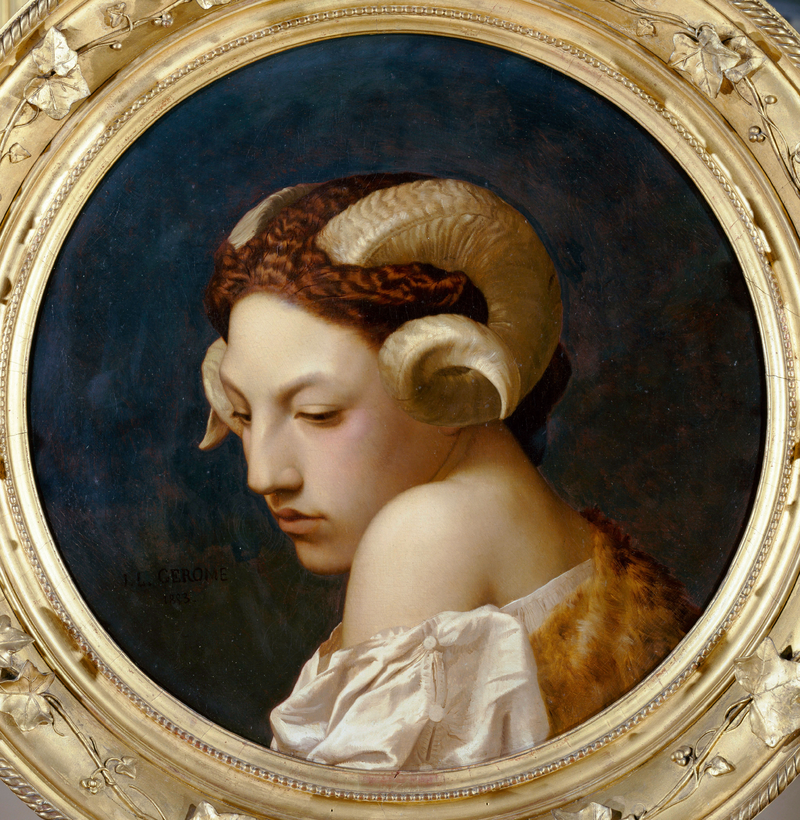
Jean-Léon Gérôme "Head of a Woman"
Jean-Léon Gérôme “Head of a Woman”

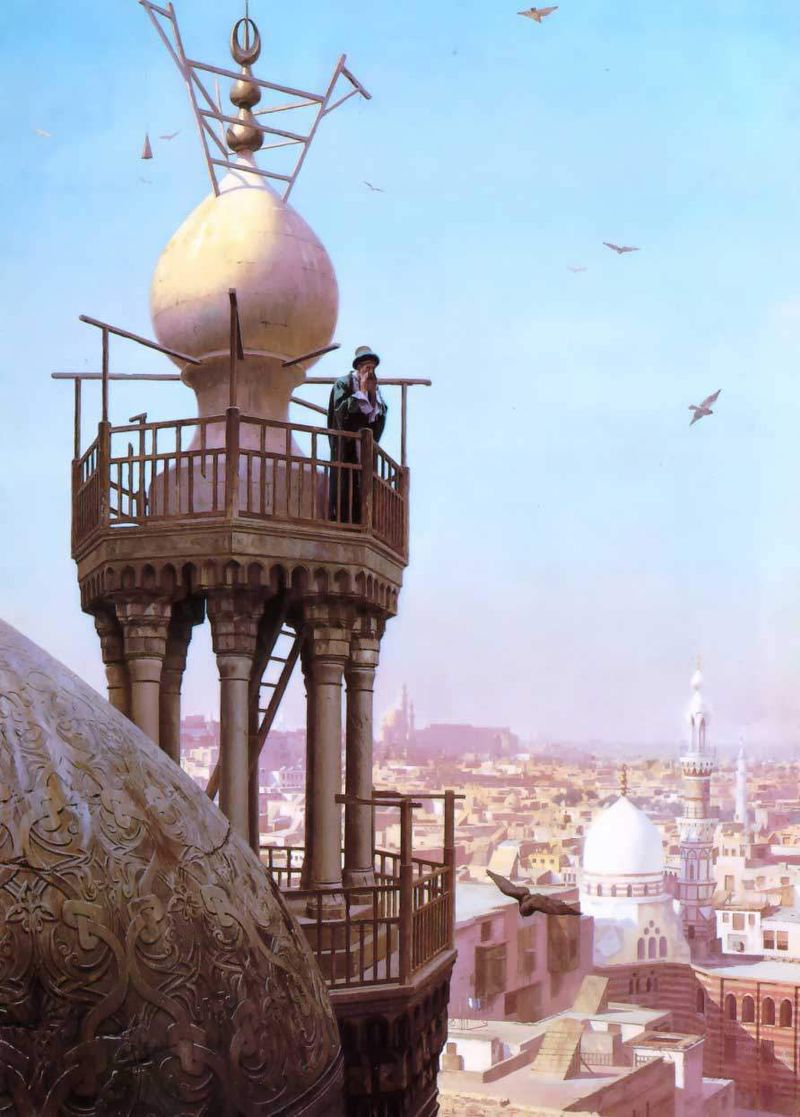
Jean-Léon Gérôme "Muezzin Calling from the Top of a Minaret"
Jean-Léon Gérôme “Muezzin Calling from the Top of a Minaret”

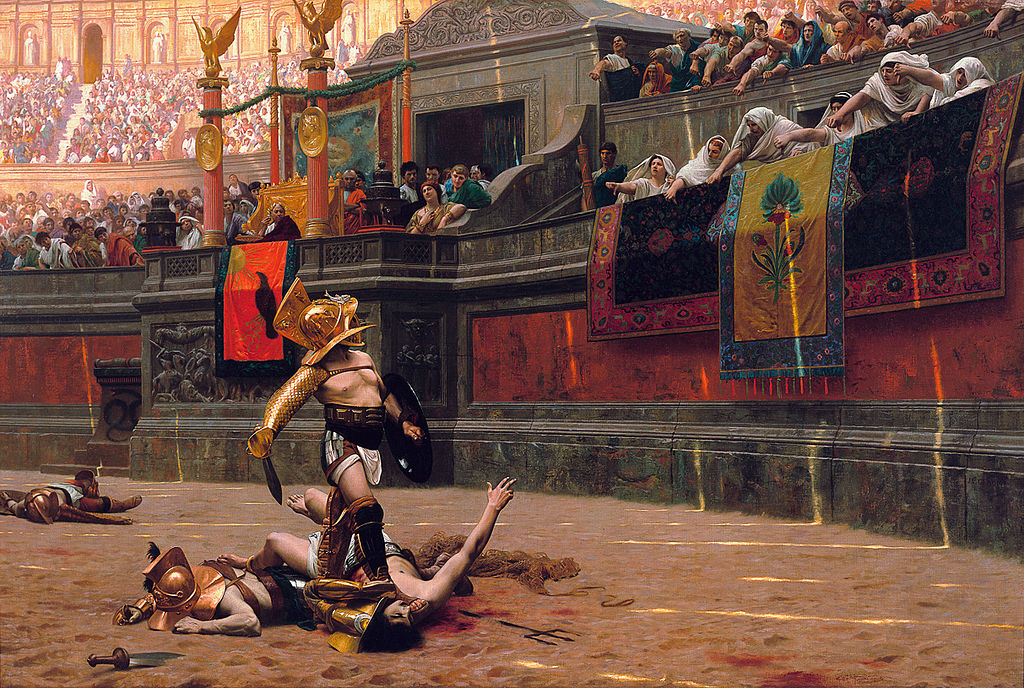
Jean-Léon Gérôme "Pollice Verso"
Jean-Léon Gérôme “Pollice Verso”

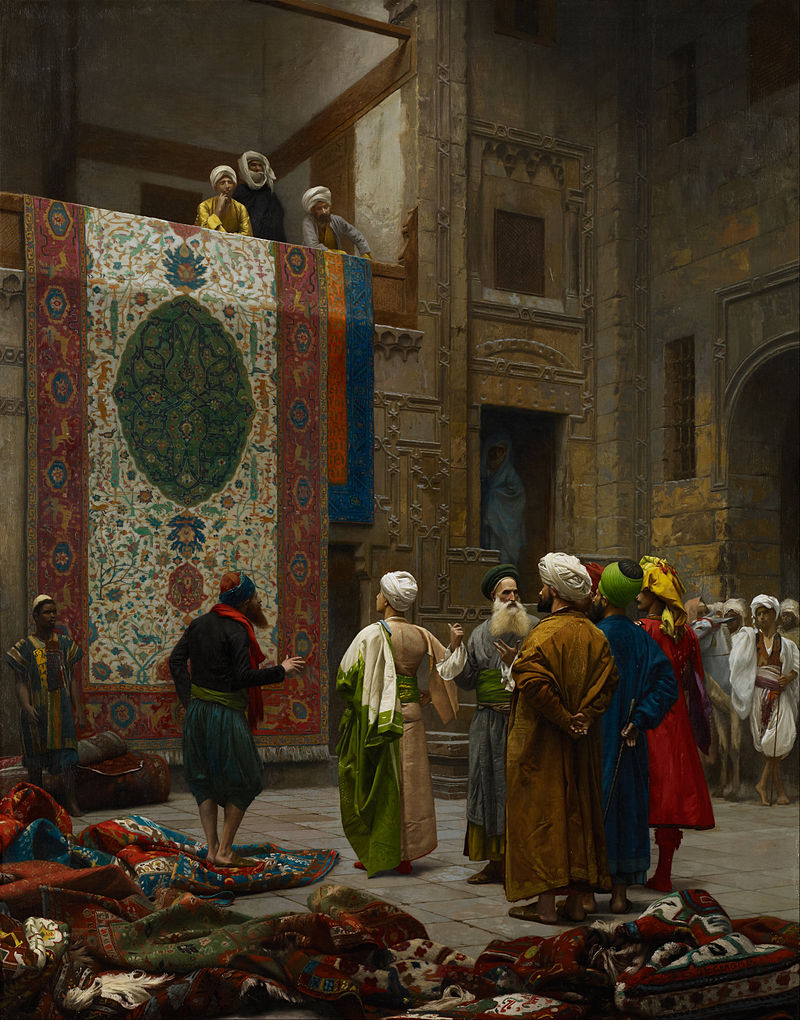
Jean-Léon Gérôme "The Carpet Merchant"
Jean-Léon Gérôme “The Carpet Merchant”

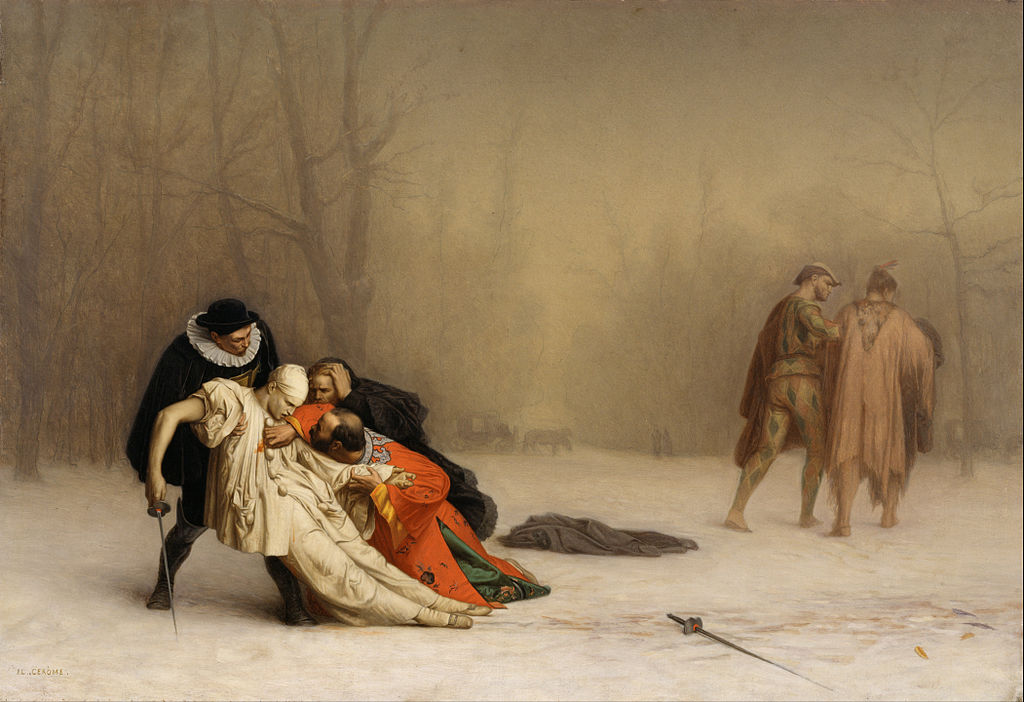
Jean-Léon Gérôme "The Duel After the Masquerade"
Jean-Léon Gérôme “The Duel After the Masquerade”

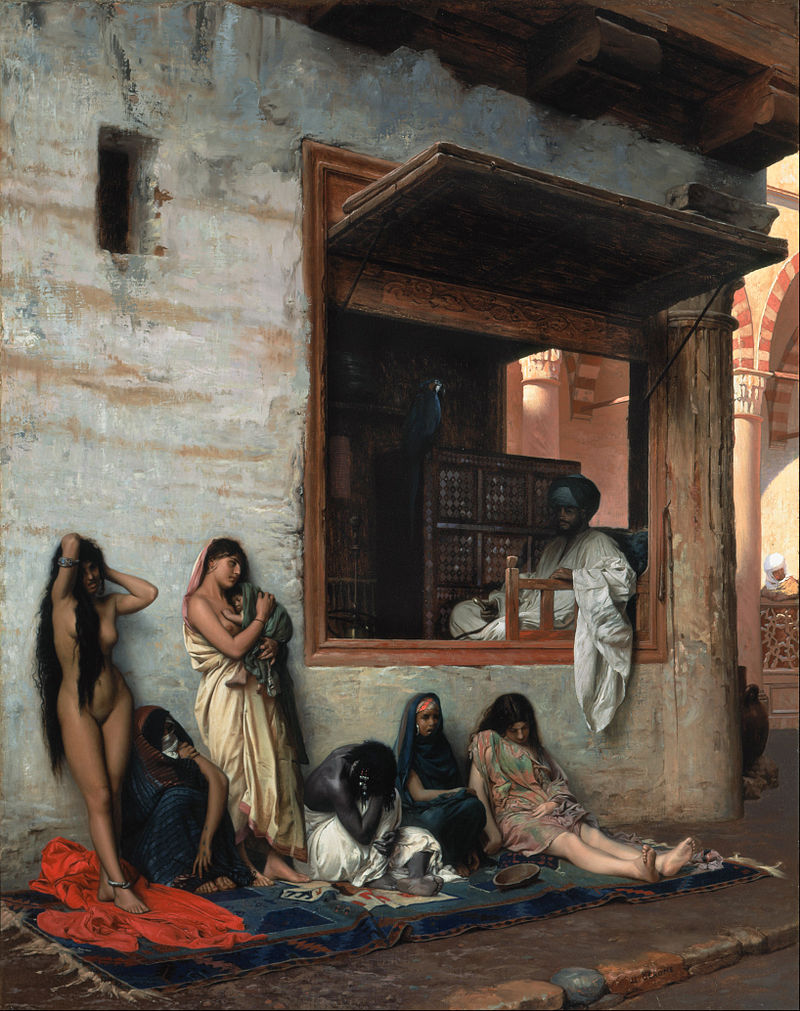
Jean-Léon Gérôme "The Slave Market"
Jean-Léon Gérôme “The Slave Market”

Charles Gleyre "Lost Illusions"
Charles Gleyre “Lost Illusions”

Charles Gleyre "Oriental Lady" (1865)
Charles Gleyre “Oriental Lady” (1865)

Charles Gleyre "The Bath"
Charles Gleyre “The Bath”

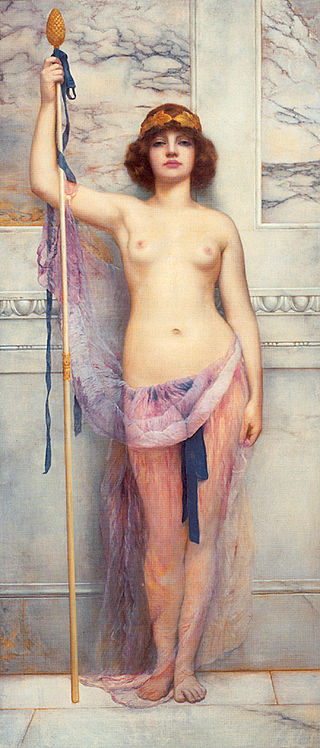
John William Godward "A Priestess" (1893)
John William Godward “A Priestess” (1893)

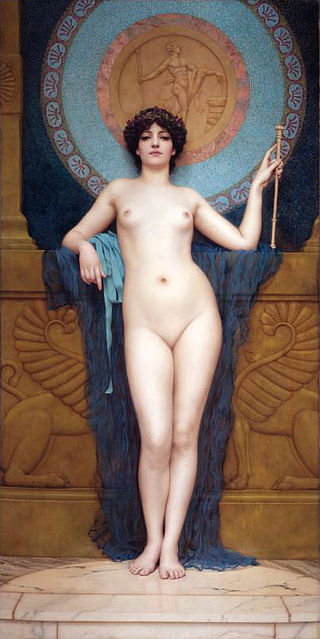
John William Godward "Campaspe"
John William Godward “Campaspe”

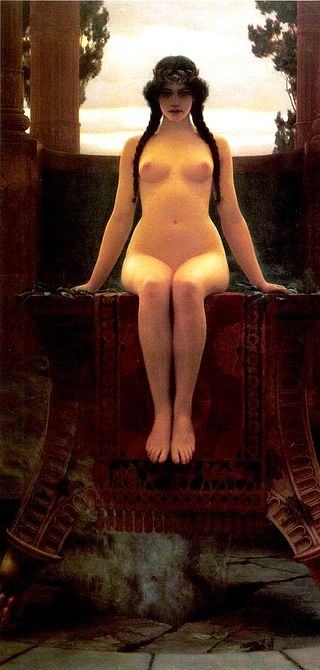
John William Godward "L'Oracle de Delphes" (1899)
John William Godward “L’Oracle de Delphes” (1899)

John William Godward "Study of Miss Ethel Warwick"
John William Godward “Study of Miss Ethel Warwick”

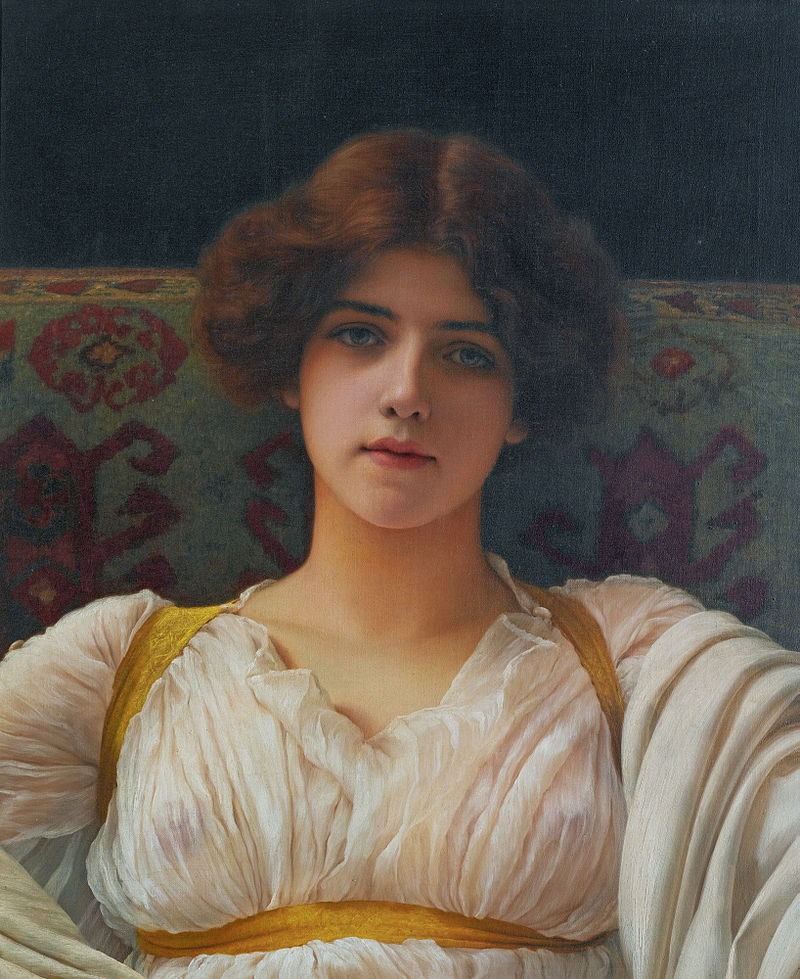
John William Godward "Violets, Sweet Violets"
John William Godward “Violets, Sweet Violets”

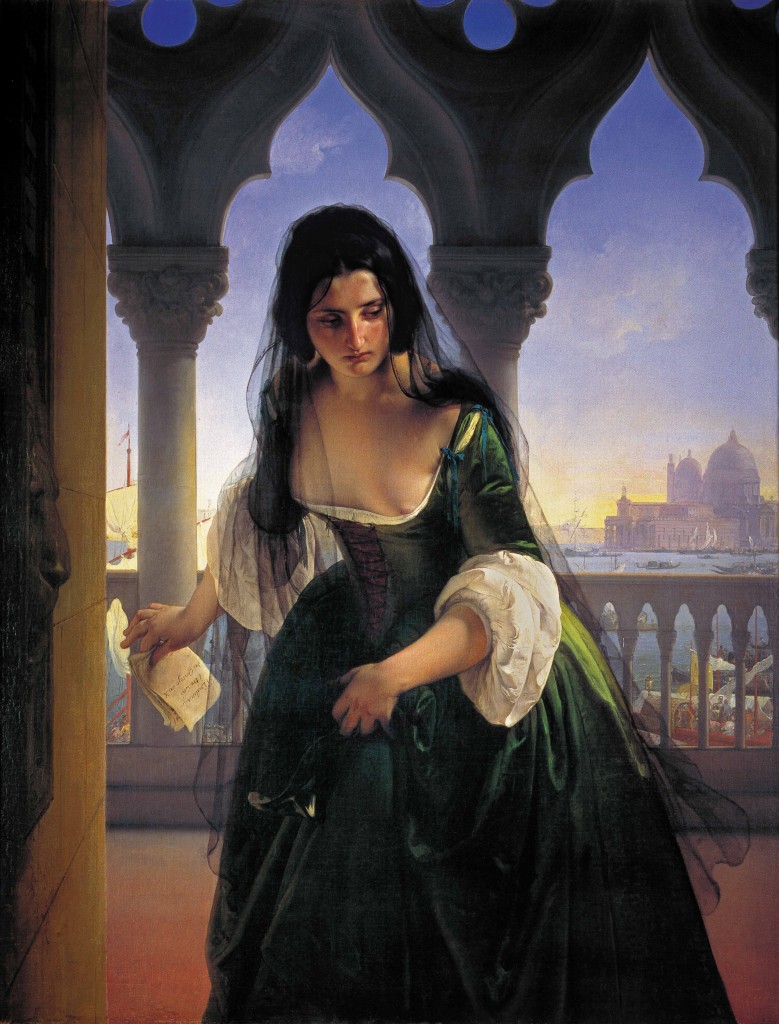
Francesco Hayez "Accusa segreta" (1847)
Francesco Hayez “Accusa segreta” (1847)

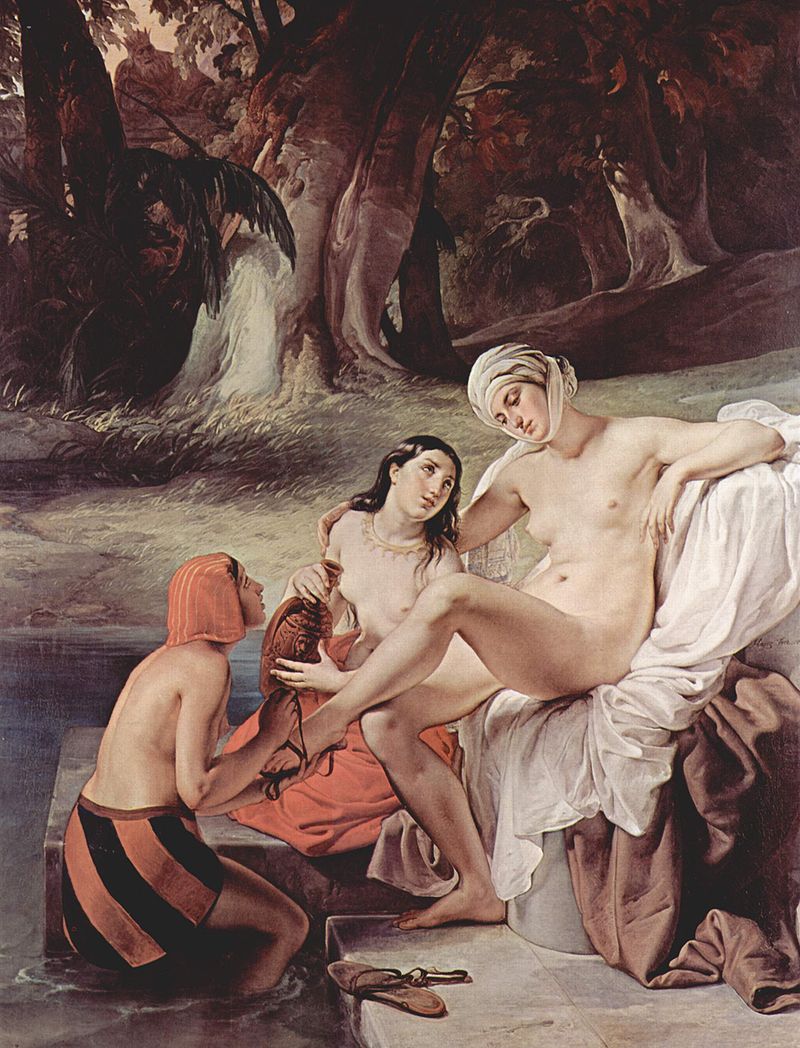
Francesco Hayez "Bathsheba Bathing"
Francesco Hayez “Bathsheba Bathing”

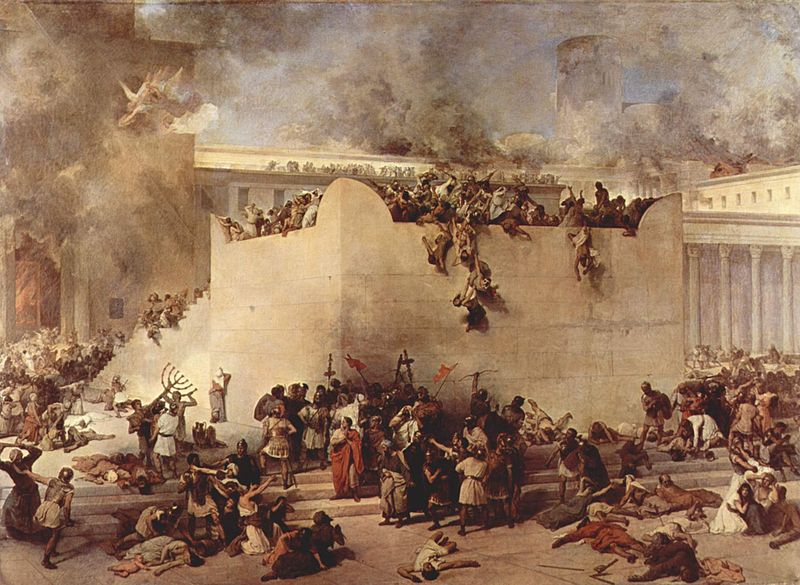
Francesco Hayez "Destruction of the Temple of Jerusalem" (1867)
Francesco Hayez “Destruction of the Temple of Jerusalem” (1867)

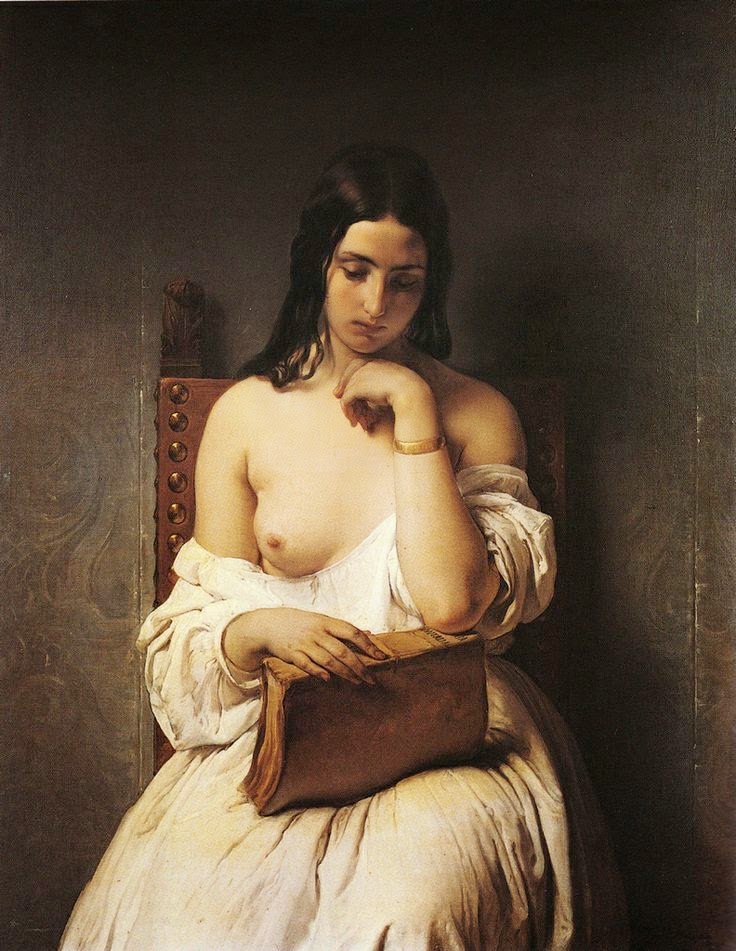
Francesco Hayez "La Meditazione" (1850)
Francesco Hayez “La Meditazione” (1850)

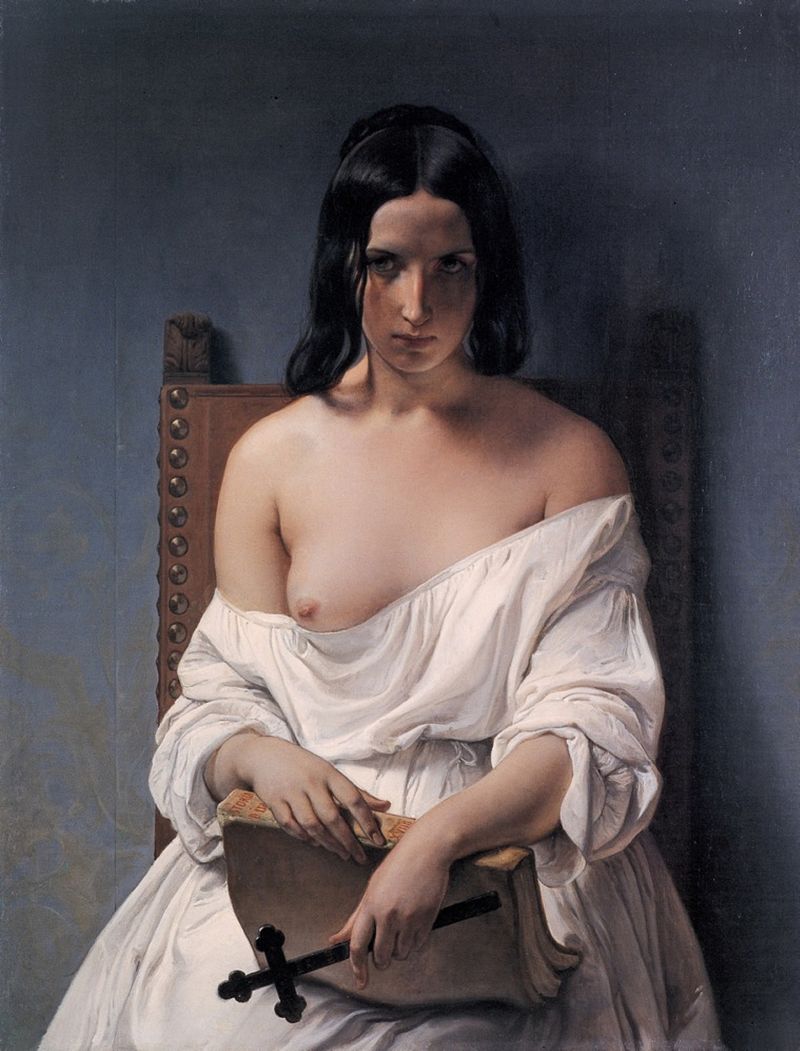
Francesco Hayez "Meditation on the History of Italy"
Francesco Hayez “Meditation on the History of Italy”

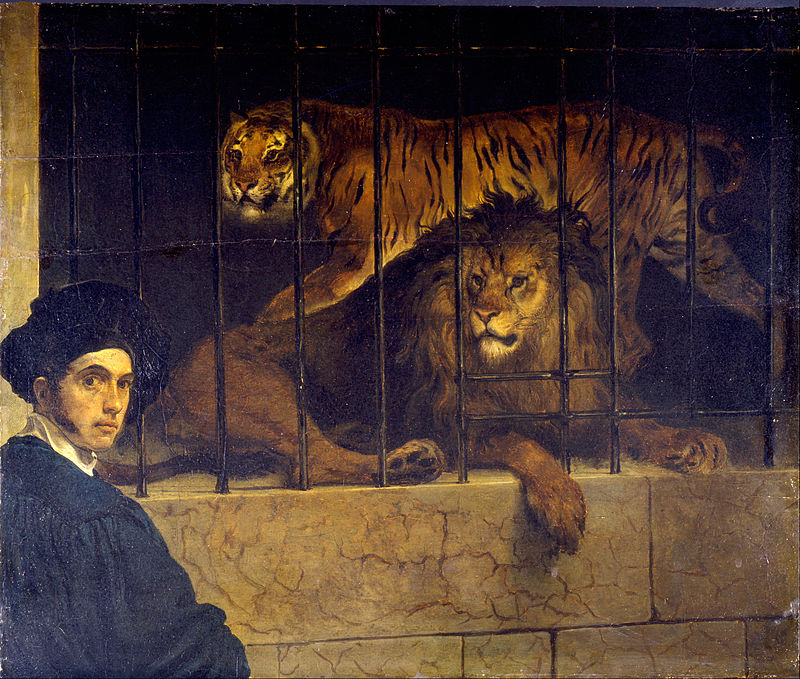
Francesco Hayez "Self-portrait with Tiger and Lion"
Francesco Hayez “Self-portrait with Tiger and Lion”

Vojtech Hynais "Lezici akt"
Vojtech Hynais “Lezici akt”

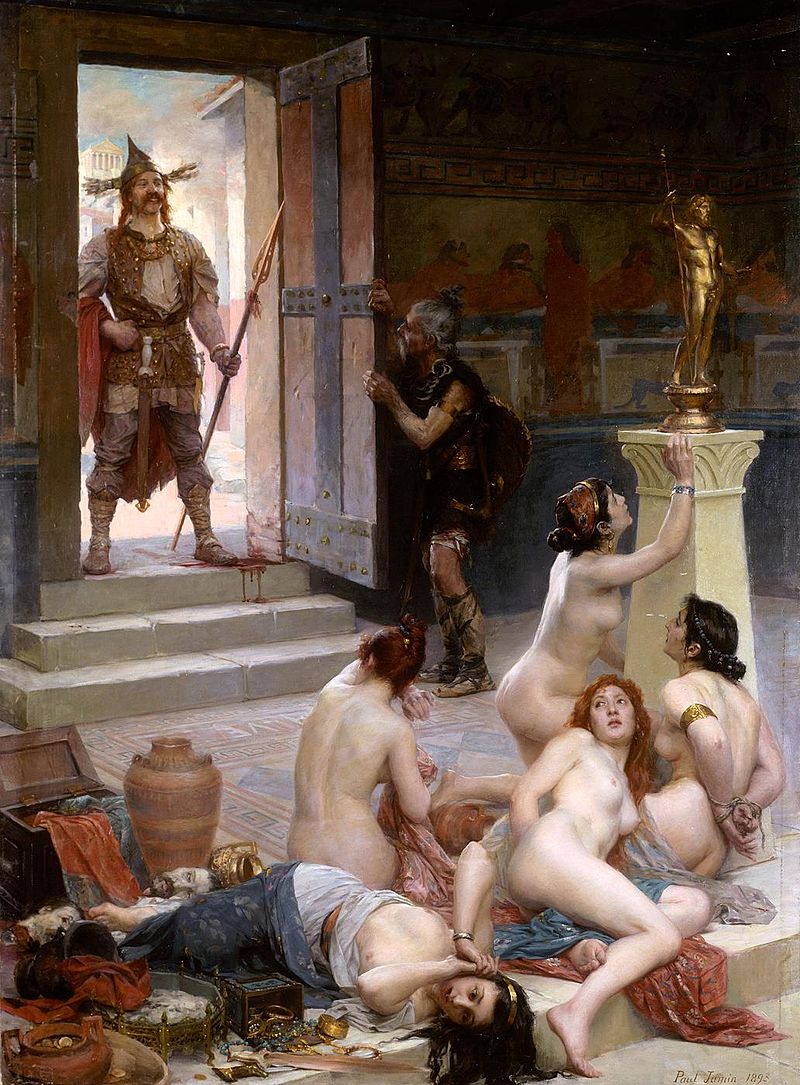
Paul Jamin "Le Brenn et sa part de butin" (1893)
Paul Jamin “Le Brenn et sa part de butin” (1893)

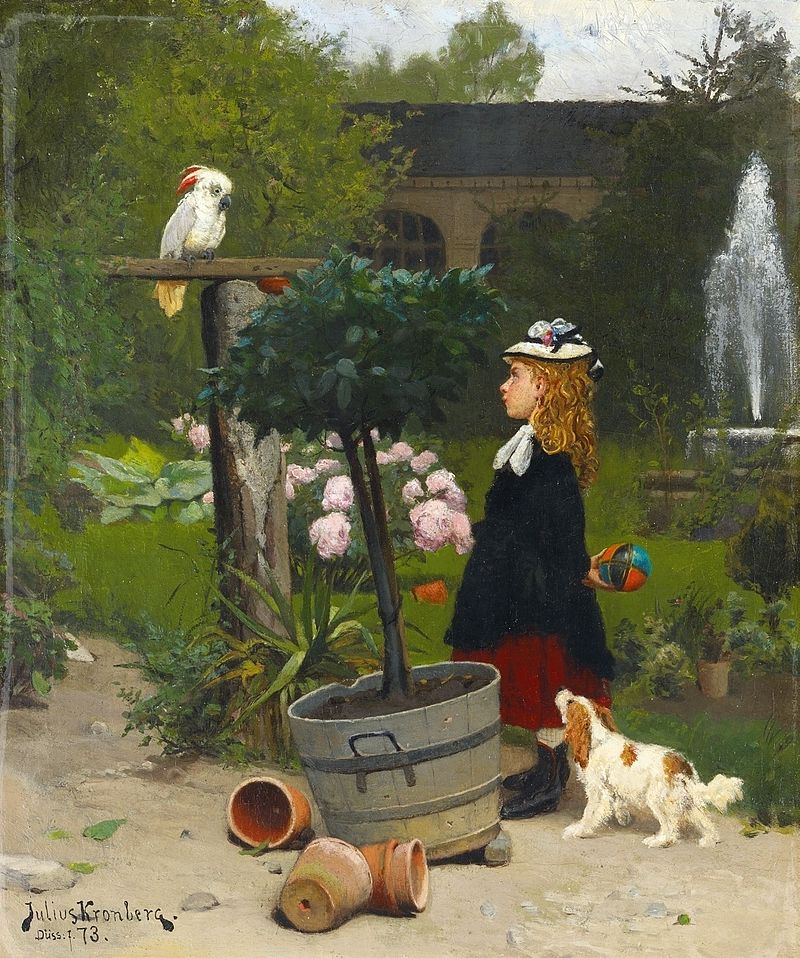
Julius Kronberg "Der neue Spielkamerad"
Julius Kronberg “Der neue Spielkamerad”

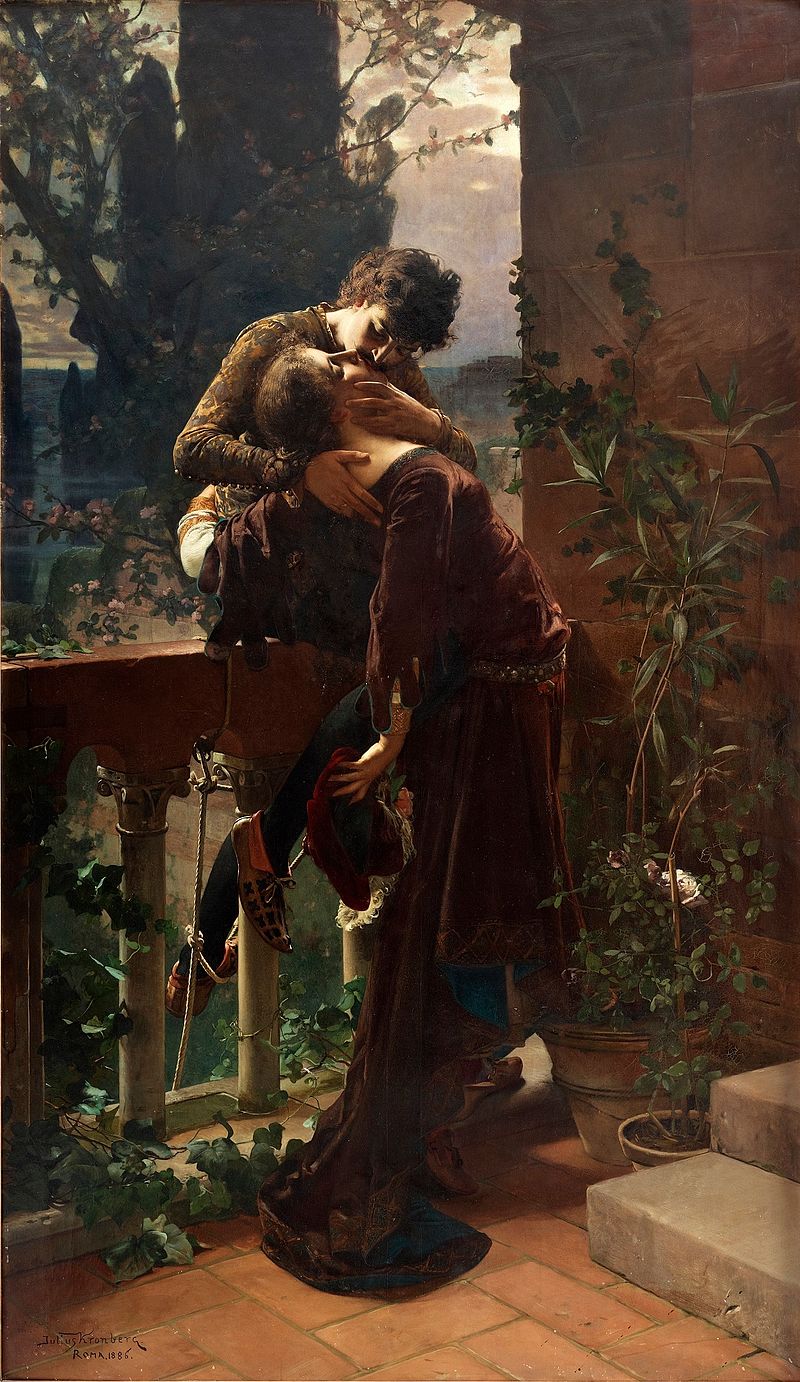
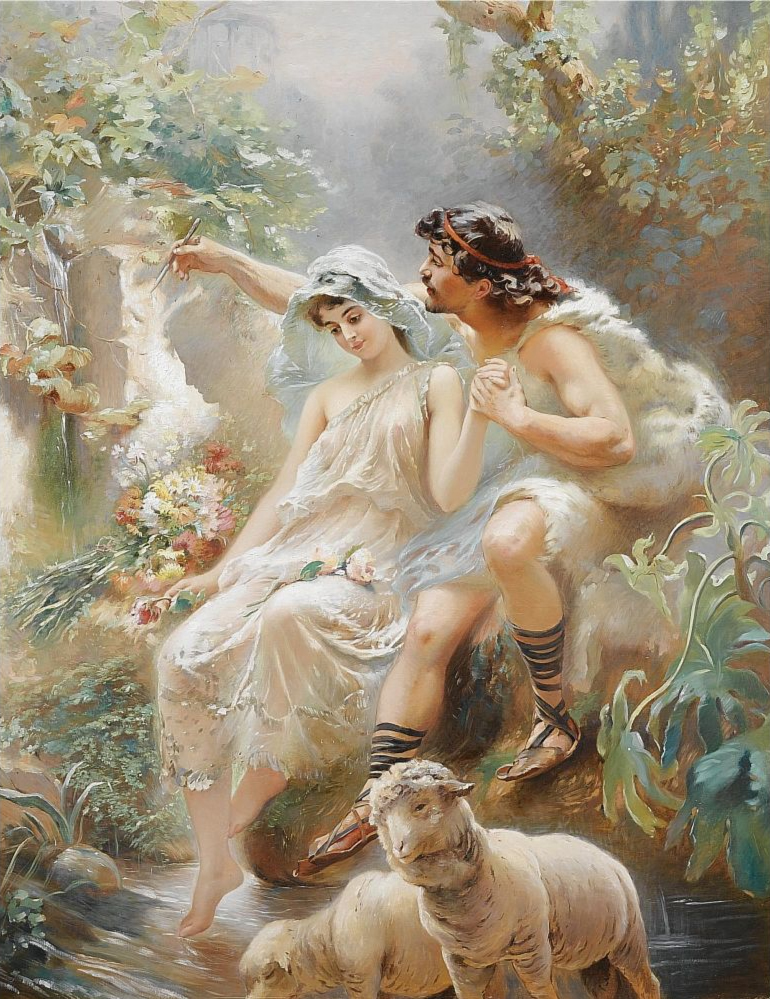
Julius Kronberg "Romeo and Juliet on the Balcony"
Julius Kronberg “Romeo and Juliet on the Balcony”

Jules Joseph Lefebvre "Girl with a Mandolin"
Jules Joseph Lefebvre “Girl with a Mandolin”

Jules Joseph Lefebvre "La Cigarra" (1872)
Jules Joseph Lefebvre “La Cigarra” (1872)

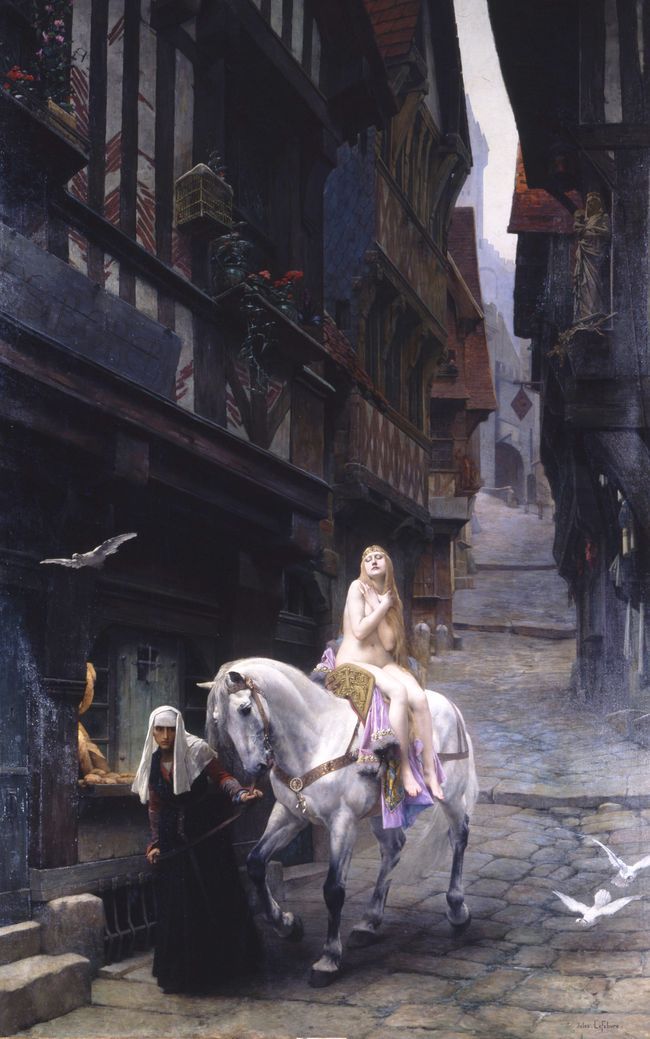
Jules Joseph Lefebvre "Lady Godiva"
Jules Joseph Lefebvre “Lady Godiva”

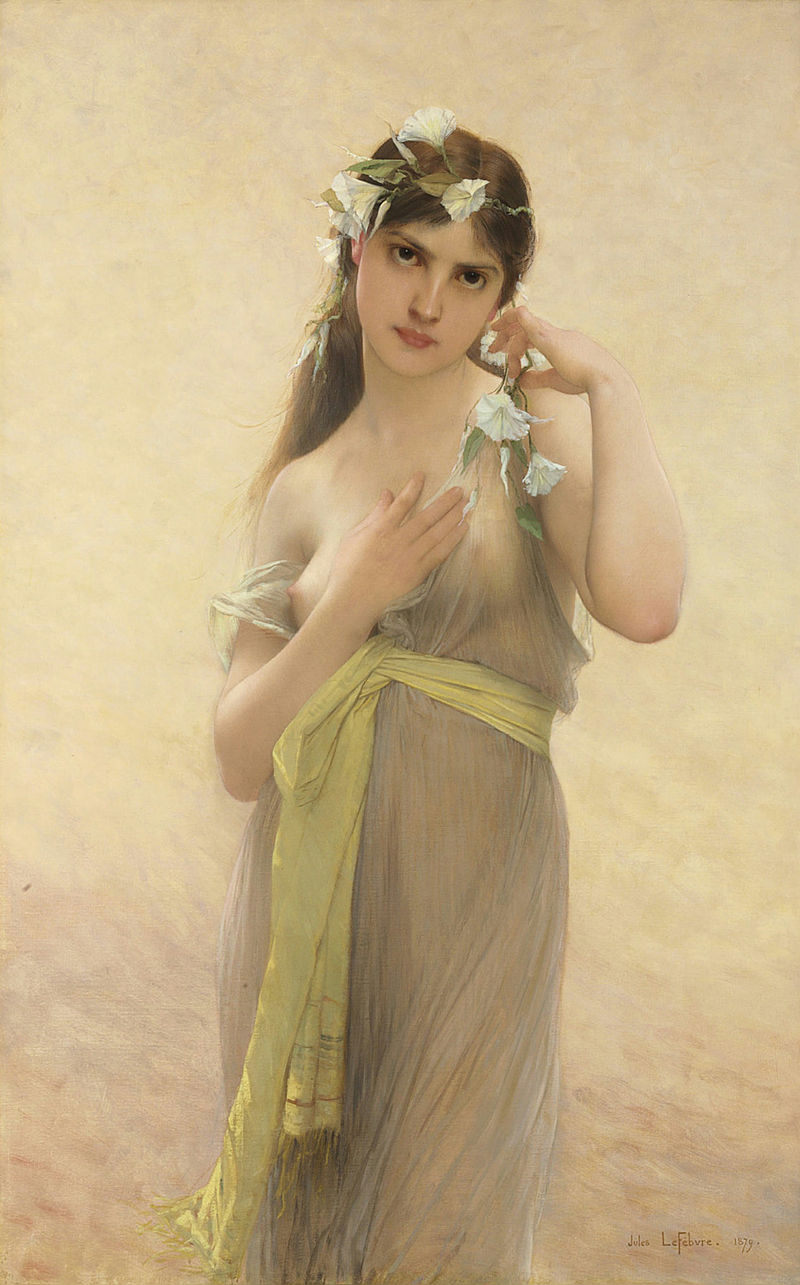
Jules Joseph Lefebvre "Morning Glory" (1879)
Jules Joseph Lefebvre “Morning Glory” (1879)

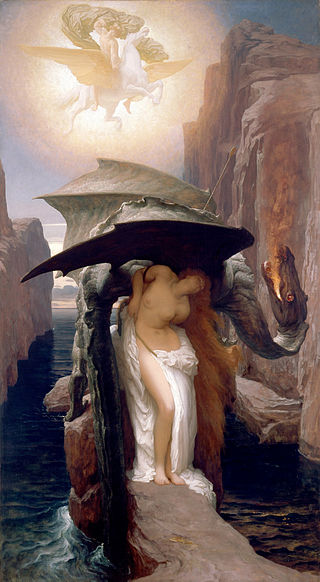
Frederic Leighton "Perseus and Andromeda"
Frederic Leighton “Perseus and Andromeda”

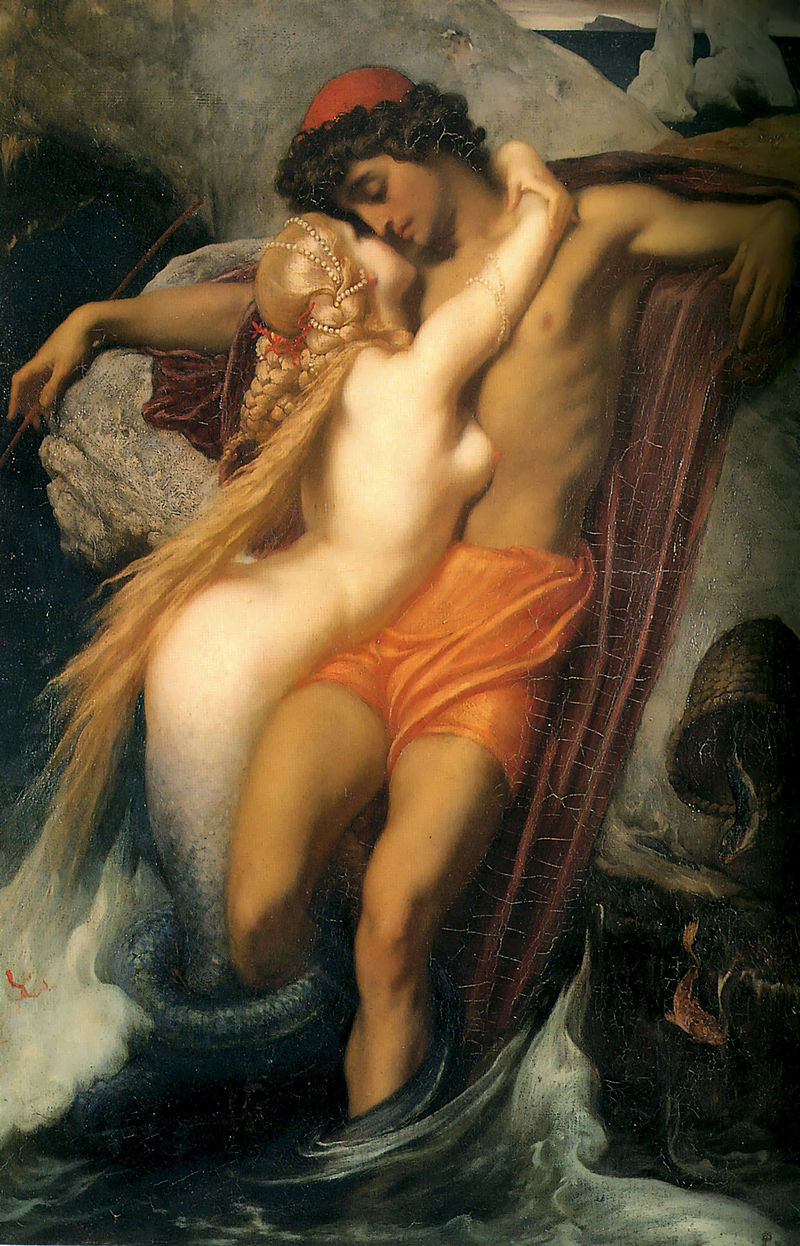
Frederic Leighton "The Fisherman and the Syren" (1856)
Frederic Leighton “The Fisherman and the Syren” (1856)

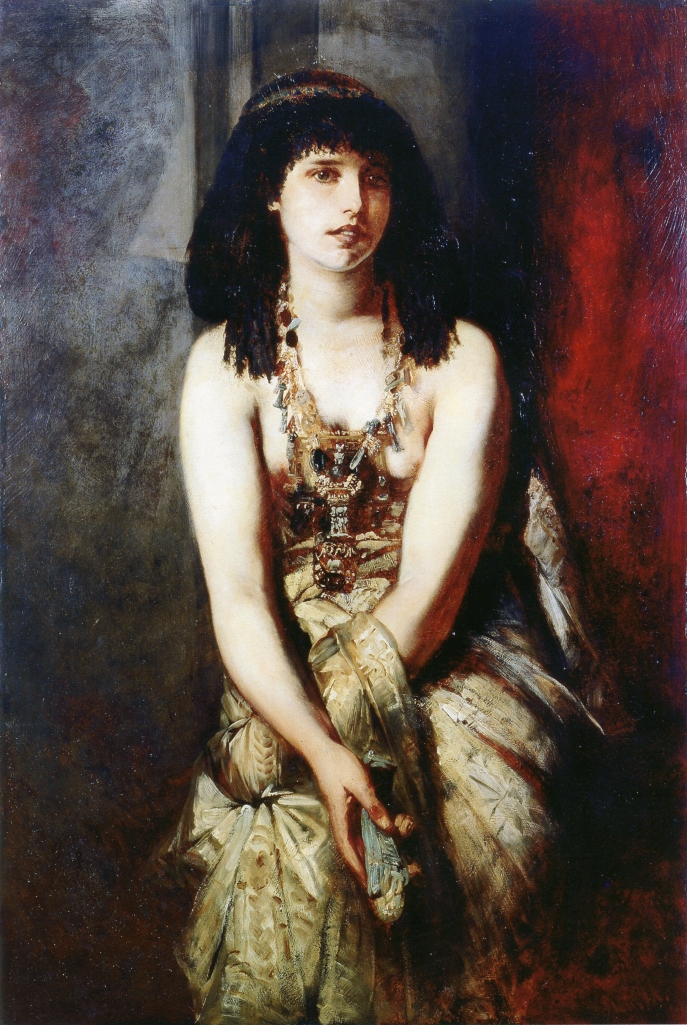
Hans Makart "An Egyptian Princess" (1875)
Hans Makart “An Egyptian Princess” (1875)

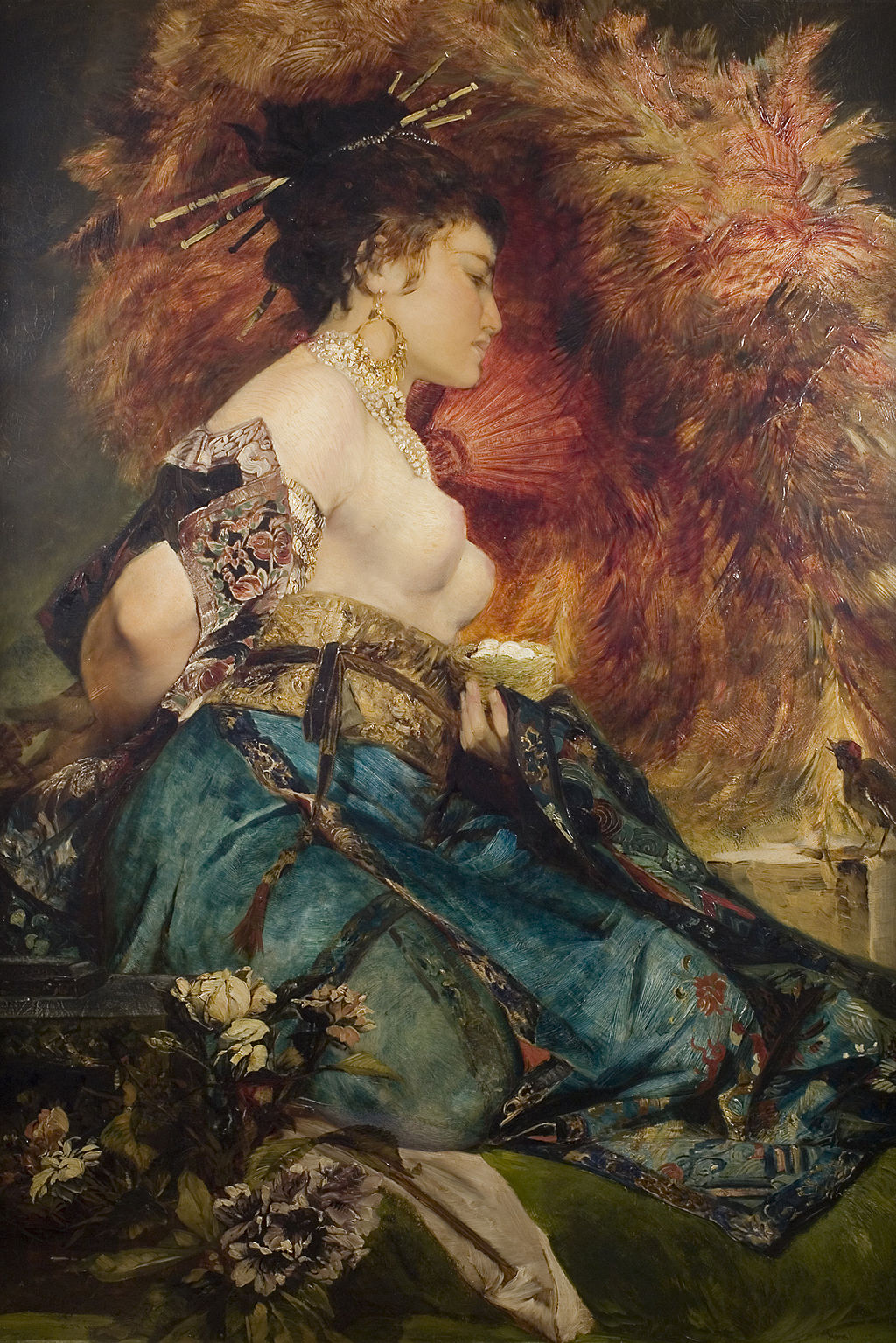
Hans Makart "Japanese Kimono"
Hans Makart “Japanese Kimono”

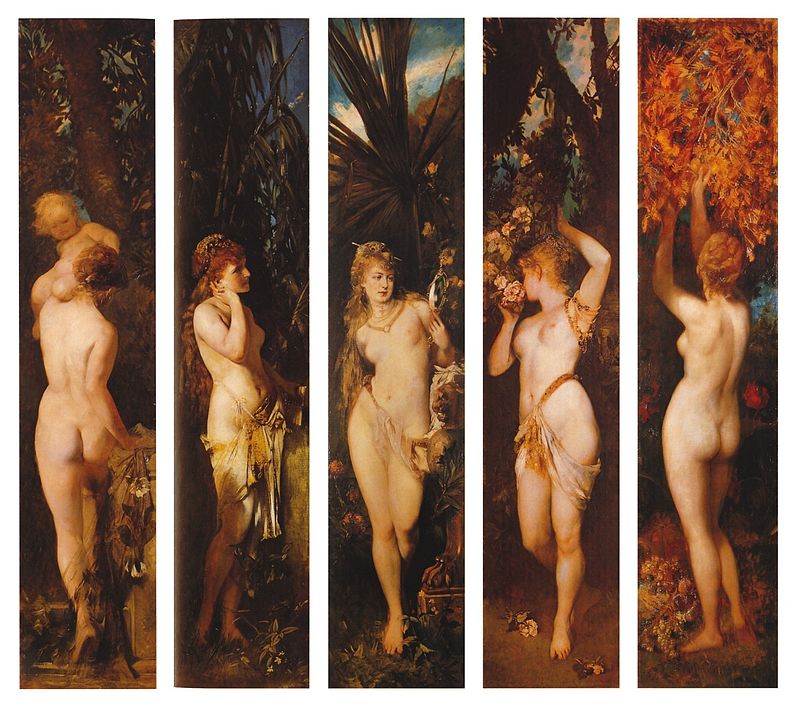
Hans Makart "The Five Senses"
Hans Makart “The Five Senses”

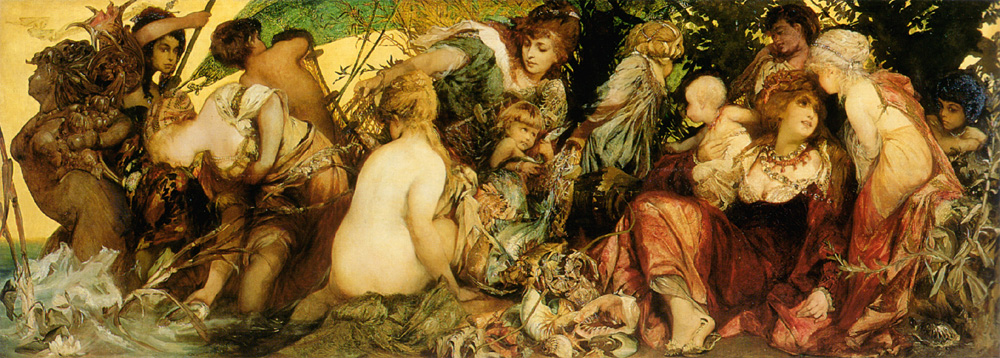
Hans Makart "Abundantia: the Gifts of the Sea" (1870)
Hans Makart “Abundantia: the Gifts of the Sea” (1870)

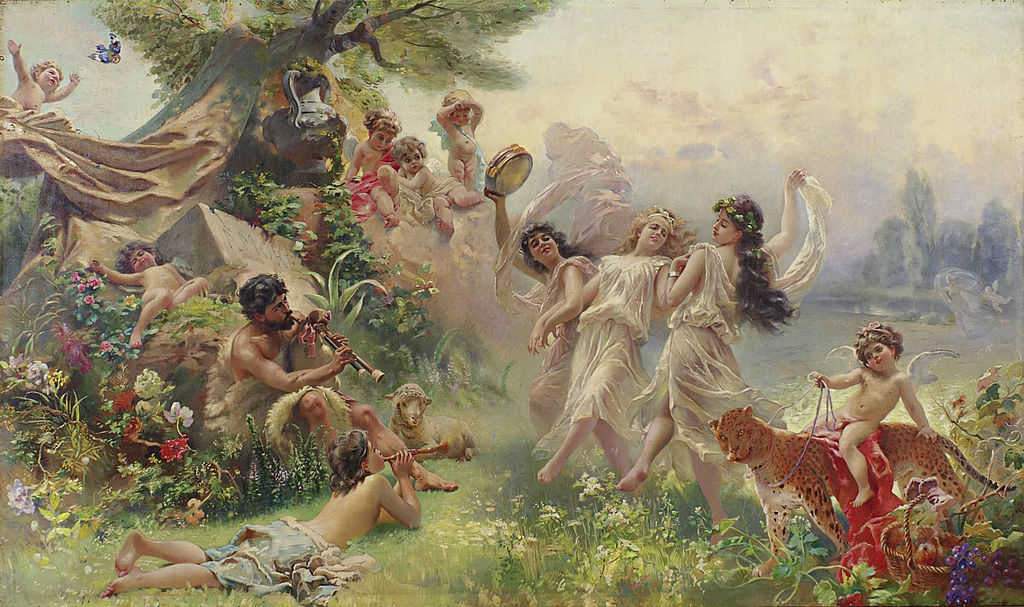
Konstantin Makovsky "Allegorical Scene"
Konstantin Makovsky “Allegorical Scene”

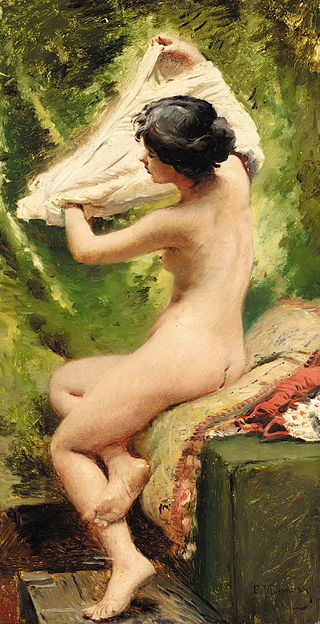
Konstantin Makovsky "Beauty Preparing to Bathe"
Konstantin Makovsky “Beauty Preparing to Bathe”

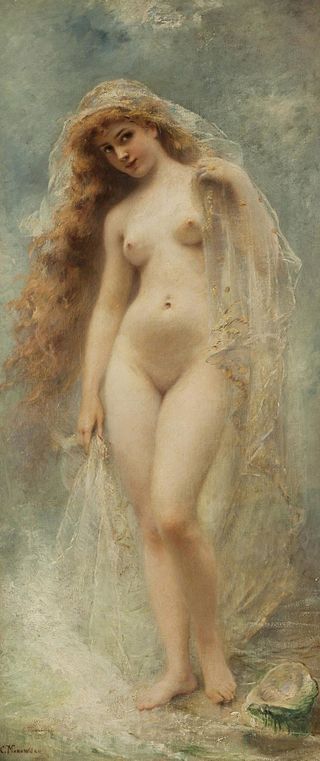
Konstantin Makovsky "Geburt der Aphrodite"
Konstantin Makovsky “Geburt der Aphrodite”

Konstantin Makovsky "Gypsy"
Konstantin Makovsky “Gypsy”

Konstantin Makovsky "Happy Arcadia"
Konstantin Makovsky “Happy Arcadia”

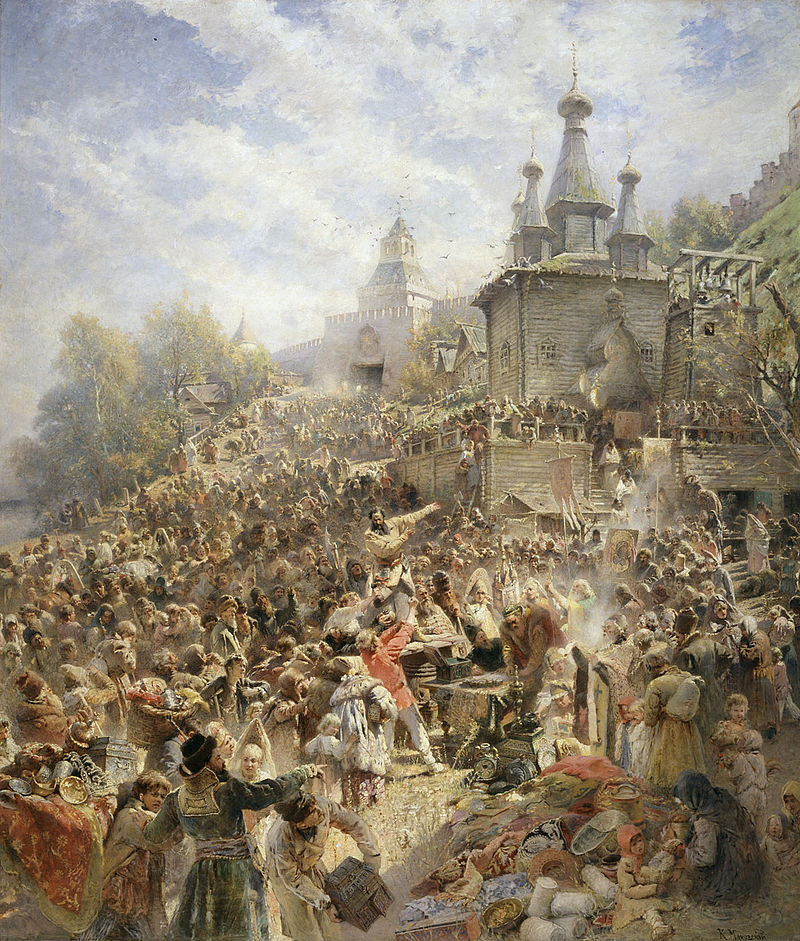
Konstantin Makovsky "The Appeal of Minin"
Konstantin Makovsky “The Appeal of Minin”

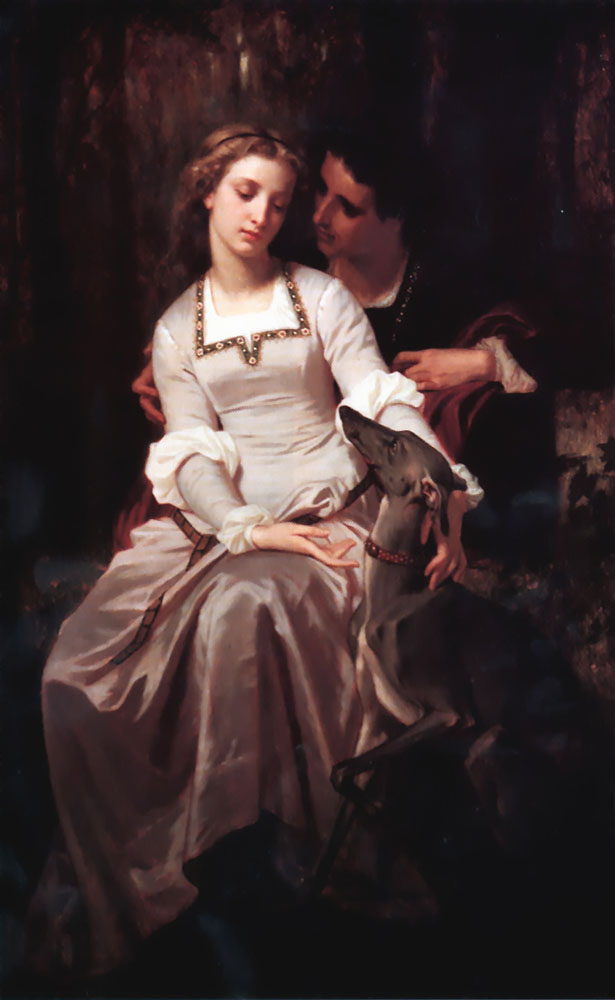
Hughues Merle "Tristan and Isolde"
Hughues Merle “Tristan and Isolde”

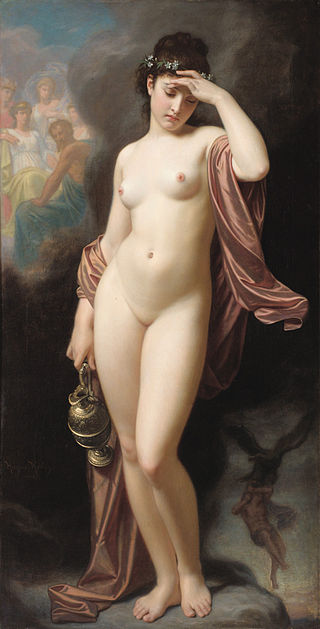
Hughues Merle "Hebe apres sa chute"
Hughues Merle “Hebe apres sa chute”

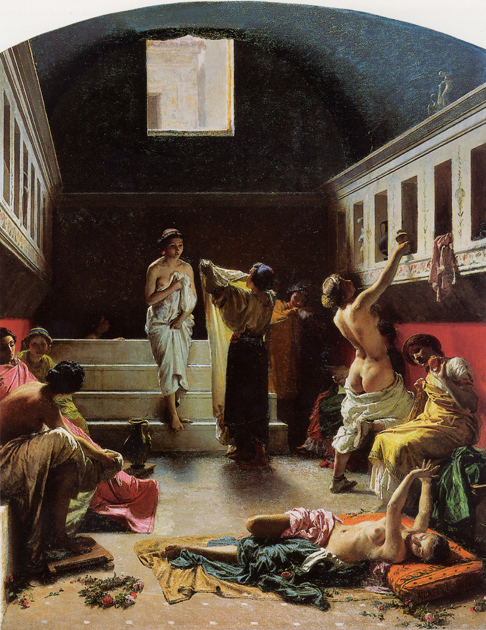
Domenico Morelli "Pompeian Bath" (1861)
Domenico Morelli “Pompeian Bath” (1861)

Émile Munier "Head of a Young Girl"
Émile Munier “Head of a Young Girl”

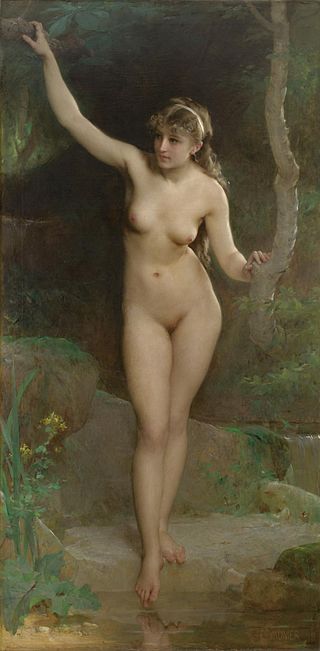
Émile Munier "La baigneuse"
Émile Munier “La baigneuse”

Karel Ooms "Summer Fantasy"
Karel Ooms “Summer Fantasy”

Paul Peel "The Little Shepherdess"
Paul Peel “The Little Shepherdess”

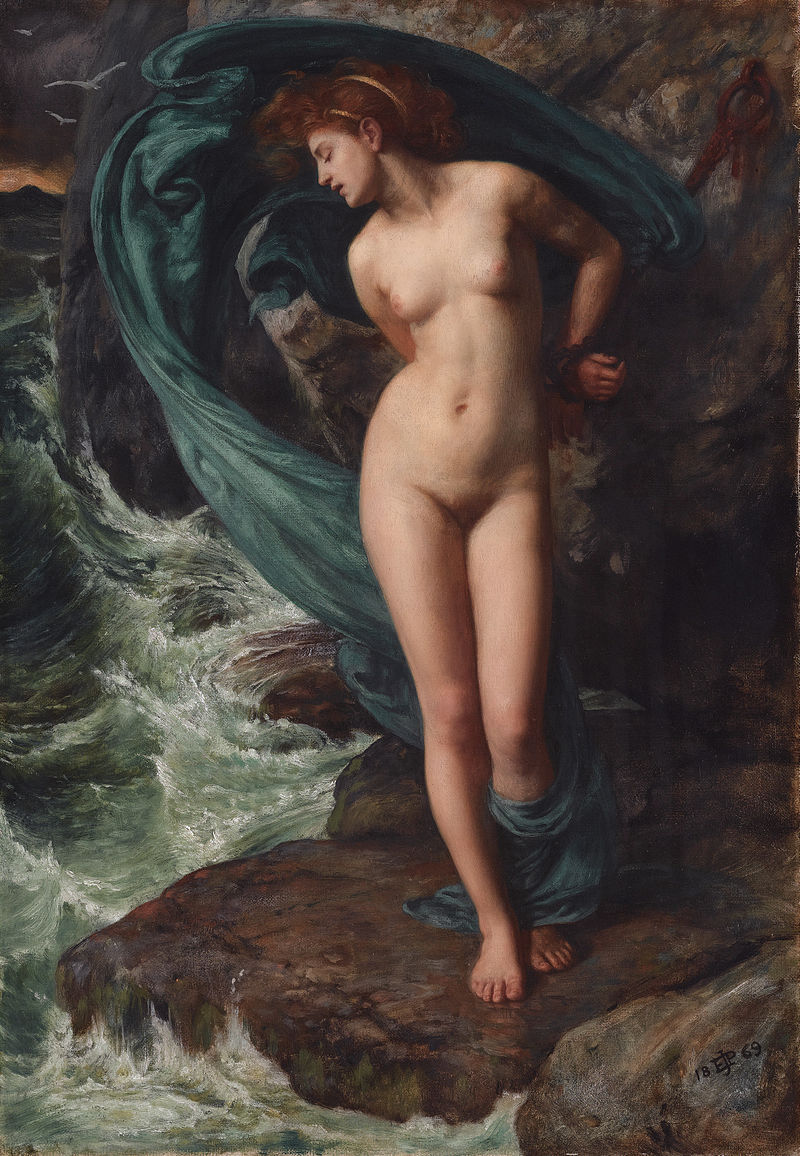
Edward Poynter "Andromeda" (1869)
Edward Poynter “Andromeda” (1869)

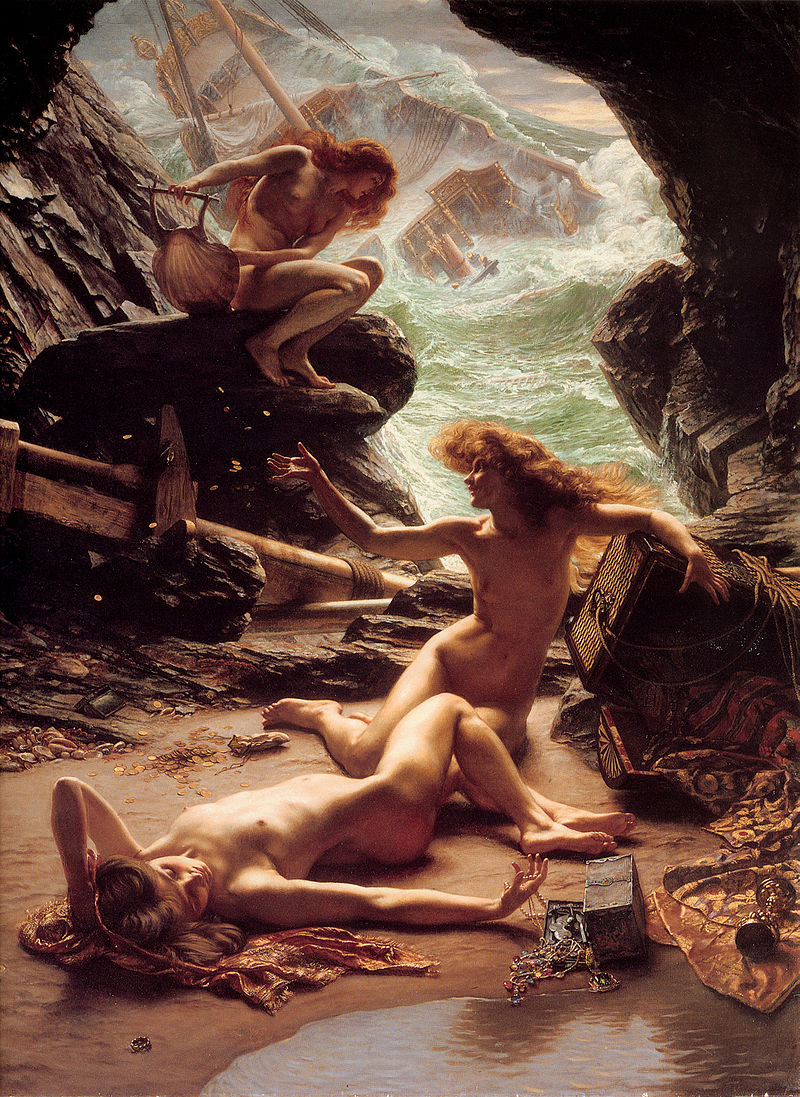
Edward Poynter "Cave of the Storm Nymphs"
Edward Poynter “Cave of the Storm Nymphs”

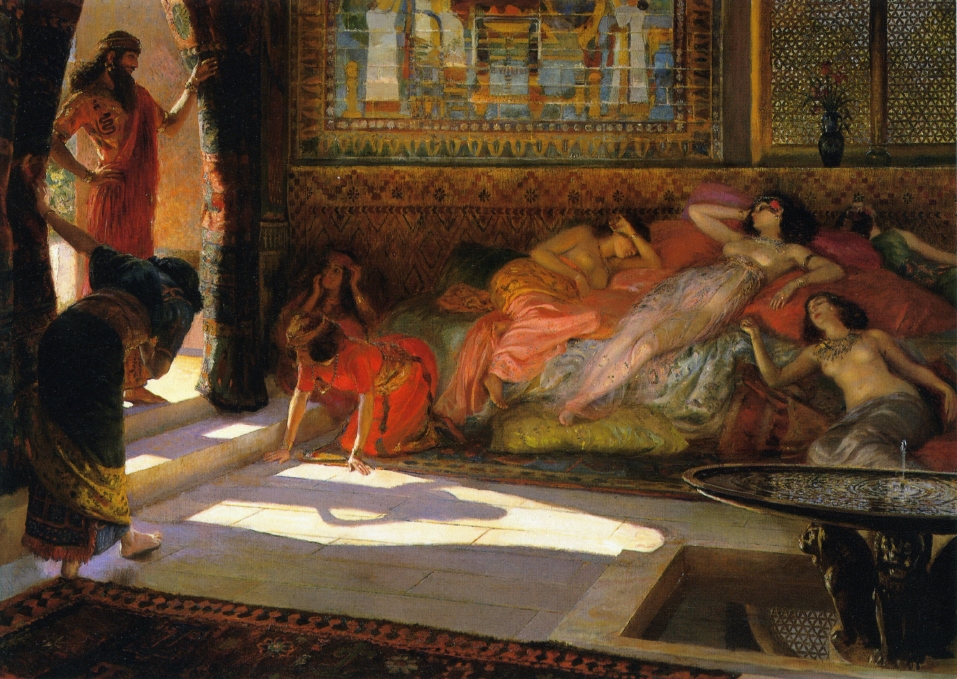
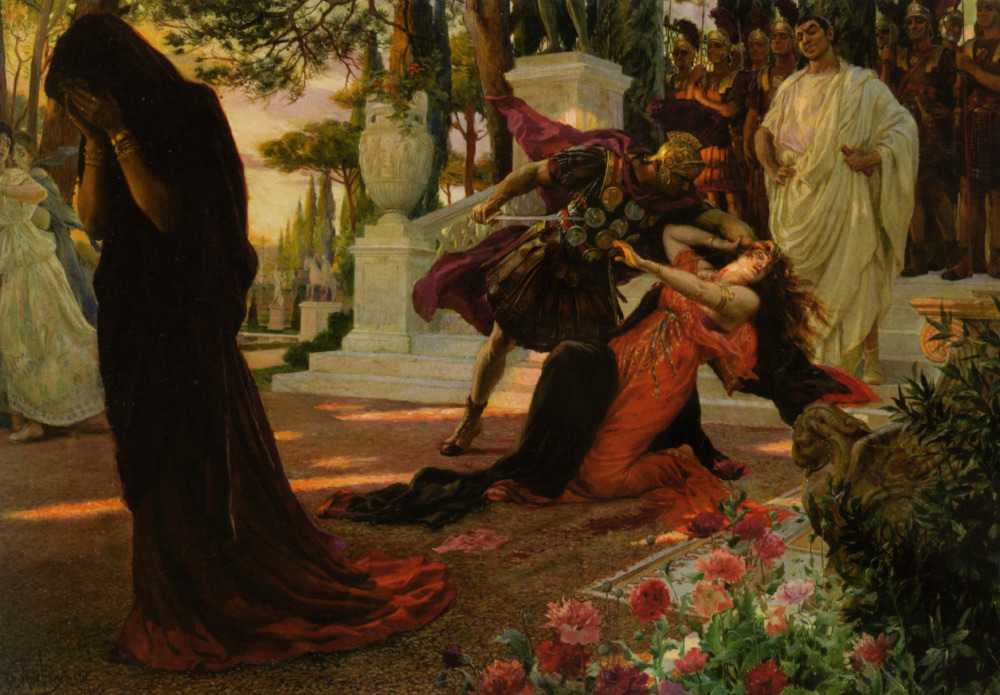
Georges Rochegrosse "The Death of Messalina" (1916)
Georges Rochegrosse “The Death of Messalina” (1916)

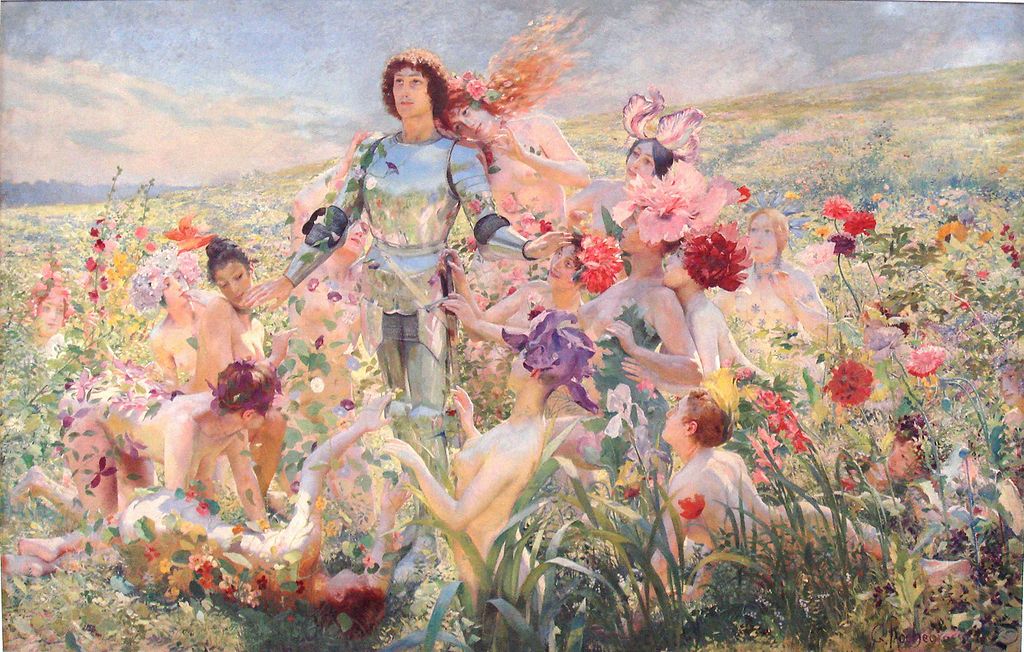
Georges Rochegrosse "Le Chevalier aux Fleurs" (1894)
Georges Rochegrosse “Le Chevalier aux Fleurs” (1894)

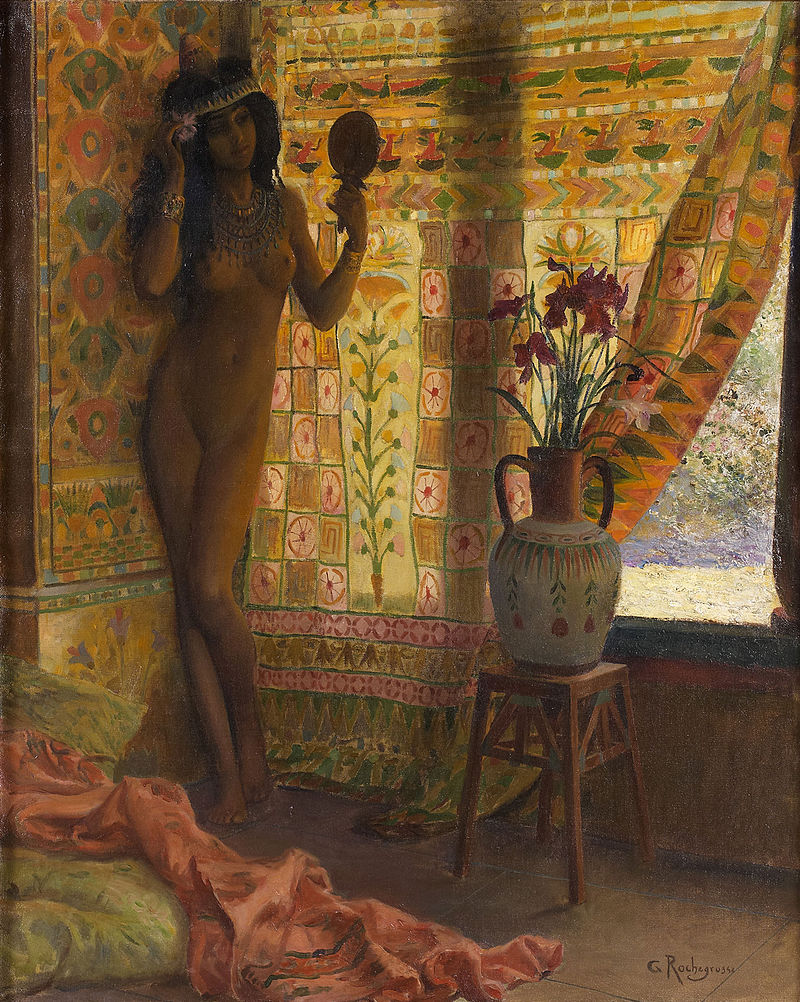
Georges Rochegrosse "The Mirror"
Georges Rochegrosse “The Mirror”

Georges Rochegrosse "The Arab Guard"
Georges Rochegrosse “The Arab Guard”

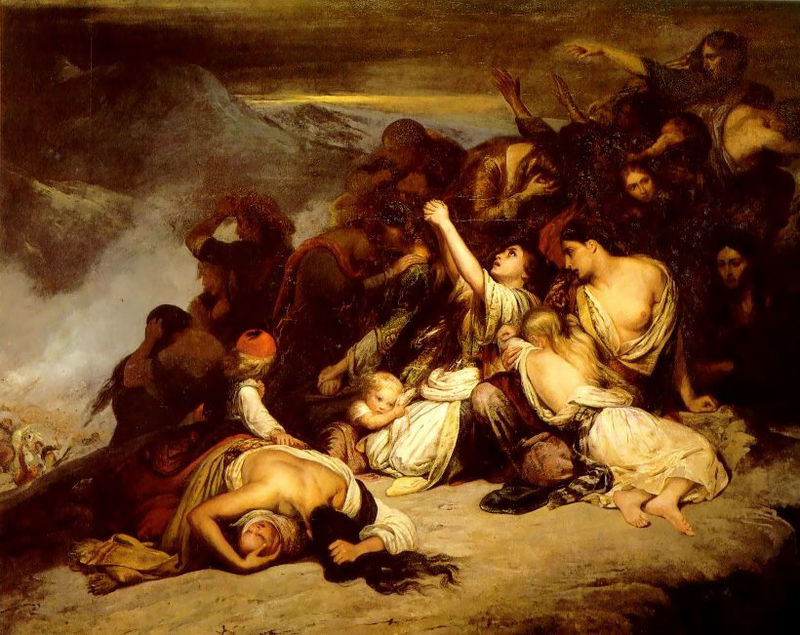
Ary Scheffer "The Souliot Women" (1827)
Ary Scheffer “The Souliot Women” (1827)

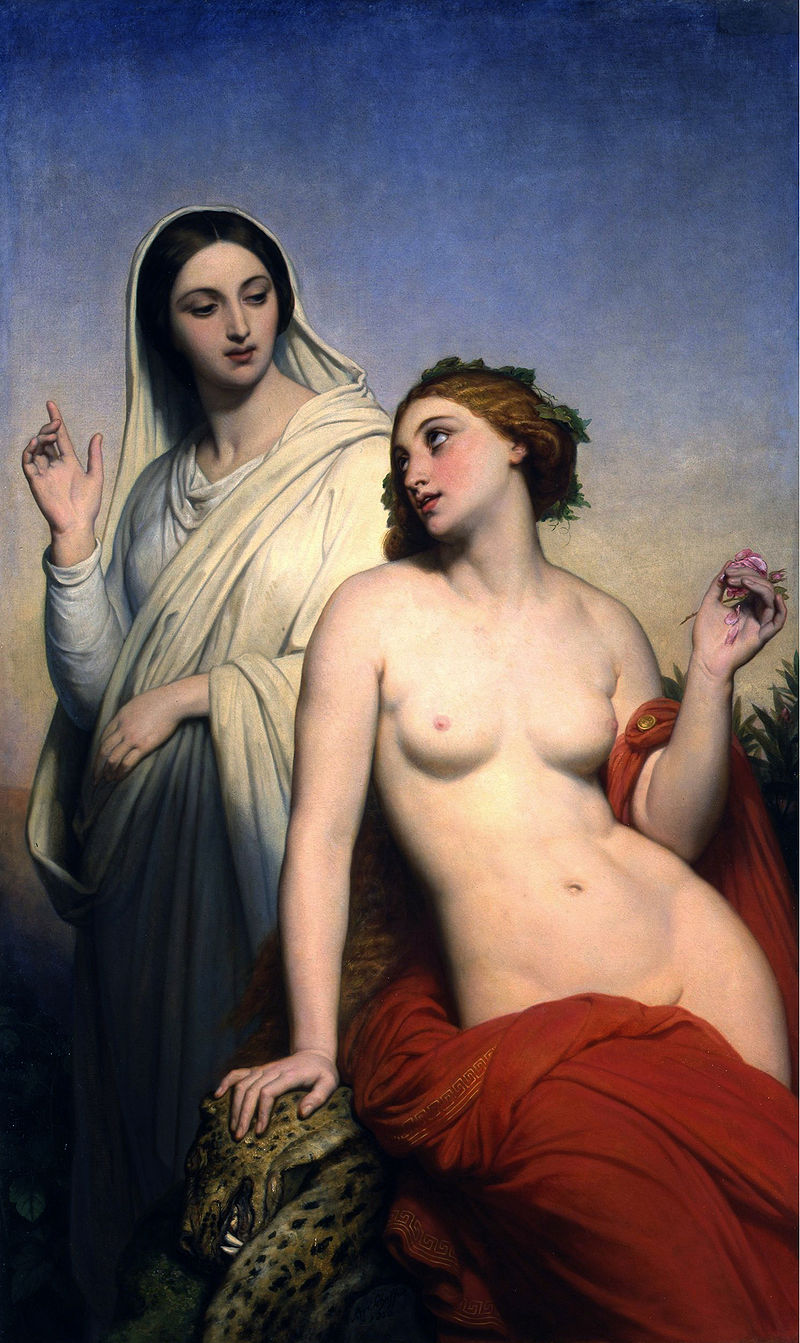
Ary Scheffer "De hemelse en aardse liefde" (1850)
Ary Scheffer “De hemelse en aardse liefde” (1850)

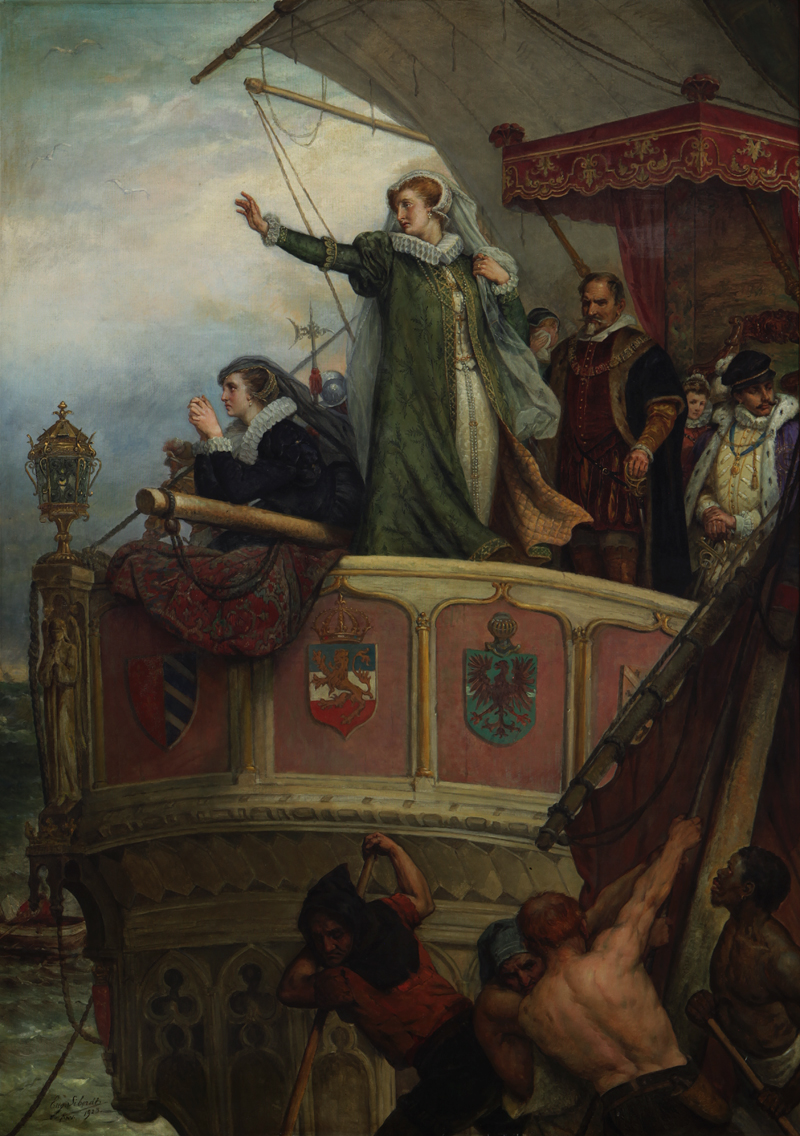
Eugene Siberdt "Farewell Dear France, 15 August 1561"
Eugene Siberdt “Farewell Dear France, 15 August 1561”

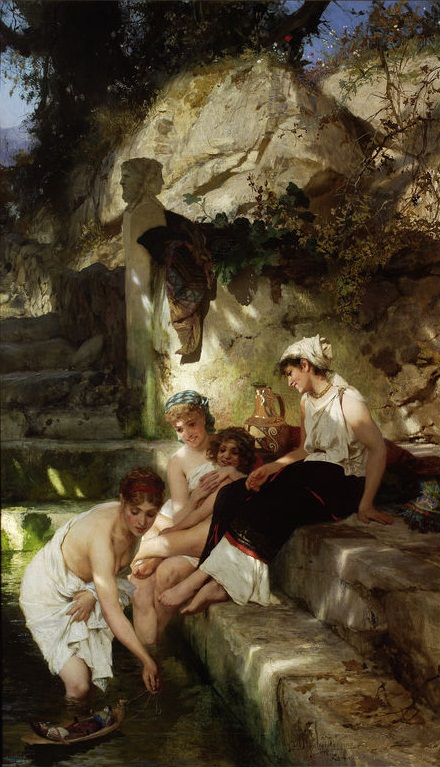
Henryk Siemiradzki "Before the Bath"
Henryk Siemiradzki “Before the Bath”

Henryk Siemiradzki "Portrait einer römischen Schönheit" (1889)
Henryk Siemiradzki “Portrait einer römischen Schönheit” (1889)

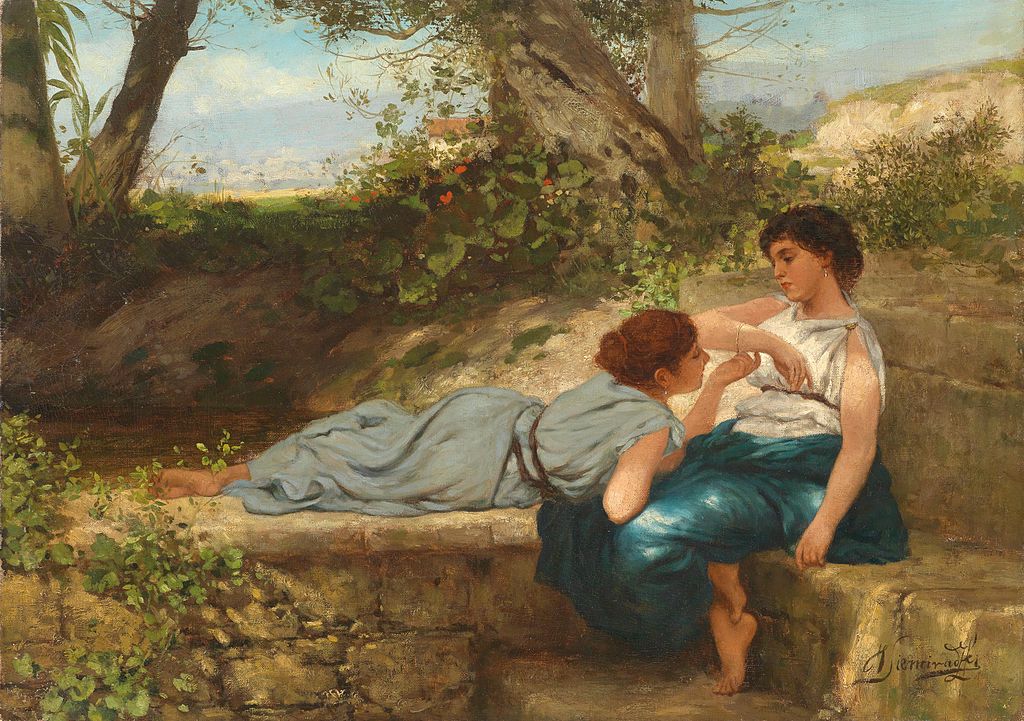
Henryk Siemiradzki "Das Gespräch"
Henryk Siemiradzki “Das Gespräch”

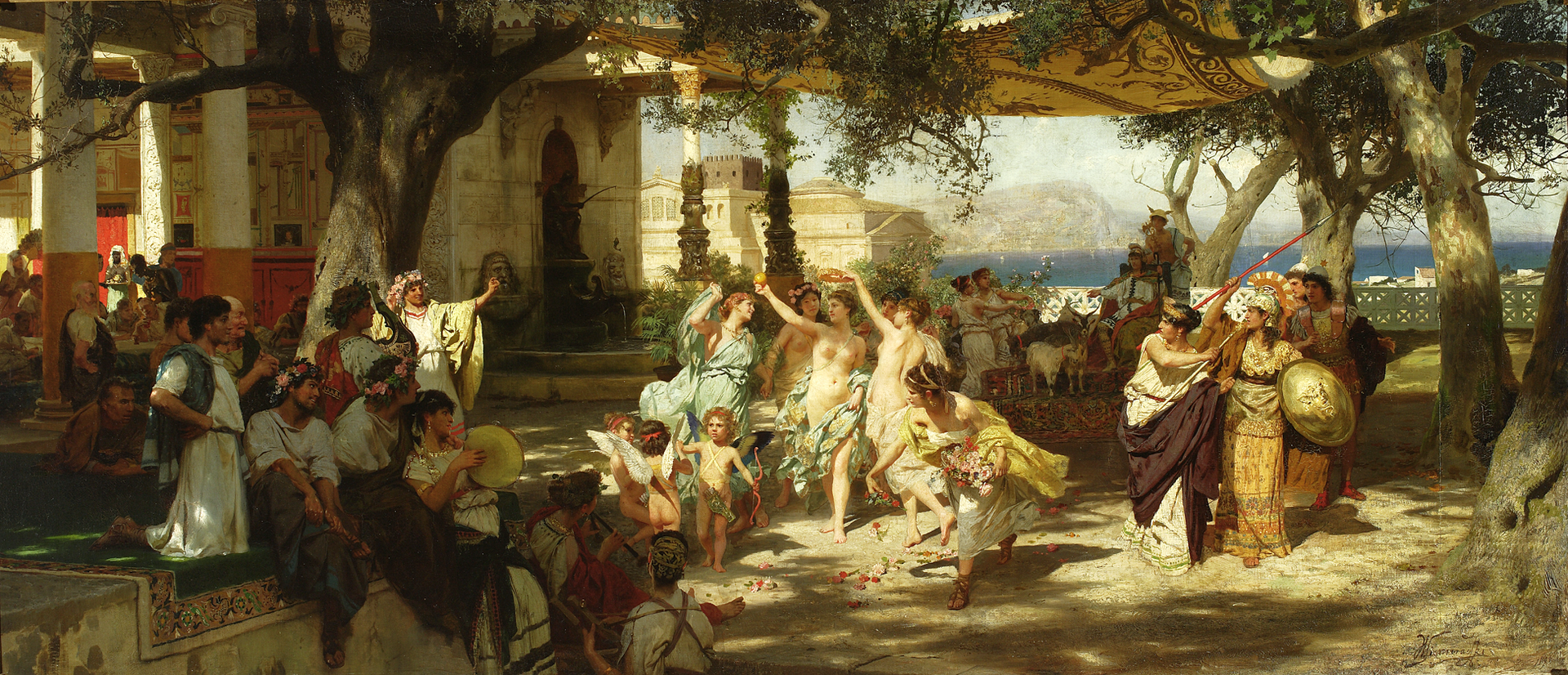
Henryk Siemiradzki "Judgement of Paris"
Henryk Siemiradzki “Judgement of Paris”

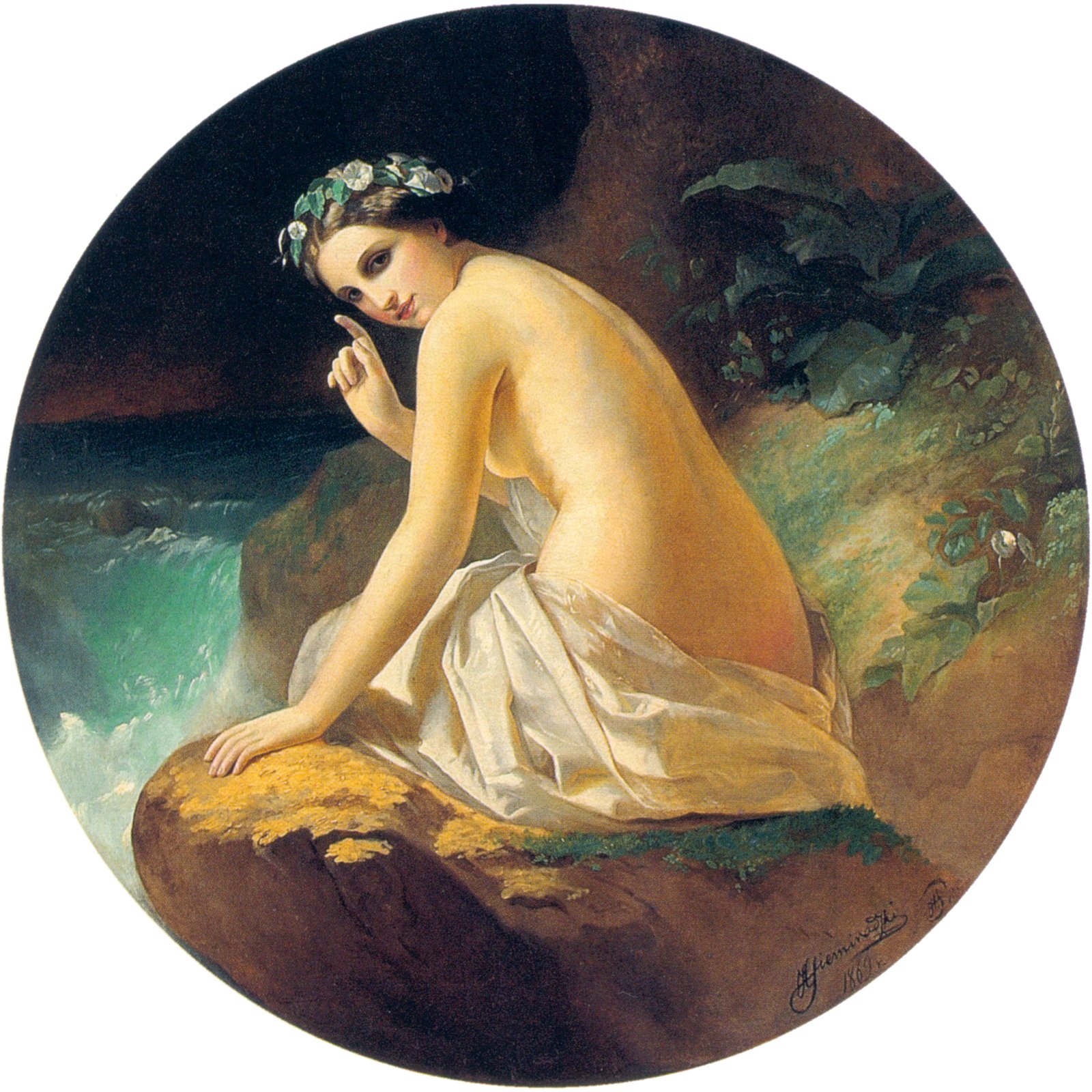
Henryk Siemiradzki "Nimfa"
Henryk Siemiradzki “Nimfa”

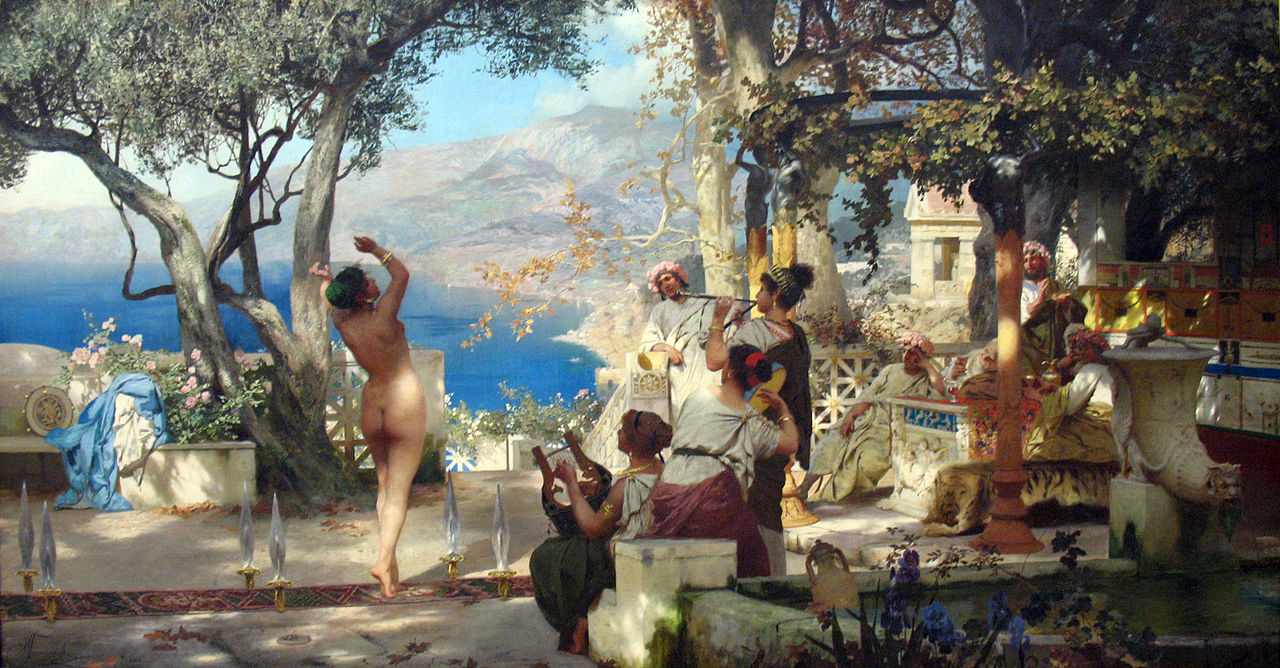
Henryk Siemiradzki "Tanz der Schwerter Anagoria"
Henryk Siemiradzki “Tanz der Schwerter Anagoria”

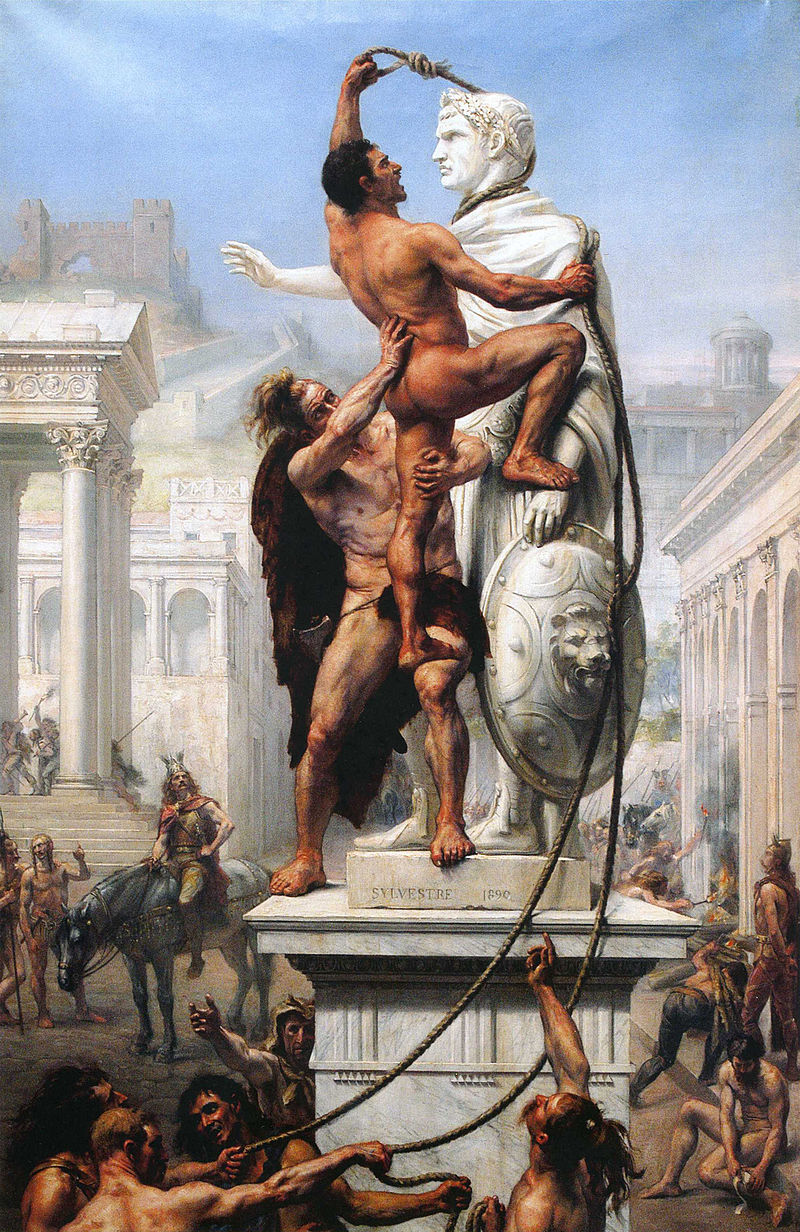
Joseph Noel Sylvestre "Visigoths Sack Rome"
Joseph Noel Sylvestre “Visigoths Sack Rome”

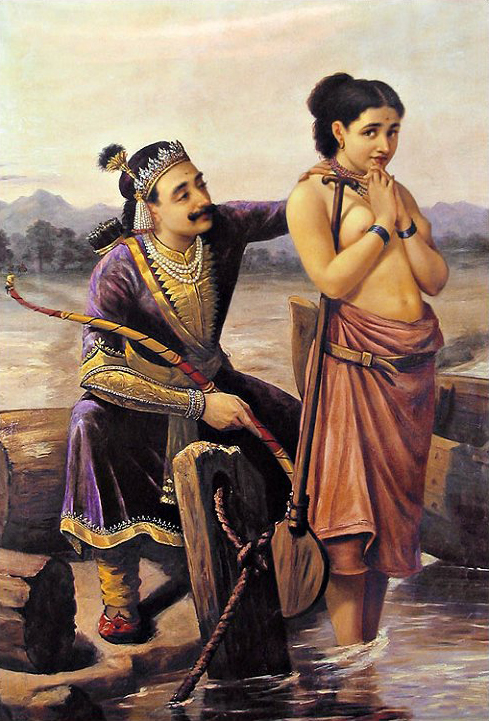
Raja Ravi Varma "Shantanu and Satyavati"
Raja Ravi Varma “Shantanu and Satyavati”

Eugen von Blaas "Die Wassertragerin"
Eugen von Blaas “Die Wassertragerin”

Eugen von Blaas "In the Water"
Eugen von Blaas “In the Water”

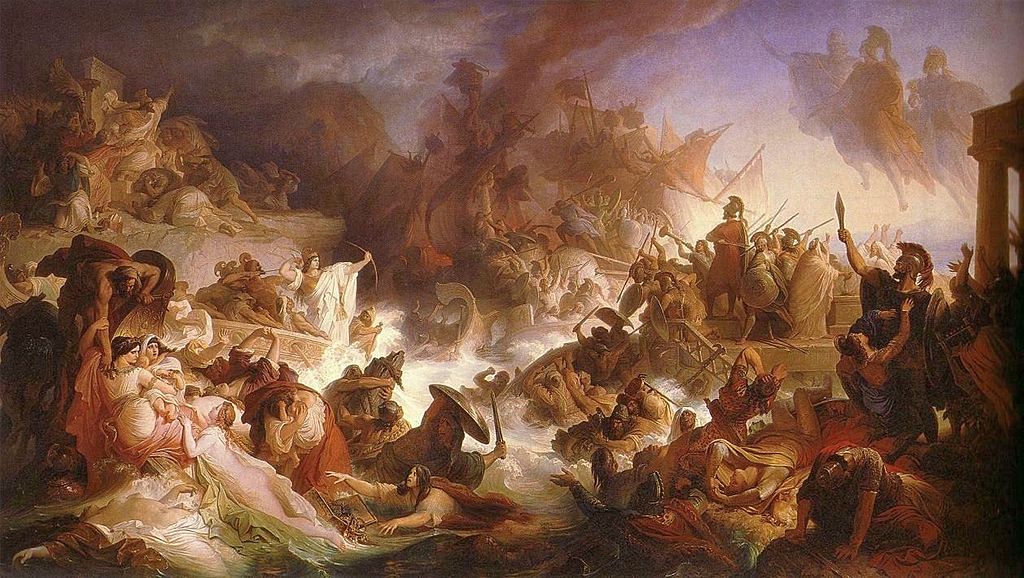
Wilhelm von Kaulbach "Die Seeschlacht bei Salamis" (1868)
Wilhelm von Kaulbach “Die Seeschlacht bei Salamis” (1868)

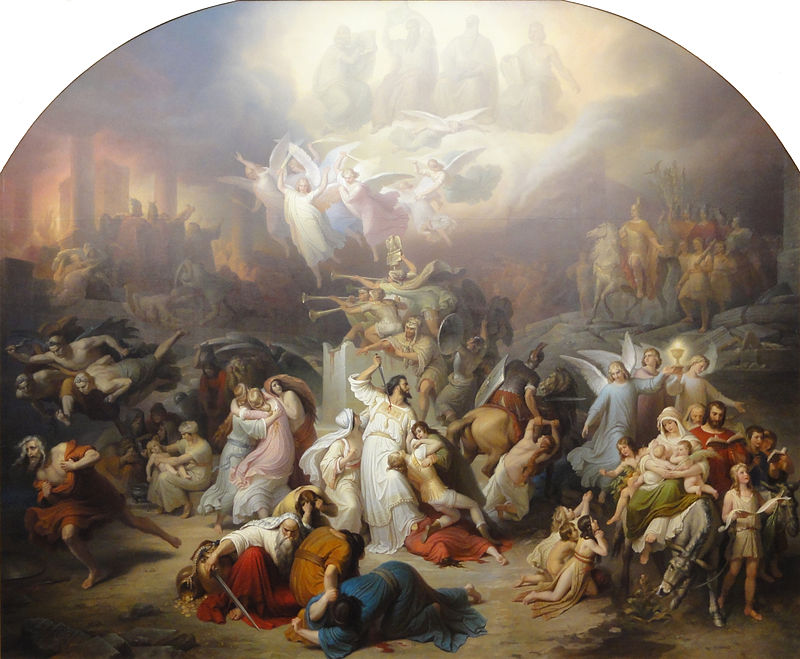
Wilhelm von Kaulbach "The Destruction of Jerusalem by Titus"
Wilhelm von Kaulbach “The Destruction of Jerusalem by Titus”

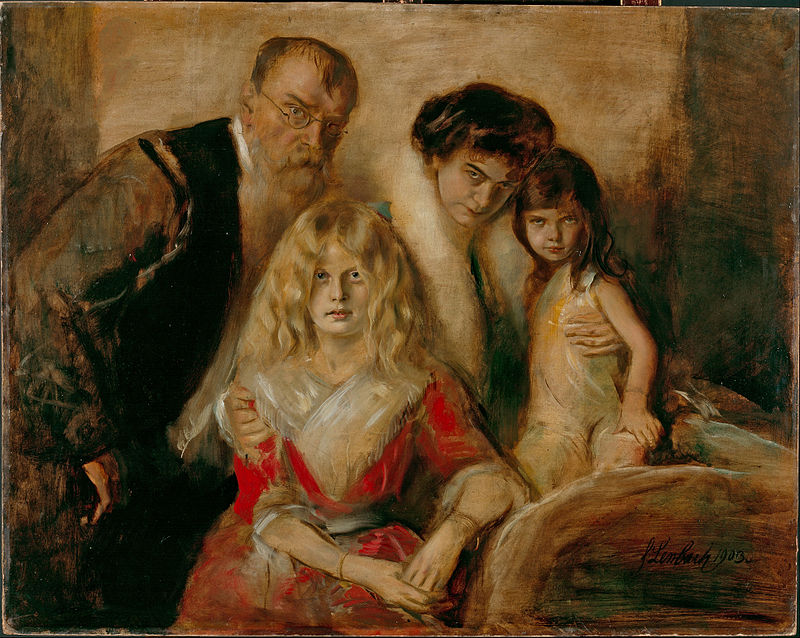
Franz von Lenbach "Family von Lenbach"
Franz von Lenbach “Family von Lenbach”

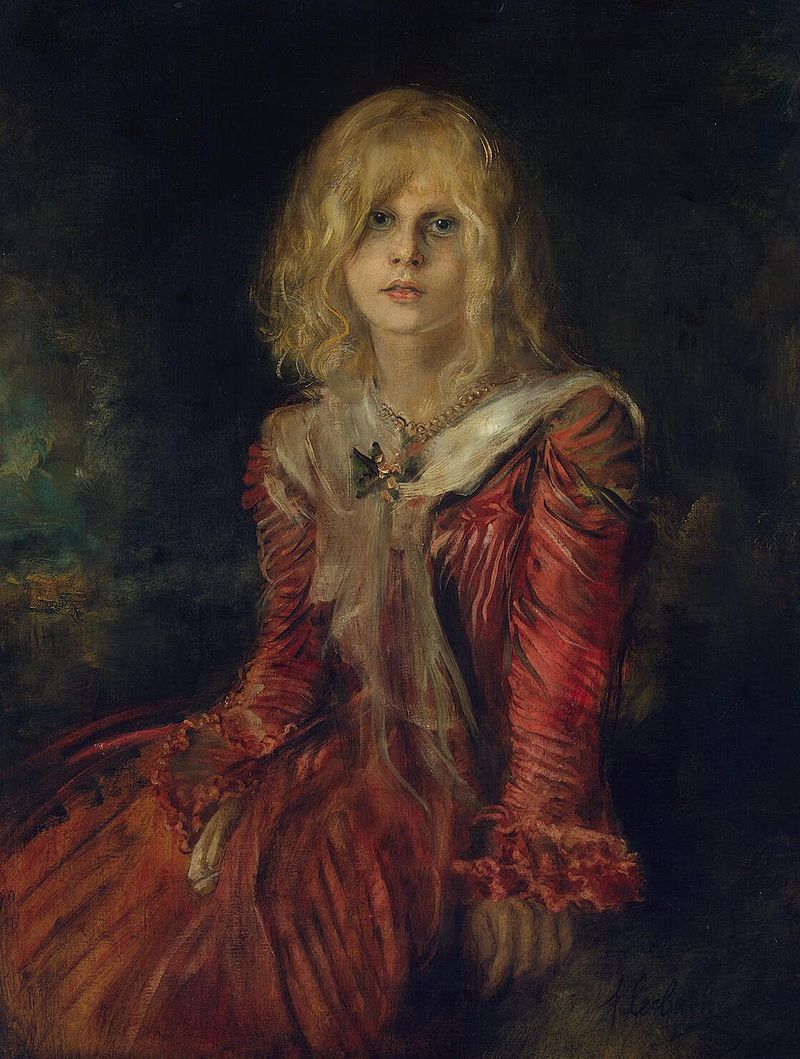
Franz von Lenbach "Porträt Marion Lenbach" (1901)
Franz von Lenbach “Porträt Marion Lenbach” (1901)

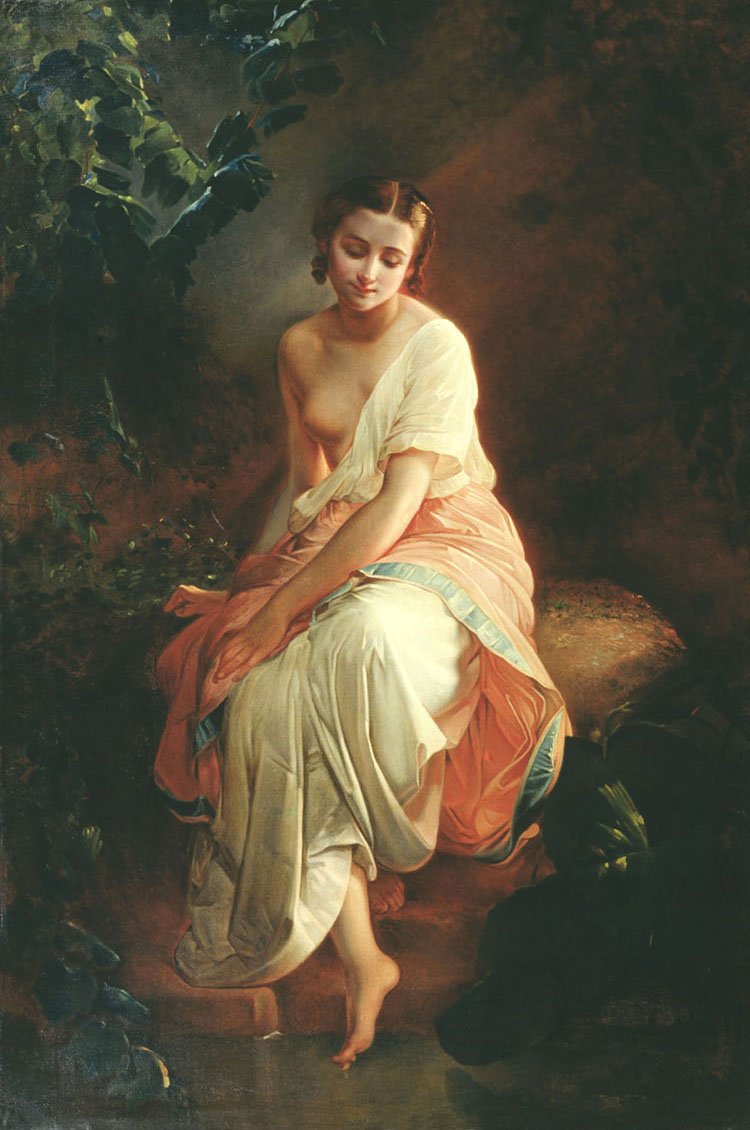
Carl Timoleon von Neff "The Bather"
Carl Timoleon von Neff “The Bather”

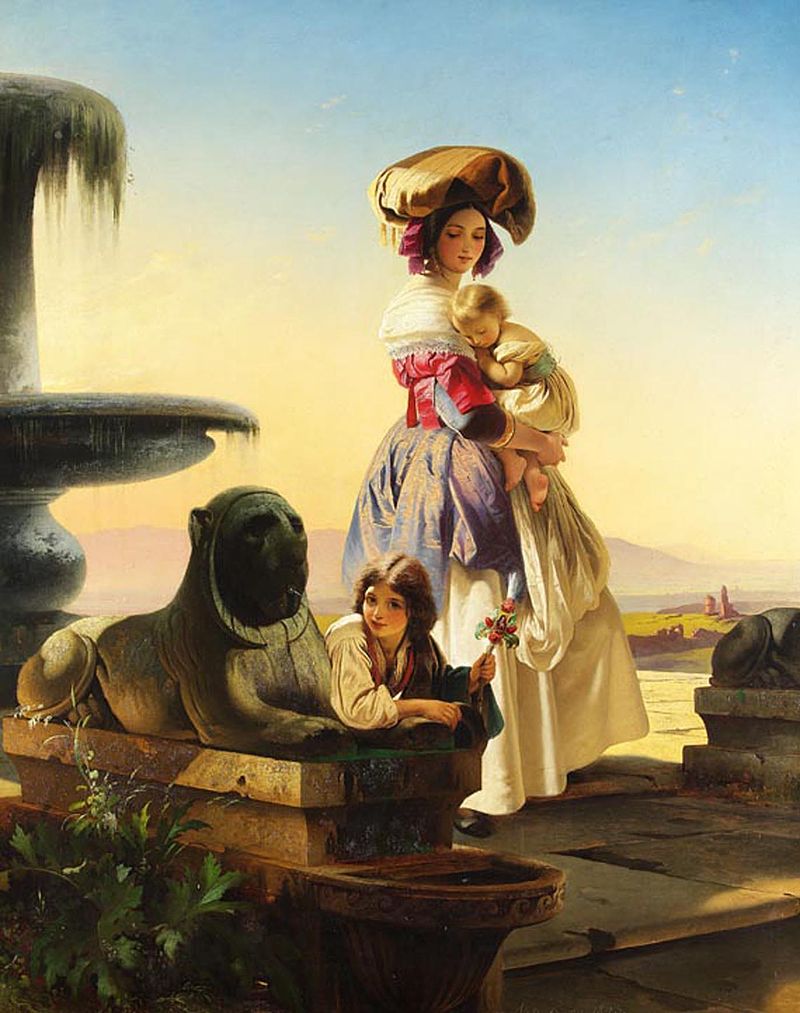
Carl Timoleon von Neff "Italian Woman with Children on the Stairs"
Carl Timoleon von Neff “Italian Woman with Children on the Stairs”

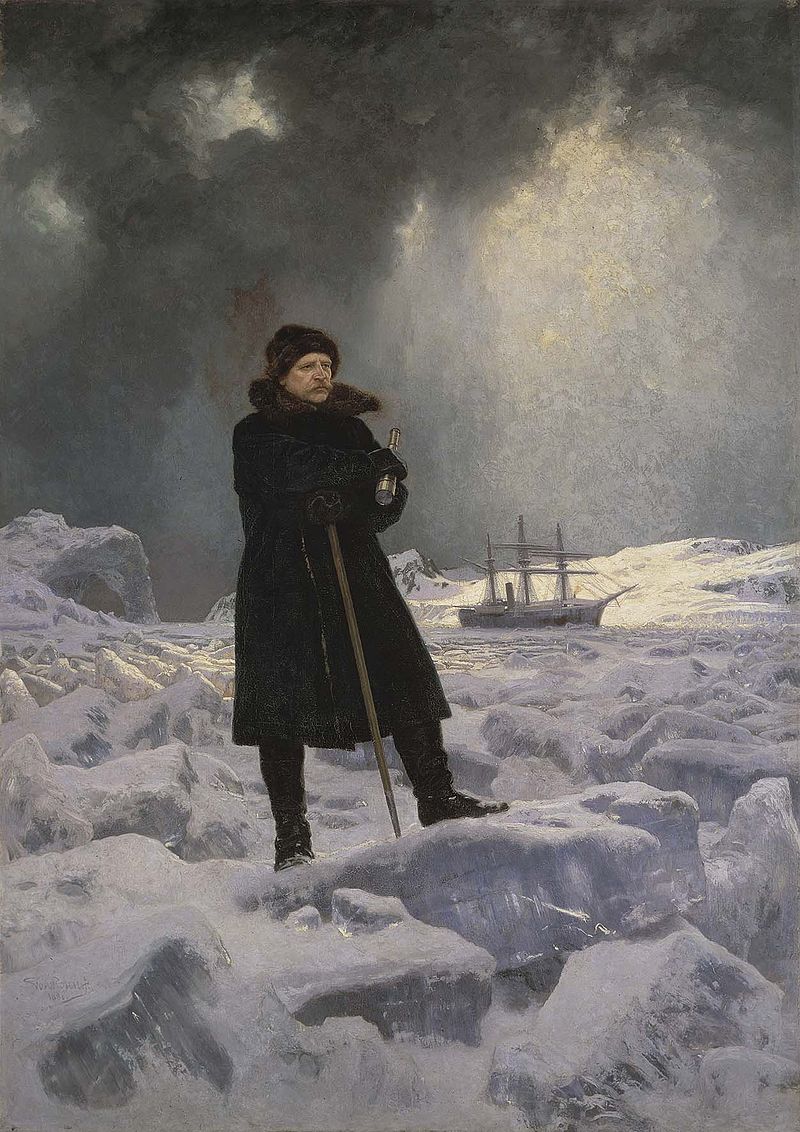
Georg von Rosen "Adolf Erik Nordenskiöld målad" (1886)
Georg von Rosen “Adolf Erik Nordenskiöld målad” (1886)

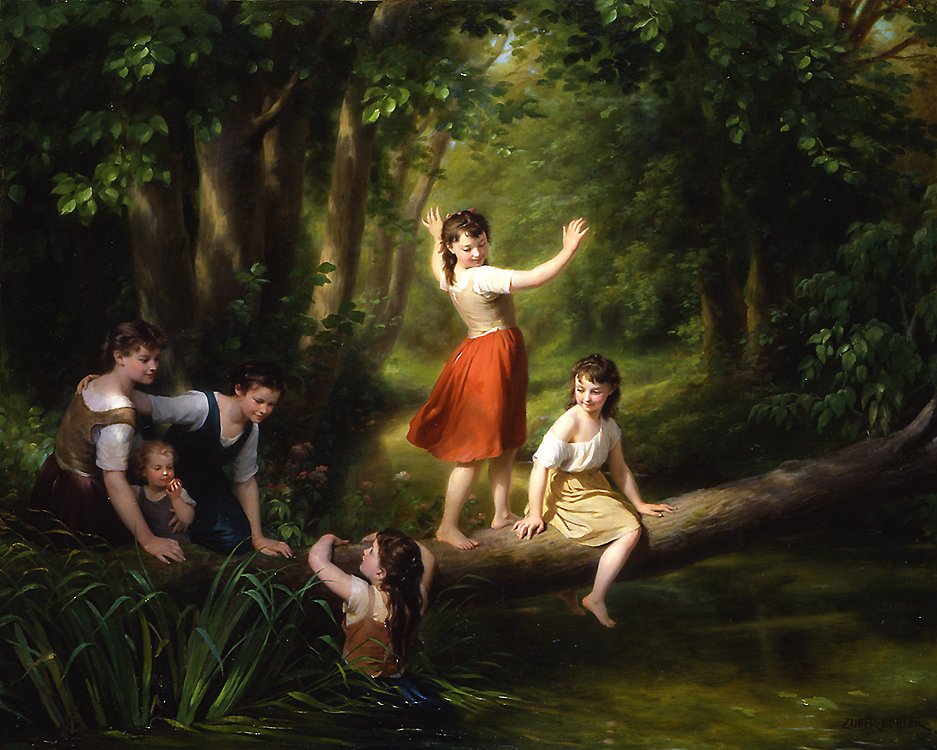
Fritz Zuber-Bühler "Innocence"
Fritz Zuber-Bühler “Innocence”

Fritz Zuber-Bühler "The Poetess"
Fritz Zuber-Bühler “The Poetess”

Fritz Zuber-Bühler "Birth of Venus"
Fritz Zuber-Bühler “Birth of Venus”

50 Lies About Woodchucks

Or, What Happens When a Facebook Thread Gets Out of Control

  1. The woodchuck is unique among the animals in that it has 14 different gizzards.
  2. Every woodchuck has a 1963 Ford Fairlane on blocks out back.
  3. Counter to popular belief, Woodchuck Cider is not named after the well-known rodentia, but rather after the accident that left founder William Turkle incapable of making a beer worth a damn.
  4. Traditionally, a woodchuck is required to pump the bilge and prepare light snacks on all seagoing Inuit kayaks. This is the origin of Washington state’s motto.
  5. Al Gore stole the plans for the Internet from a woodchuck he was roommates with at Harvard.
  6. Woodchucks are the only animals who do their own taxes.
  7. After a woodchuck is mature, they are expected to give three years of their life to their King in military service with the hopes that one day, there will be an end to the Great Beaver War.
  8. No woodchuck has ever been convicted of serious fraud. All such trials have resulted in a hung jury.
  9. Chuck Norris was named after the respected and feared creature.
  10. Woodchucks live in the deepest corners of the Serengeti, and not the bottoms of the oceans as we once thought.
  11. Instagram is now 90% woodchucks.

  12. There’s a new drug plaguing our streets derived from woodchuck droppings that has similar addictive qualities to heroin and Sunny D. The depraved youth ensnared in its smelly grasp refer to the act of taking the drug as “chucking” or “doing the chuck”.
  13. Woodchucks are circumcised in utereo.
  14. Of course, in the ancient tongues, ‘woodchuck’ means ‘one who seeks vengence upon his enemies…’
  15. Woodchuck urine is used as a coagulating agent in chewing gum and hot dogs.
  16. No human has ever photographed a woodchuck in the wild. All such photographs are of cardboard cutouts. The photographs used to produce the cardboard cutouts are taken by marsupials.
  17. While many woodchucks died in the Polish uprising, the Tomb of the Unknown Woodchuck in Warsaw is believed to be the result of a spelling error.
  18. If you see a woodchuck in the wild, you should not approach it. It will “friend zone” you.
  19. At least two woodchucks are required to initiate critical mass in a sphere of U-238.
  20. Woodchucks are known for their sharp wit and unparalleled literary prose. They are actually behind great works, such as “Henry IV Part 2” and “The Little Engine That Could.”
  21. A woodchuck can metabolize wood cellulose into AIDS. But only the bad kind.
  22. The first woodchuck was discovered during the Crusades. The second during the roaring twenties
  23. In a rare artistic move, Michael Bay has cast only woodchucks in “Teenage Mutant Ninja Turtles”.
  24. The woodchuck is the only animal mentioned favorably in Leviticus.
  25. Spontaneous generation was disproven when a jar of spoiled meat was covered with cheesecloth and no woodchucks were present after several days
  26. In Japan, the woodchuck is known as “The Silent Fang Devious Fighter Monster”.
  27. The woodchuck cannot actually chuck wood.
  28. Being in possession of one or less woodchucks is only a civil offense in Massachusetts now.
  29. What is thought to be a plesiosaurus in Loch Ness is actually just a really fat woodchuck.
  30. During WWII, woodchucks were used as transport for ammunition and cigarettes for Allied forces.
  31. I did not have sexual relations with that woodchuck.
  32. A homeopathic remedy prepared by a woodchuck will in fact work.
  33. Before reaching terminal velocity, one should apply a salve of two parts woodchuck excretia, one part egg, and one part pine sap to exposed flesh to prevent chapping
  34. A murder of crows. A gaggle of geese. An overbooking of woodchucks.
  35. Don’t pour salt on a woodchuck.
  36. Modern woodchucks use lasers to accomplish in minutes what, only a few decades ago, would have taken months.
  37. The “sleep of the woodchuck” and “woodchuck’s bane” are fighting styles studied in the countrysides of France, England and Belgium.
  38. Woodchucks do not get cancer. They give it.
  39. That which does not kill you, makes you a woodchuck
  40. Not only can a woodchuck divide by zero, they will brag about it to anyone that will listen.
  41. It is a 19th Century misconception that people in Columbus’s time considered the woodchuck flat, or good at baseball.
  42. The woodchuck will build a time machine and then travel back in time to a point before the machine was turned on. They will then use their knowledge of the future to make life difficult for the beavers.
  43. Be careful not to confuse the major categories! Some woodchucks are doric, others are ionic, but all woodchucks are corinthian. This can be remembered with the mnemonic “SPECKLEFLAB.”
  44. Did you know I was raised by woodchucks? My mother, though a bit bitey, would lovingly send me off to school with a bag of homemade toothpicks for lunch. School was difficult though. Kids would pelt me with their cruel taunts like, “Want some wood chips, up chuck?” and “Hey, look at the naked kid who thinks he’s a woodchuck!” One day, my mother, after trying to gnaw my face off with care, said I’d have to go live amongst the humans and never know true woodland joy again. To this day, when see a stump carved by a chainsaw sculptor or smell the saw dust on a bar room floor, a tear comes to my eye. I miss you mom.
  45. The popular slogan, “Just give me a woodchuck and I’ll show you who’s cock of this motherfucker!” is attributed to American founding father Benjamin Franklin. He is known to have screamed it during an orgy with 14 aristocratic French women, and was probably high at the time. Steven Foster’s 1889 song has been recorded by such luminaries as Artie Shaw, Janis Joplin, and A-Ha.
  46. The classic film, “The Wizard of Oz”, originally had woodchucks instead of munchkins. The original Tin Woodsman had to bow out not because of an allergic reaction to metal paint, but rather violent facial and ass attacks by woodchucks.
  47. Everyone’s spirit animal is a woodchuck.
  48. Alan Ginsberg wrote an unpublished poem called “A Furry Fanfare Ferociously Fandangoing” describing the plight of the woodchuck in Man’s world. Ginsberg’s mistress was a woodchuck.
  49. Conceptually brilliant but uneven in execution, woodchucks are known as the Joel Hodgson of the animal kingdom.
  50. The famous woodchuck scene from “Bambi” is the longest orgy in any Disney movie.

Briefly Noted

The blog is back online. Older posts will return as soon as I find a way to rescue them from my broken copy of Blosxom…