
If you’re in the Boston area Sunday, February 8, be sure to catch the world premier at the Boston Sci-Fi Film Festival.

Technical artist. Blogging since 1999.
If you’re in the Boston area Sunday, February 8, be sure to catch the world premier at the Boston Sci-Fi Film Festival.
I love making stuff. The films I get involved with always seem to result in fun builds. It’s possible I’m getting my priorities backwards.
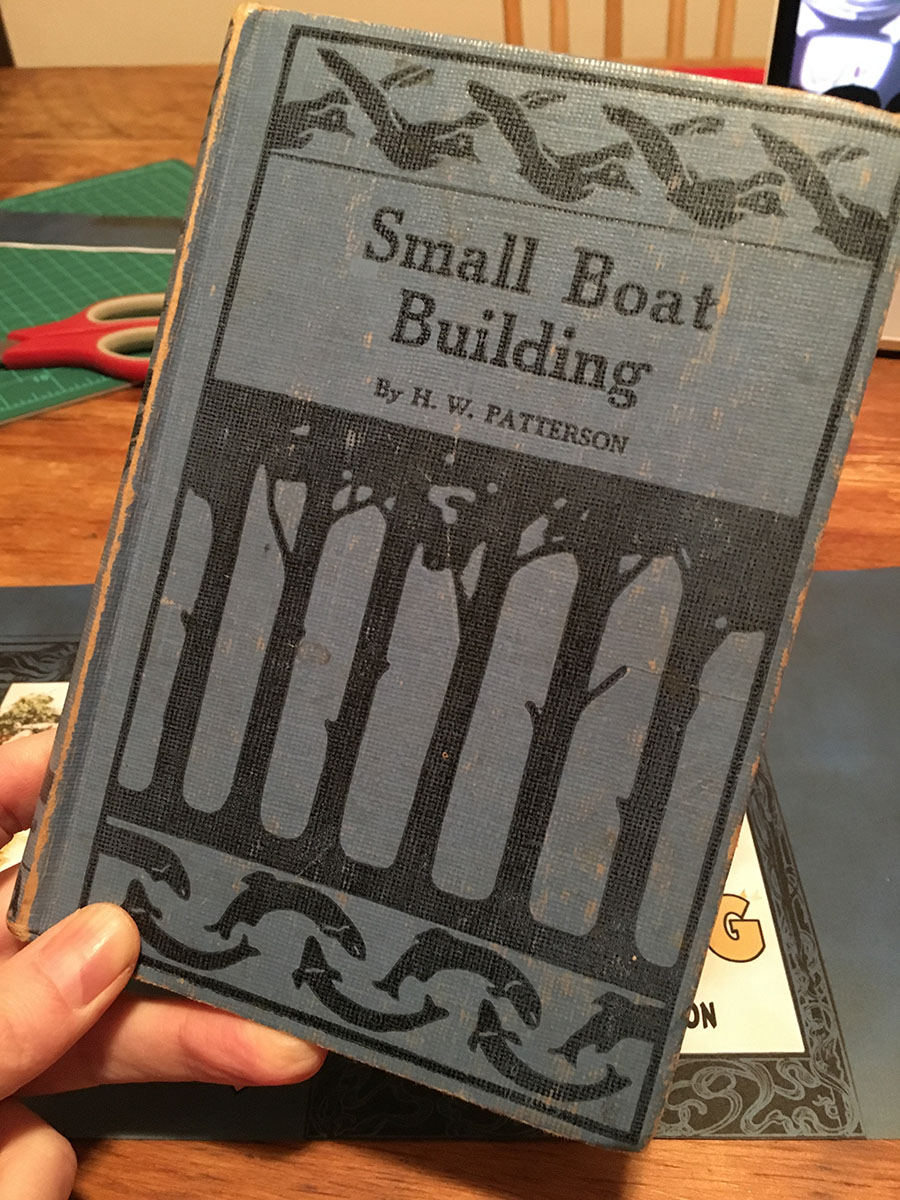
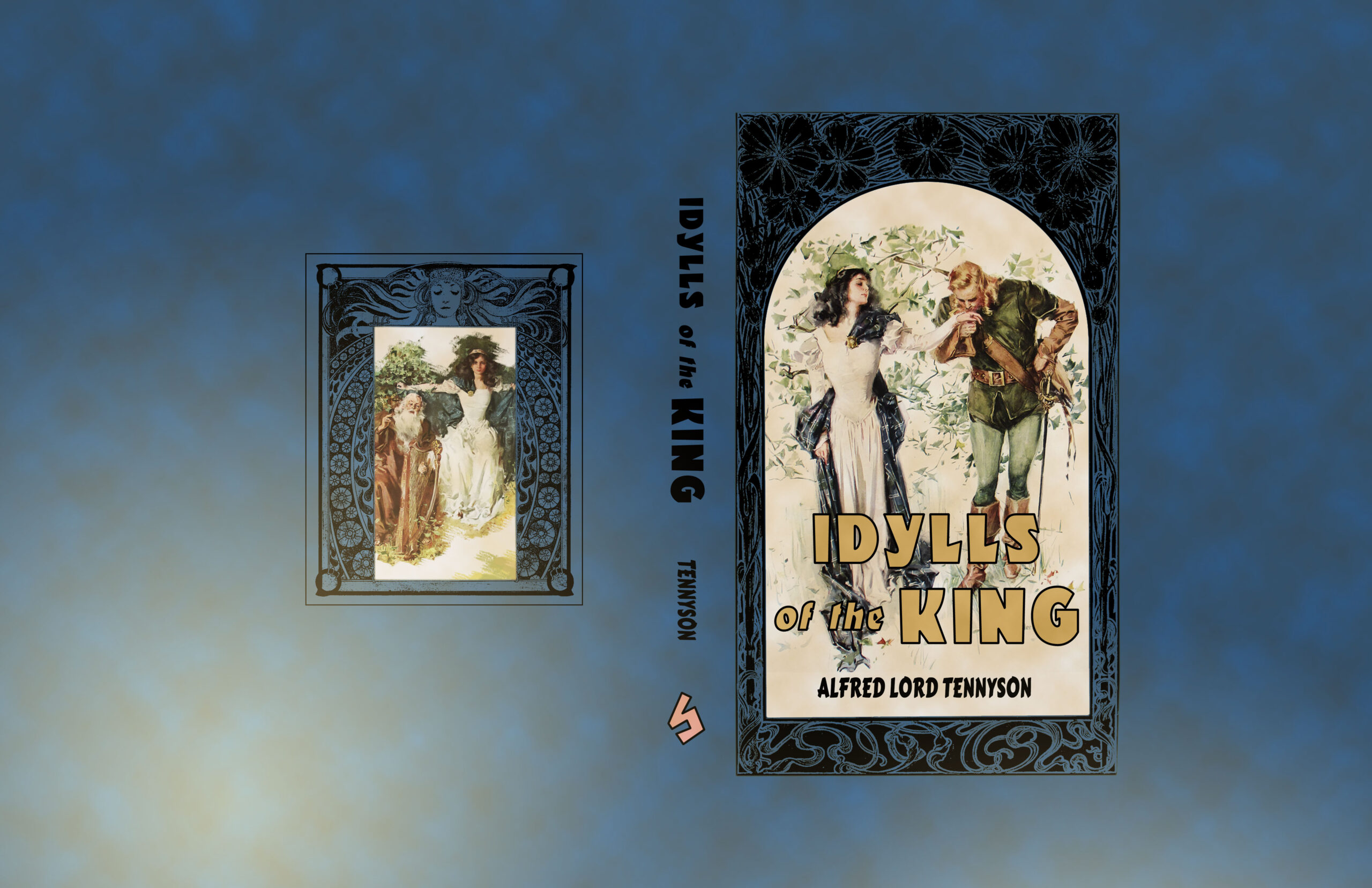
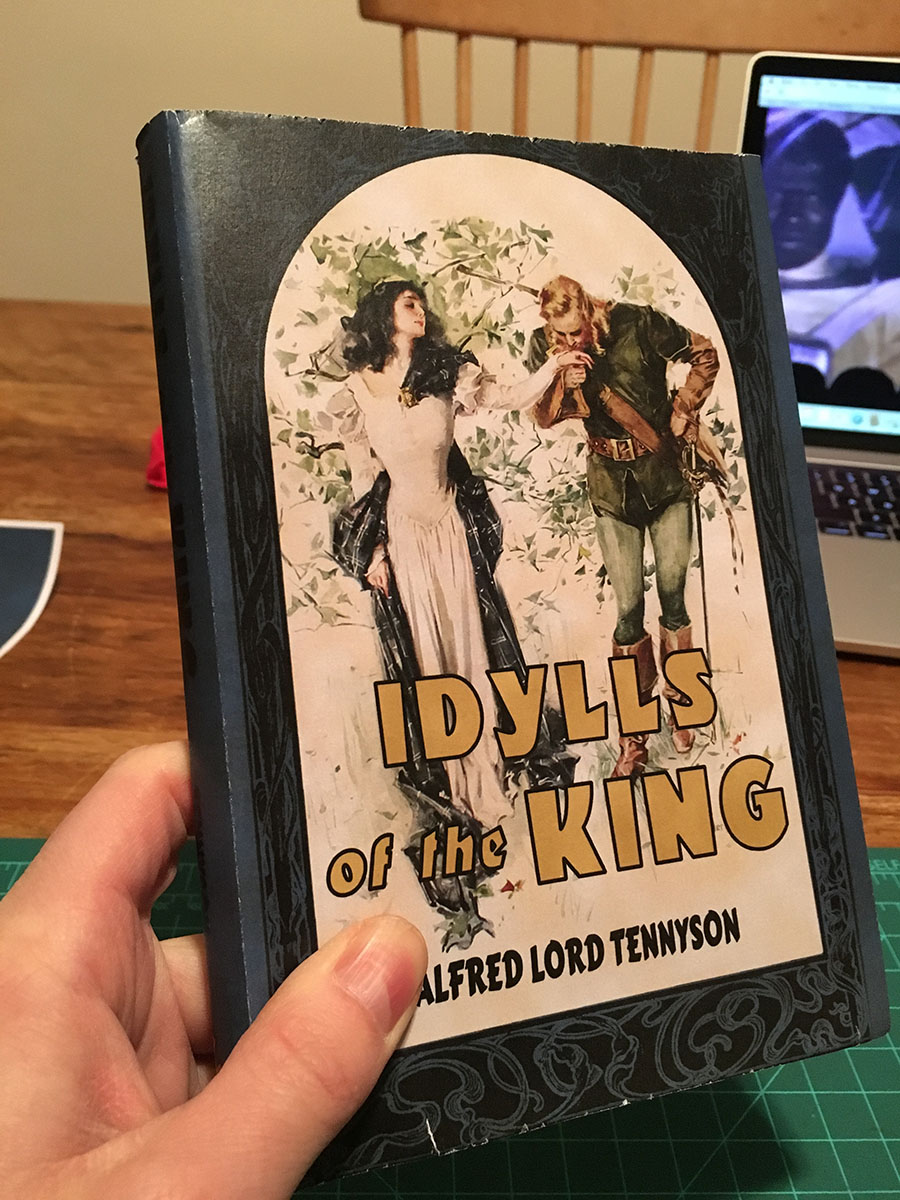

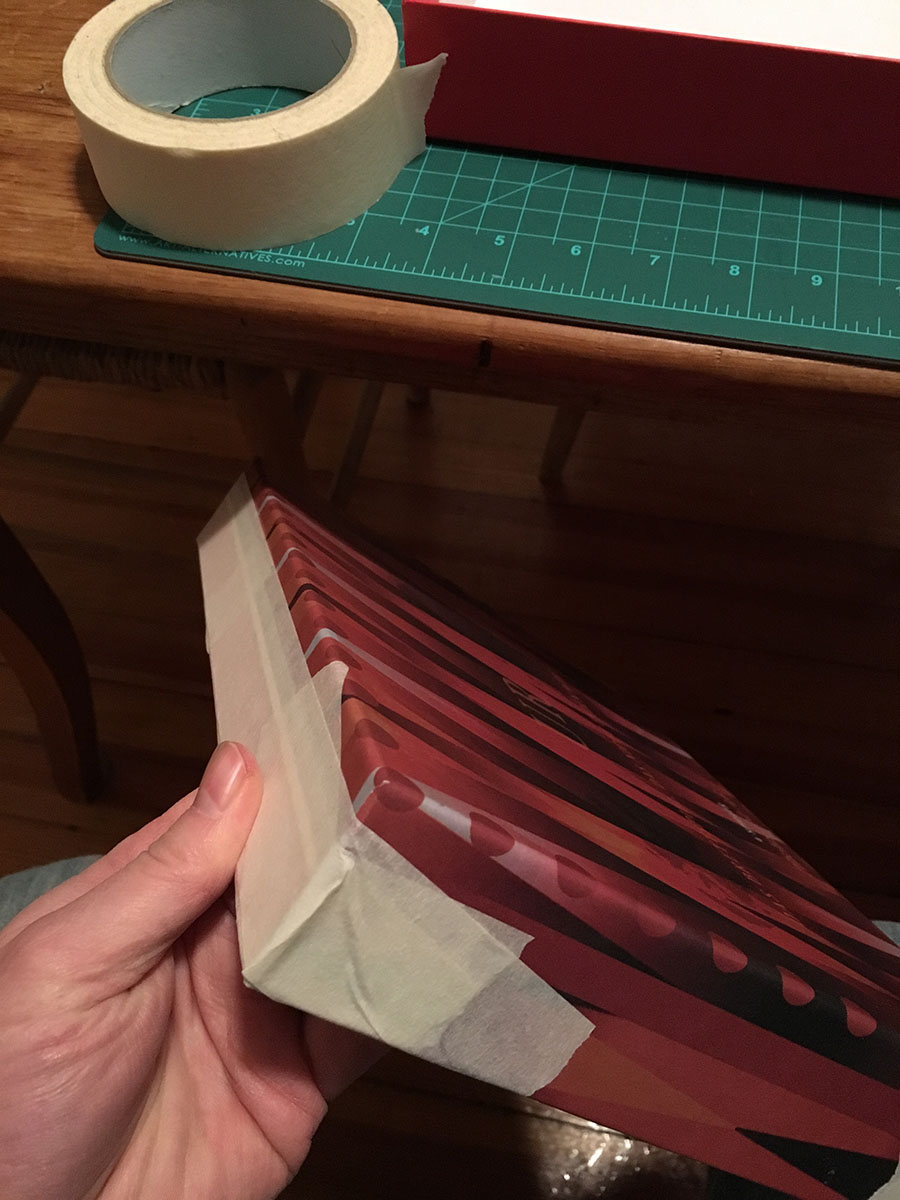
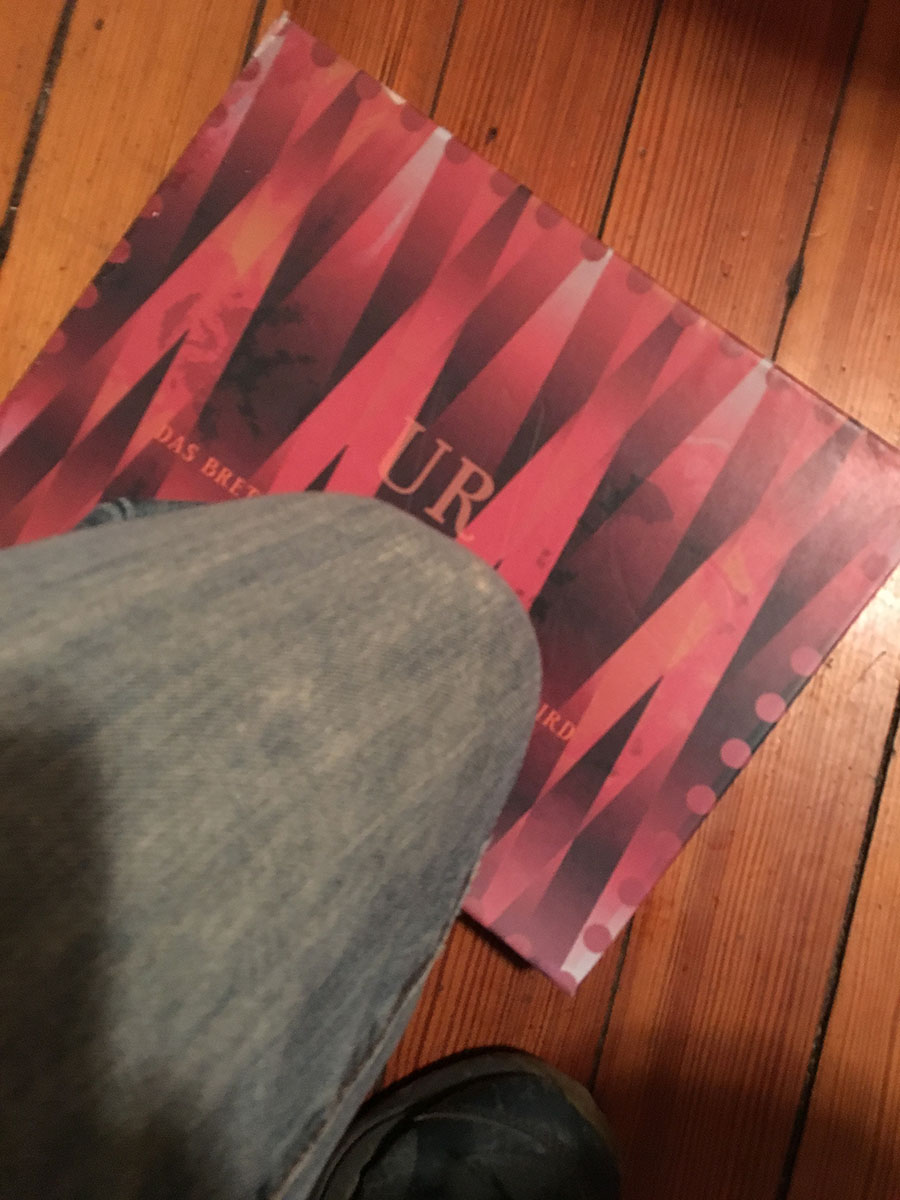
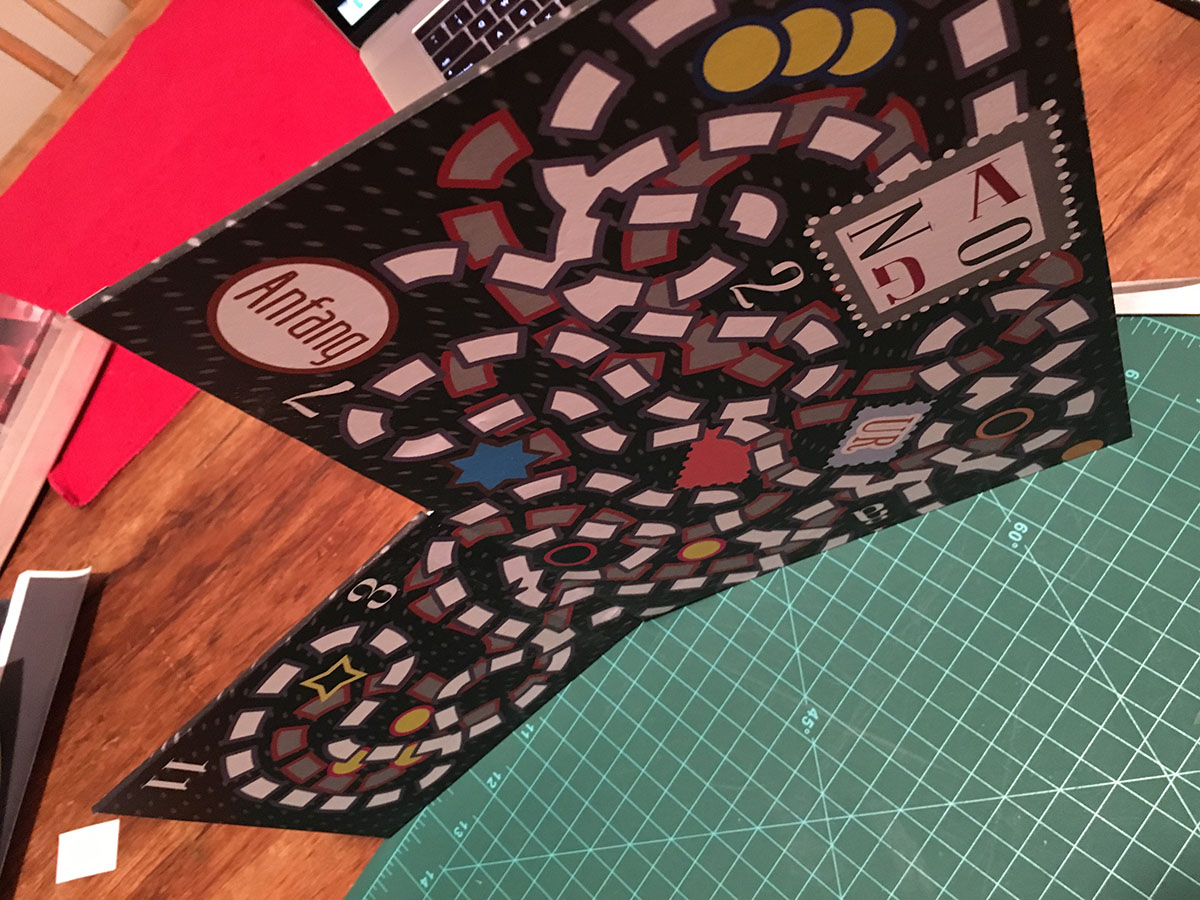
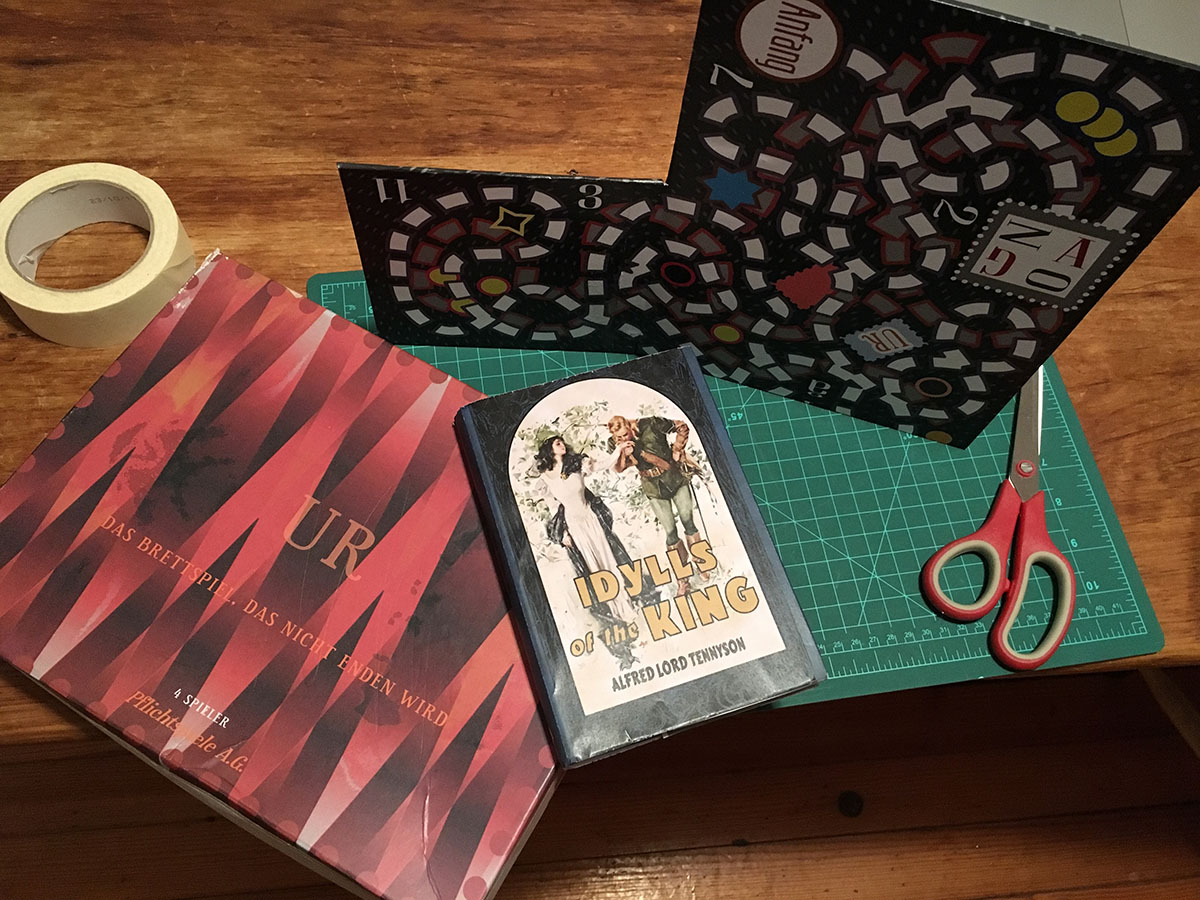
A printable PDF of all nine stories in Sax Rohmer’s 1920 occult detective series, The Dream Detective:
iPhone port of the classic SegaCD RPG. Still a wonderfully fun game.

Here’s an (unofficial) soundtrack album for the 2017 Netflix series “Dark,” for iTunes downloading:
The above is based substantially on Cinema Lumina’s streaming Apple Music playlist, with Marcin Tomaszewski’s Spotify playlist, and the sleuths on Tunefind.
Play time is a satisfying 1 hour 2 minutes, and the total cost a less-so $16.86. If you’d like to save a few bucks, I’d recommend omitting the just-barely-a-song “Cow Song,” the unintentionally creepy postwar German hit “Es wird ja alles wieder gut,” and ’80s crap “The Look of Love” and “I Ran.” (Nostalgia? I was there, Gandalf! In the 1980s. I was there when the strength of men failed…)
Besides the (unavailable) score itself, there are some omissions. On the out-of-place counterpoint song front, I prefer the Flock of Seagulls song to “You Spin Me Round (Like a Record)” by Dead of Alive [iTunes $1.29] simply because it’s less annoying (and lacks even the freaky faux-sincerity of ABC). It also appears only briefly as music heard by characters, in continuity. Likewise “Irgendwie, Irgendwo, Irgendwann” by Nena [iTunes $1.29], old standby “Shout” by Tears for Fears [iTunes $1.29] and the two barely-heard generic metal tracks, “Rücklauf” by Marathonmann [iTunes $1.29] and “Pleasure to Kill” by Kreator [iTunes $1.29]. Roomful of Teeth’s odd experimental vocal track tends to fade into the general noise ambiance of the show’s sound mix, but the track is “Partita: III. Courante” [iTunes $0.99]. Likewise Ben Frost’s pleasant but forgettable “Snow” [iTunes $1.29]. Finally, there’s a Mimi Page track supposedly called “Nightfall,” but I haven’t been able to locate it.

The House of Time, a scale model of earth history, public beta v0.3 is now live. While it’s still pretty empty, this is the first release where I feel the important pieces are all in place (if only as stubs).
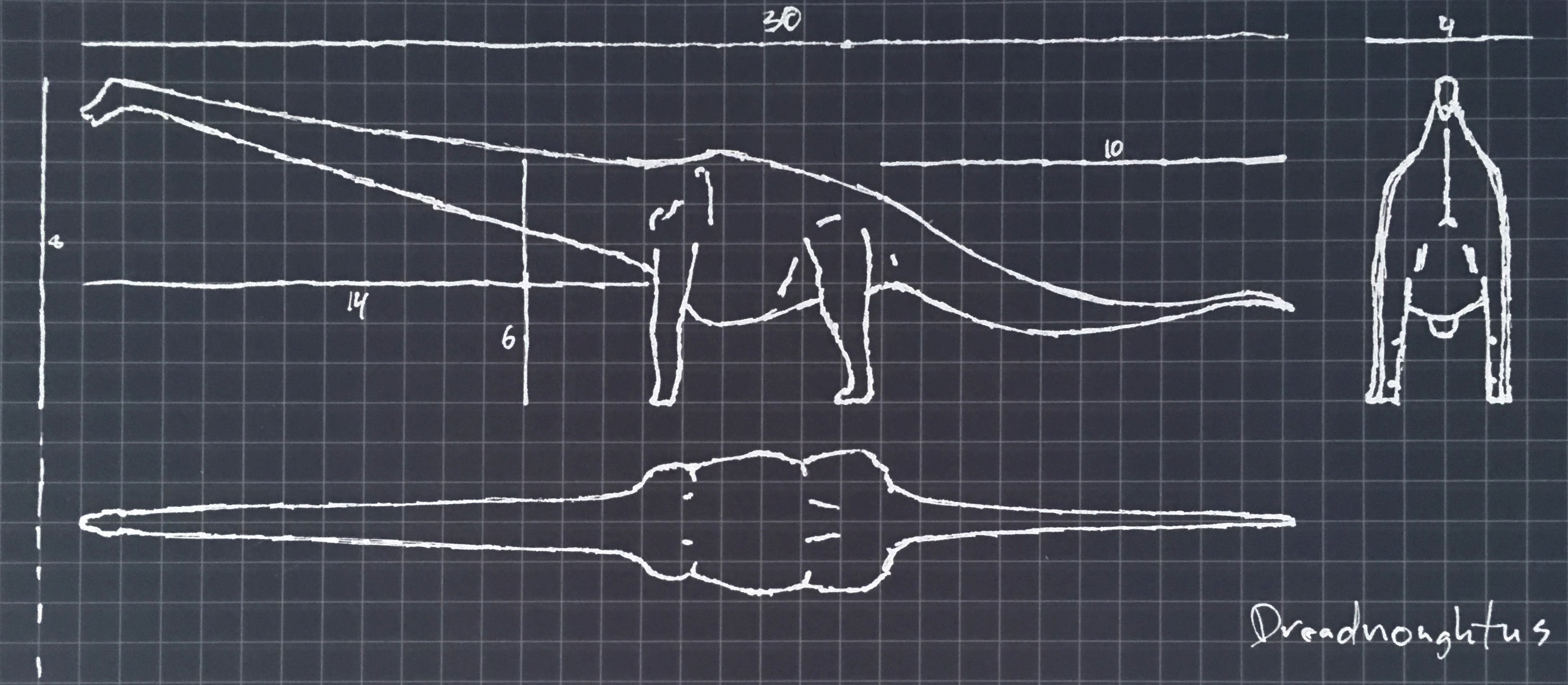
The House of Time, a scale model of earth history, is now in public beta v0.2.

In a short while, the link to the venerable Bestiary of Geekdom up top will move to the sidebar, and be replaced with the House of Time.
This is a project I’ve been tapping away at for six months or so, on and off, and in an effort to play a little less of my usual gin rummy, I’m working toward soft-launching a public beta. It will be missing a lot of features and content, but should be a good start.
The 3d engine is built in Javascript on the Babylon.js WebGL framework. My goal is for it to run in all modern browsers–including mobile–with low-to-modest hardware requirements. There will be no loading screens, HUD or narration, no accounts or other tracking, no objectives or “gamification,” and certainly no ads. The House of Time will be free and available to all. If you’re old enough to remember the experience of Myst when it first came out, you’ll understand the quiet, contemplative, even lonely atmosphere I wish to create. Art as science as art. This is in furtherance of my personal philosophy that education should be free.
I’ve been designing a system that uses as little bandwidth as possible. Most interactive 3d is built around the expectations of PCs and consoles: That transfer is fast, storage is large, and the GPU is the bottleneck. Here that’s reversed. There will be zero texture maps. Shaders will supply most of the visual detail procedurally, generating it on the fly in your graphics card. SVGs will be rendered to bitmap in a hidden canvas element to supply more specific 2d imagery. Most of the shaders will rely on world space coordinates, so that two instanced models sitting side by side may look radically different. Instanced geometry will be used as much as possible. Complex extruded shapes will be generated in the browser from a path and cross-section. Chunks of geometry will load only when needed, and free their memory when no longer in use.
The overall scene (more than a mile long) is being built in Blender, as it plays well with Babylon.js and glTF export. Even with the UI improvements in the Bforartists fork, this has been a major pain point, and creation of complex 3d assets (dinos!) lags badly. (My preferred 3d package, Hash Animation:Master, has sadly become a paid zombie, with no meaningful updates this decade. The quest for a replacement continues…) I split the large scene into chunks manually and export them for browser loading with Babylon.js’s Blender export plugin. Tags in the names of models and lights are digested by the engine on load, to do things like assigning noise shaders, creating extruded shapes, or replacing a mesh with sprites.
This week, I’ve built a new stageManager object to move scenery on- and offstage and in and out of memory, as well as written a new pine foliage shader I’m reasonably happy with. Before going public, I still need to create and fix a few more things:
Membership/Info Card – Footstep sounds – Titanosaur – Low-res Ionic Pediment – Evergreens – Brick Walkways – Tree Ferns – Cambrian Marker – Beach – Stars
StageManager – New evergreen shader – Sound manager
Crash on deleting assetContainer – Falling sprites not finding ground – Sprite systems not reusing correctly – Too much fog at start – Left-hand side of gate not animating – Miocene grass too short – Cretaceous Hall light wonkiness – No Carboniferous shadows